

How to read generator maintenance notes without the jargon
These notes are written for managers, site controllers and facilities teams who need practical answers before a breakdown turns into lost hours. If you run a plant in Midrand, a warehouse in Centurion or a distribution site in Durban, the same basics matter: clean oil, sound batteries, healthy cooling, and controls that respond when the mains fail.
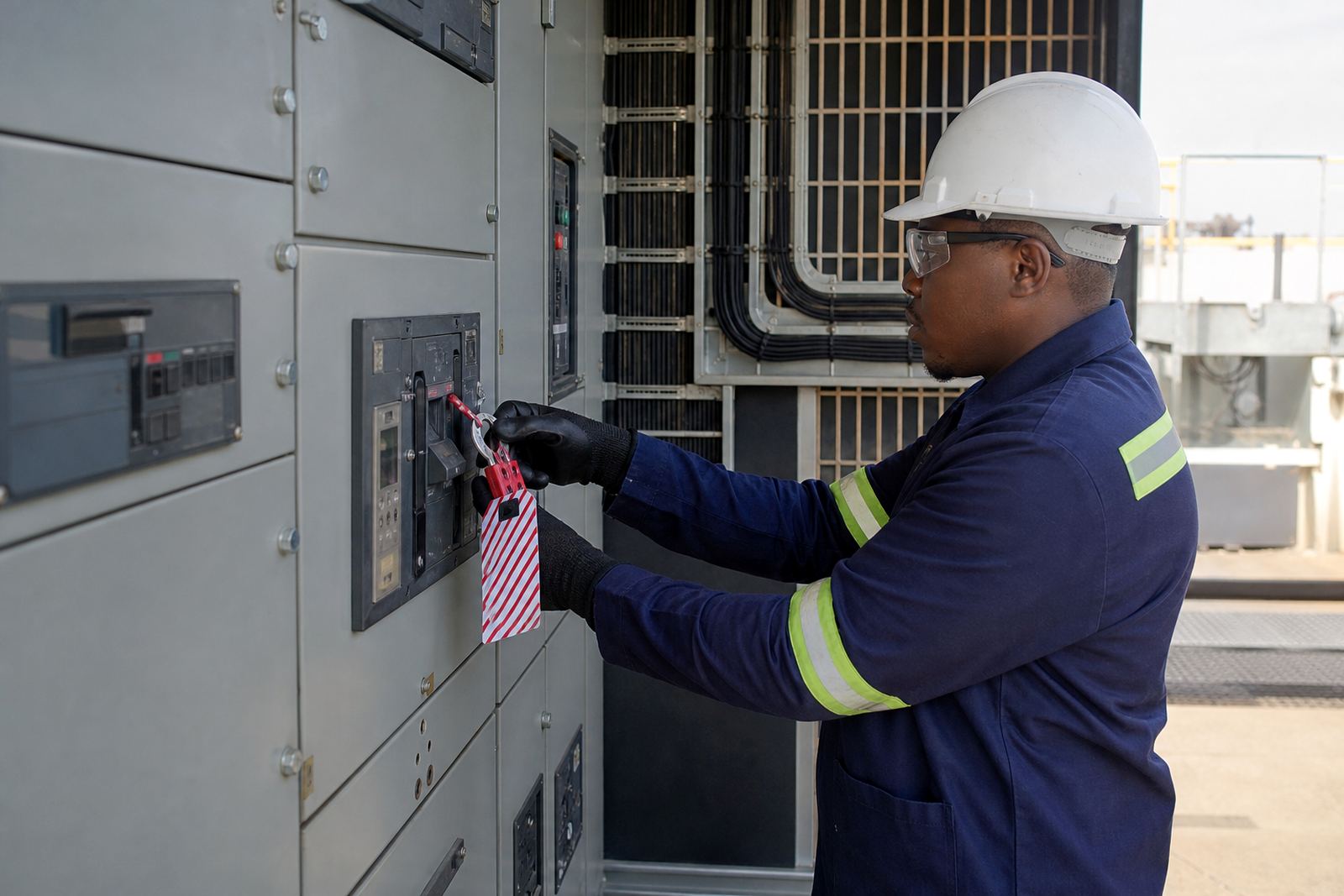
Use the notes to compare service tasks, spot gaps in a maintenance contract, and decide which checks belong in planned servicing and which need a technician on site. Electrical work must always be handled by qualified people in line with local regulations, especially where changeover gear and control circuits are involved.
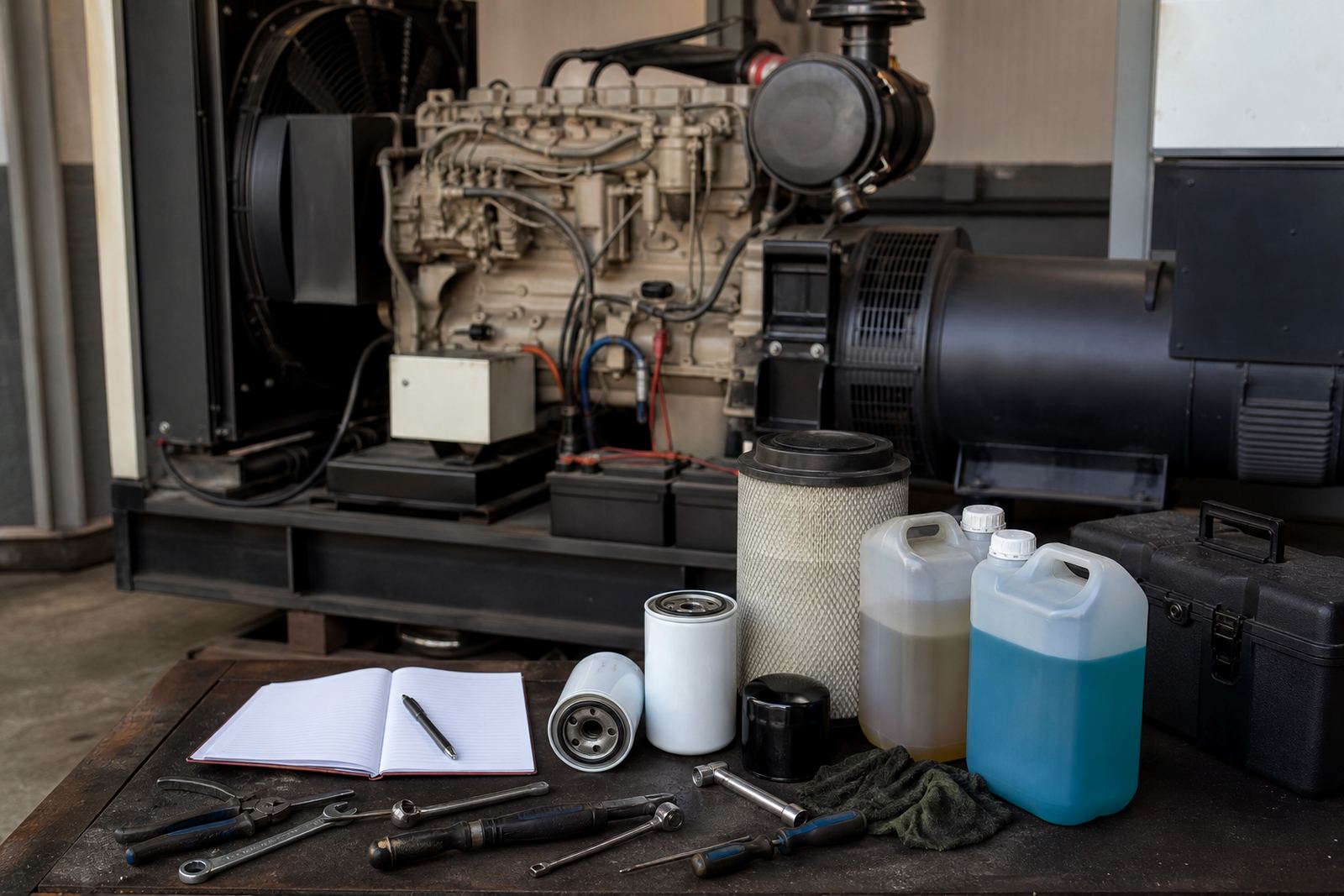
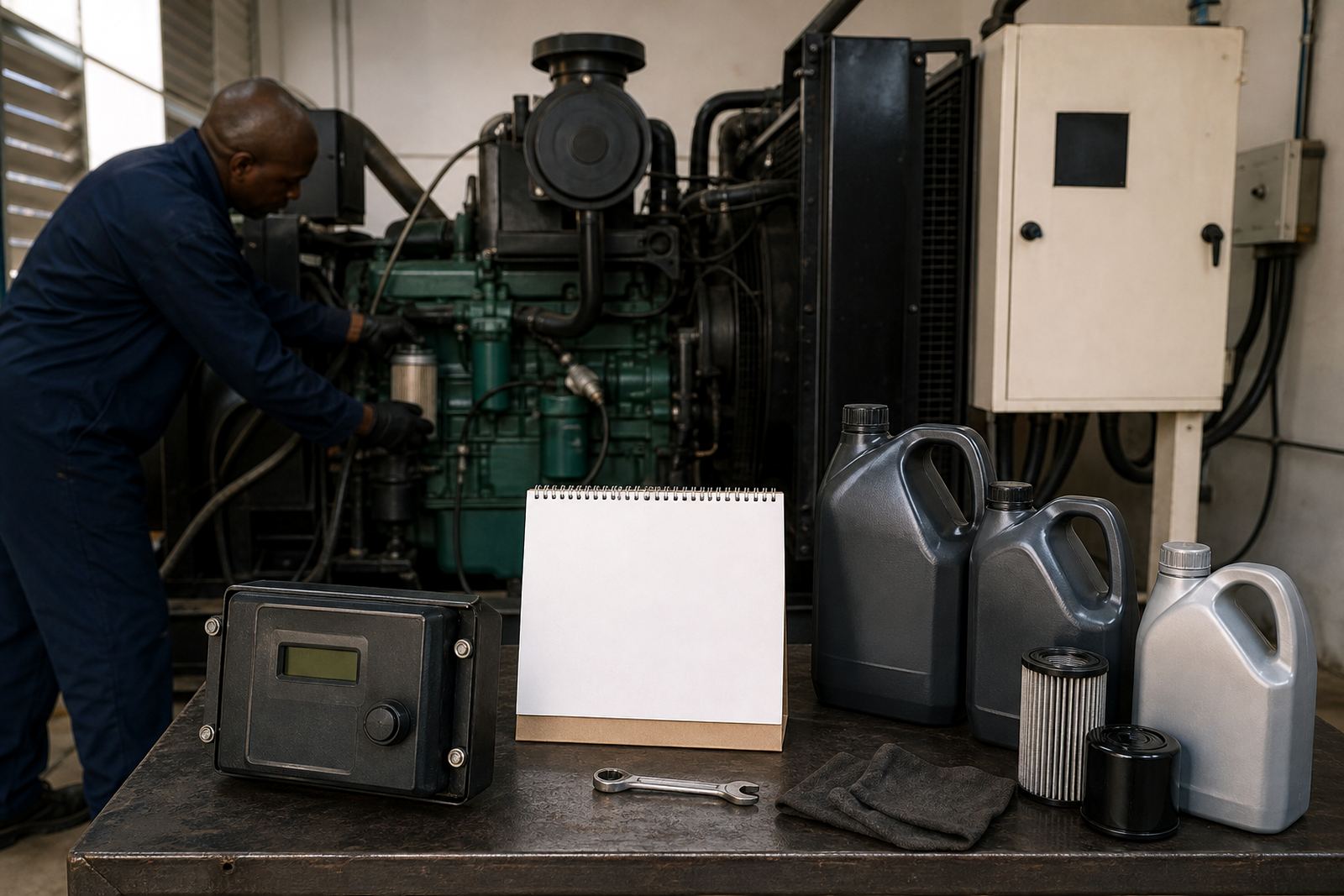
What regular servicing usually covers on a working set
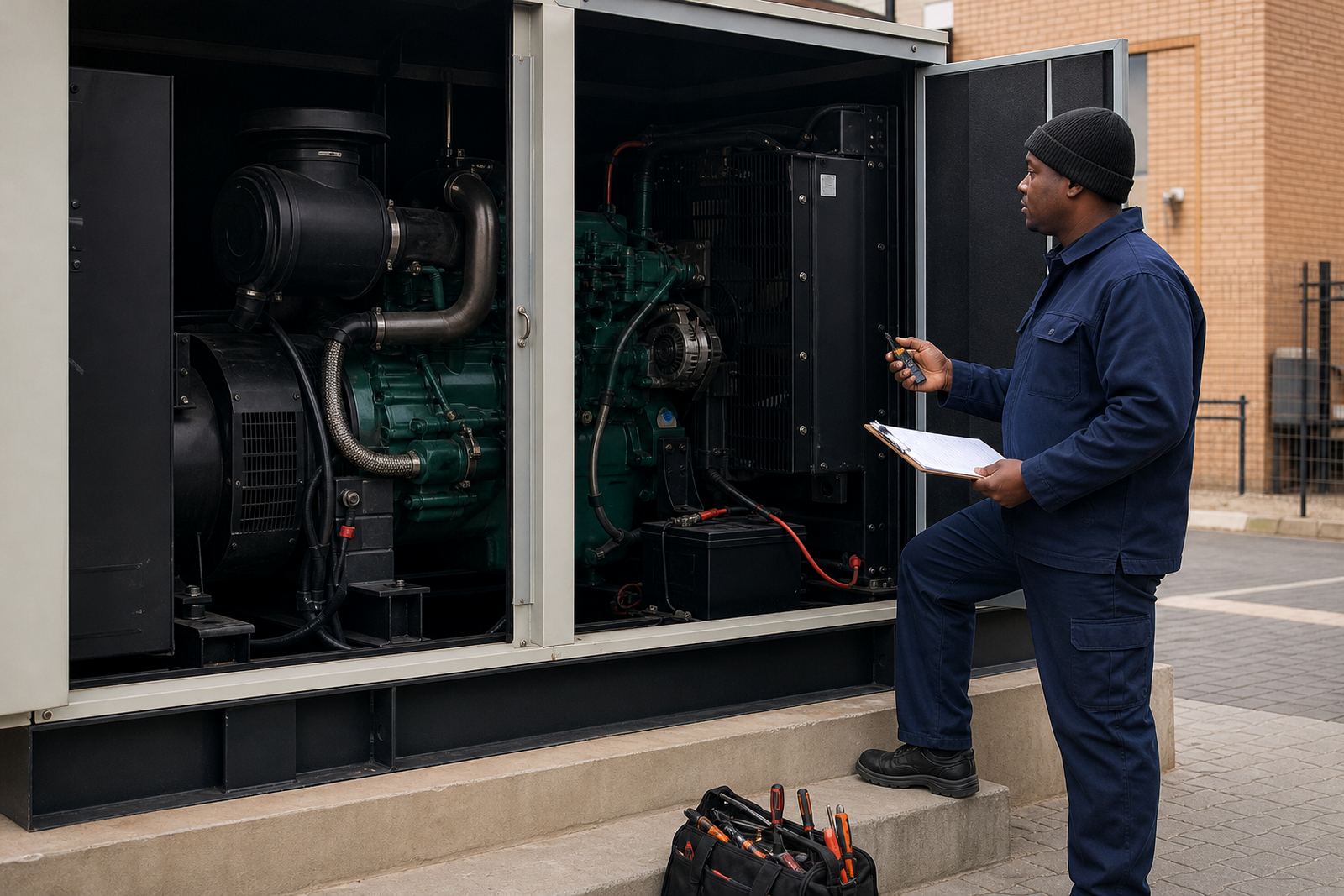
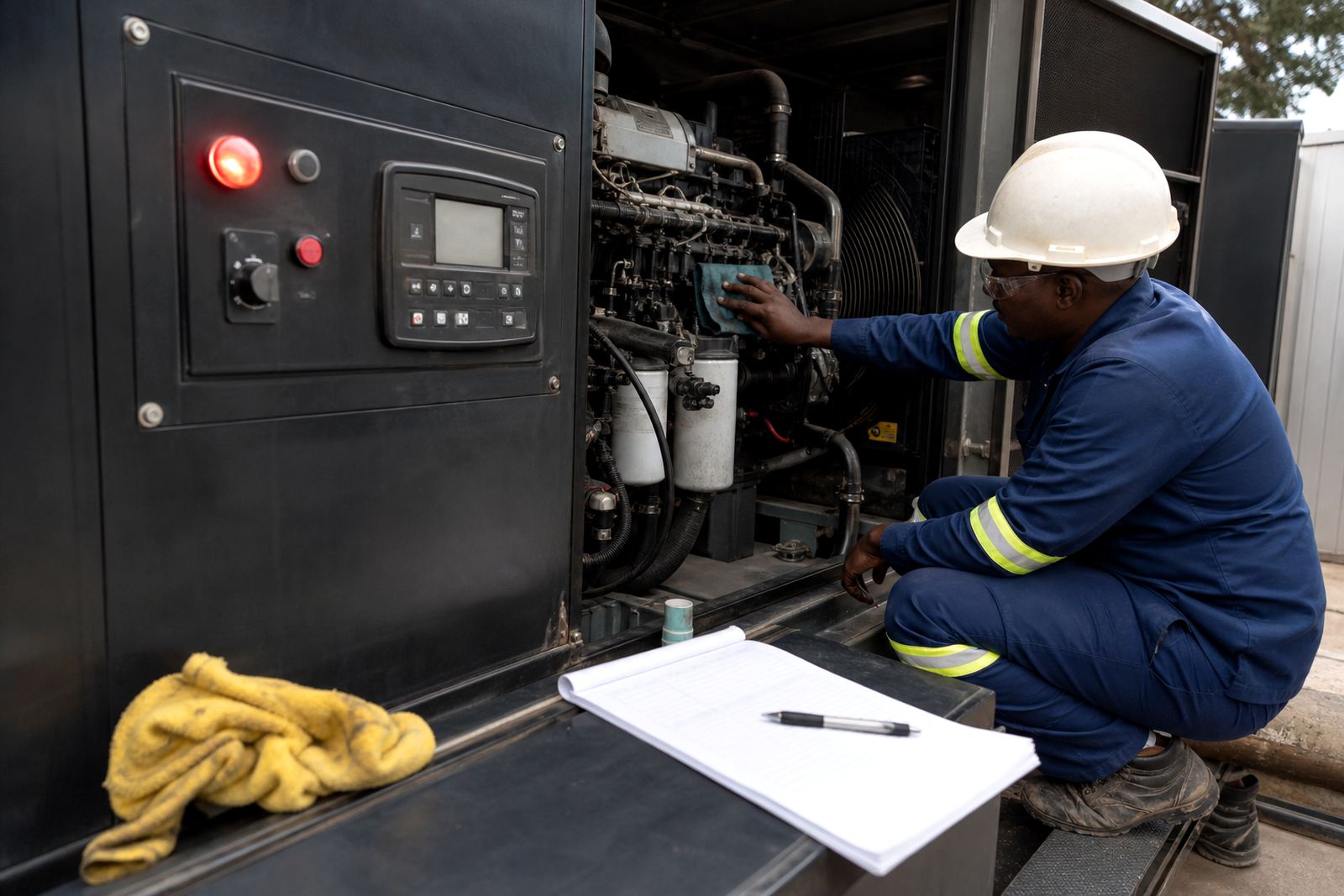
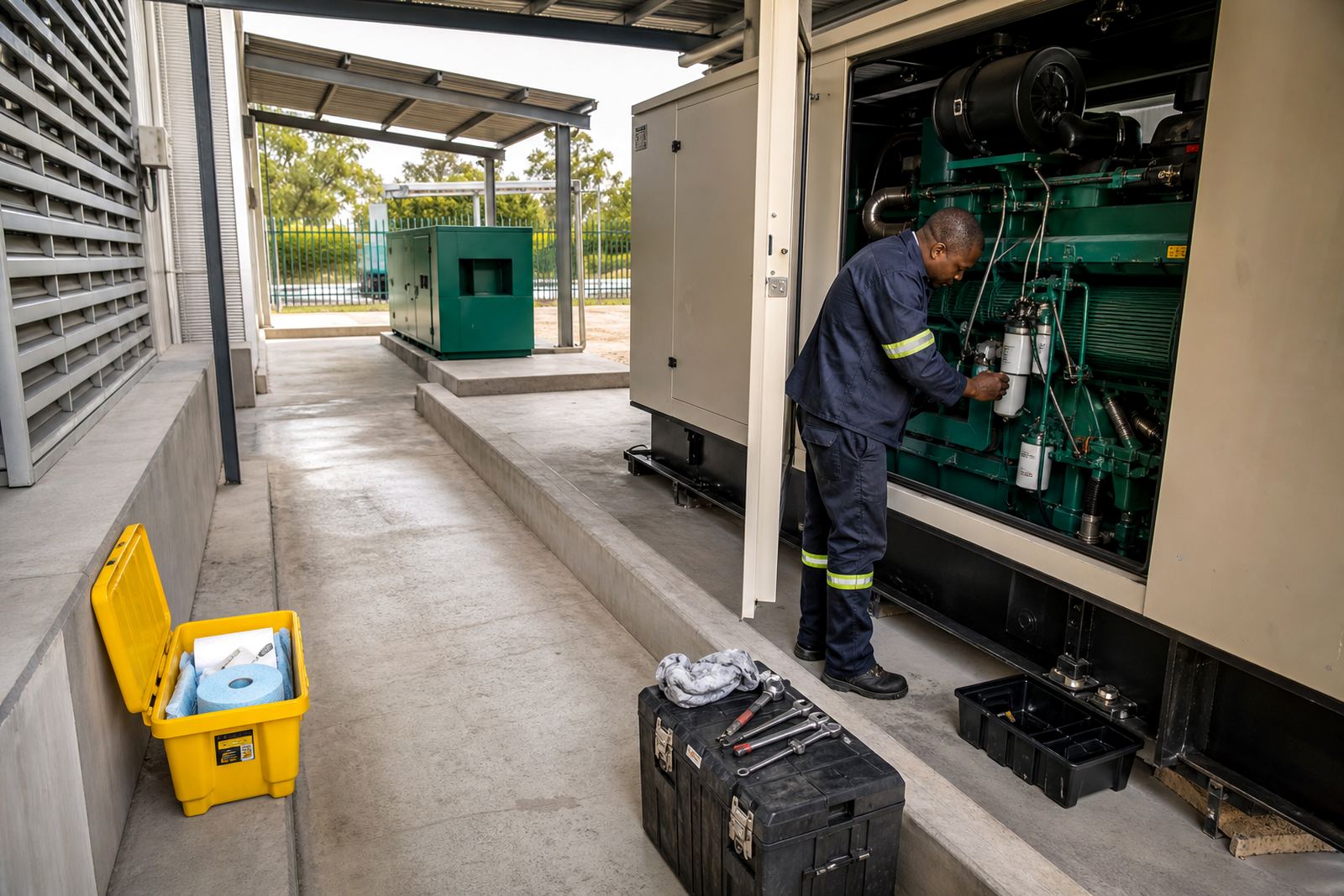
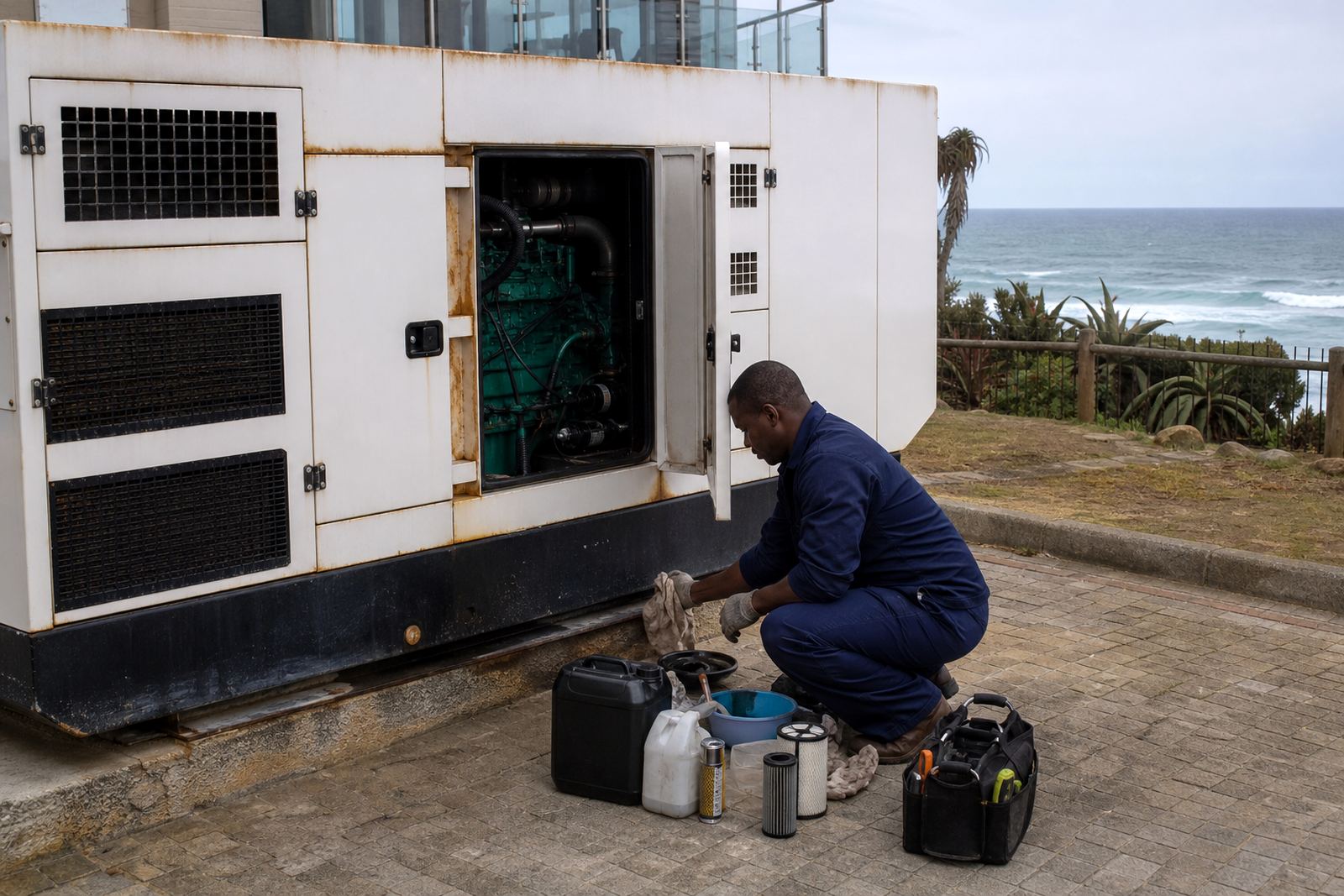
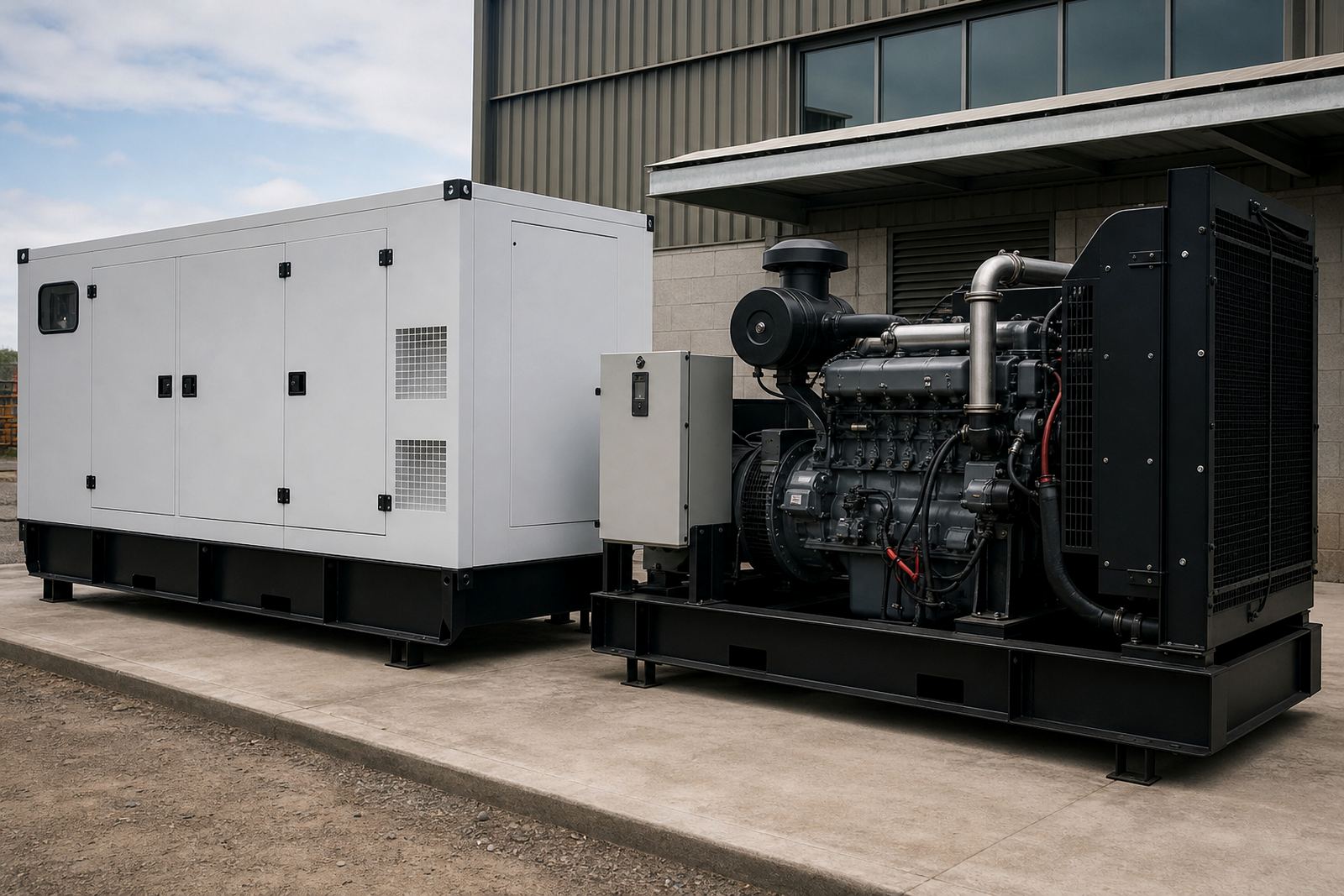
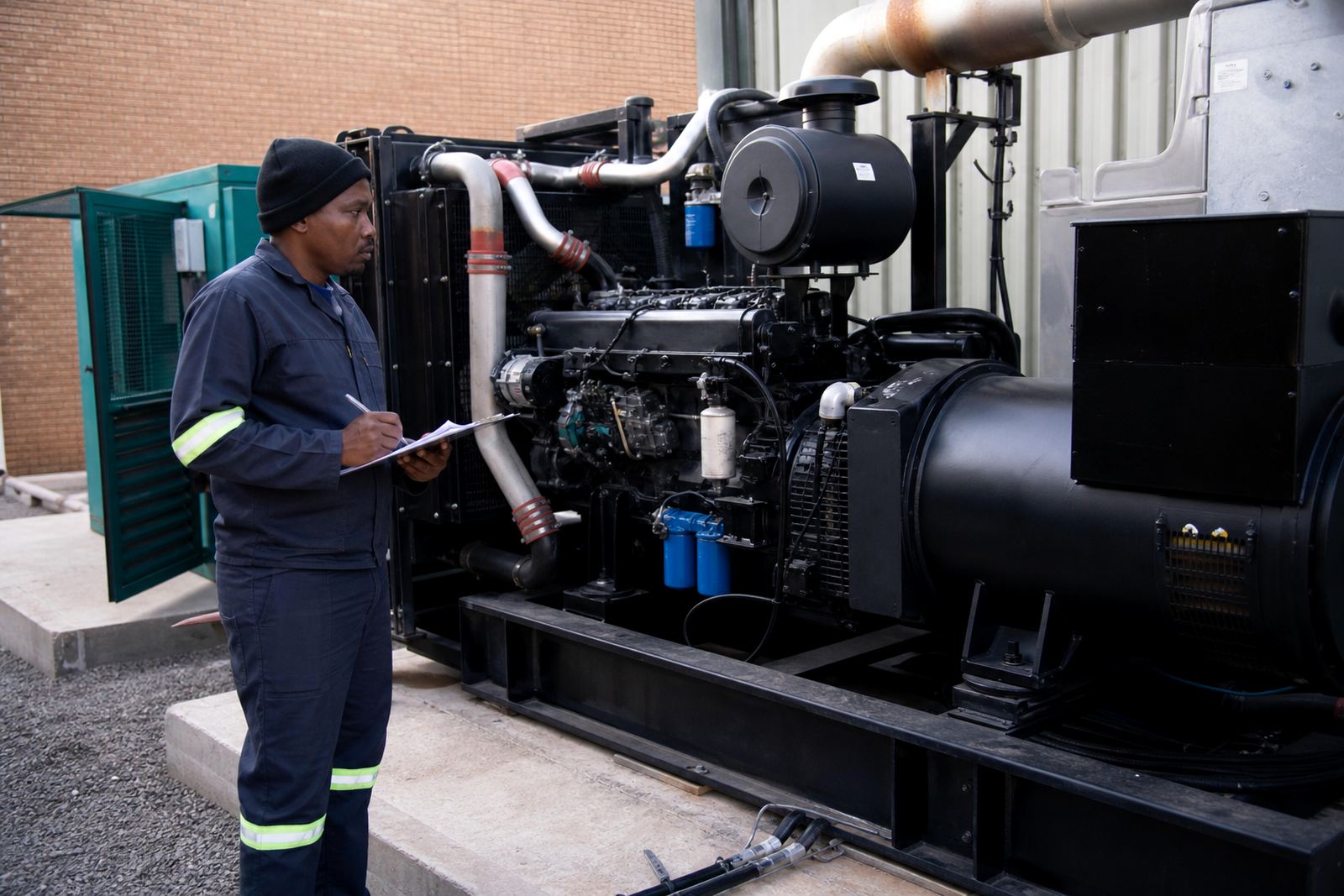
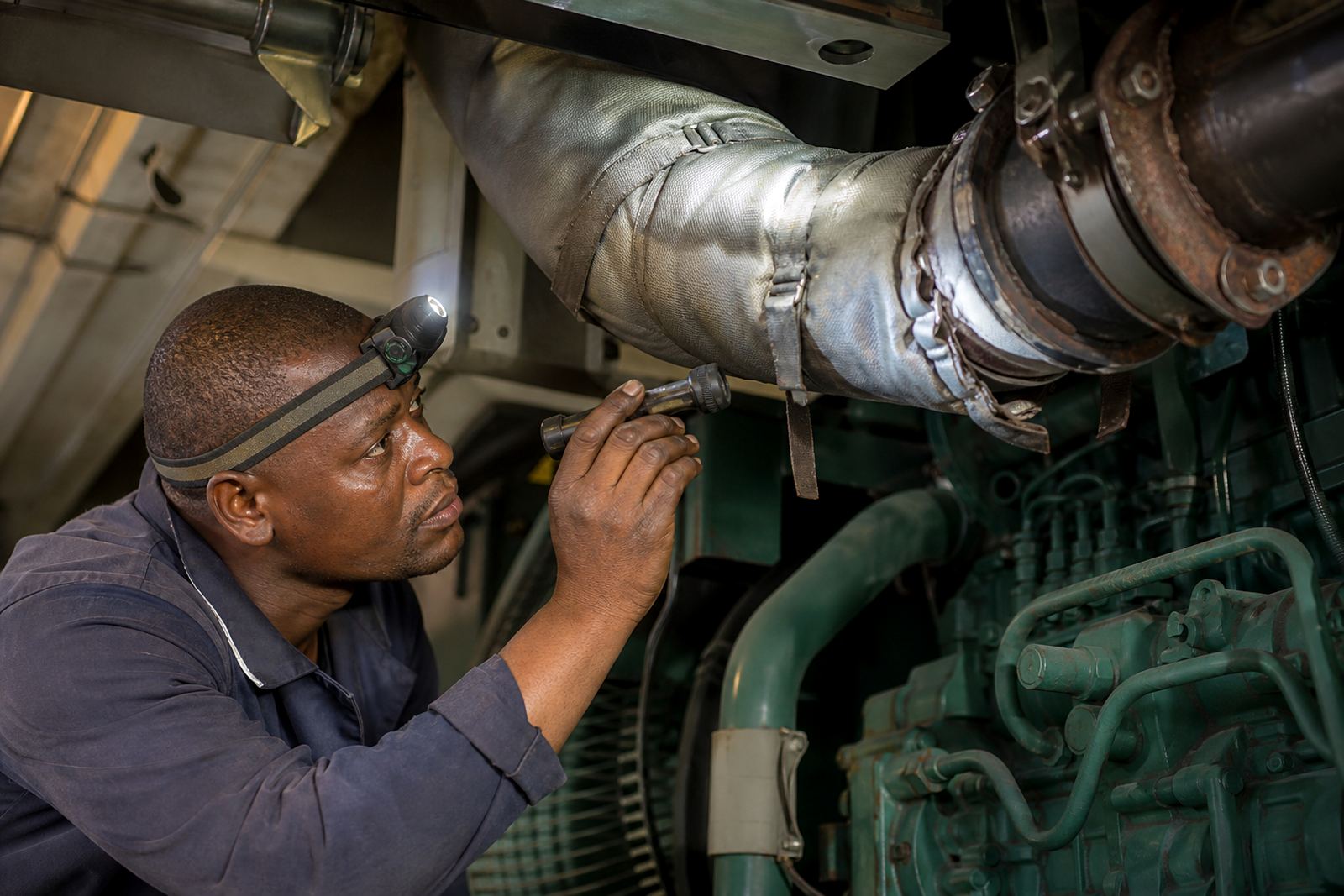
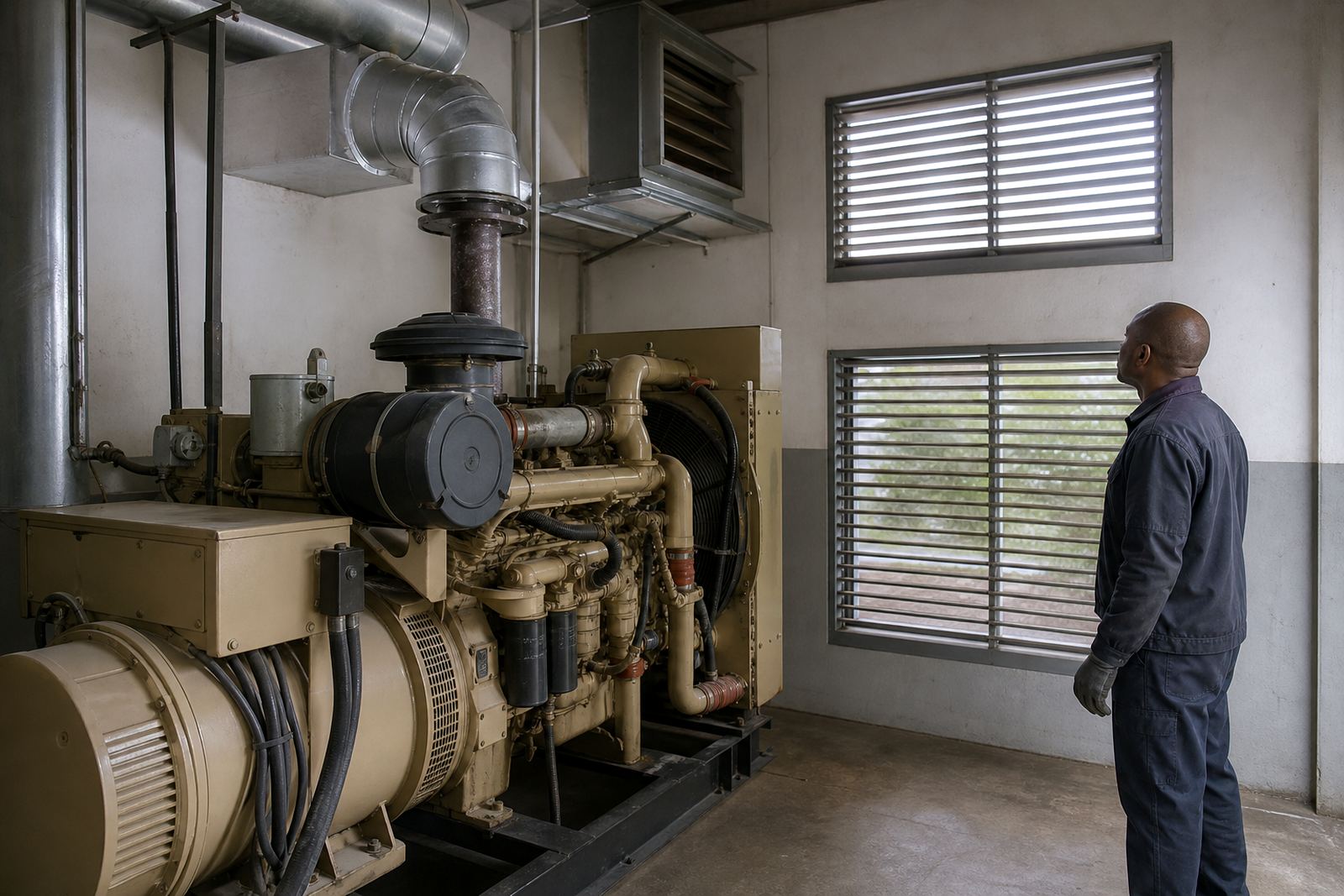
Routine servicing is more than an oil change. It is a scheduled inspection of the full machine so small faults do not turn into a callout at 2 am during load-shedding or a municipal outage. On standby generators, the focus is on readiness. On prime units, the focus is also on running condition over longer operating hours.
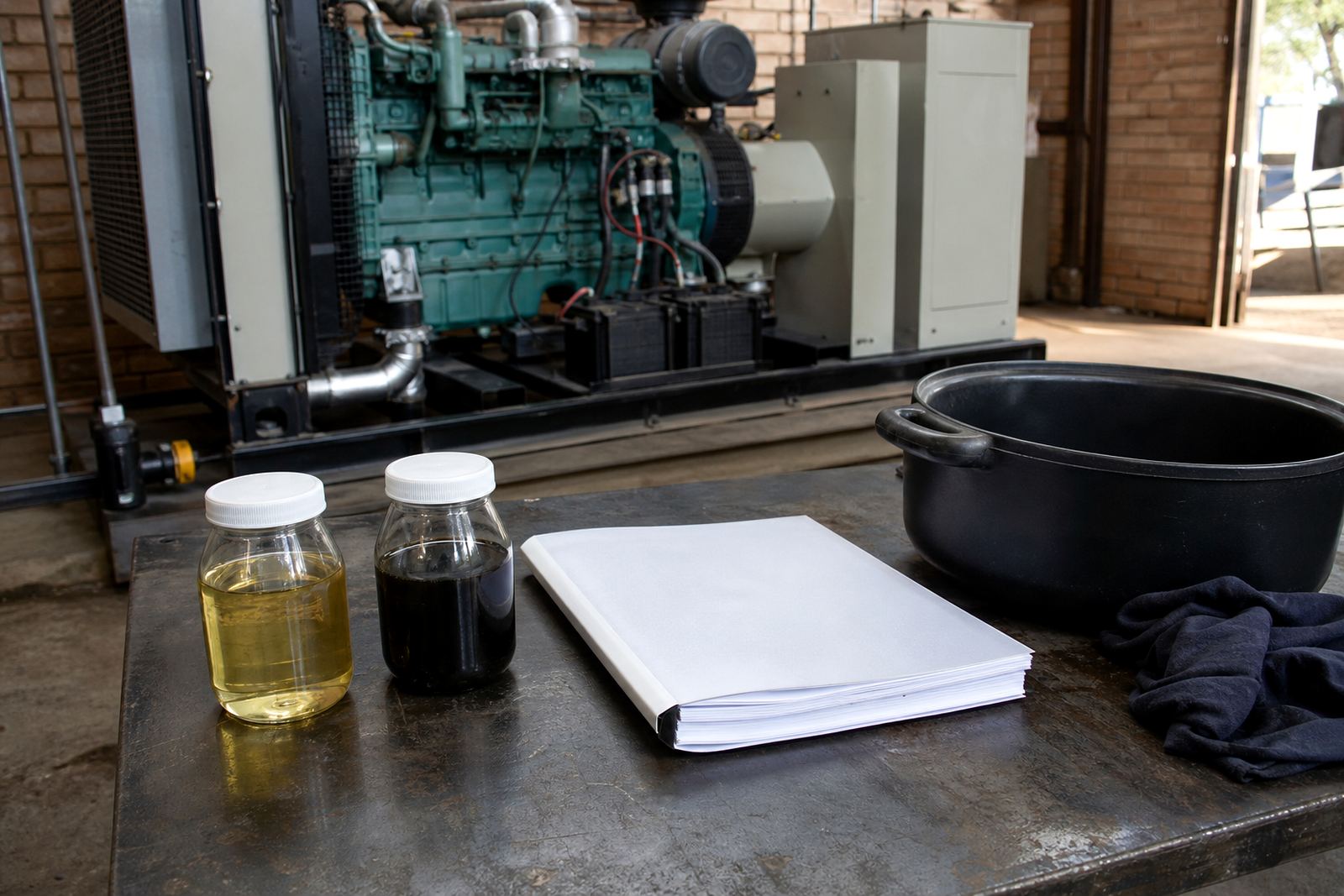
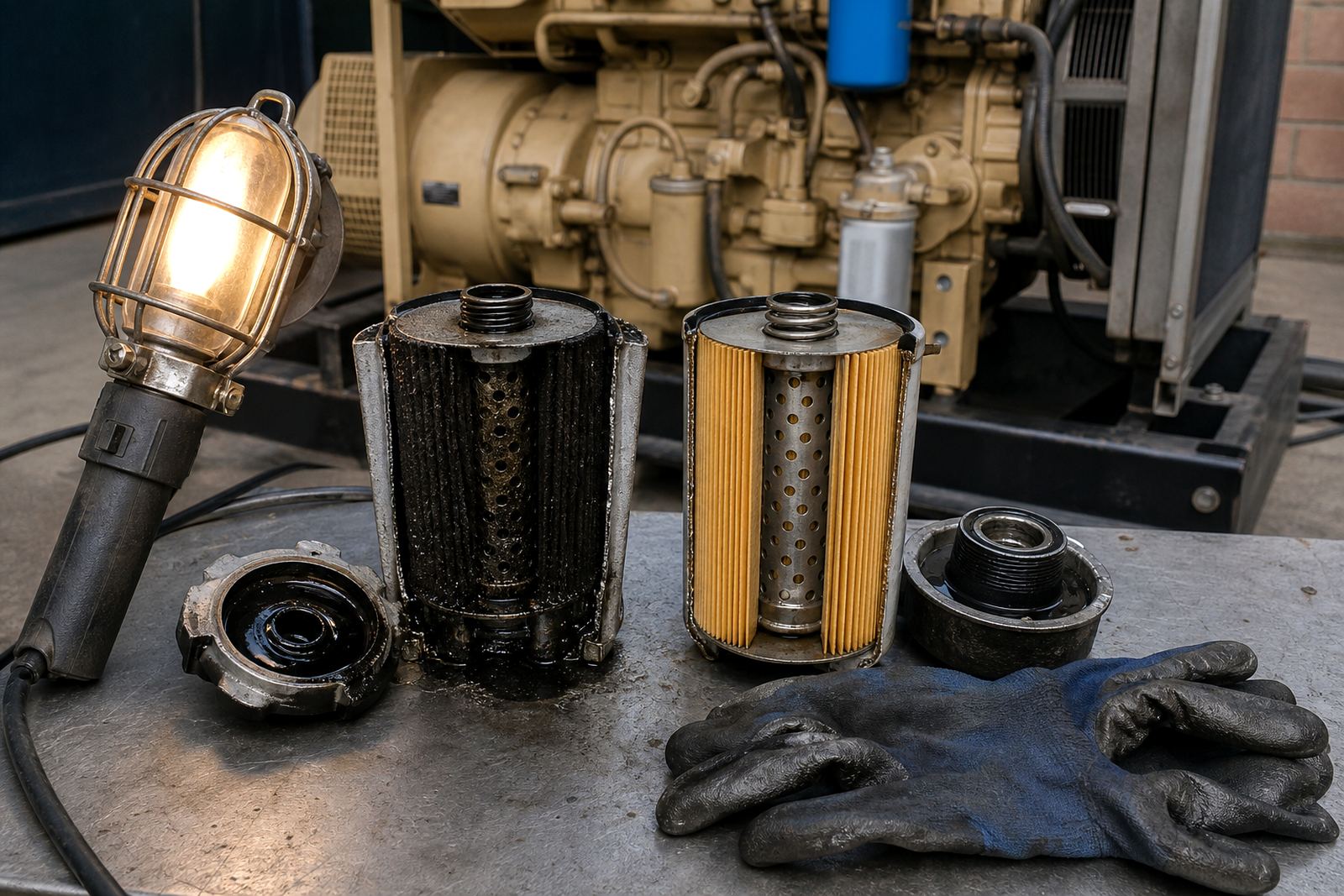
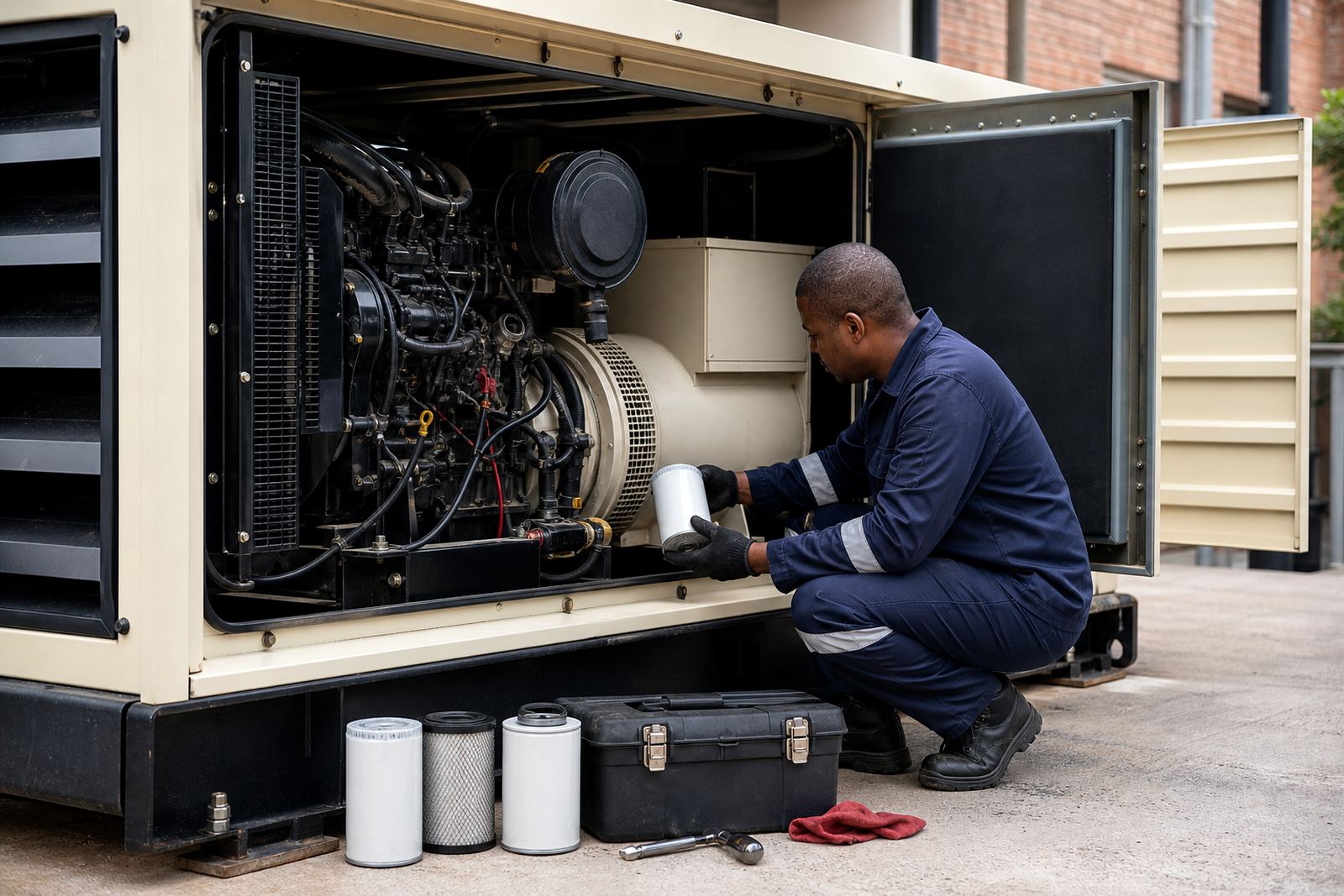
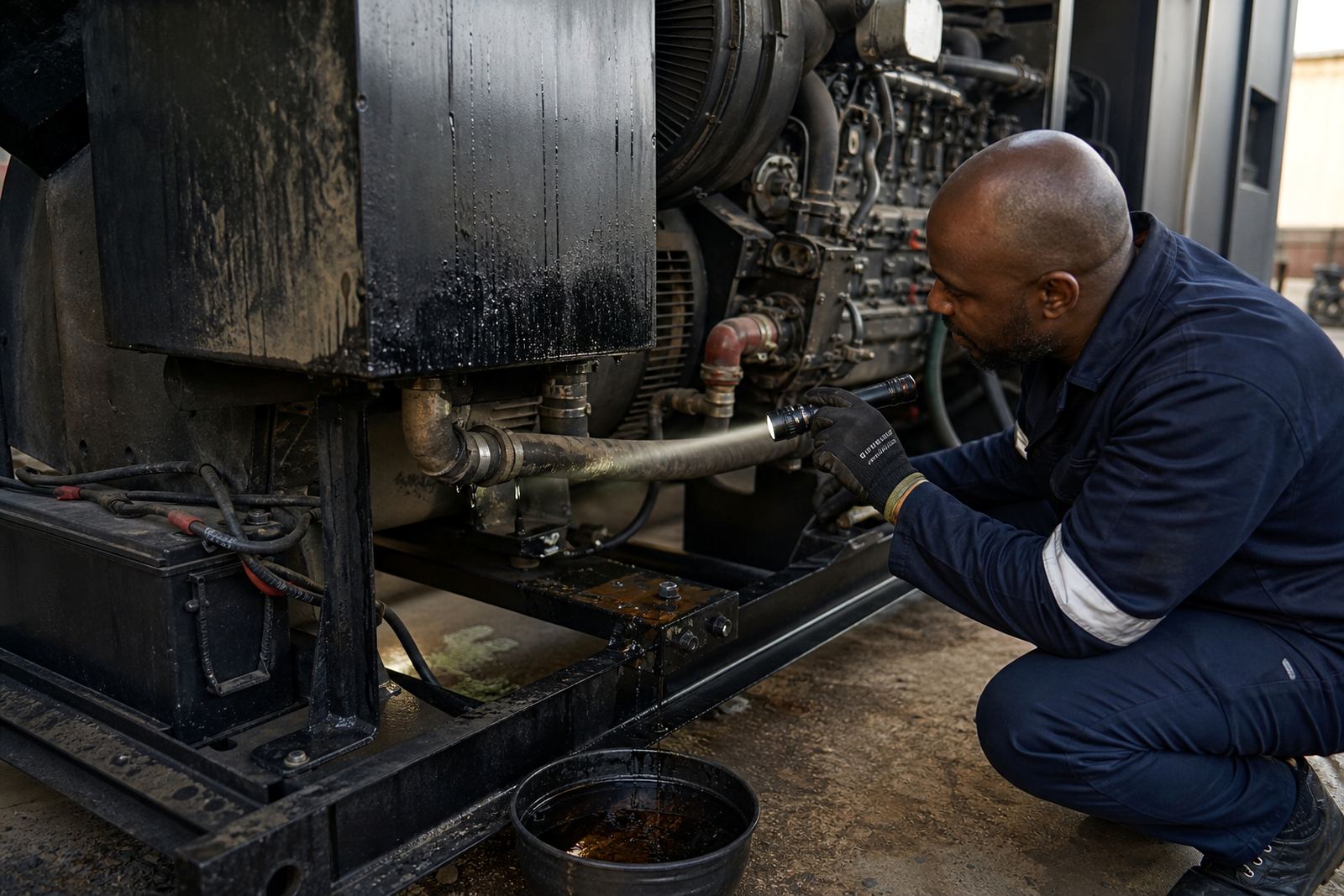
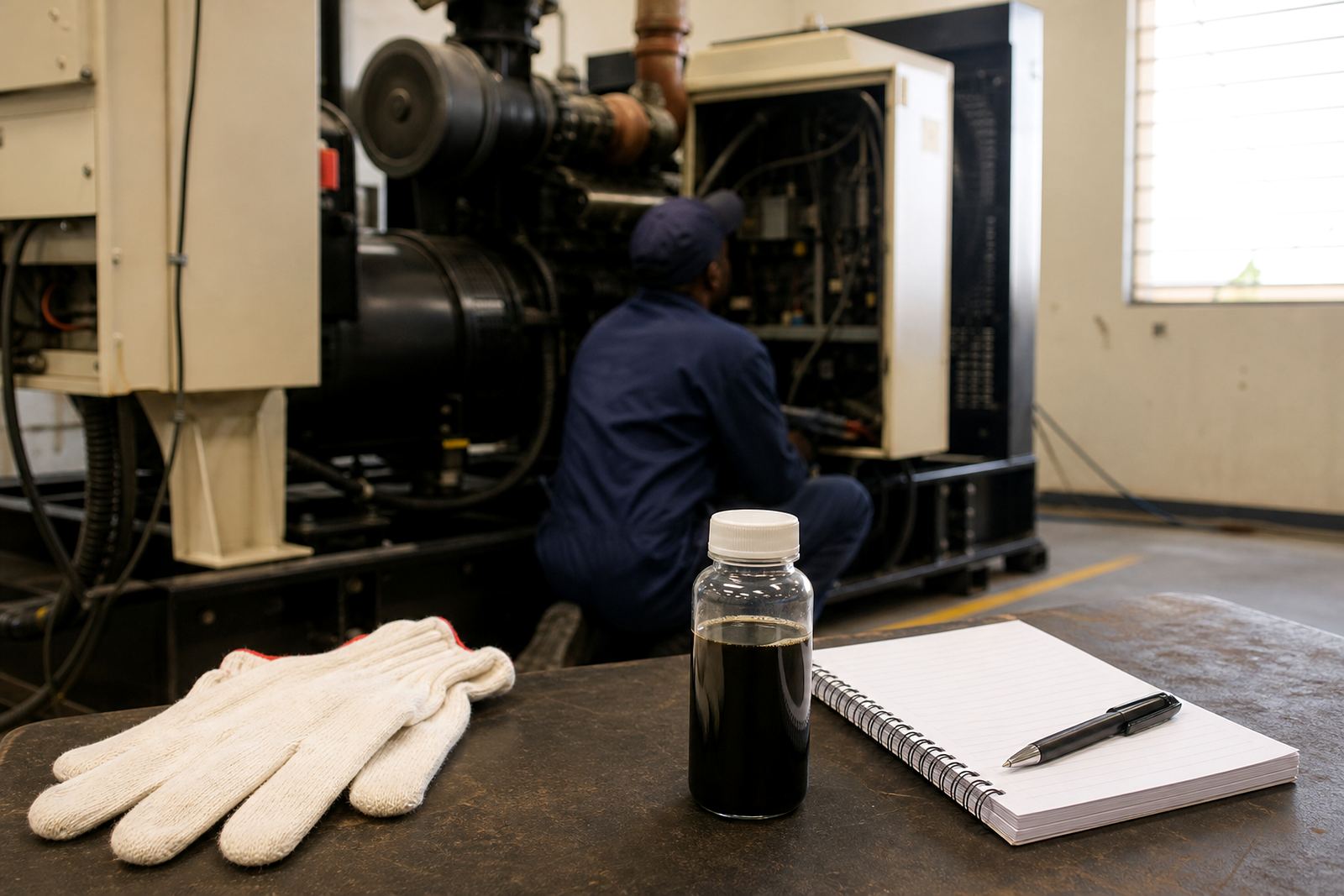
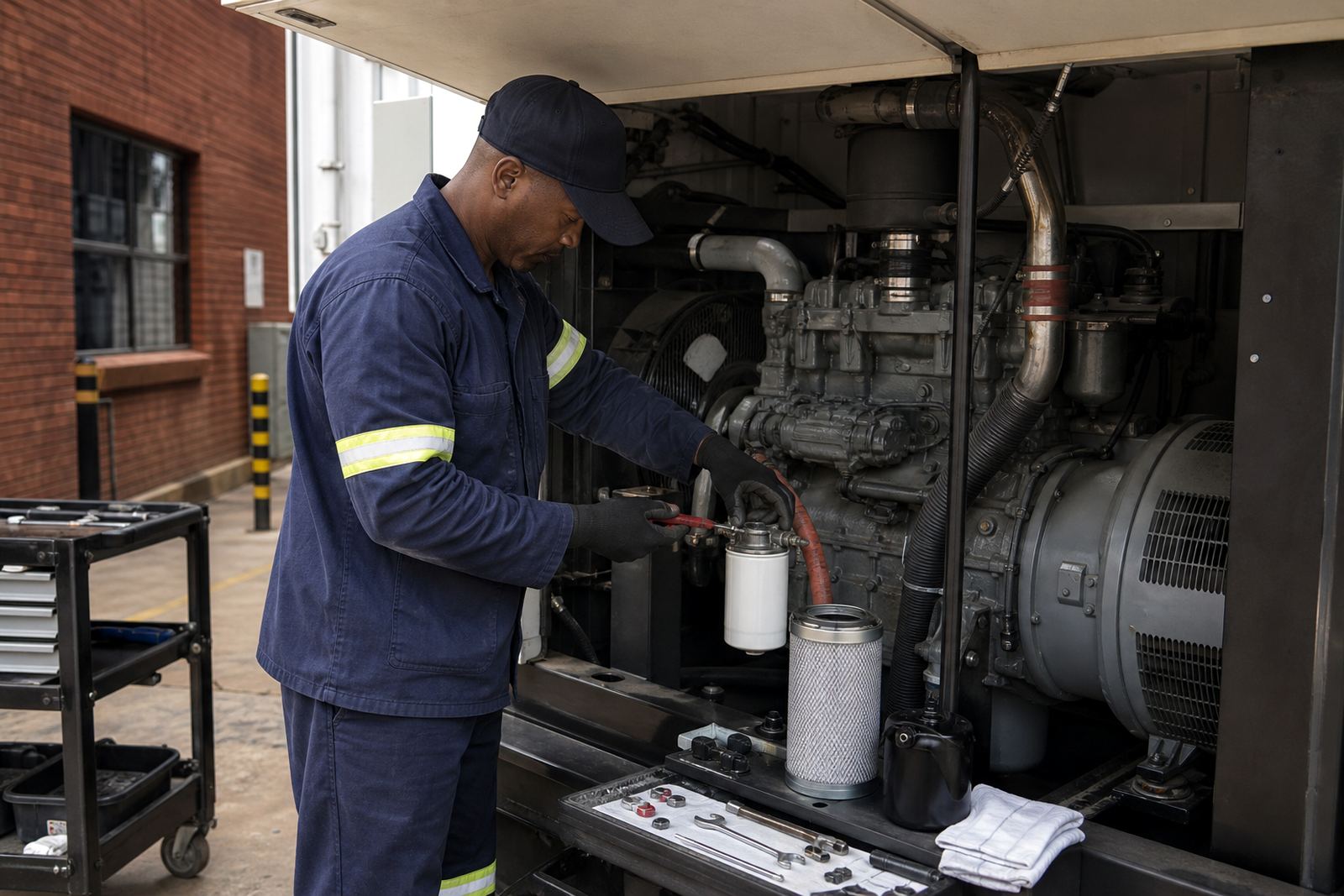
- Engine oil and oil filter changes at the correct service interval
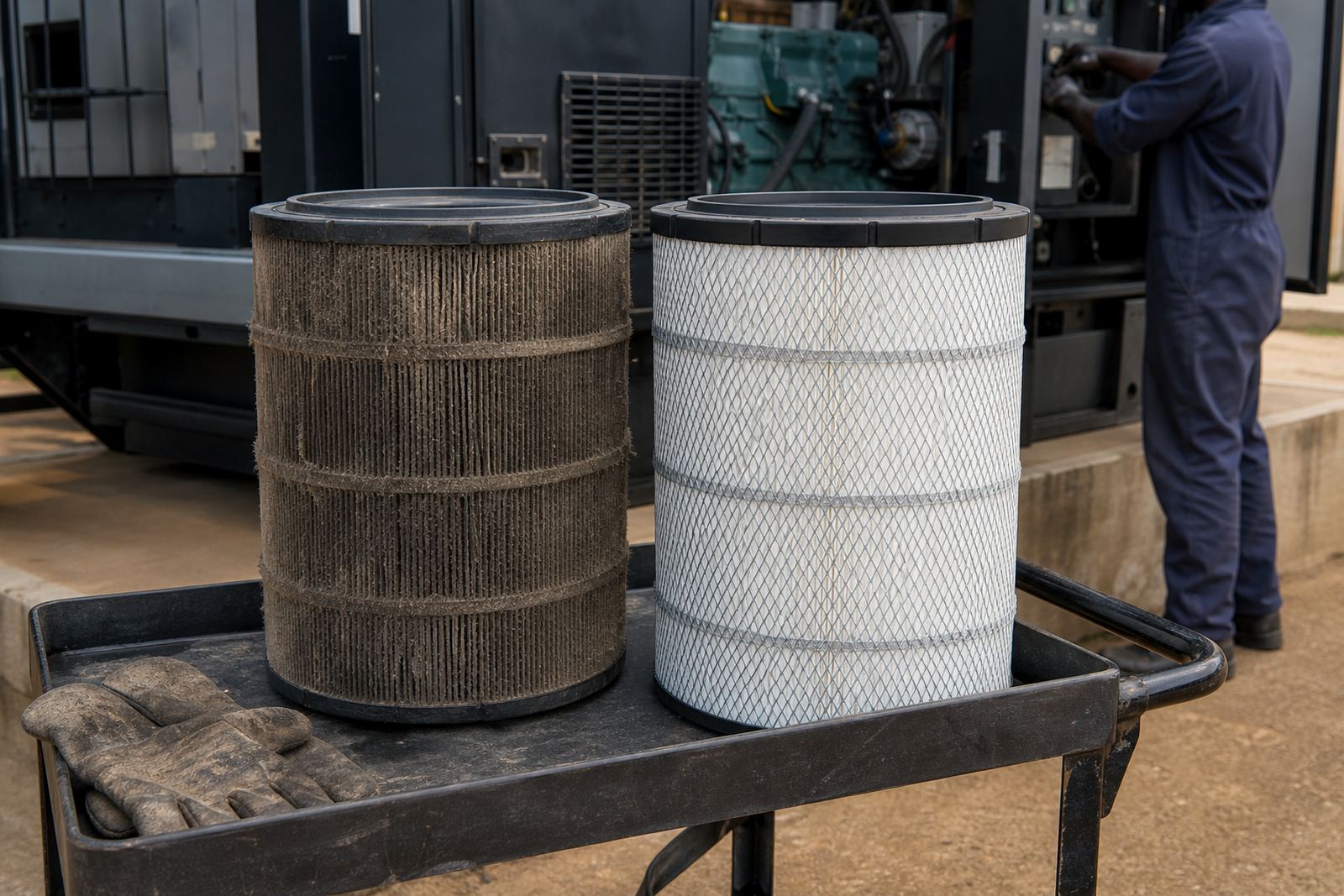
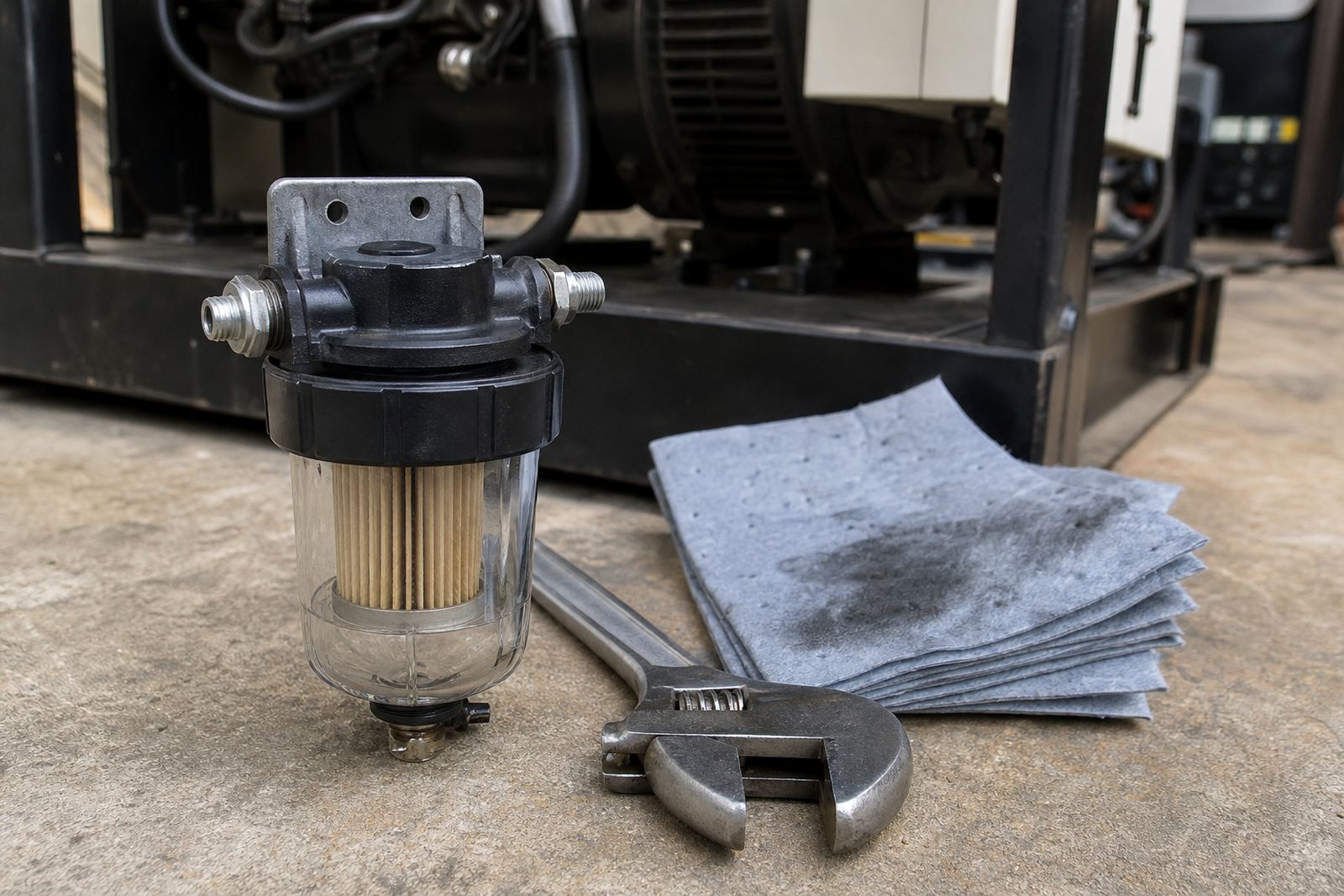
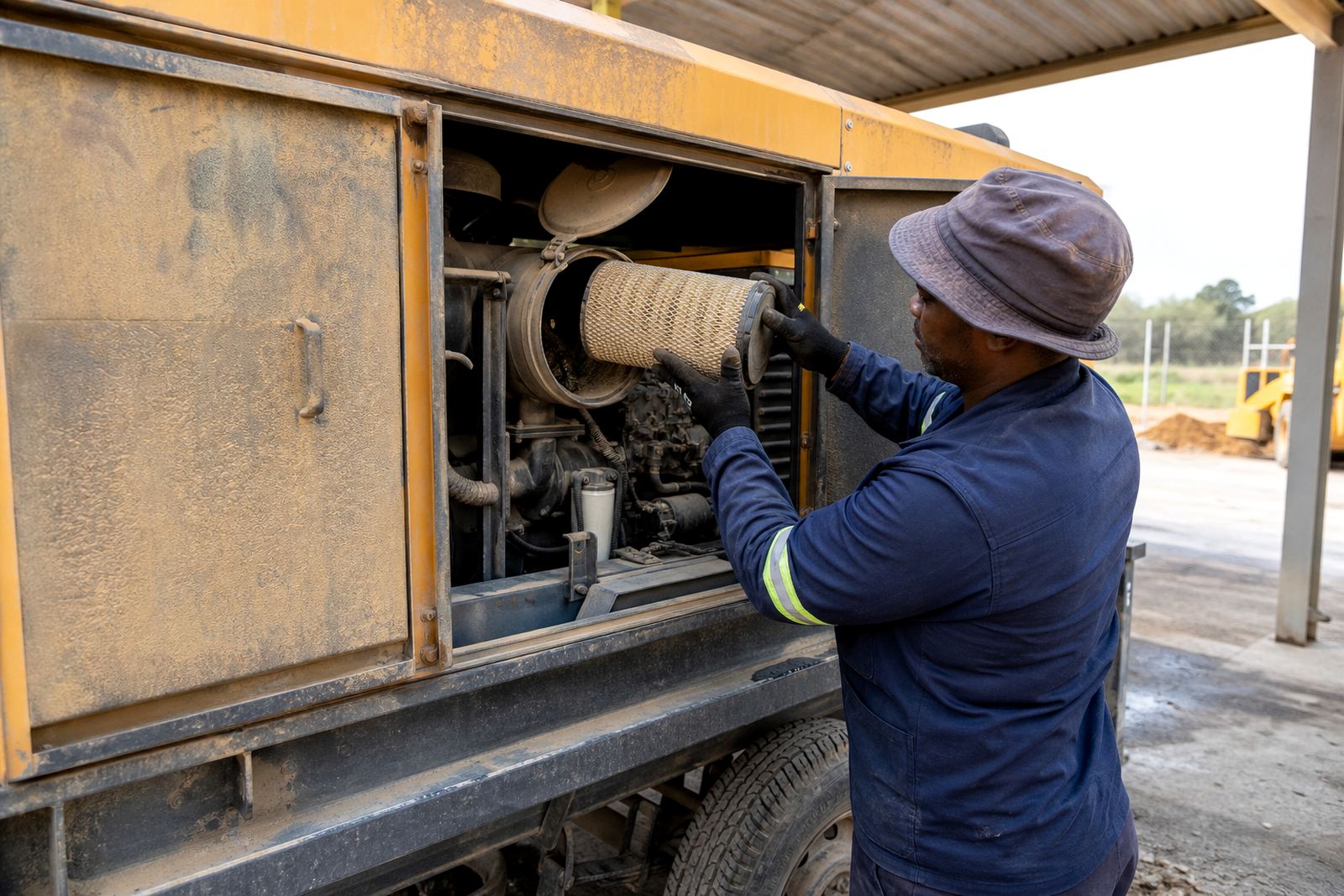
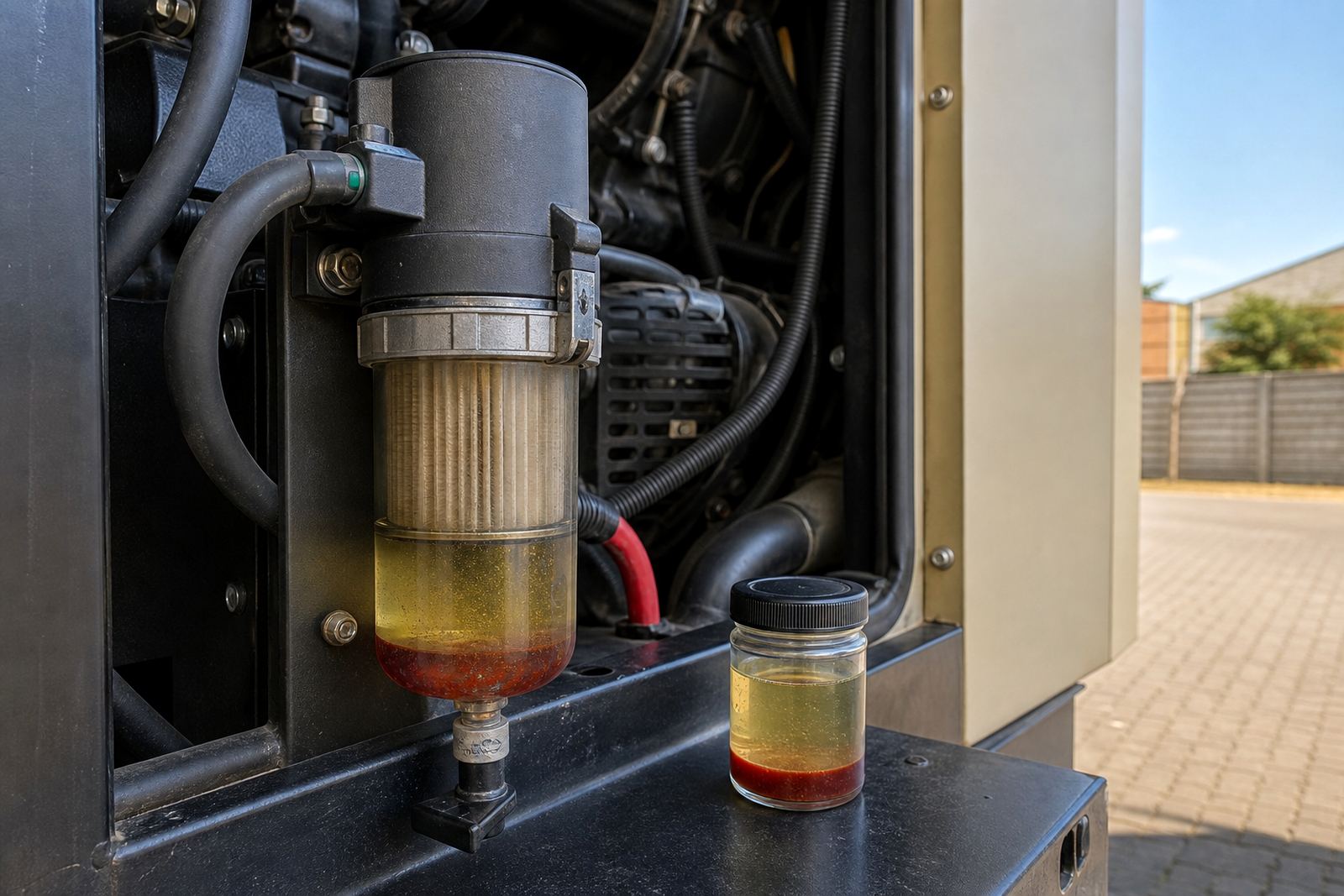
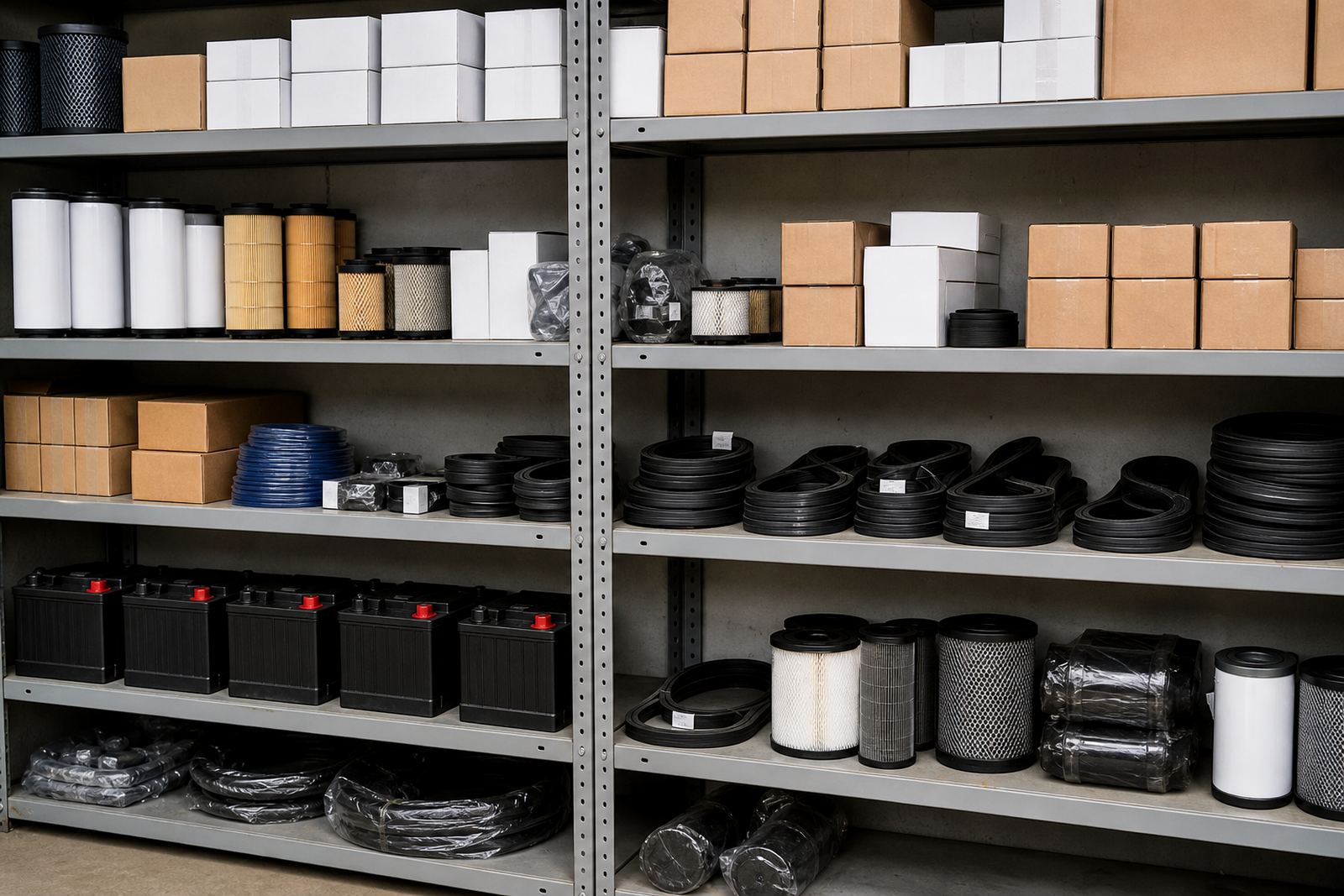
- Air and fuel filter replacement where contamination is found
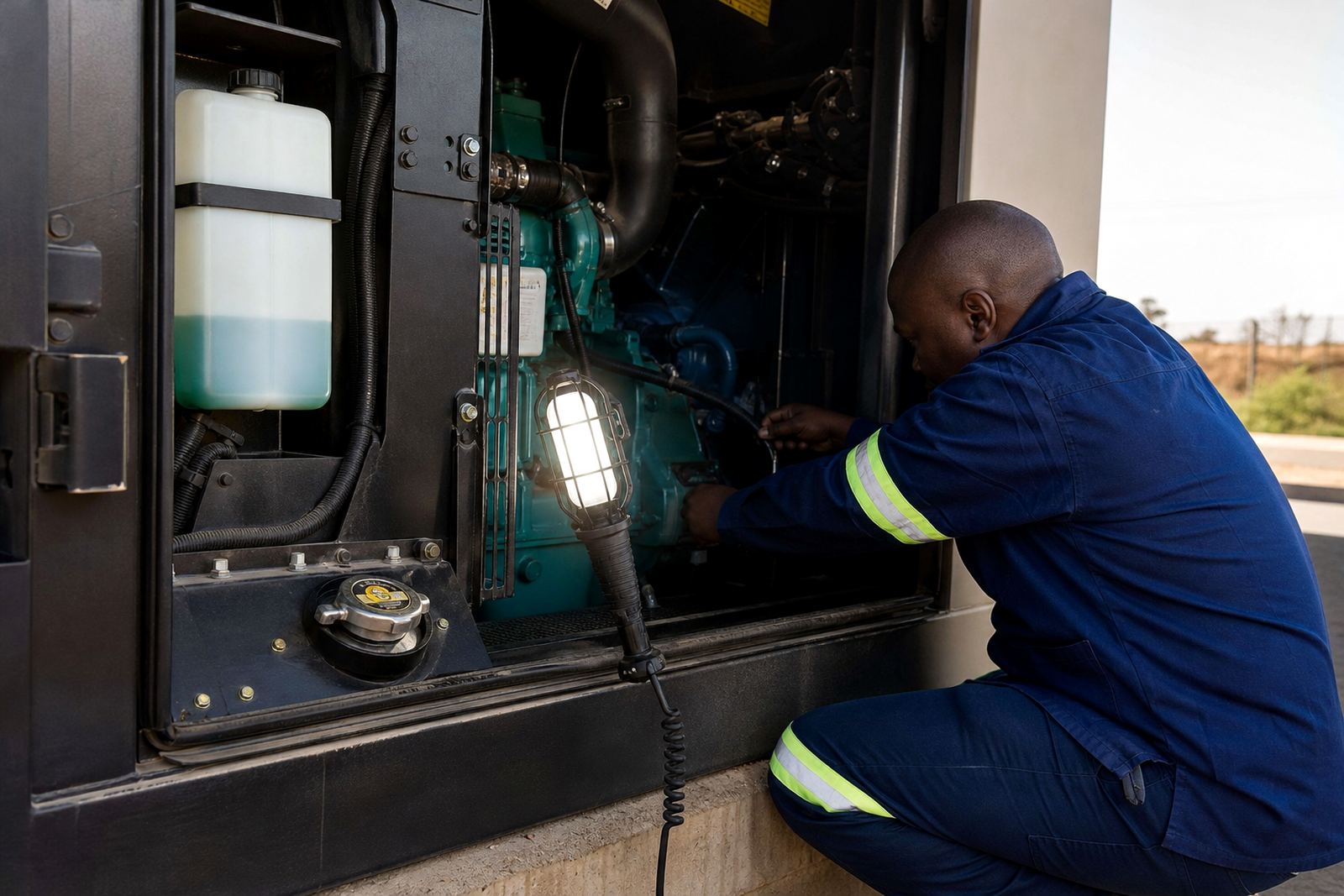
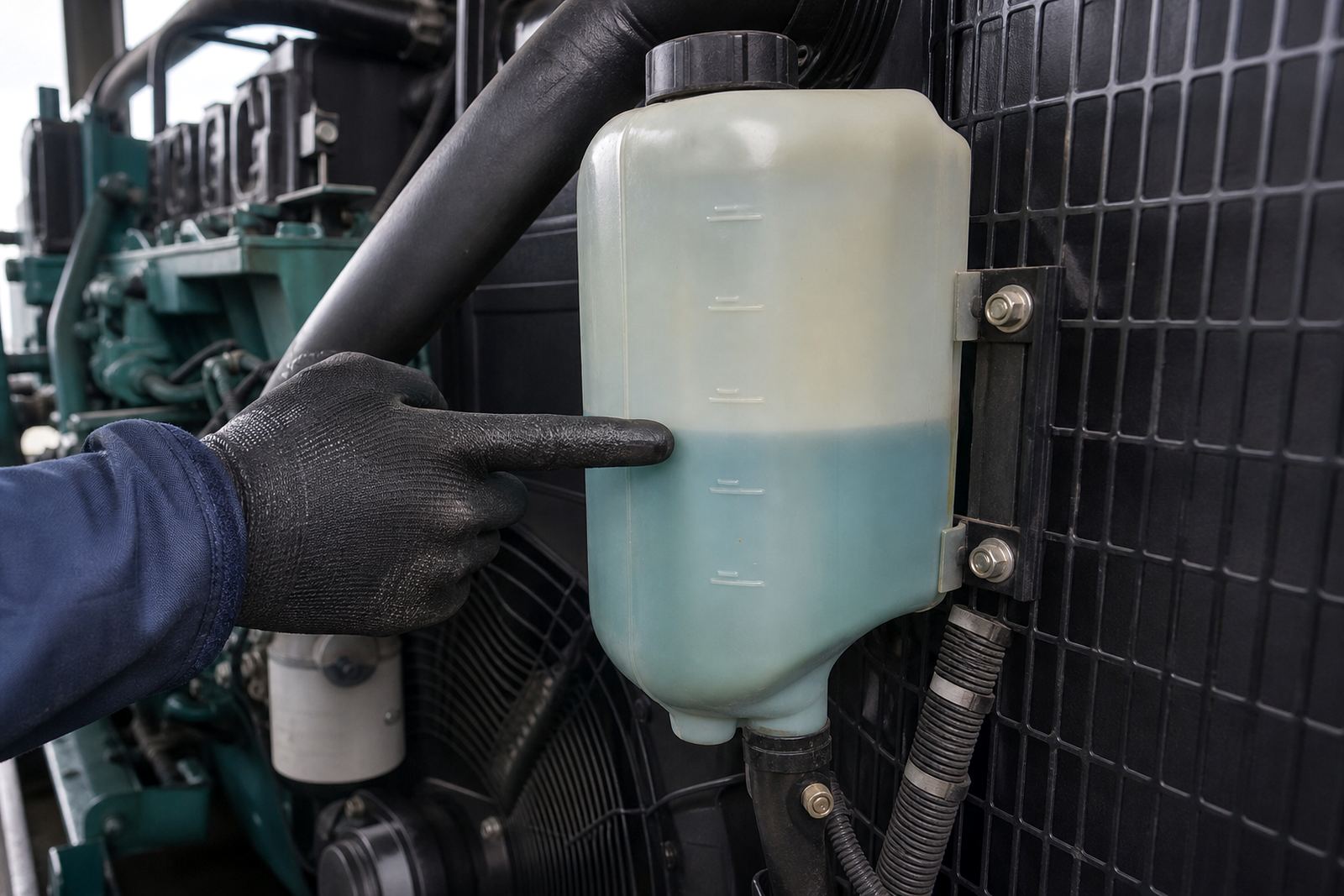
- Coolant checks, top-ups and hose inspection
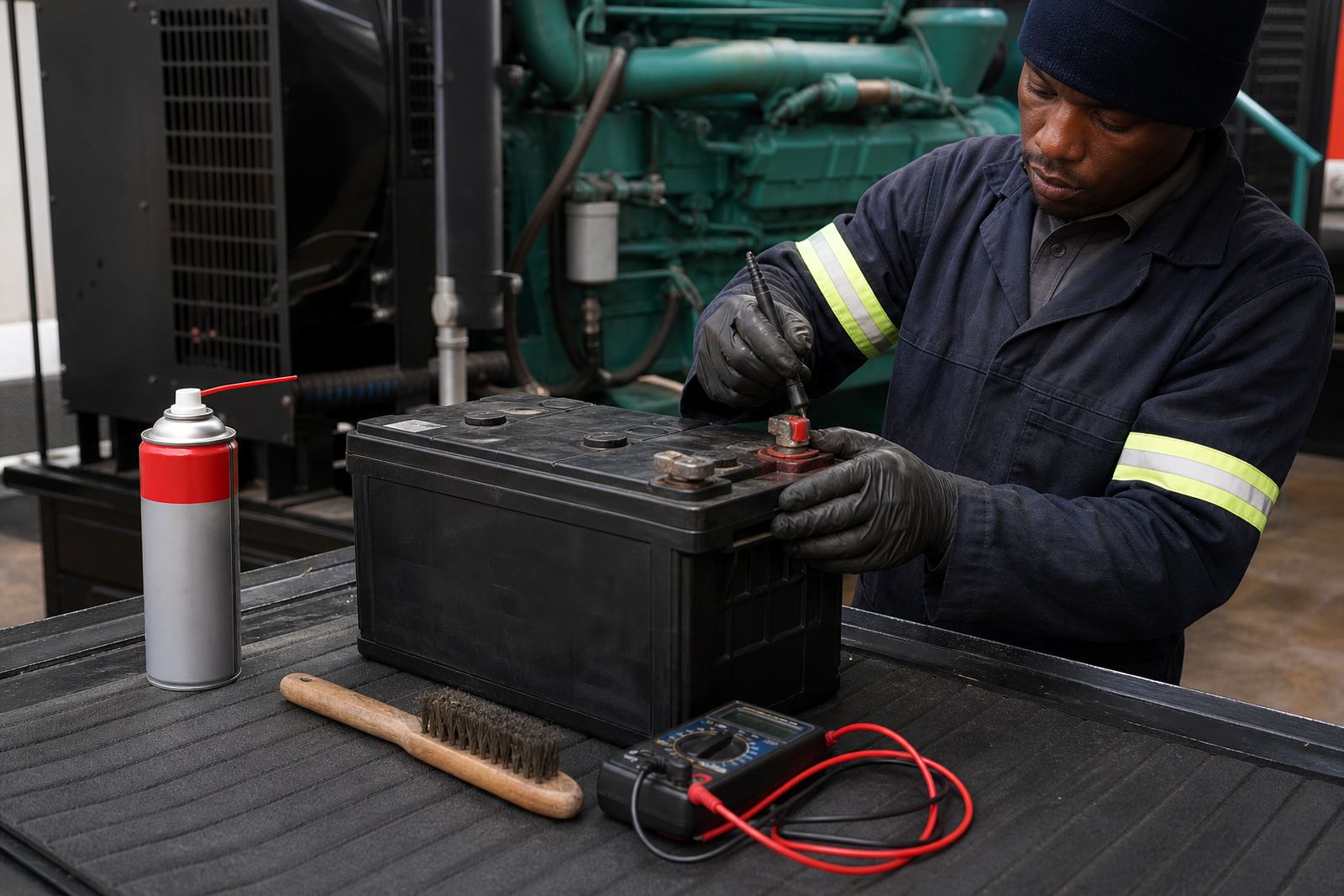
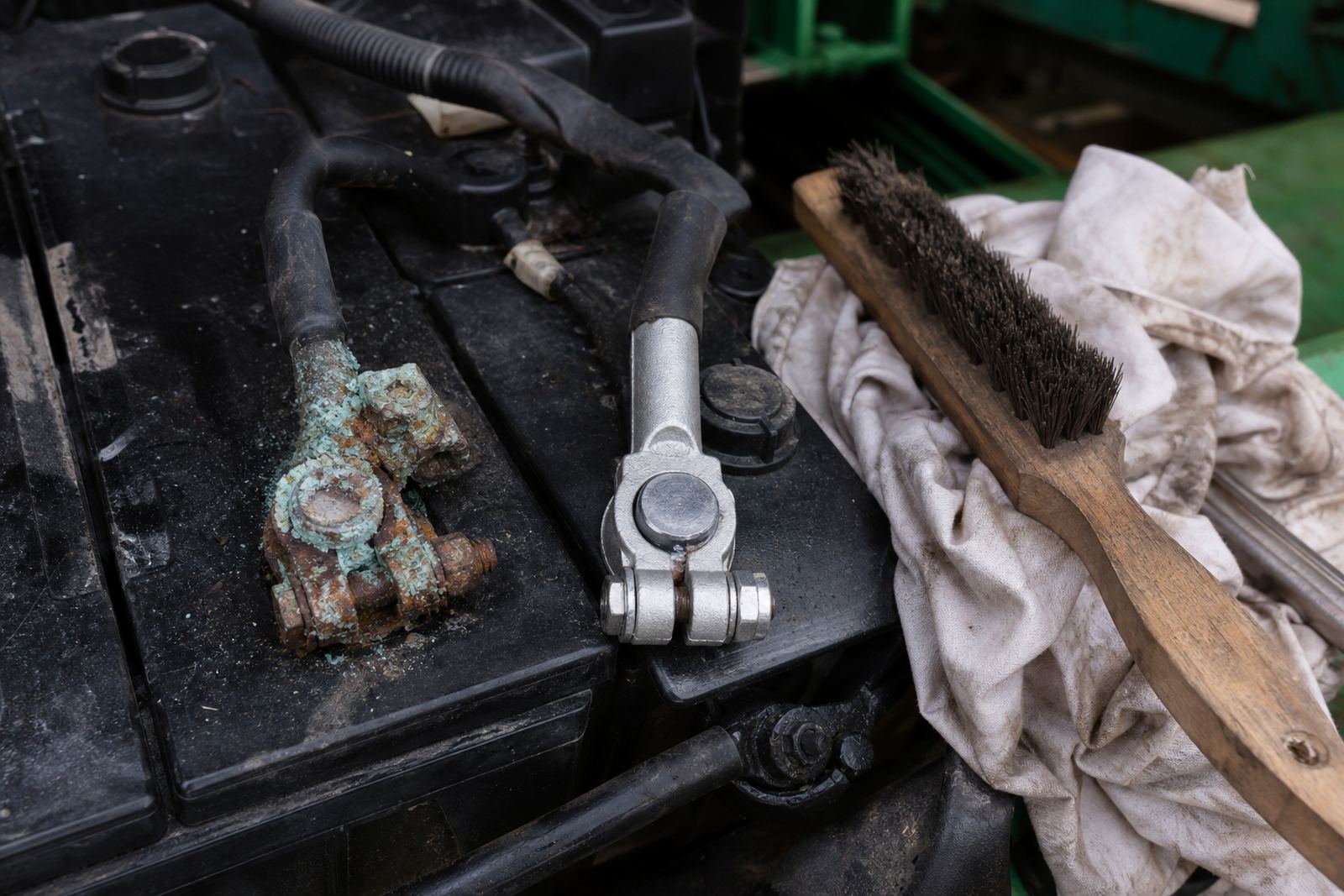
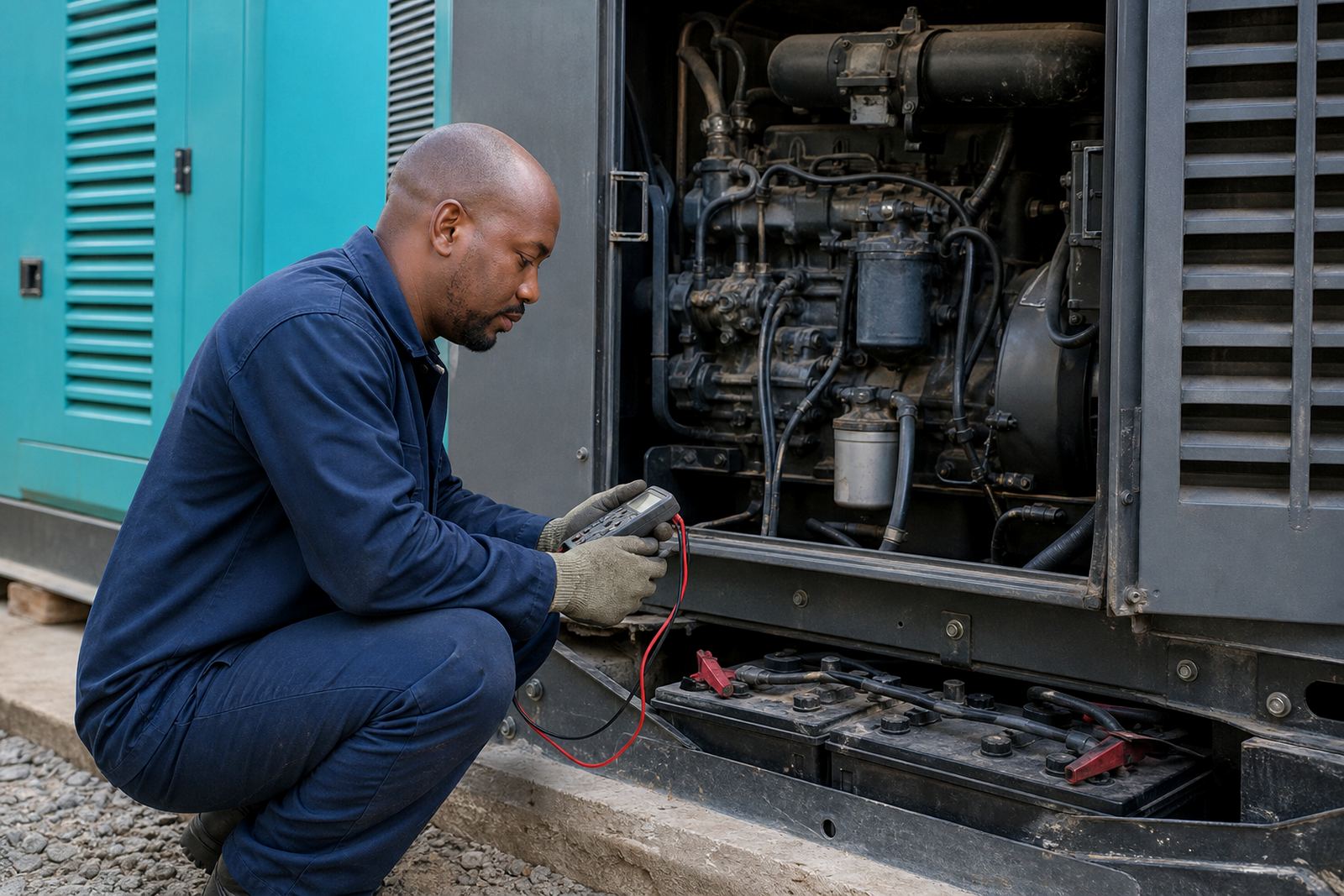
- Battery testing, terminals, charging health and starting performance
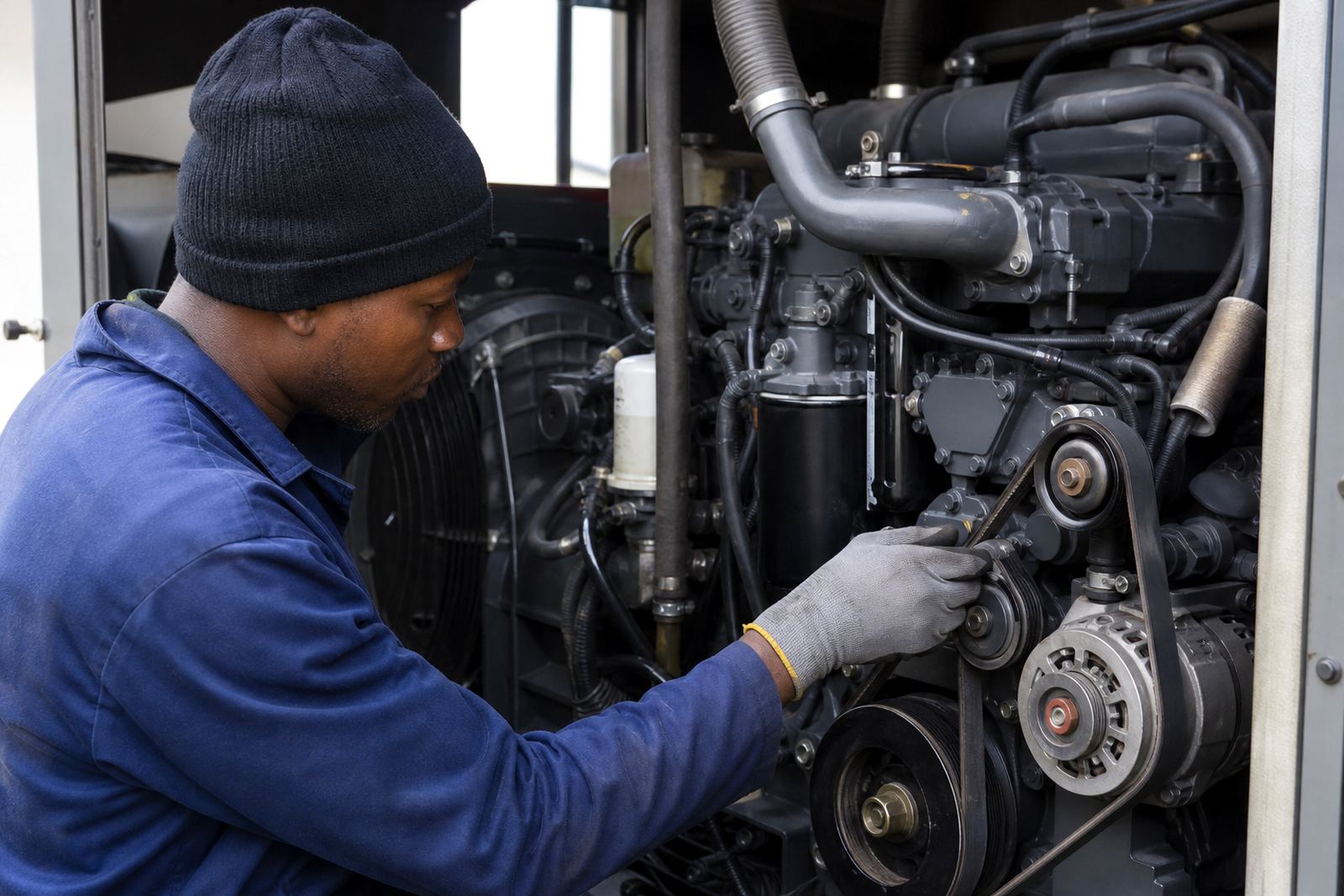
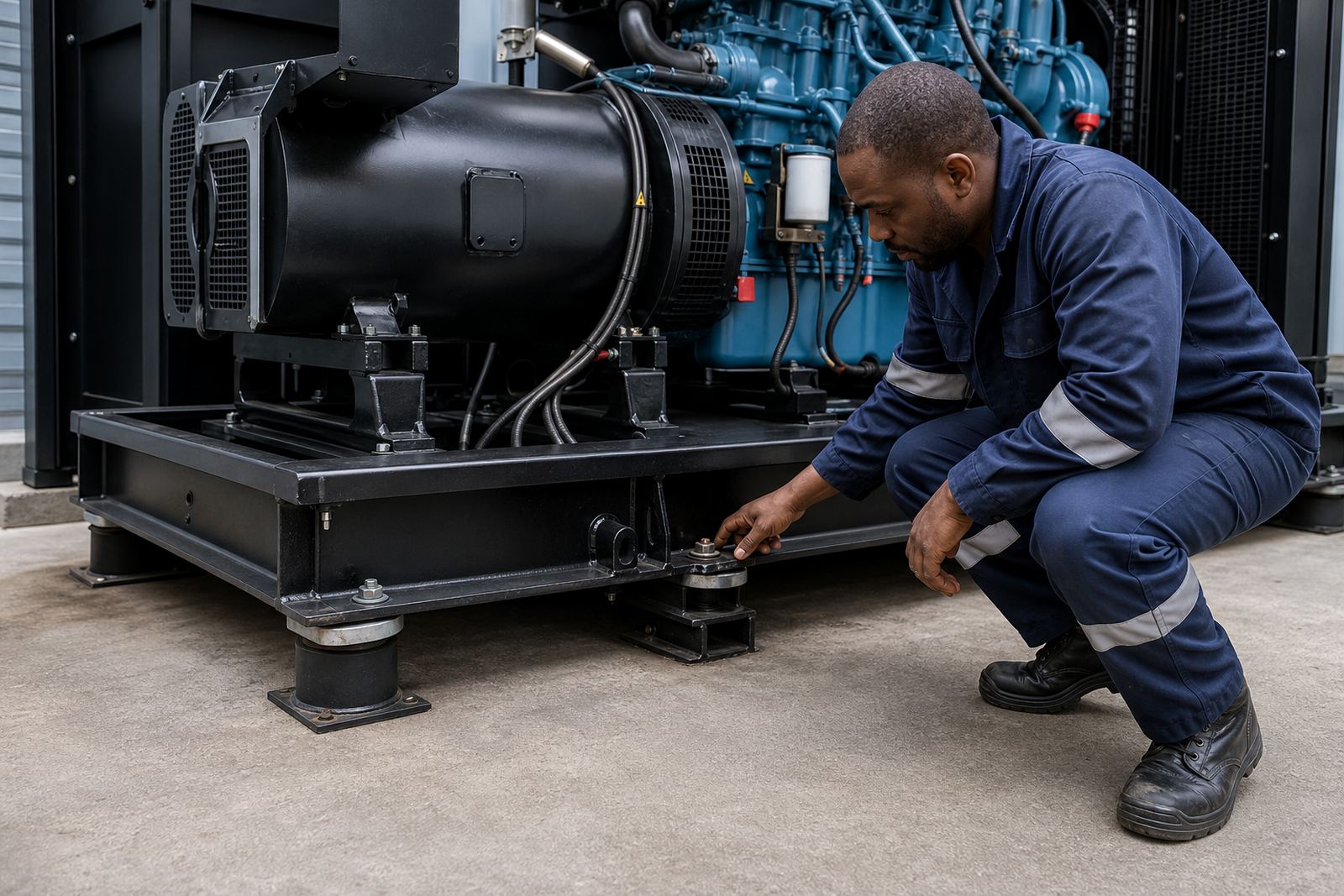
- Leak checks, belt condition and general fastening
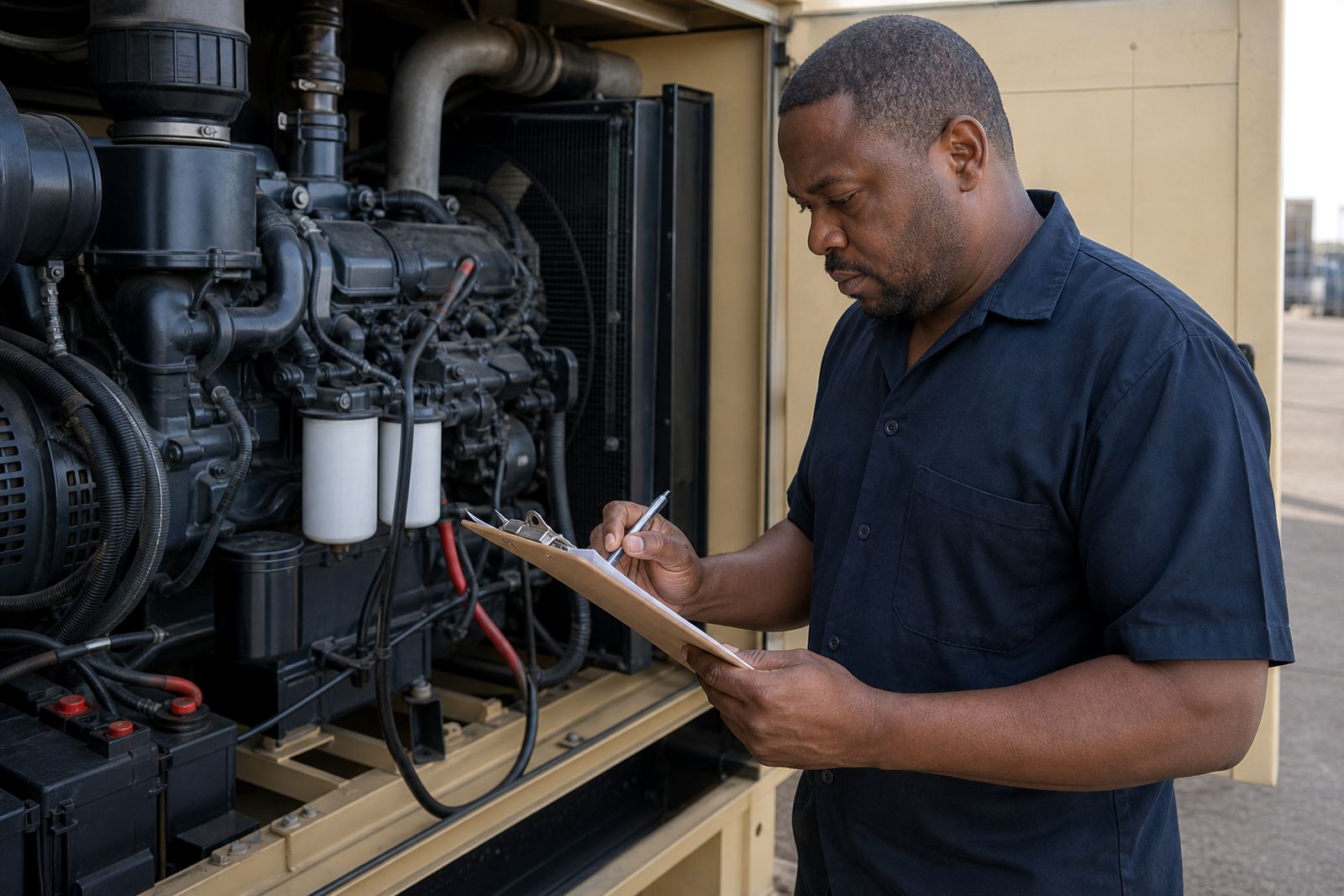
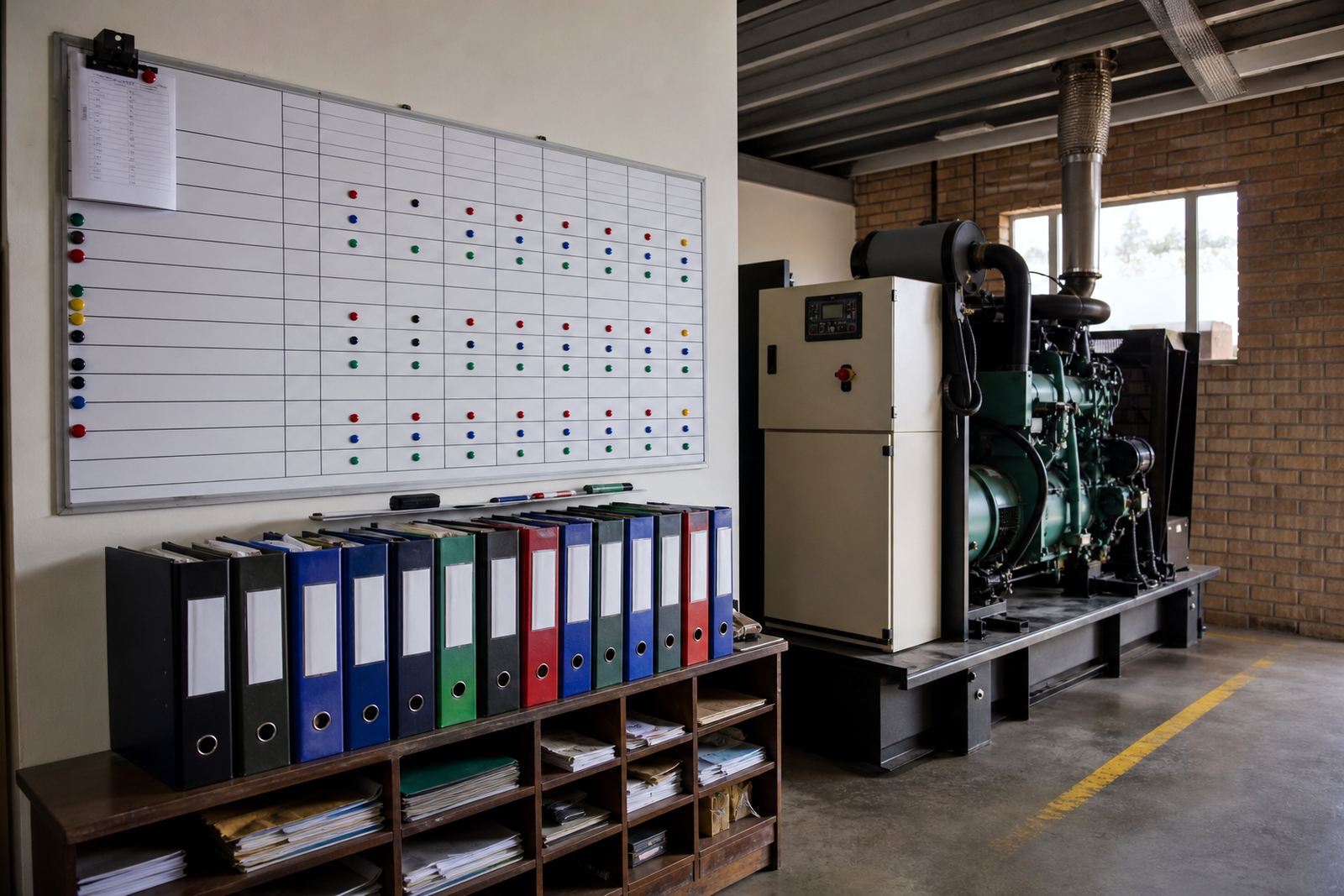
Good servicing records help track repeat faults, missed intervals and parts that wear faster in dusty areas or coastal humidity.
Why load bank testing matters when the site still looks fine
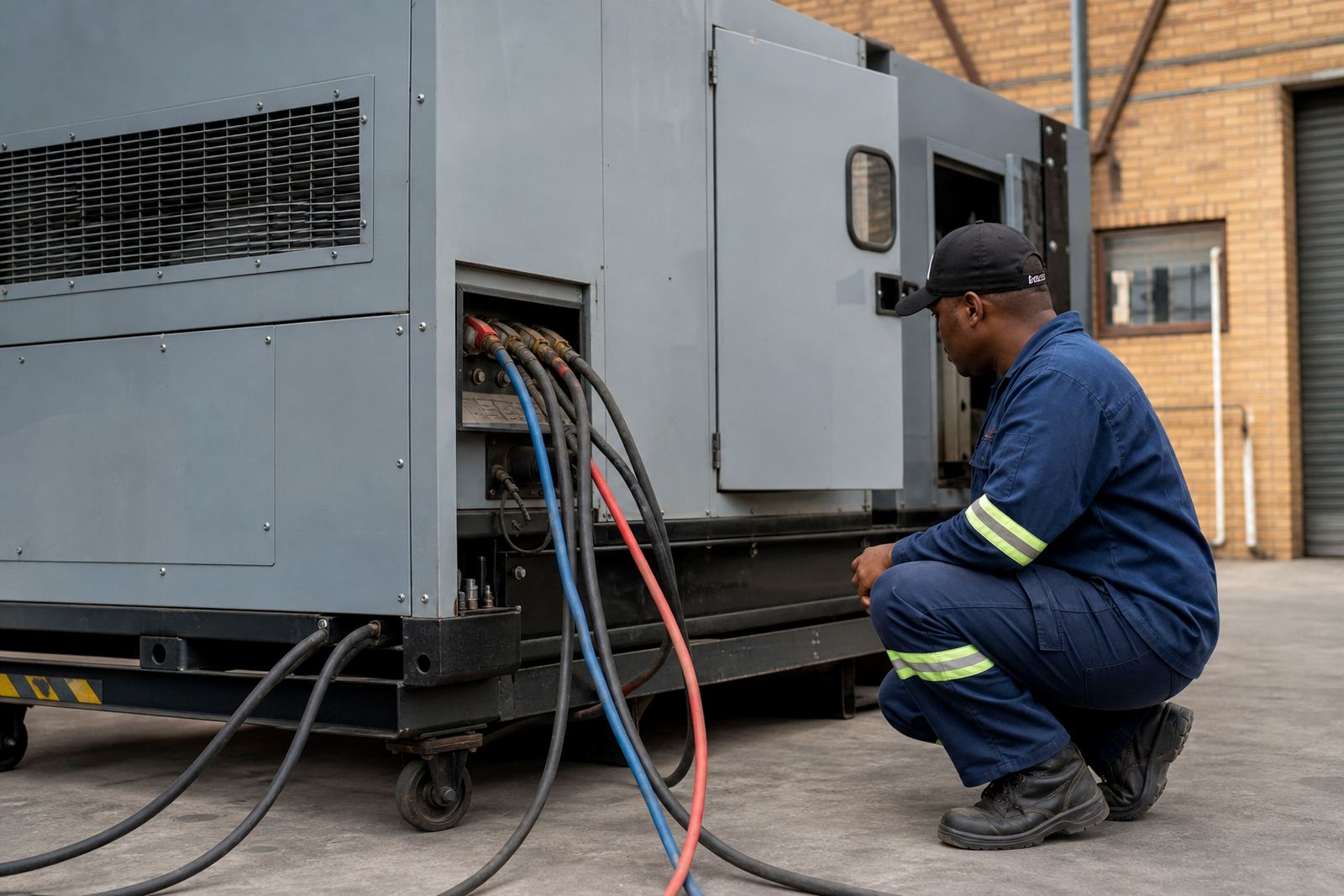
A generator can appear healthy on a short start test and still struggle under real demand. Load bank testing puts a controlled load on the set so the engine, alternator and cooling system are checked under working conditions instead of idle conditions. That is especially useful for commercial buildings, process sites and facilities with critical changeover requirements.
Testing also helps reveal issues that only show up under pressure, such as weak fuel delivery, overheating, unstable voltage control or poor recovery after a load step. It is a practical check for owners who want proof that the set can carry the site when the grid fails.
- Confirms the generator can hold rated load for the expected period
- Finds hidden faults before a real outage
- Supports service record audits and compliance files
- Helps identify undersized cooling or tired batteries
Changeover switches and the small faults that cause big interruptions
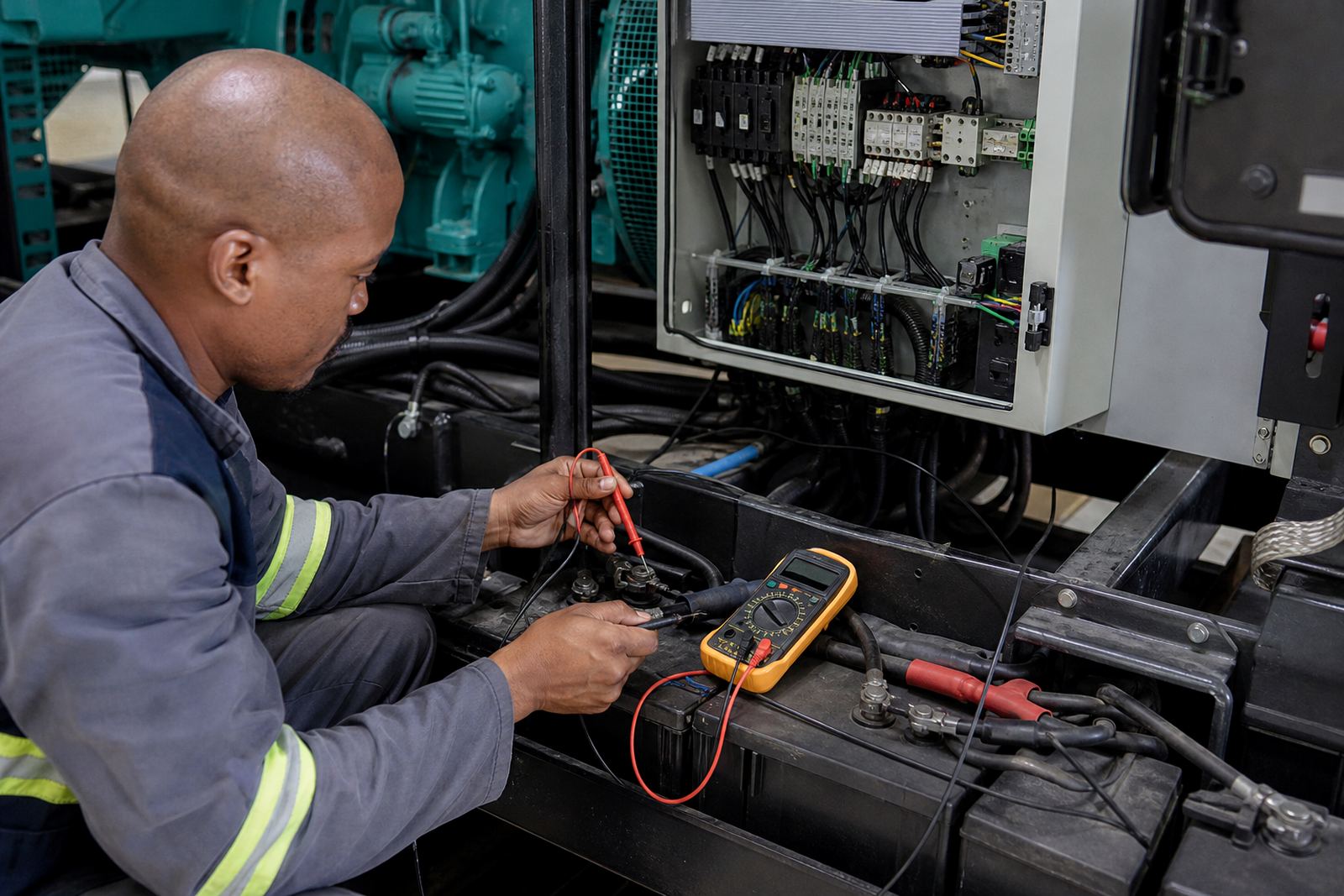
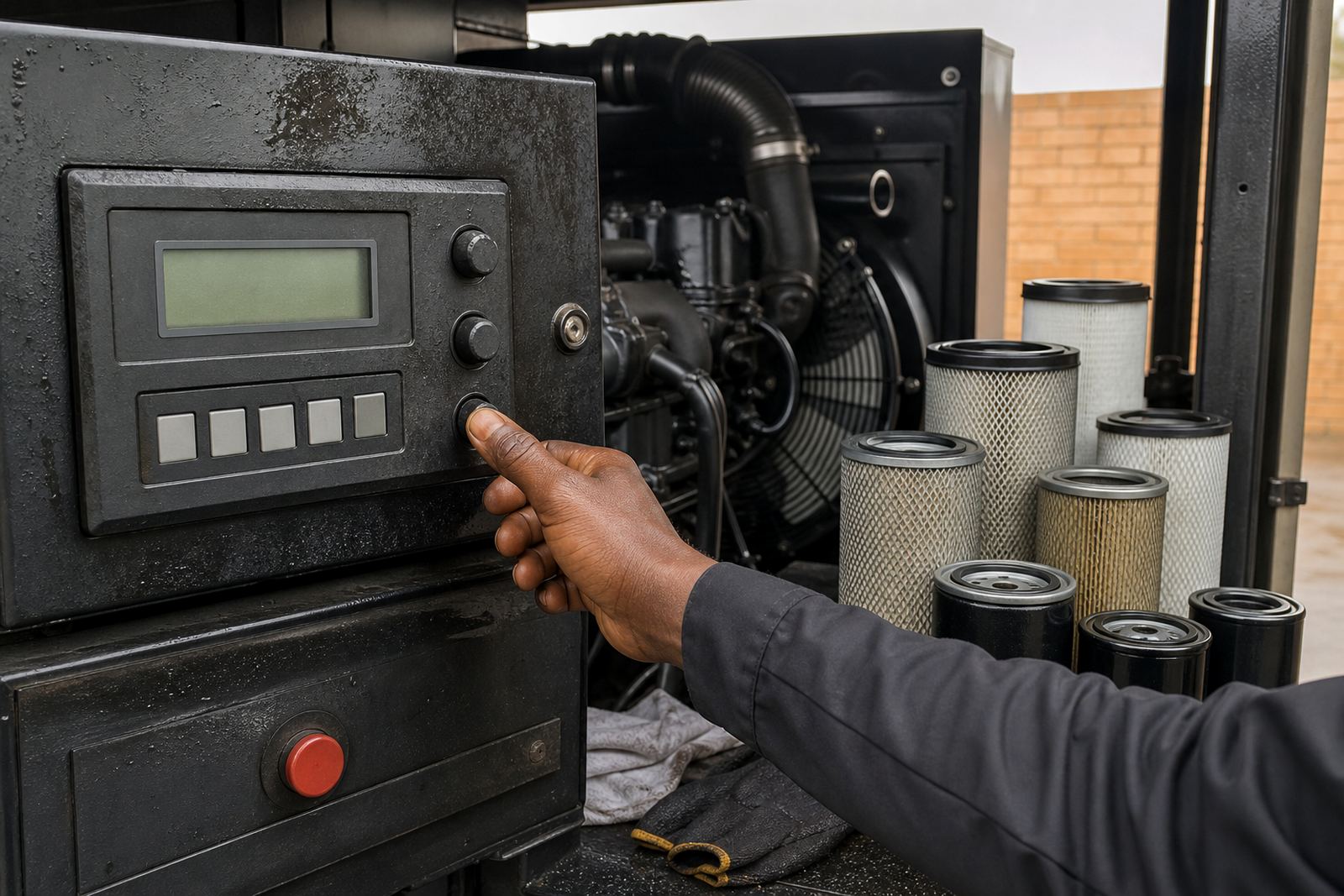
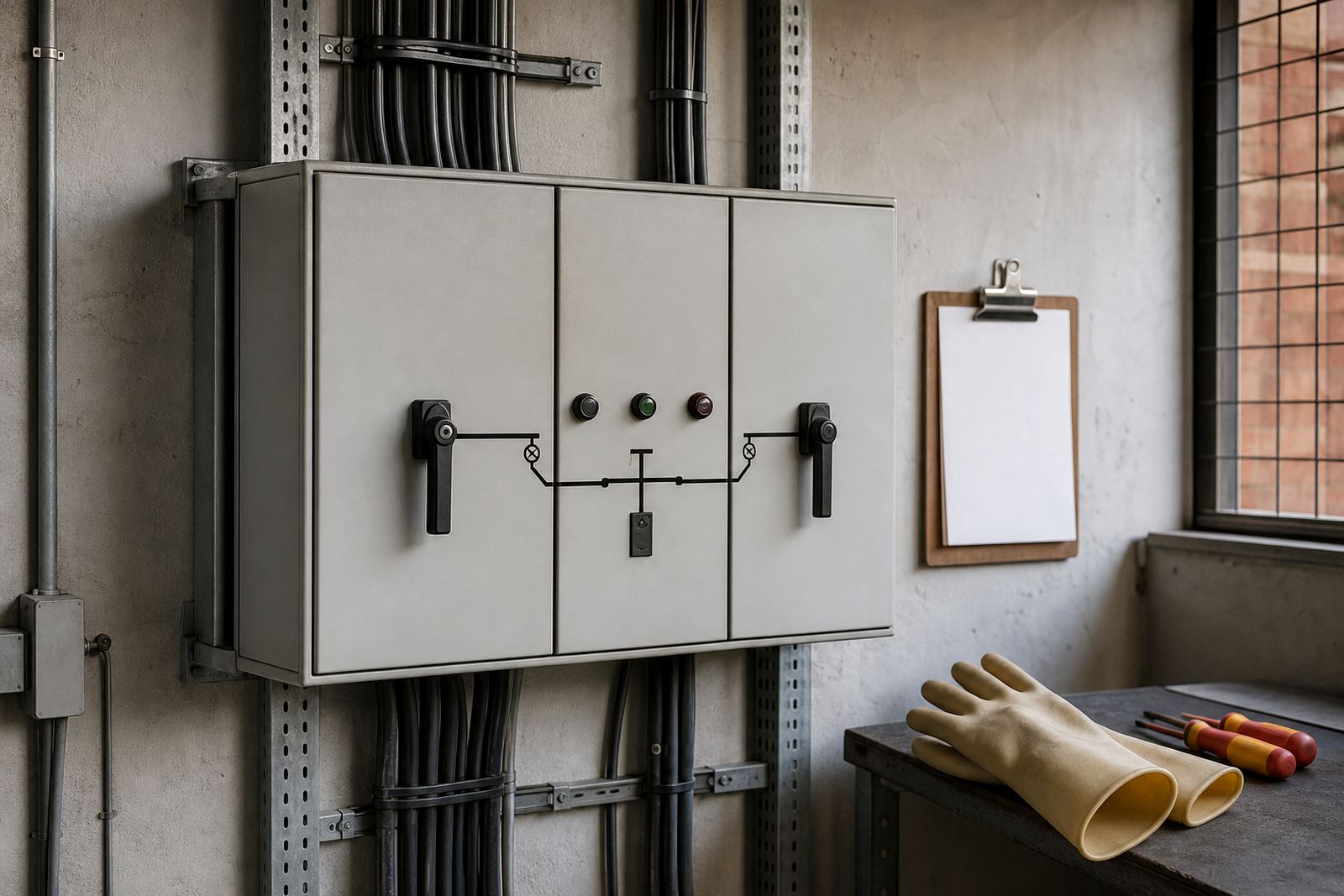
Many service requests start with the generator itself, but the problem is sometimes in the changeover switch or control side. If the switch does not transfer cleanly, a site may have a healthy machine but no supply to the building. That is why checks on transfer gear are part of a proper maintenance contract.
Common warning signs include slow transfer, burnt smell at the panel, irregular response during test runs, and breakers that trip without a clear reason. These are not items to leave for later. They need proper fault finding by qualified people who understand the controls, protections and local wiring rules.
Fuel, starting and cooling issues that keep recurring
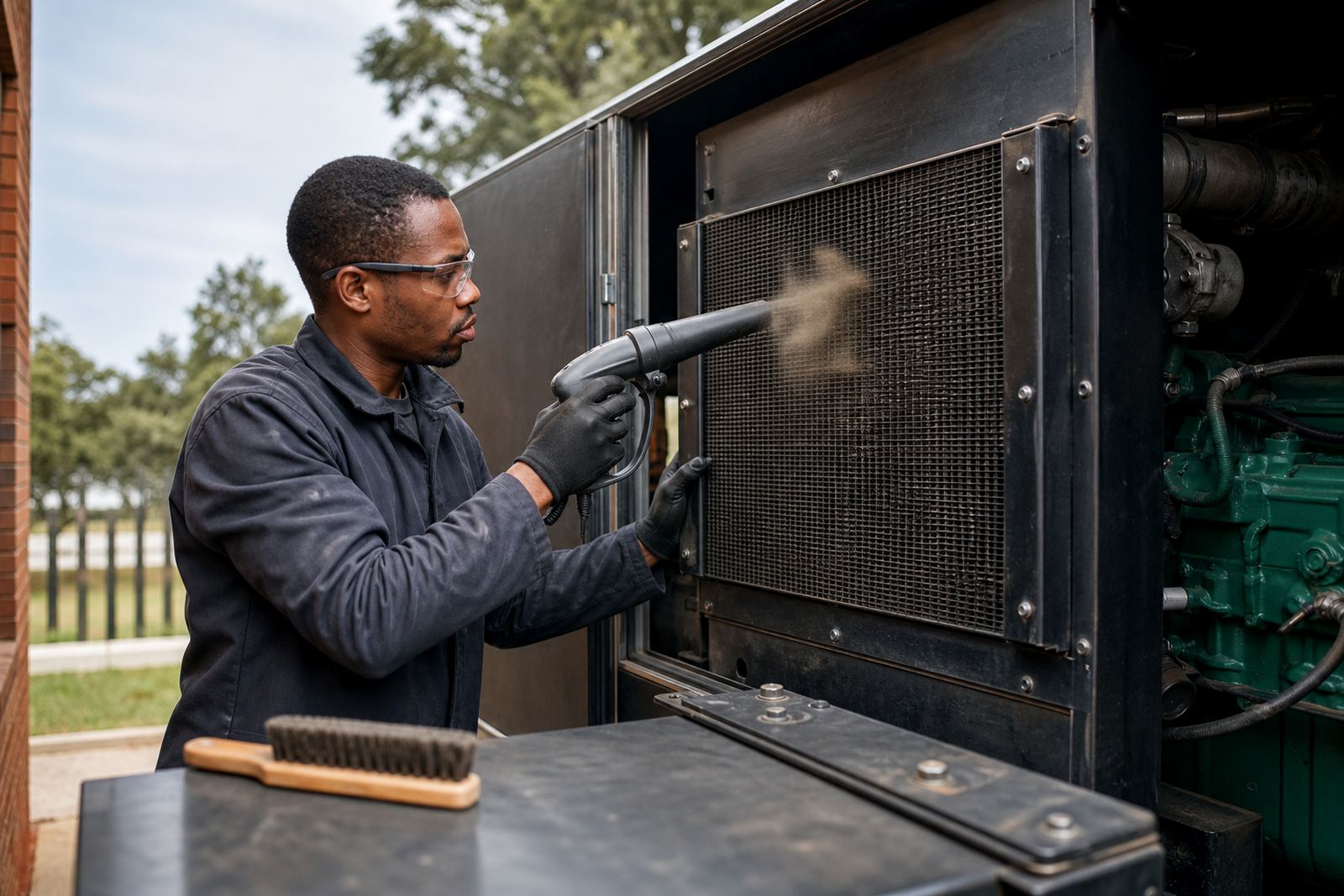
Fuel and starting problems are often linked. Dirty fuel, blocked lines, air in the system or a tired starter can all create unreliable starts. Cooling faults are just as common, especially on sites where radiator fins clog with dust or the coolant is never checked properly. In the Highveld, temperature swings can expose weak hoses and fittings faster than expected.
For prime power operations, the note is not just whether the unit runs, but whether it can run repeatedly without overheating, hunting or losing output. The best maintenance plans treat fuel system repairs, starter system repairs and coolant checks as part of one support chain, not separate jobs.
Choosing between a one-off service note and a full contract
Some sites only need a one-off inspection after a fault. Others need a fixed maintenance contract with scheduled visits, service record audits and emergency support across more than one branch. If you manage properties in Johannesburg, Pretoria, Sandton or Polokwane, a contract is often easier to plan because the service intervals and reporting stay consistent.
RelGen supports standby and prime generators on maintenance contracts across South Africa, with a Midrand base and field coverage for Johannesburg, Pretoria, Durban, Cape Town and surrounding business areas. The right choice depends on how critical the load is, how often the unit runs, and whether the site needs preventive site inspections as well as emergency callouts.
- Choose scheduled servicing if the unit starts regularly and the risk is moderate
- Choose a contract if downtime would affect production, tenants or service delivery
- Choose regular audits if previous records are incomplete or the site has changed hands