The quiet risks hiding in a lightly used set
Many business owners in Midrand and Sandton assume a standby generator is fine if it has not logged many running hours. In practice, low use can hide problems rather than prevent them. Oil still breaks down with time, filters still collect dirt, coolant still loses effectiveness and batteries still age whether the machine runs or not.
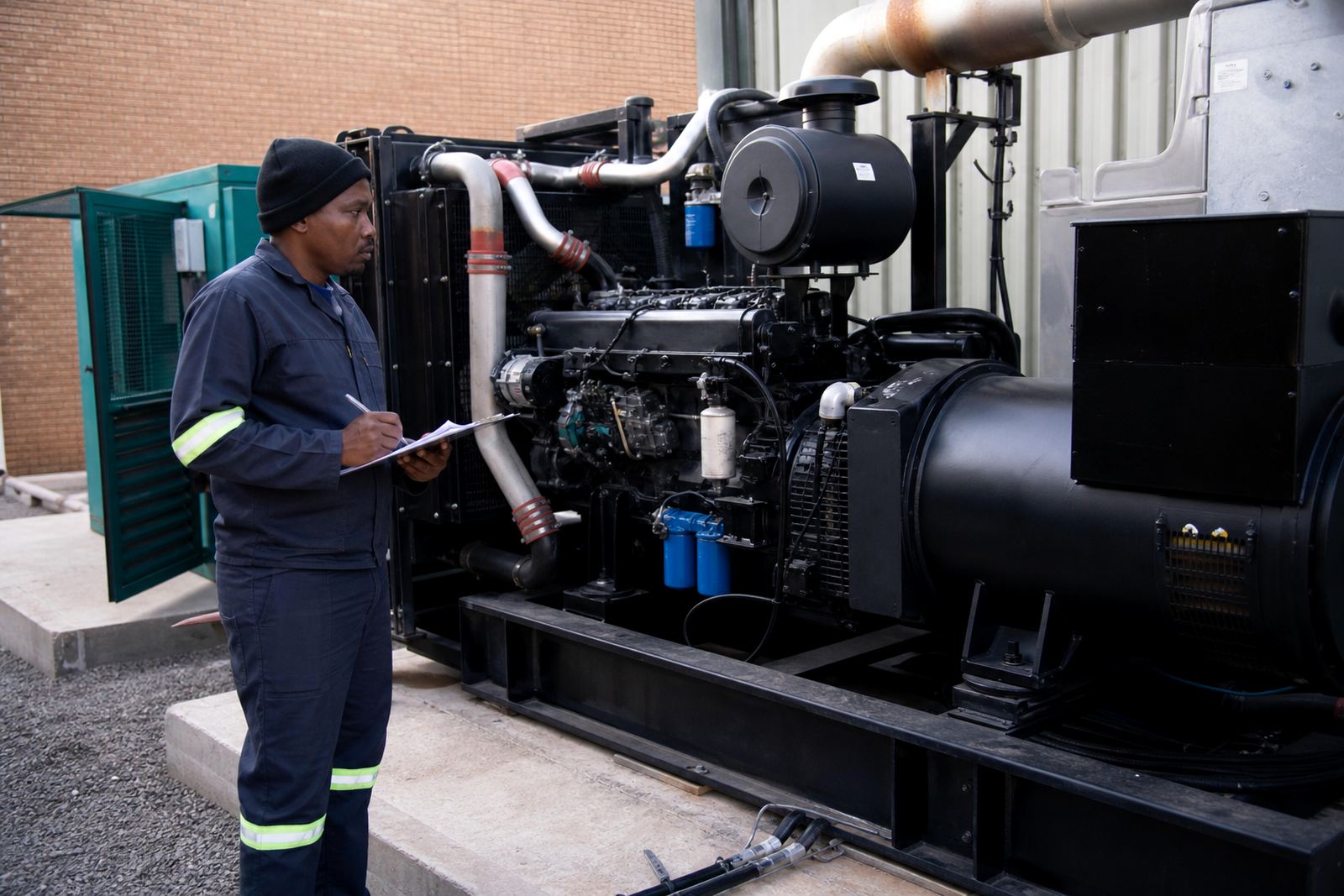
On standby sets, the bigger risk is often inactivity. Seals can dry out, terminals can loosen, fuel can degrade, and control panels can sit for months without being checked. A machine that starts once in a while may seem dependable, but the real test is whether it will pick up a live load on a wet Monday morning when the municipal supply drops out.
- Oil can become acidic even when the engine has few hours on the clock.
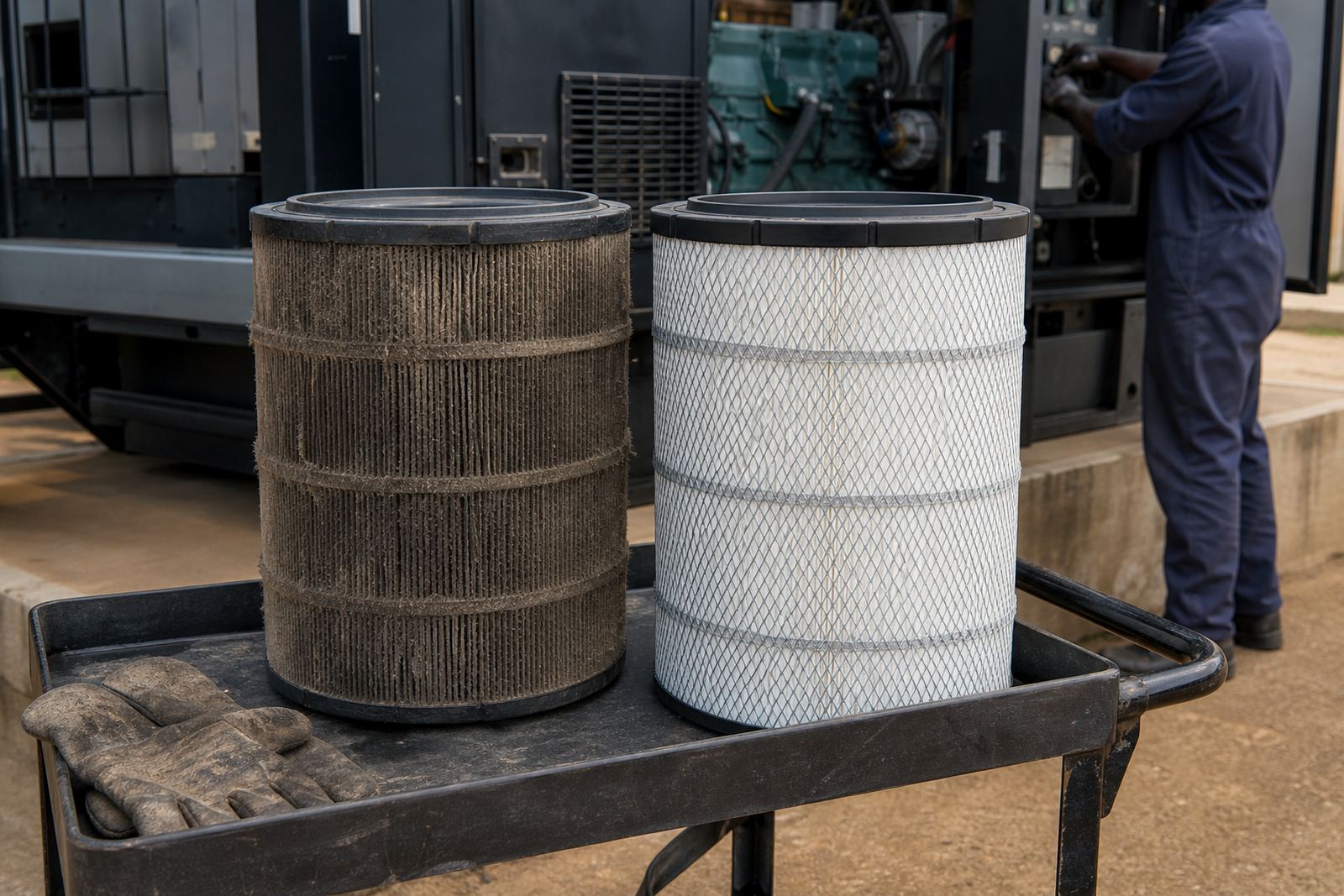
- Air, fuel and oil filters can clog from dust, condensation and storage conditions.
- Batteries can sulphate or lose reserve capacity without warning.
- Cooling systems can corrode or clog if coolant service is delayed.
Why batteries and starters fail first on standby units
Battery failure is one of the most common causes of no-start callouts on low hour generators. A battery may show enough voltage on a quick check, yet still fail when the starter motor demands current. That is why proper battery testing should go beyond a casual glance at the terminals.
Starter systems also suffer when a unit is left idle. Cables loosen, solenoids stick and corrosion builds up on connections. In coastal areas like Durban and Cape Town, humidity speeds up that process. In Gauteng, dust and heat can still do damage, especially on plant sites where equipment sits outdoors or near workshops.
- Test battery condition under load, not just open-circuit voltage.
- Inspect terminals for white or green corrosion.
- Check charging alternator output during a running test.
- Confirm the starter engages smoothly and does not drag.
Fuel, coolant and filters do not wait for a busy season
Fuel systems on lightly used generators are often overlooked because the set does not consume much diesel. That is exactly why problems develop quietly. Diesel can degrade, microbial growth can form in stored fuel and water can settle in tanks. If the set is only started for short periods, those contaminants may not be noticed until the engine begins to hunt or trip.
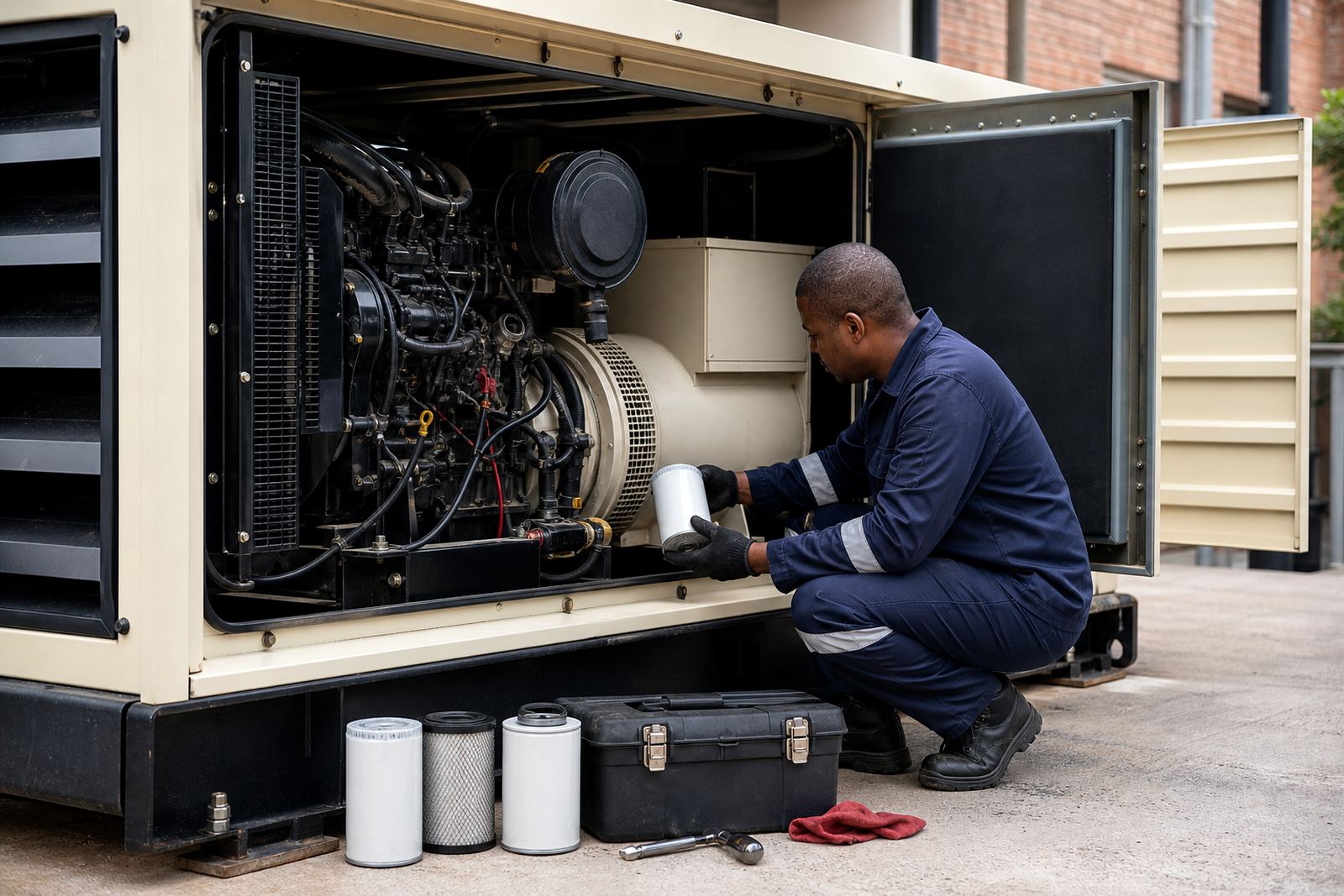
Coolant service is equally important. Coolant does not only control temperature, it also protects against corrosion and scale. Old coolant can leave the radiator, hoses and water pump less protected. Oil and filter changes still matter too, because age and contamination do not stop just because the hour metre is low.
For businesses in Polokwane or Pretoria with standby sets on maintenance contracts, a sensible schedule often includes:
- oil and filter changes at time based intervals, not only hour based intervals
- coolant checks for level, concentration and signs of rust
- fuel system inspections for leaks, contamination and blocked lines
- replacement of clogged filters before they cause restricted flow
Load bank testing shows the truth that idle running cannot
A generator may start and idle well, then fail once real demand is applied. That is why load bank testing is so important for low hour units. It proves the engine, alternator and control system can carry a realistic load for an extended period, not just tick over during a brief monthly start.
During a proper test, technicians can spot issues such as poor voltage regulation, overheating, weak batteries, fuel starvation and carbon build-up. For prime generators used on business sites across South Africa, this is a practical way to verify that the machine can meet demand when grid supply is unstable or when operations are running continuously.
- Checks performance under stepped loads and steady load periods.
- Helps clear light carbon deposits from regular low-load running.
- Reveals hidden faults before a real outage exposes them.
- Supports better maintenance records for audits and site reporting.
Changeover gear needs attention as much as the generator itself
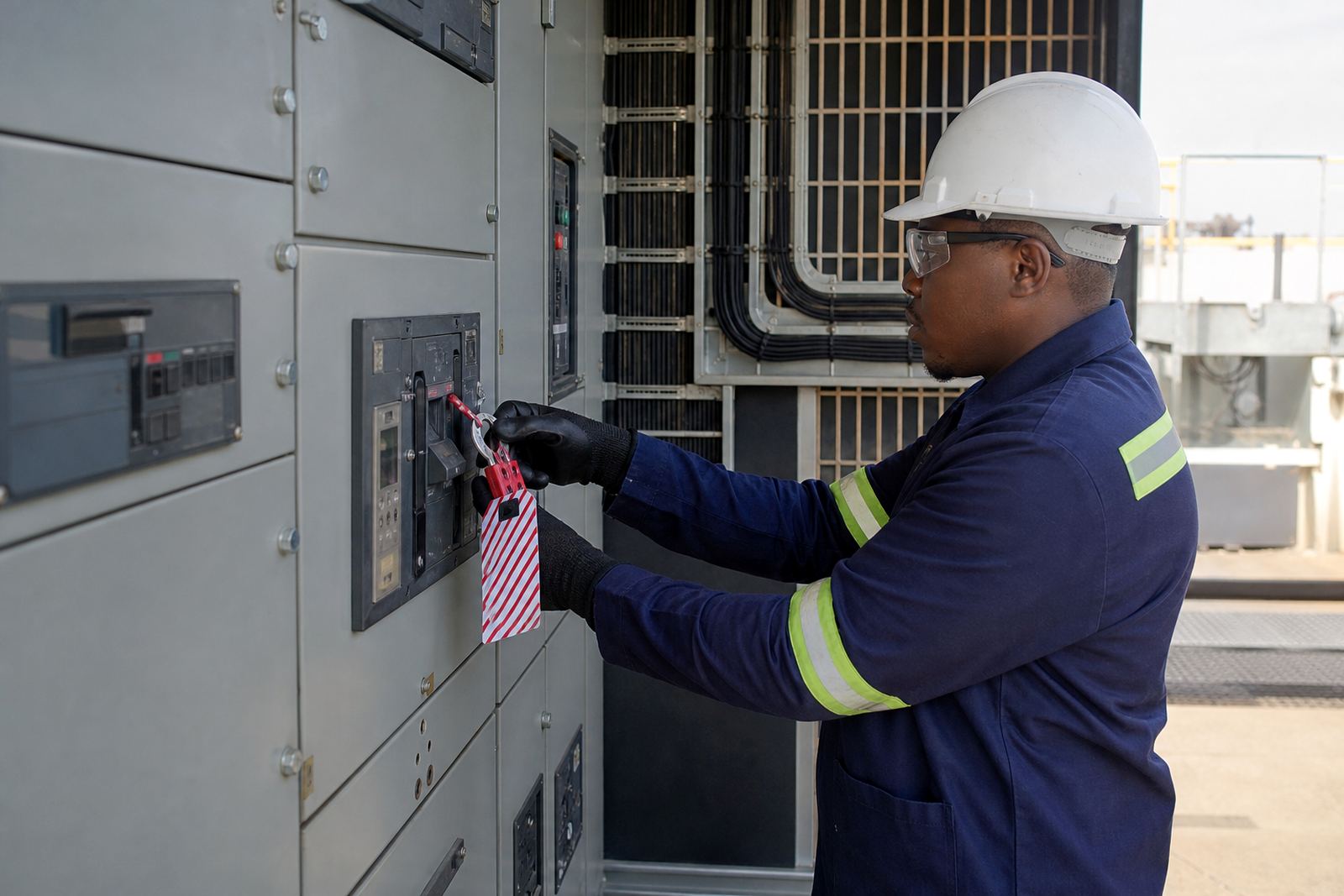
It is easy to focus only on the engine and forget the changeover switch. On a low hour installation, the transfer gear can sit untouched for long stretches, then fail at the worst moment. Contacts can wear, control wiring can loosen and automatic changeover functions may not respond as expected after months of sitting idle.
Electrical work must be done by qualified people under local regulations, because a generator installation is not only a mechanical machine, it is a live electrical system. That includes inspection of changeover switches, control settings and protection devices. A correct service also checks fault finding records, service logs and any signs of overheating at terminals or bus connections.
For sites in Centurion, Johannesburg and Durban, this matters when power interruptions are short but frequent. A transfer switch that hesitates for even a few seconds can disrupt IT equipment, cold storage, security systems or production lines.
A Midrand example that shows why low hours are not enough
A business in Midrand with a standby generator used it only during load shedding and a few test runs. The hour metre was still low, so the team assumed there was little to worry about. During a maintenance visit, the battery test showed weak reserve, the coolant had started to deteriorate and the load bank test exposed a fuel restriction that would have caused trouble under real demand.
The fault was not dramatic, and that is the point. Low hour systems often fail in small ways first. A slow crank, a warm running fault or a transfer delay can be easy to ignore until the whole site is waiting in the dark. Routine servicing gives you time to correct those issues before they become an outage.
- Monthly or quarterly inspections catch wear early.
- Service record audits show patterns that one-off checks miss.
- Emergency callouts cost less headache when the underlying plan is current.
- Preventive site inspections help match service intervals to actual operating conditions.
What a sensible maintenance contract should cover
A practical maintenance contract is not only about changing oil on a set date. It should account for the age of the generator, the site conditions, the duty cycle and how often the unit is expected to carry load. A business park in Sandton will not have the same pattern as a construction site in Polokwane or a manufacturing plant in Pretoria.
At minimum, low hour generators still need scheduled servicing, fault finding when something sounds off, starter system repairs when cranking becomes sluggish and regular checks on fuel, cooling and changeover equipment. That is how lightly used sets stay ready. Not because they run often, but because they are treated like critical equipment, not back up furniture left in a corner.