Why a generator problem can become an electrical problem fast
A standby or prime generator is often blamed for a power outage, but the fault is not always mechanical. Loose terminations, damaged control wiring, a failing changeover switch or incorrect protection settings can stop a set from carrying load when the building needs it most. In a plant environment, that can interrupt production, damage sensitive equipment and create a real safety risk for staff on site.
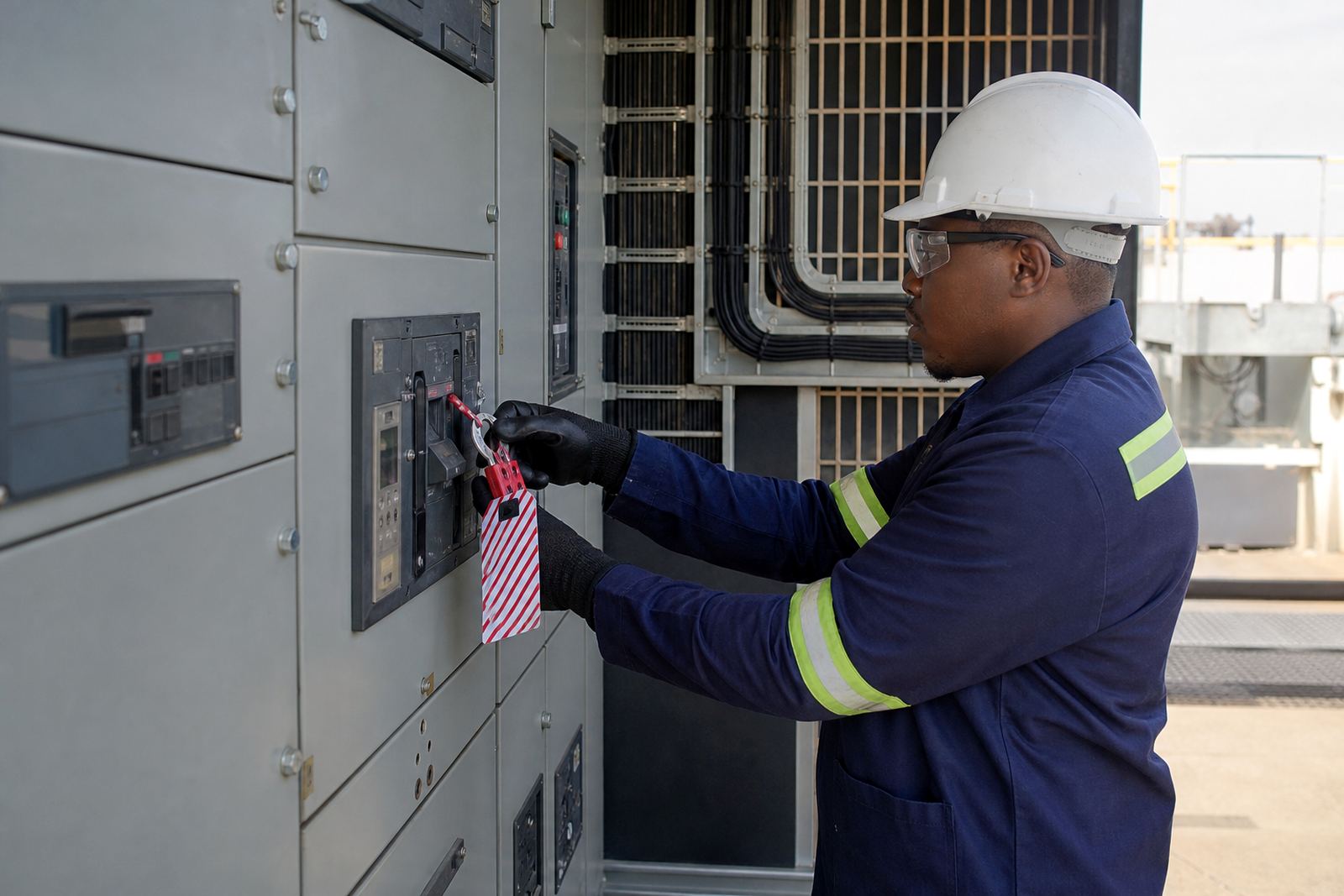
That is why electrical work around generator installations must be handled by qualified people who know the local rules and the limits of the equipment. It is not just about getting the lights back on. It is about making sure the installation is safe to operate, properly isolated before work starts, and tested again before it is returned to service.
What qualified work covers on a generator site
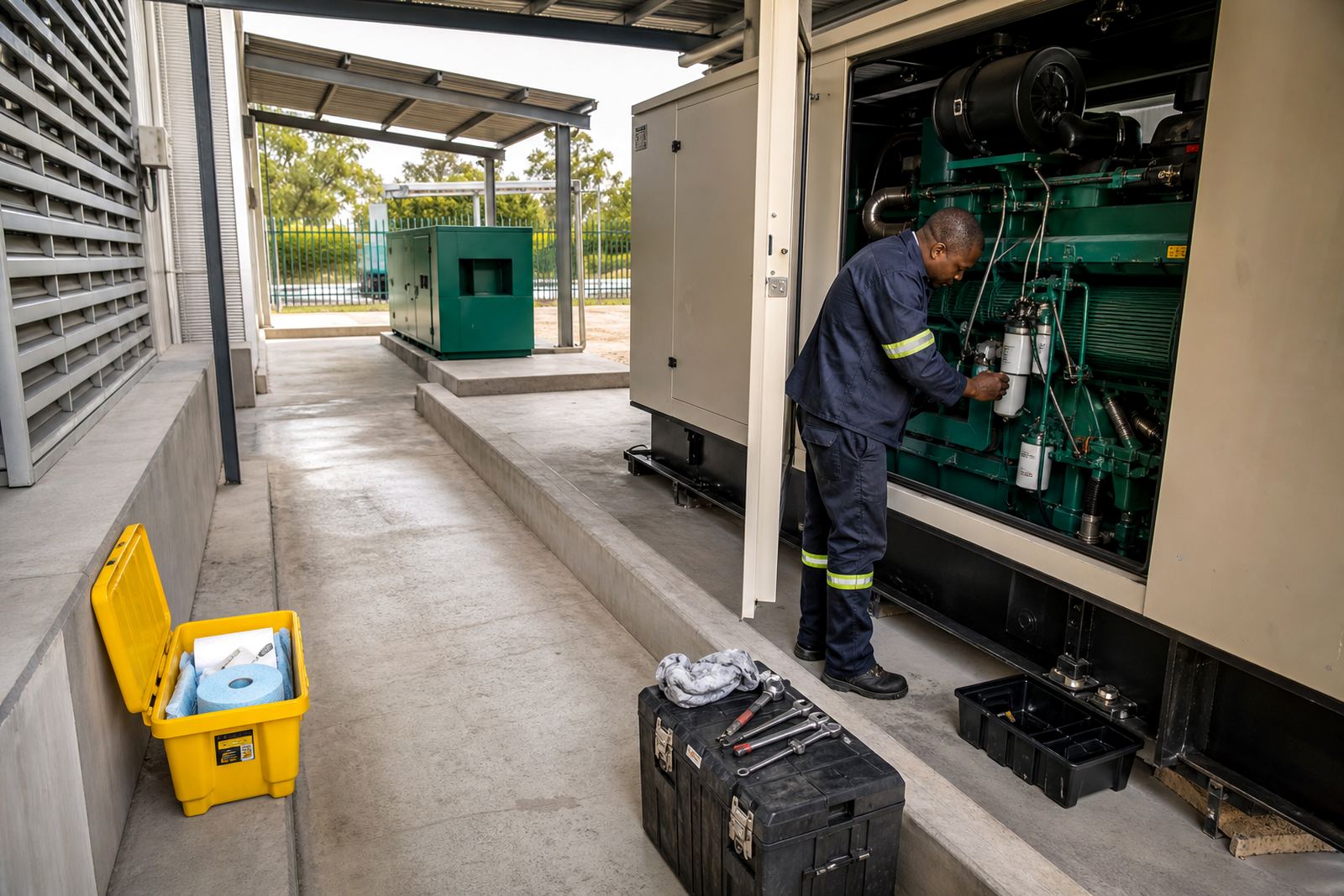
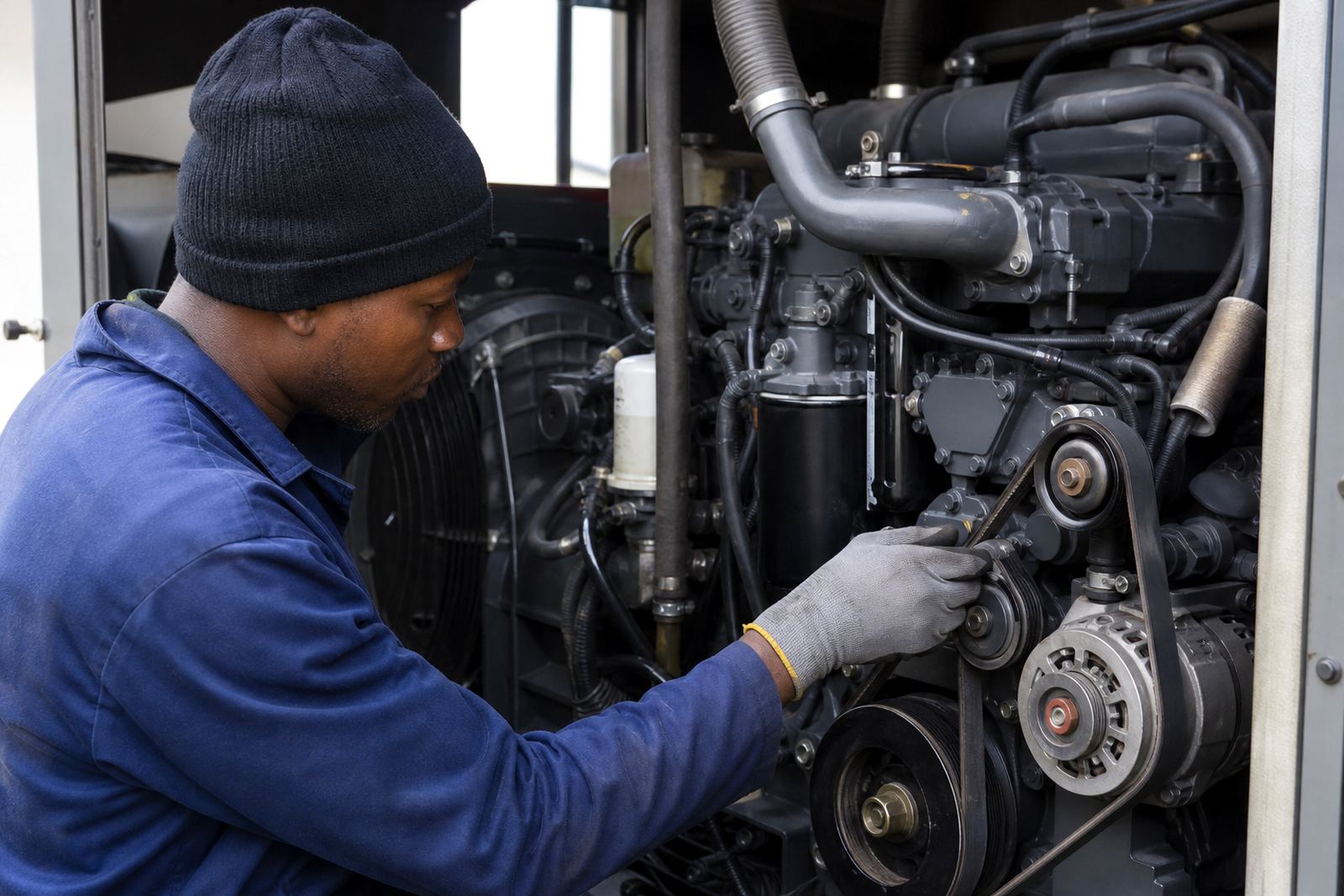
Generator servicing is not only oil and filters. The electrical side includes battery testing, starter circuit checks, control wiring inspection, load bank testing, changeover switch checks and fault finding on alarms or shutdowns. Each of those tasks needs a careful method, because a small wiring error can lead to nuisance trips or a set that refuses to start during load-shedding or a utility failure.
- Inspecting the battery charger, terminals and start circuit
- Testing alternator connections and control wiring for wear or heat damage
- Checking manual and automatic changeover switches for correct operation
- Verifying protection settings, alarms and shutdown functions
- Recording readings after tests so changes are traceable
On some sites the issue is not the generator itself but the interface between the set and the building. That is where qualified electrical work matters most, because the fault may sit in the transfer gear, the cabling or the control panel rather than the engine room.
The legal line that protects people and property
Electrical installations in South Africa are governed by local regulations and must be handled by people who are trained to work within those rules. For generators this matters because the unit connects to the building distribution, the earthing arrangement and, in many cases, an automatic changeover system. If any of those parts are handled incorrectly, the risk is not just downtime. It can be electric shock, fire, or damage to the site’s electrical system.
Qualified technicians also know when to stop and escalate. If a site needs alterations to the changeover arrangement, cable sizing, protection devices or earthing checks, that work must be done properly and documented. A quick fix by an unqualified person may appear to solve the problem but it can leave hidden defects behind. Those defects tend to show up when the load is heavy, or when the municipal supply drops without warning.
- Safe isolation before any inspection or repair
- Proper testing before and after work is completed
- Documentation of readings, findings and corrective action
- Clear handover so the client knows what was changed
A Midrand site lesson from a Monday morning outage
A manufacturing site in Midrand can look fine on Sunday evening and still have a serious issue by Monday morning. One practical example is a warehouse where the generator starts but the building does not transfer to backup supply. The first reaction is often to suspect the engine. In practice the fault may be a worn contactor, a failed control relay or a changeover switch that has not been maintained properly.
In that situation, qualified electrical work saves time because the technician can trace the fault methodically rather than replacing parts at random. They can test the supply side, the generator side and the control logic separately, then confirm the set transfers correctly under load. If the site uses three-phase equipment or has critical process loads, that testing must be done with care, not guesswork. The difference between a safe repair and an unsafe one can be a single loose conductor or a setting that was altered without record.
What regular electrical checks prevent later on
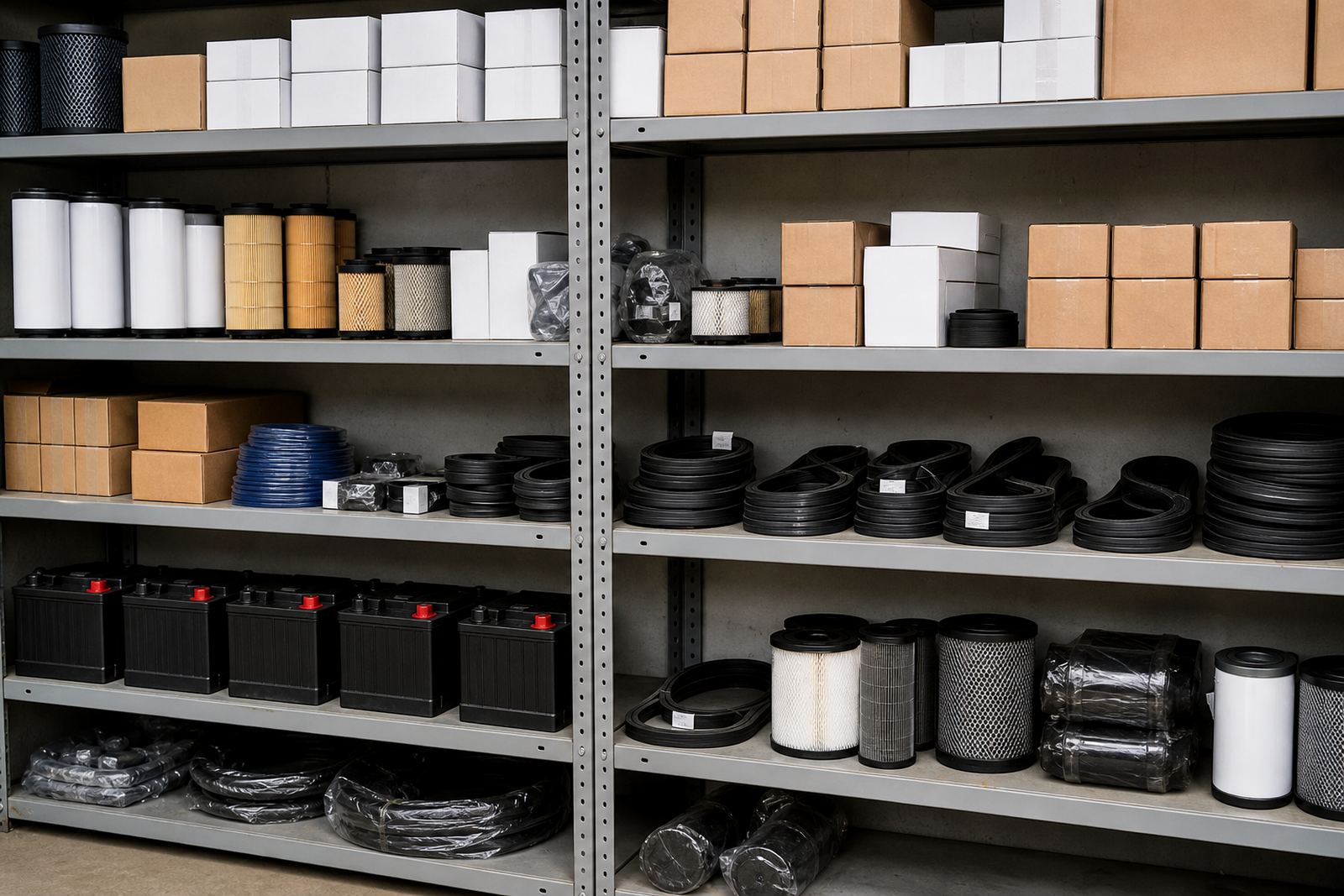
Generator maintenance contracts work best when the electrical side is checked as part of the routine, not only after a breakdown. Batteries age, terminals loosen, control relays wear and load paths heat up over time. Coastal humidity can speed up corrosion on exposed connections, while Gauteng dust and vibration can affect panels and terminals in busy plant rooms. Scheduled checks help catch those issues before they stop the unit from starting.
For sites in Johannesburg, Pretoria, Durban, Cape Town and Polokwane, the pattern is often similar even though the conditions differ. Some sites need closer attention to corrosion, others need stronger attention to battery condition or frequent load testing. A proper service plan should match the site, the running hours and the way the generator is used. It is not enough to listen to the engine and tick a box.
- Battery voltage and cranking performance
- Terminal tightness and signs of heat damage
- Control panel alarms, trips and fault history
- Changeover switch condition and operation
- Results from load bank testing under controlled conditions
When emergency repairs need electrical discipline
Emergency callouts usually happen at the worst possible time, often during a municipal outage, a storm or a planned utility interruption. In those moments the temptation is to rush. That is exactly when electrical discipline matters most. A qualified technician will isolate, test, repair and verify before handing the system back, even if the site manager is under pressure to restore power quickly.
RelGen supports standby and prime generator sites on maintenance contracts across Midrand, Sandton, Centurion and beyond, with scheduled servicing, service record audits, preventive inspections and fault finding. The point is not only to get a set running again, but to keep the electrical side compliant and dependable over the long term. If a changeover switch is sticky, a starter circuit is weak, or a battery bank is not holding charge, those issues need proper attention before the next outage hits.
What good electrical work feels like on site
Good electrical work is usually calm, methodical and well recorded. There is no drama, just clear checks and a proper return to service. The technician should explain what was tested, what was repaired and what still needs monitoring. That record matters for the next visit, especially on sites with several critical loads or multiple generators.
For businesses that depend on backup power, the real value of qualified electrical work is peace of mind. It protects staff, guards equipment and helps keep operations steady when the supply fails. And when a generator is maintained properly, the electrical side does not become the weak point that brings everything to a halt.