The small parts that slow a big machine
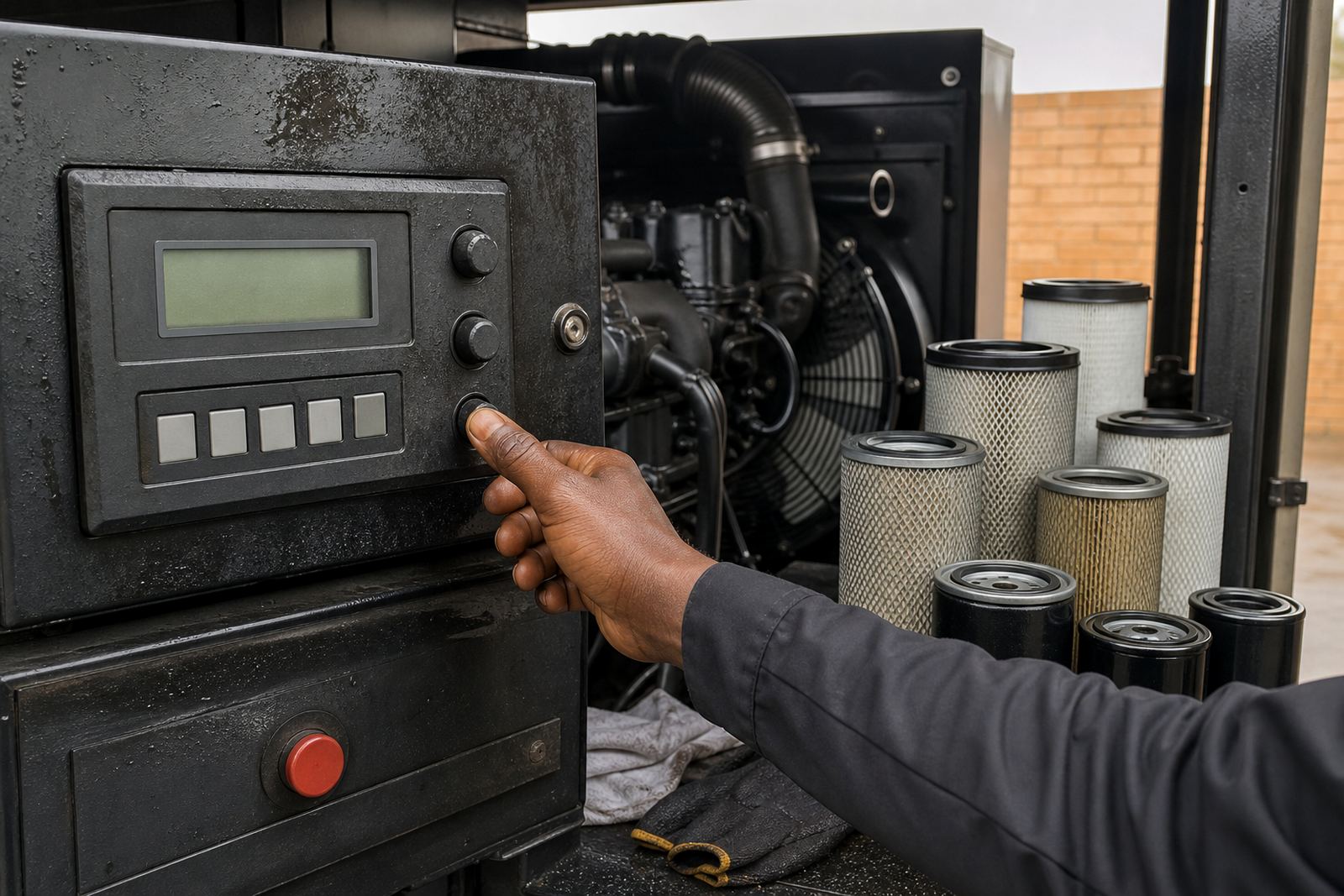
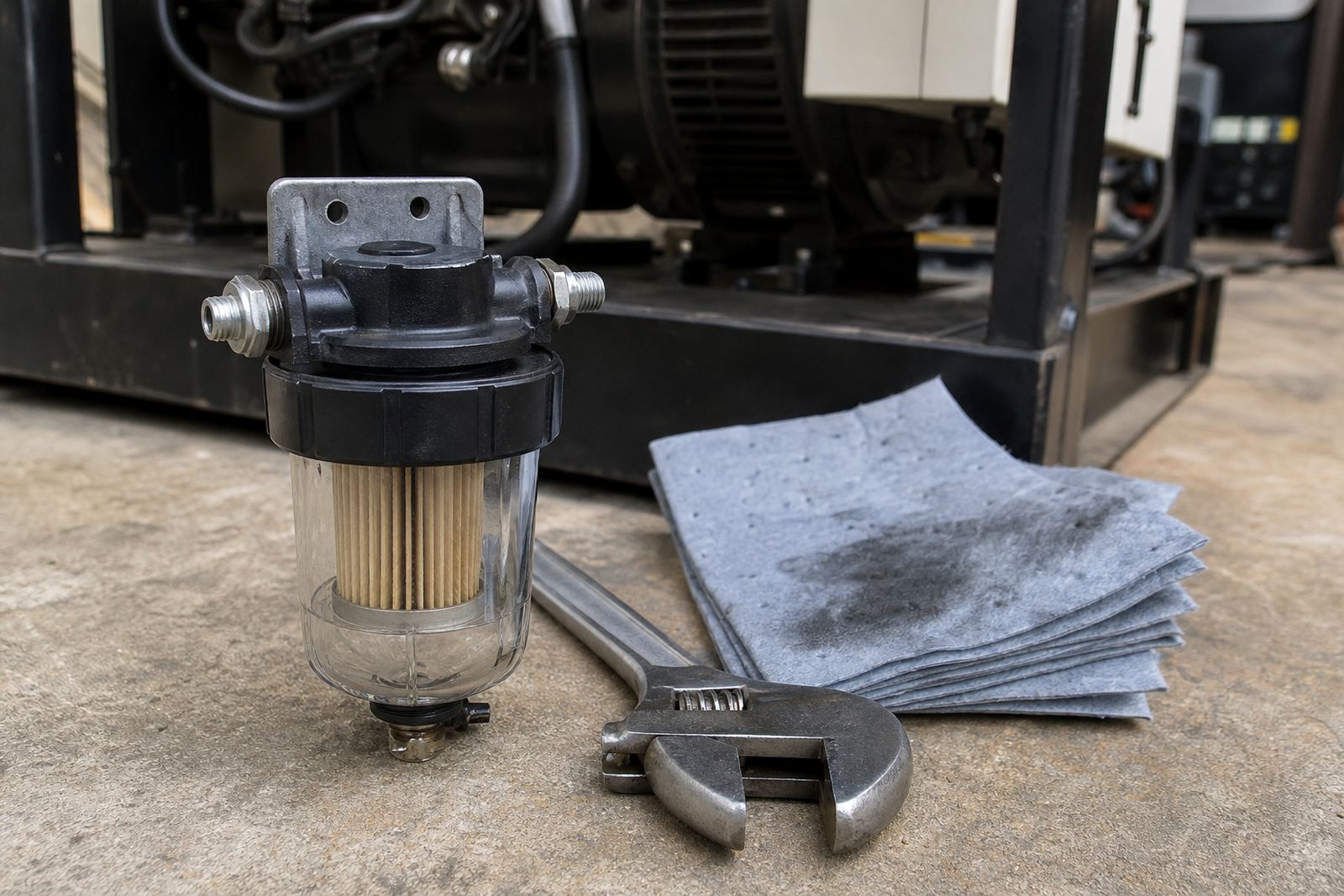
Generator servicing often runs more smoothly when the routine consumables are already on site. Oil filters, fuel filters and air filters are the sort of parts that can stop a planned service from becoming a waiting game. If a technician arrives in Midrand, Sandton or Centurion and the correct filter is not available, the machine may have to sit open while someone sources it, which is poor timing when a site is counting on backup power.
On business premises across Gauteng and beyond, these small parts matter because they are changed more often than major components. A filter that looks fine from the outside can still be restricted by dust, old oil, moisture or contaminated fuel. In industrial areas and on construction sites, that wear comes on faster than many managers expect.
Why spare filters help maintenance contracts move faster
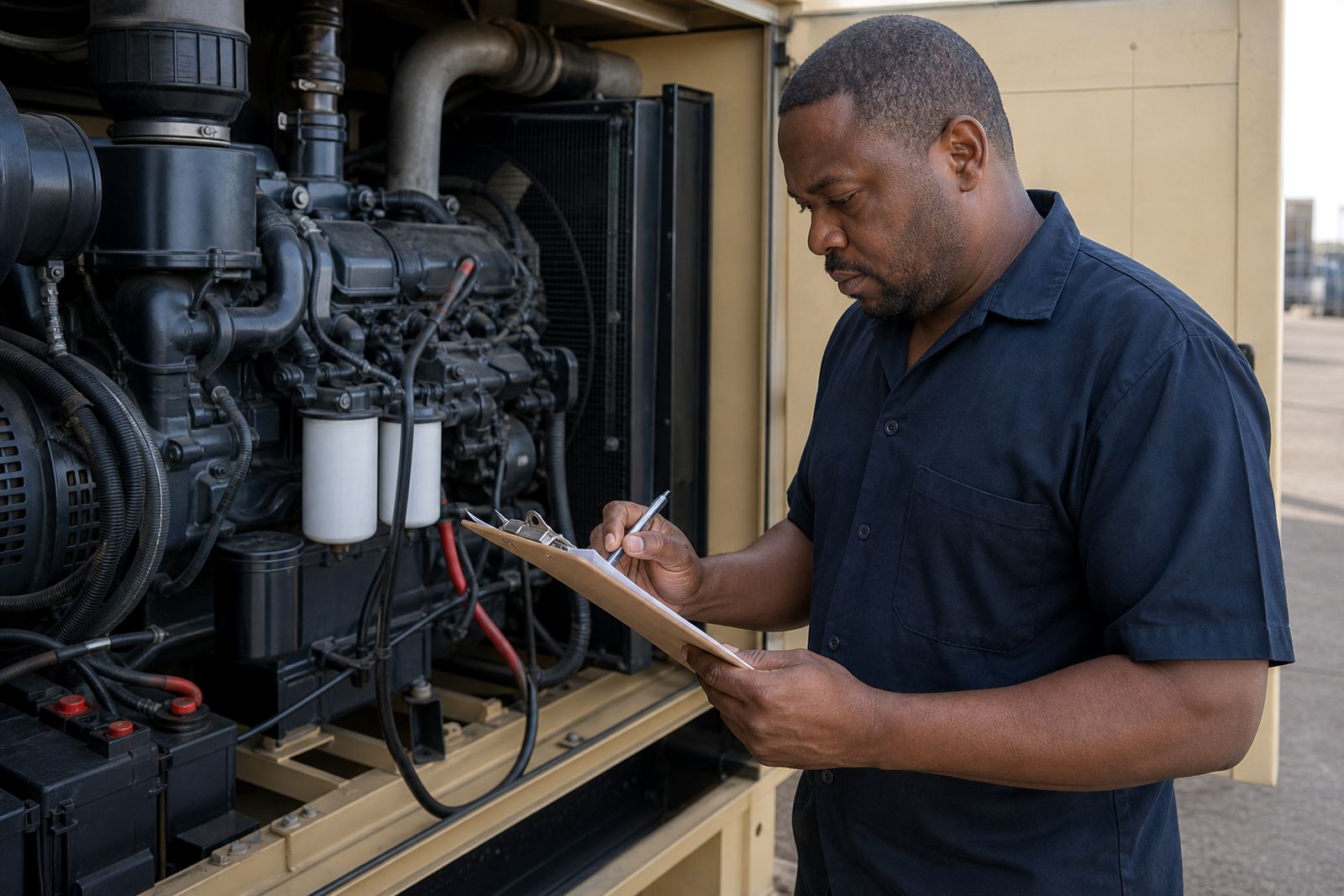
For sites on maintenance contracts, holding the correct consumables can shorten service windows and reduce repeat callouts. It gives the technician a better chance of completing scheduled servicing in one visit, provided the rest of the inspection does not reveal anything else that needs attention. That matters during load-shedding periods, night shifts and weekend work when access time is limited.
A practical stock list does not need to be large. It just needs to match the generator set on site and the service interval that applies to it. The right spare items can also support emergency callouts, because the team is not forced to return later for a basic change that should have been done on the day.
- Oil filters for each generator size on site
- Fuel filters where diesel quality or water contamination is a concern
- Air filters for dusty premises, yards and plant rooms
- Drain seals and small service consumables used during routine changeouts
What a good spares cupboard should hold
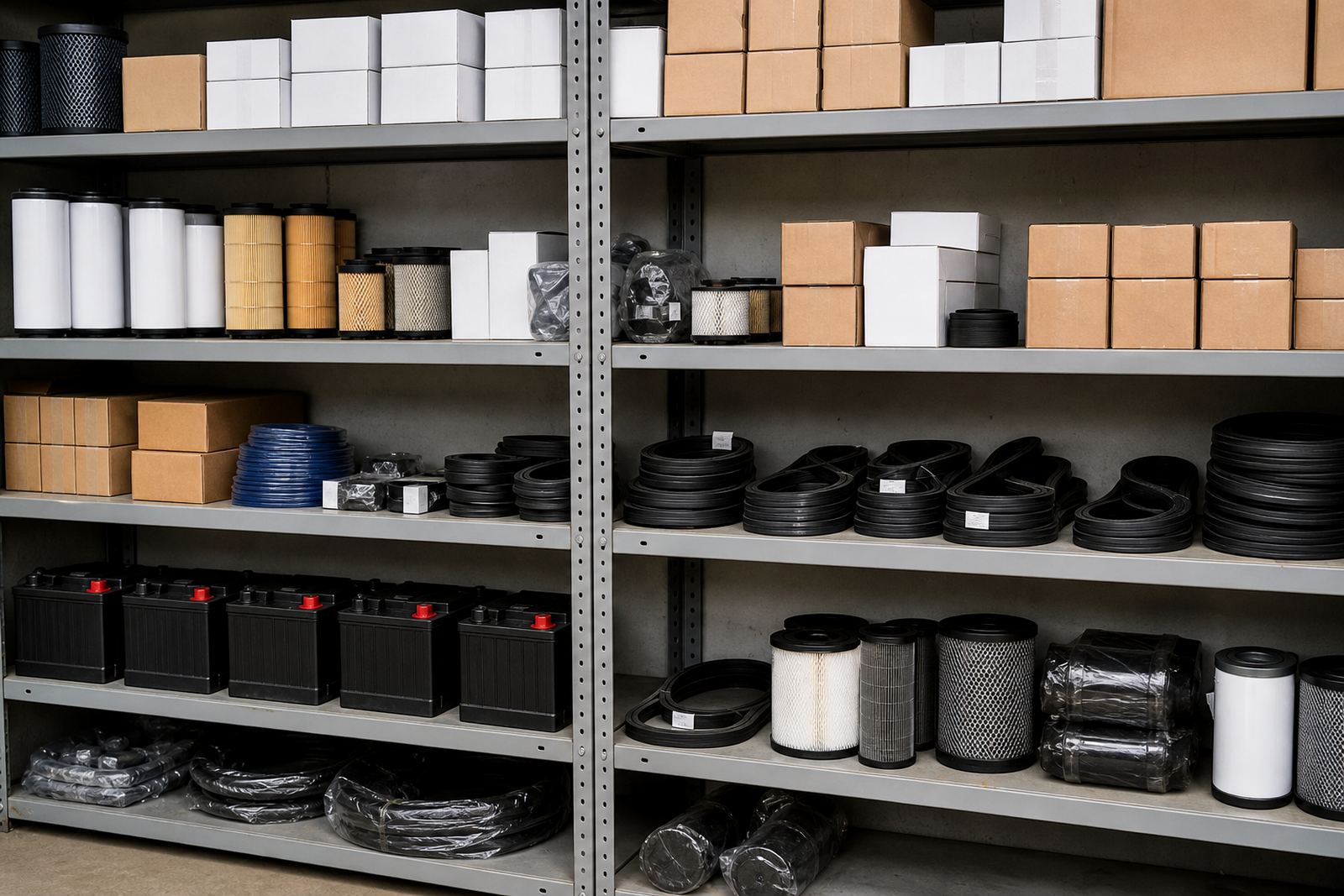
Most businesses do not need a storeroom full of parts, only a controlled set of consumables that match the equipment list. The point is not to guess. It is to keep the items most likely to be used in the next service cycle, and to store them properly so they do not absorb damp or get damaged by heat. In coastal areas like Durban and Cape Town, packaging and storage conditions matter because humidity can shorten shelf life if parts are left open.
A useful site stock plan usually includes the following:
- One or two service sets for each generator that is critical to operations
- Spare coolant where the specification is already approved for the unit
- Battery terminals and basic consumables used during inspections
- Clear labels showing the generator number and the last service date
That kind of order helps the maintenance team work quickly and keeps site staff from mixing up parts between different machines.
When spare parts save a job from turning into a delay
Spare filters are most useful when a service reveals a condition that needs immediate correction. A blocked fuel filter can show up as rough running or hard starting. A dirty air filter can limit performance under load. An oil filter due for replacement can lead to poor service records if it is left in place too long. When those items are already on hand, the job can move forward without waiting for a supplier run.
They also help with related checks that should be done by qualified people under local electrical and safety rules. That includes changeover switch inspections, starter system repairs, battery testing and fault finding. Even then, the parts cupboard is only one piece of the job. The service must still be done properly, with the right isolation and the right test procedure.
A Midrand example: one site, three generators, one spare shelf
A mixed-use site in Midrand with more than one standby set may need a better spares approach than a single-office building. For example, a site with offices, a plant room and a small production area might use different filters on different machines. If the store room keeps them separated and clearly marked, the technician can work through the planned service without stopping to confirm which part belongs where.
That sort of arrangement is especially useful when service visits are booked around production hours or security access. The team can arrive, complete the oil and filter change, inspect the coolant system, check batteries and carry out load bank testing if scheduled, without unnecessary delays. It is a practical habit, not an expensive one, and it helps the maintenance contract do what it was meant to do.
How to avoid buying the wrong filter twice
The most common mistake is stocking parts without a proper equipment list. A filter that looks close enough may not fit correctly, and a small mismatch can hold up a service more than most people expect. It is better to match every consumable to the exact generator set, note the service interval, and record which parts were used last time. Service record audits are useful here because they show patterns instead of guesswork.
Before a scheduled visit, it helps to confirm:
- Generator model and serial details on the site register
- Which filters were replaced at the last service
- Whether the coolant specification is still correct
- Whether batteries, changeover switches and fuel system parts also need attention
For businesses across Johannesburg, Pretoria, Durban, Cape Town and Polokwane, that kind of preparation can make the difference between a short planned service and a drawn-out interruption. The filter shelf does not replace proper maintenance, but it supports it in a practical way.