


How to choose the right service rhythm
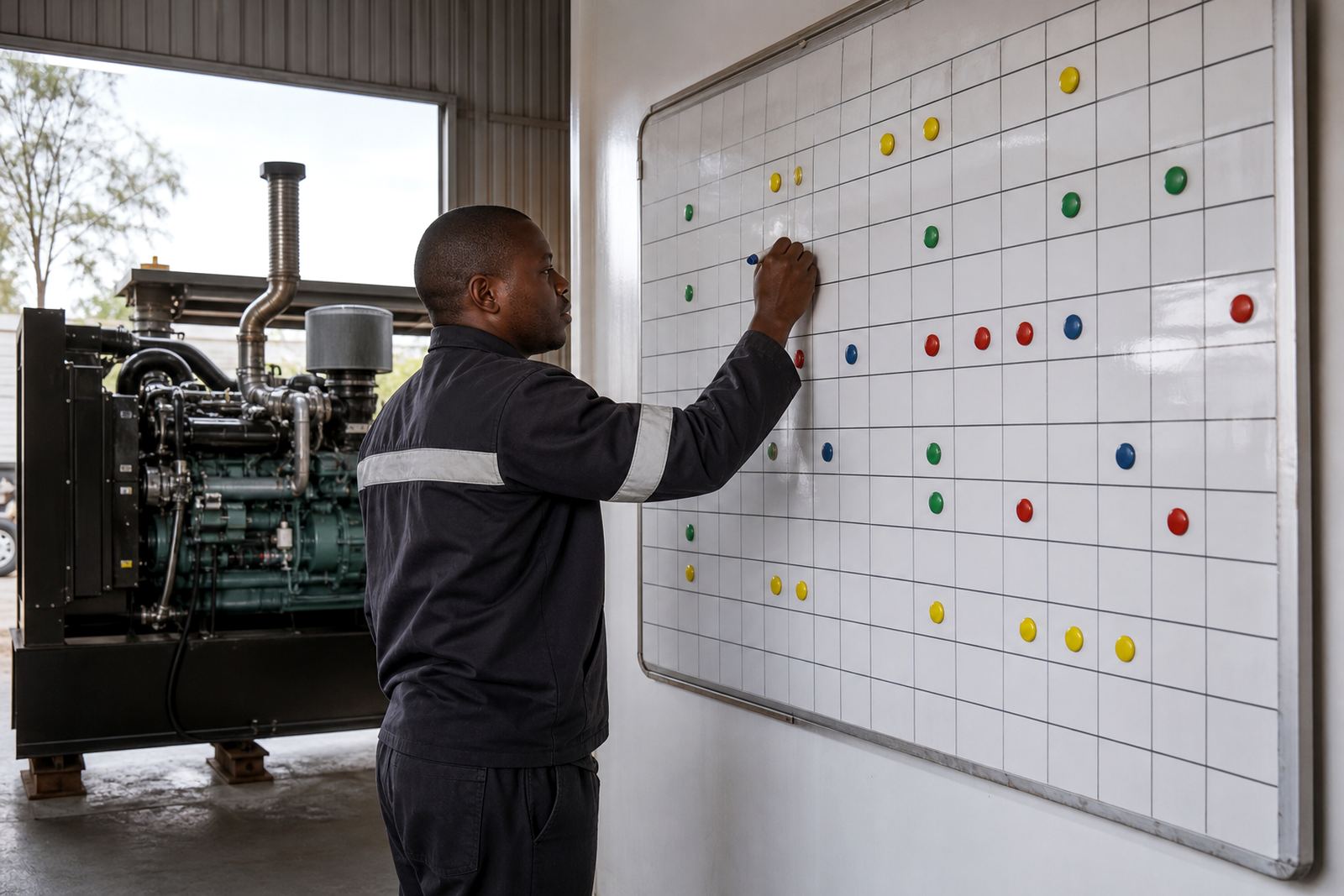
Every site runs differently. A warehouse in Midrand with regular load shedding does not need the same service rhythm as a remote plant running prime power in Limpopo, so the first step is matching the service plan to the way the set is used. Short, regular inspections suit standby units that run only during outages, while heavier use usually calls for tighter checks on oil condition, filters, cooling and starting performance.
When you are weighing up a contract, look at how often the generator starts, how long it carries load, and whether the site has dust, coastal air or long running hours. These factors shape what gets checked and when, and they help prevent avoidable breakdowns that can interrupt production or tenant services.
- Standby sets need reliable starting, battery health and clean fuel.
- Prime sets need closer attention to running hours, coolant and vibration.
- Sites with critical processes often need both scheduled servicing and callout support.
What a proper service visit usually covers
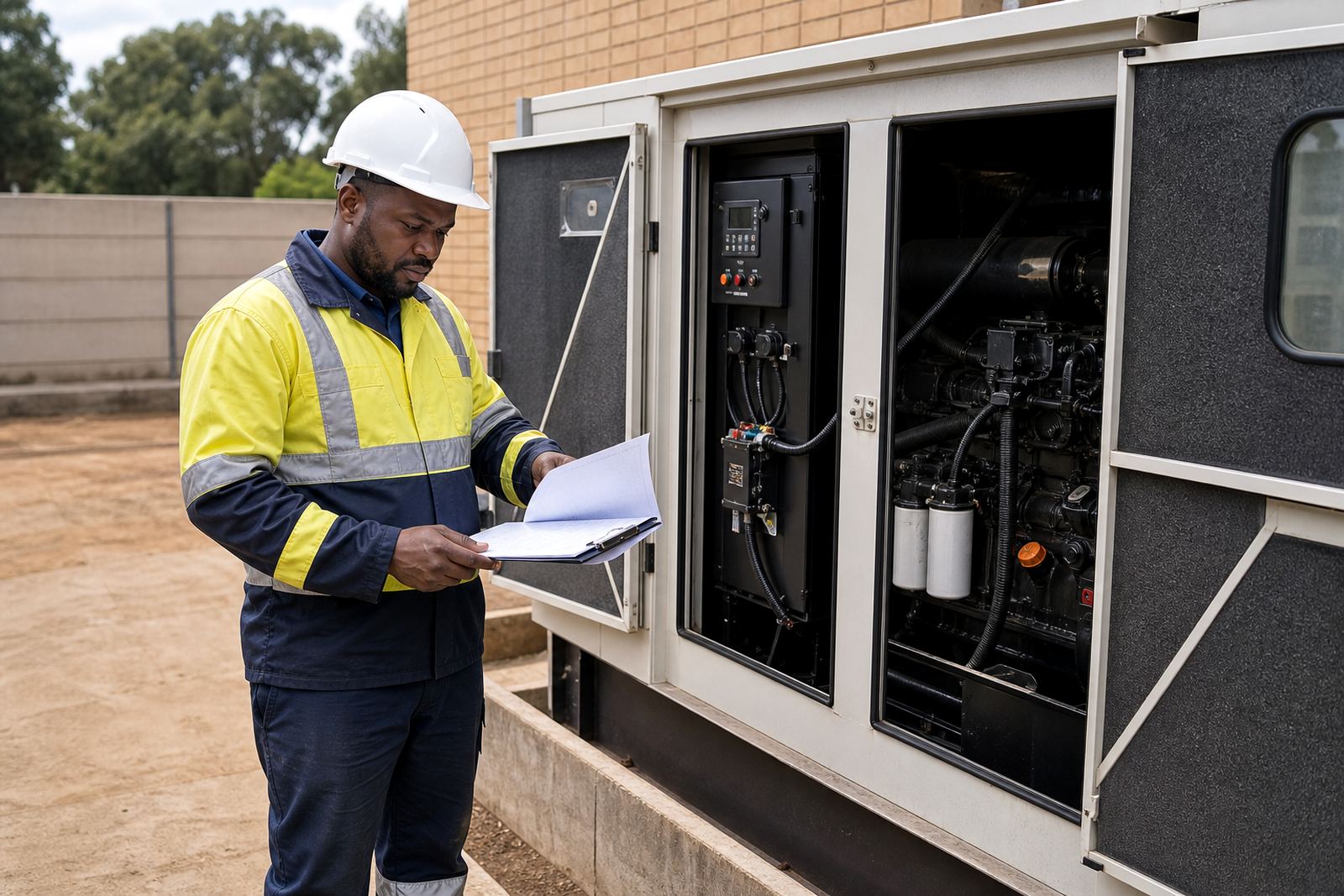
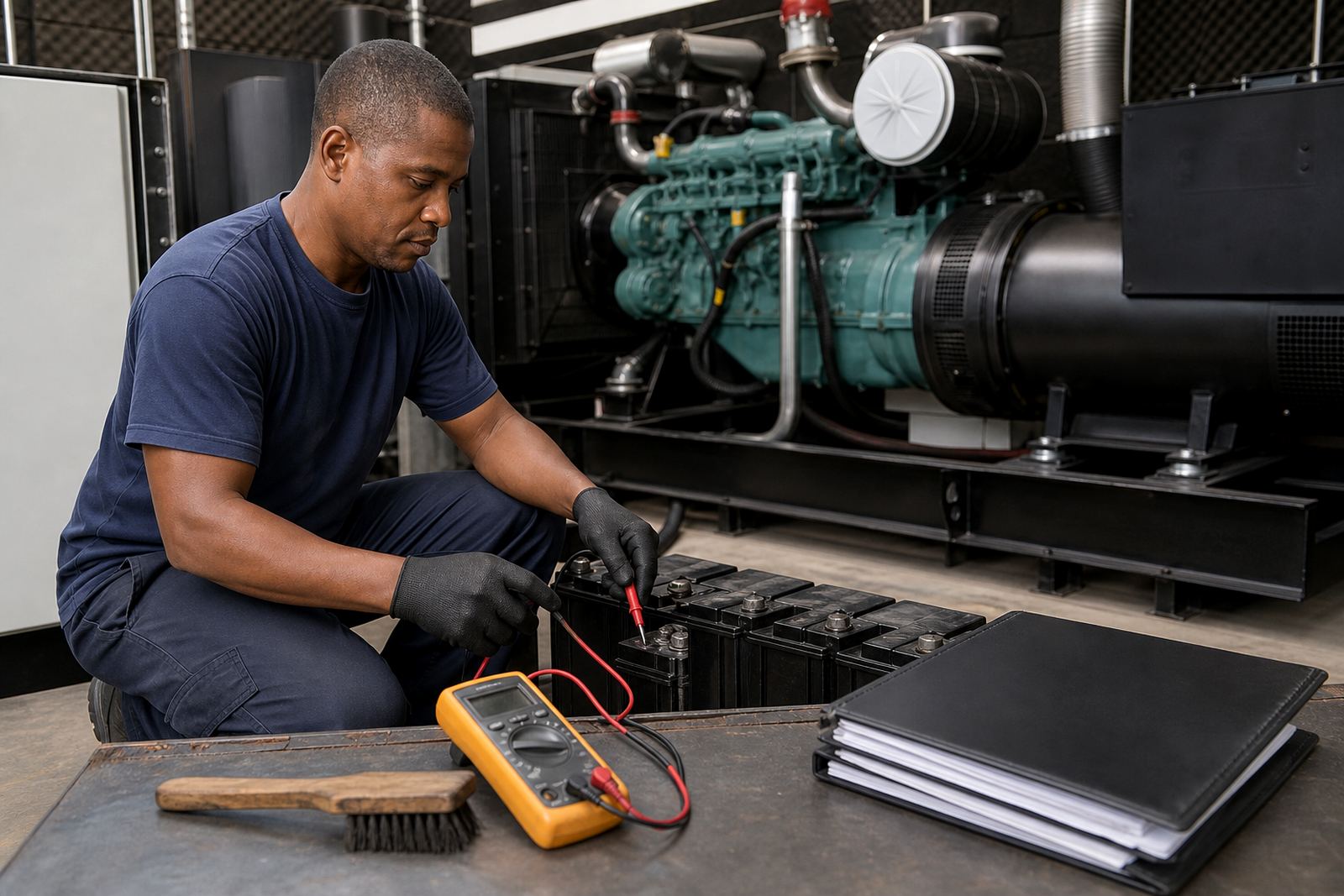
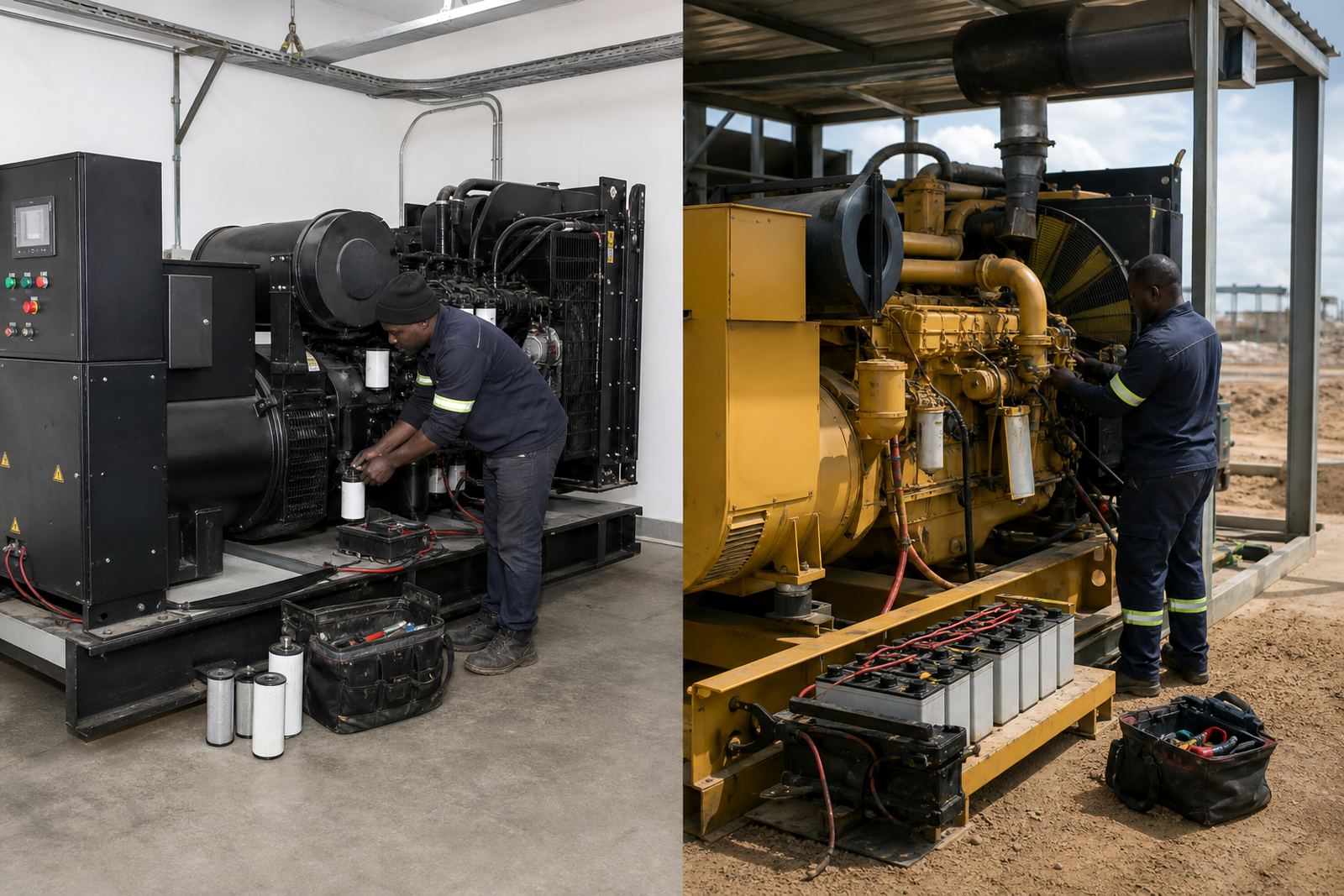
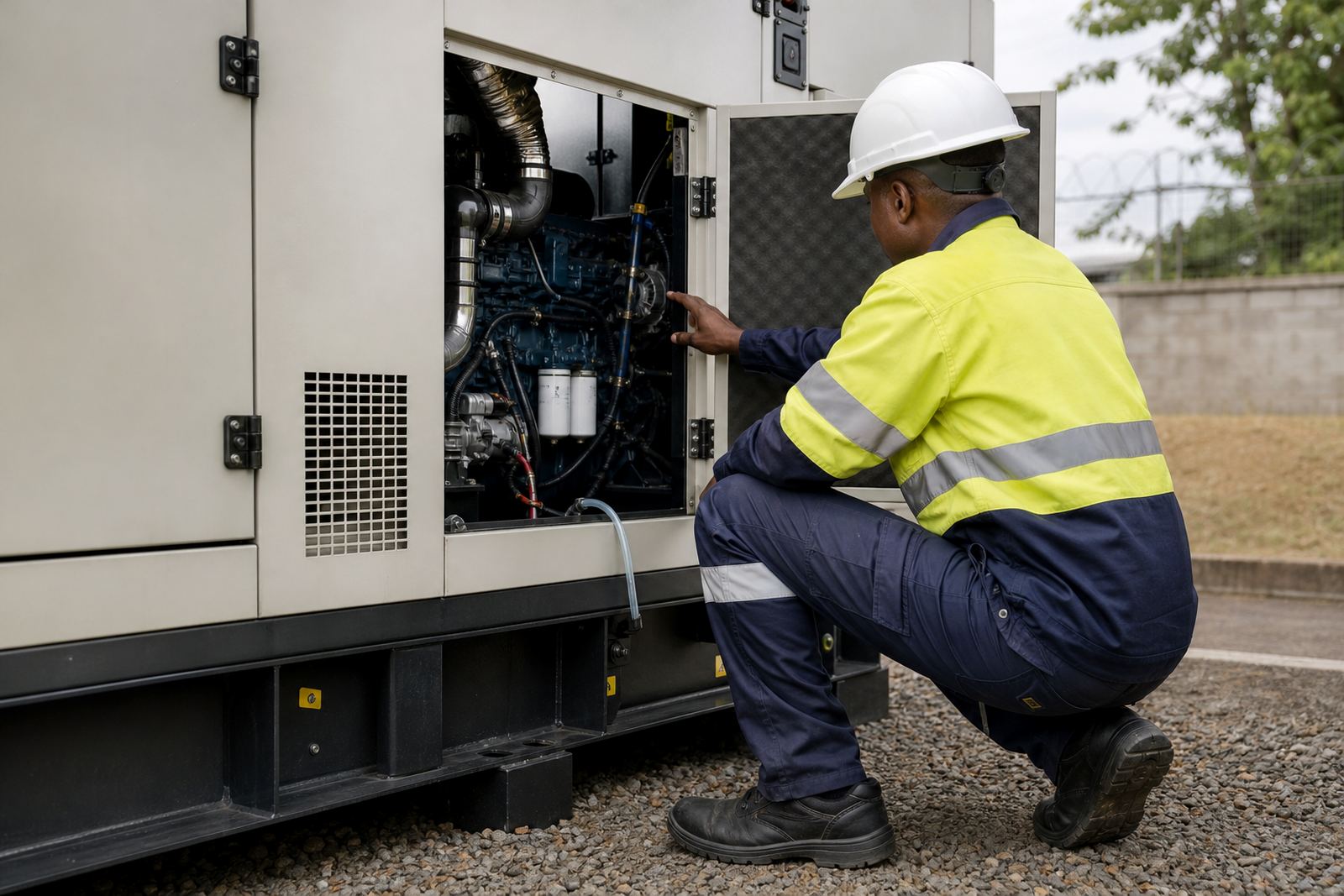
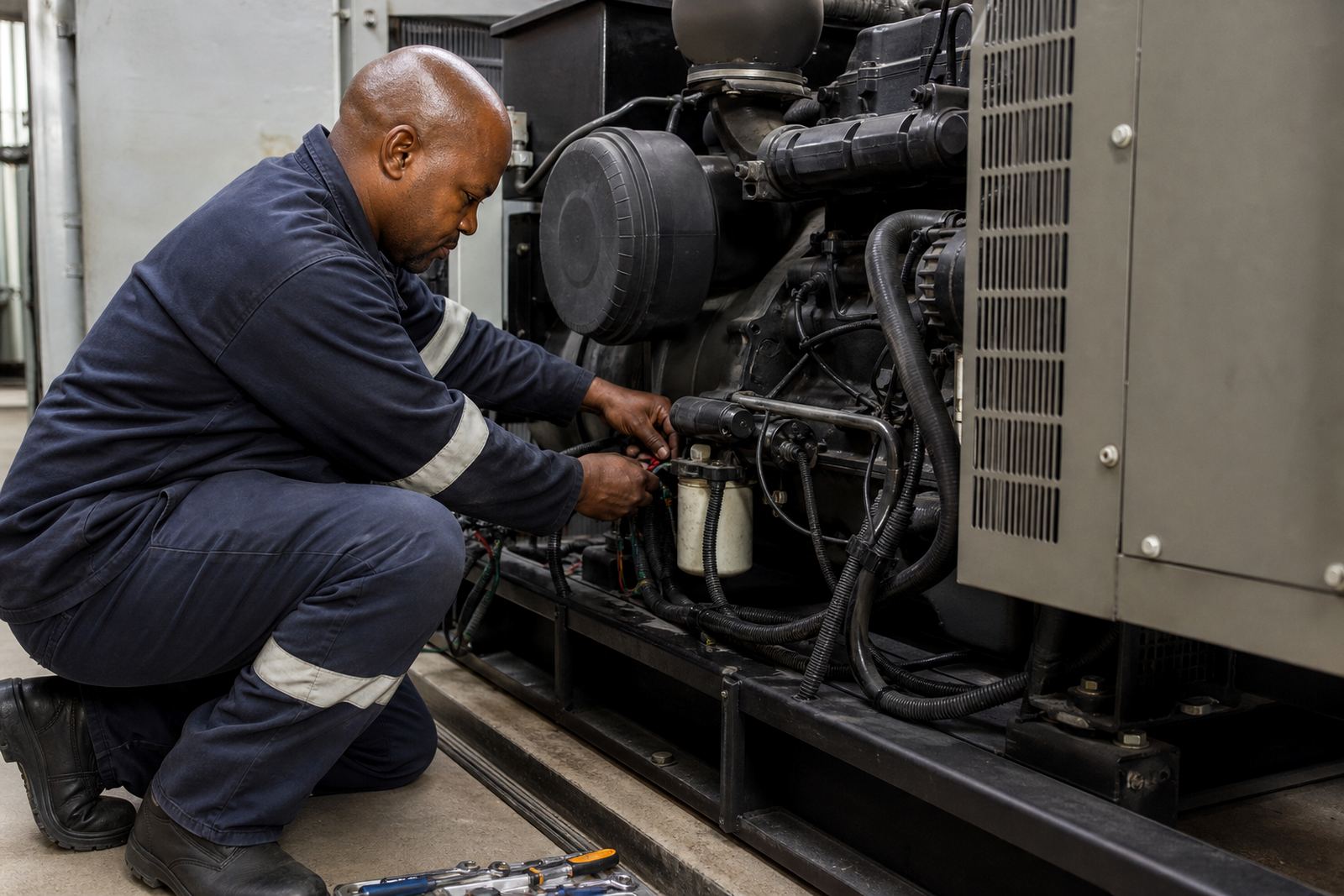
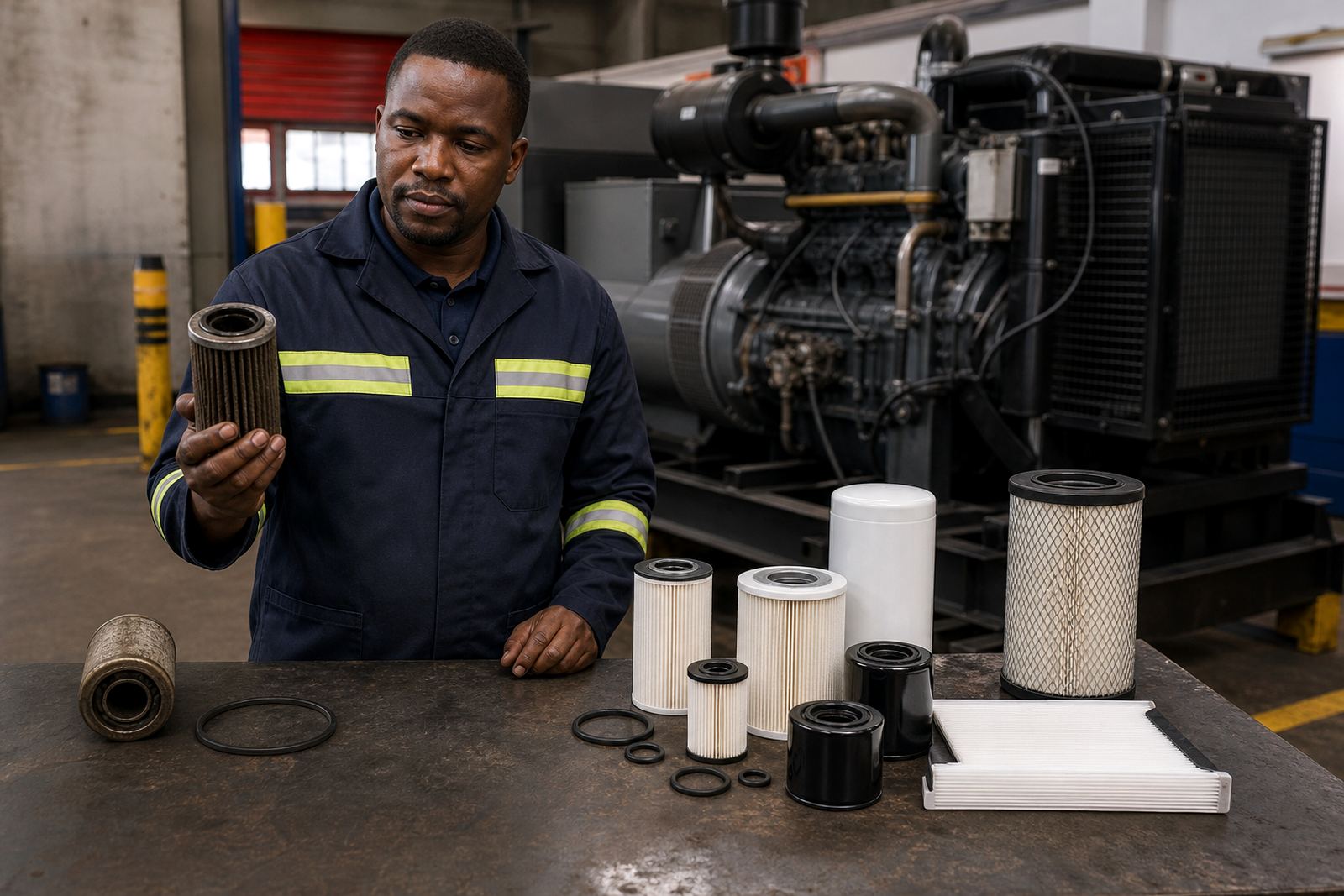
A useful service visit is more than a quick visual inspection. It should include oil and filter changes where due, coolant checks, battery testing, starter system inspection, and a look at belts, hoses and visible leaks. On many sites the condition of the changeover switch also matters, because the set can be healthy but the transfer process still fail when the power goes off.
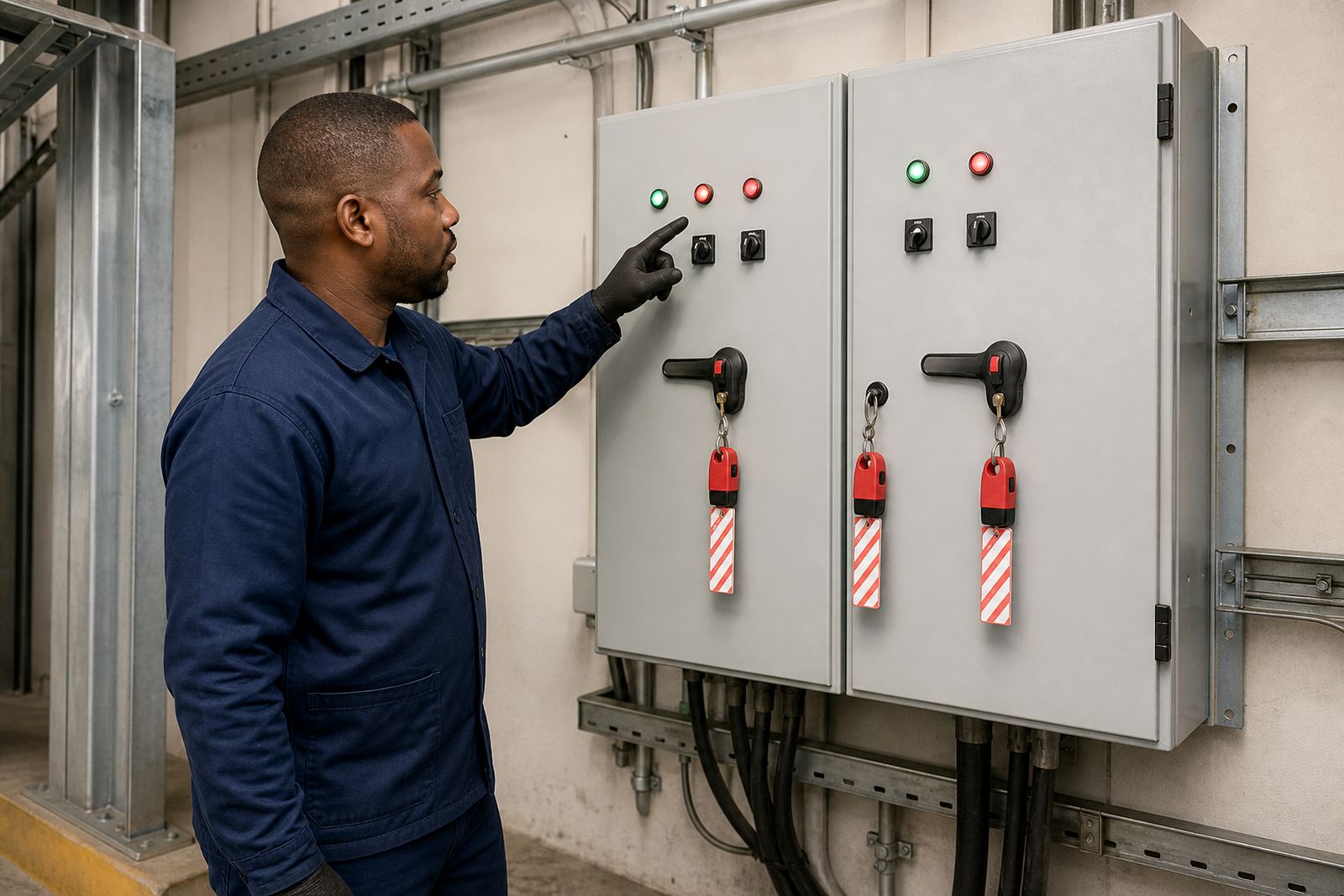
Electrical work on generators and changeover equipment must be handled by qualified people under local regulations. That point matters on every site, whether the unit is in a plant room, on a rooftop or in a container outside the building. Good servicing keeps the machine ready, but safe connection and switching are part of the same picture.
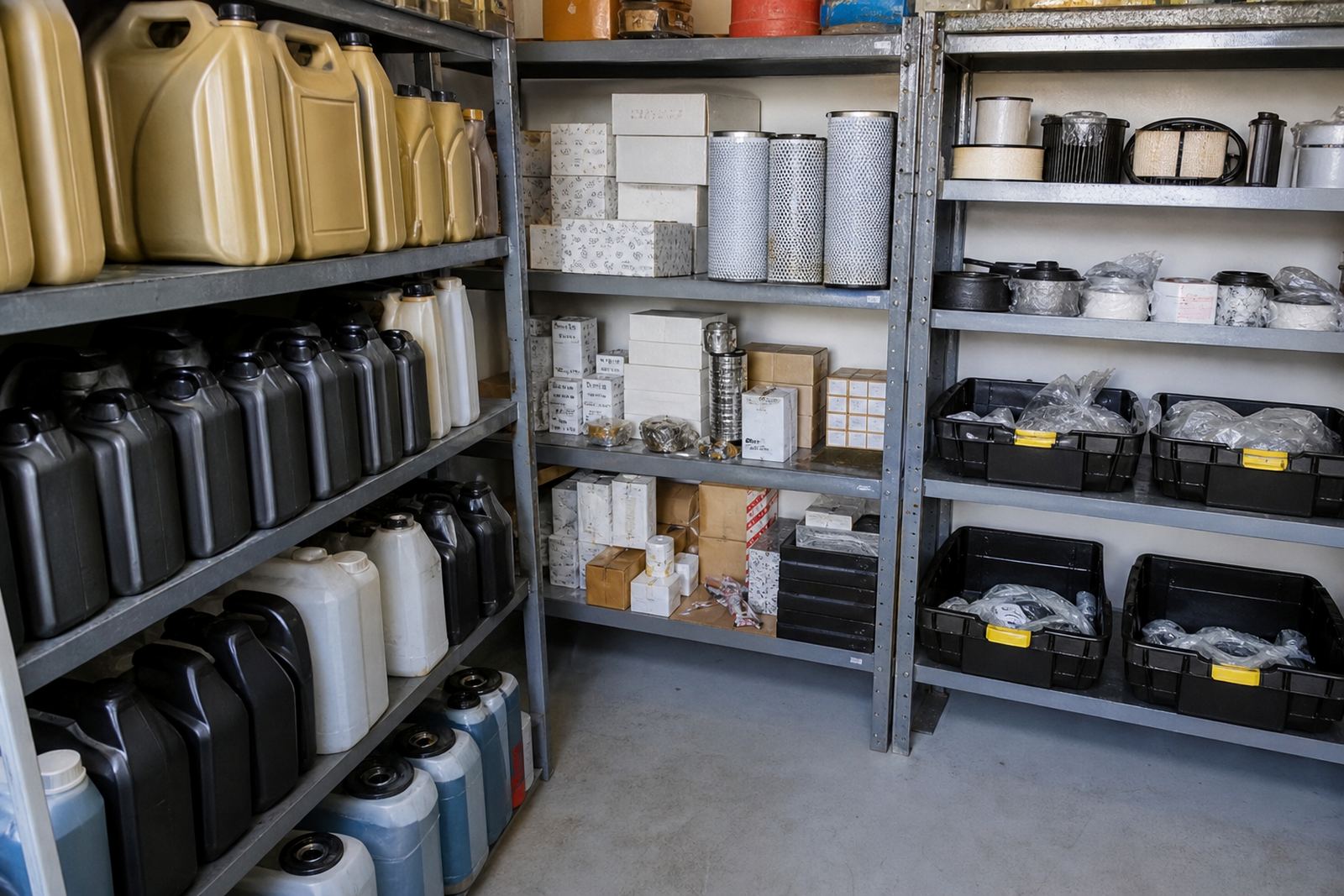
- Oil and filter changes at the correct intervals for the running pattern.
- Coolant system service for leaks, concentration and hose condition.
- Battery testing, terminals cleaning and charging checks.
- Changeover switch checks and functional testing under controlled conditions.
Site visits without the usual hold-ups
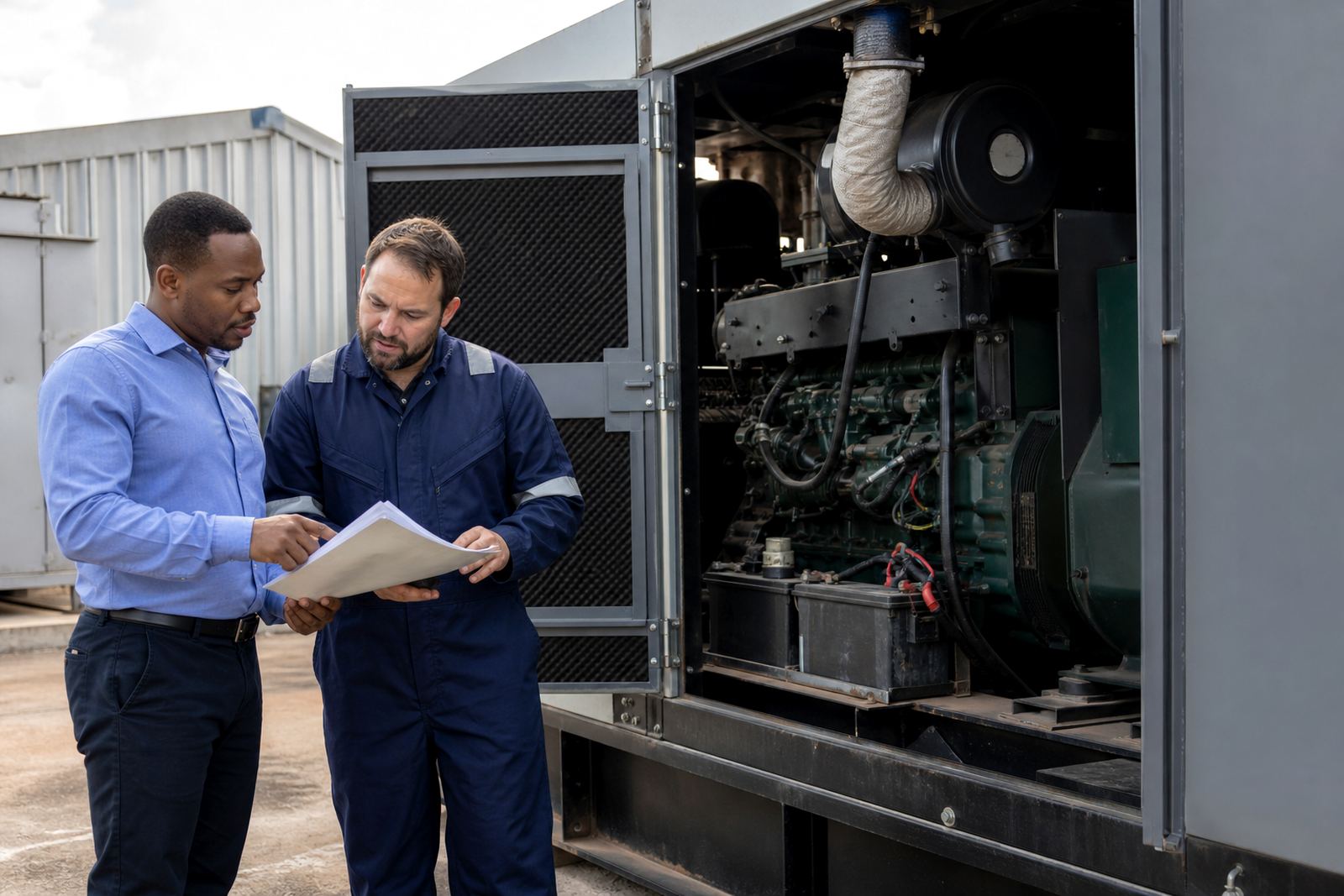
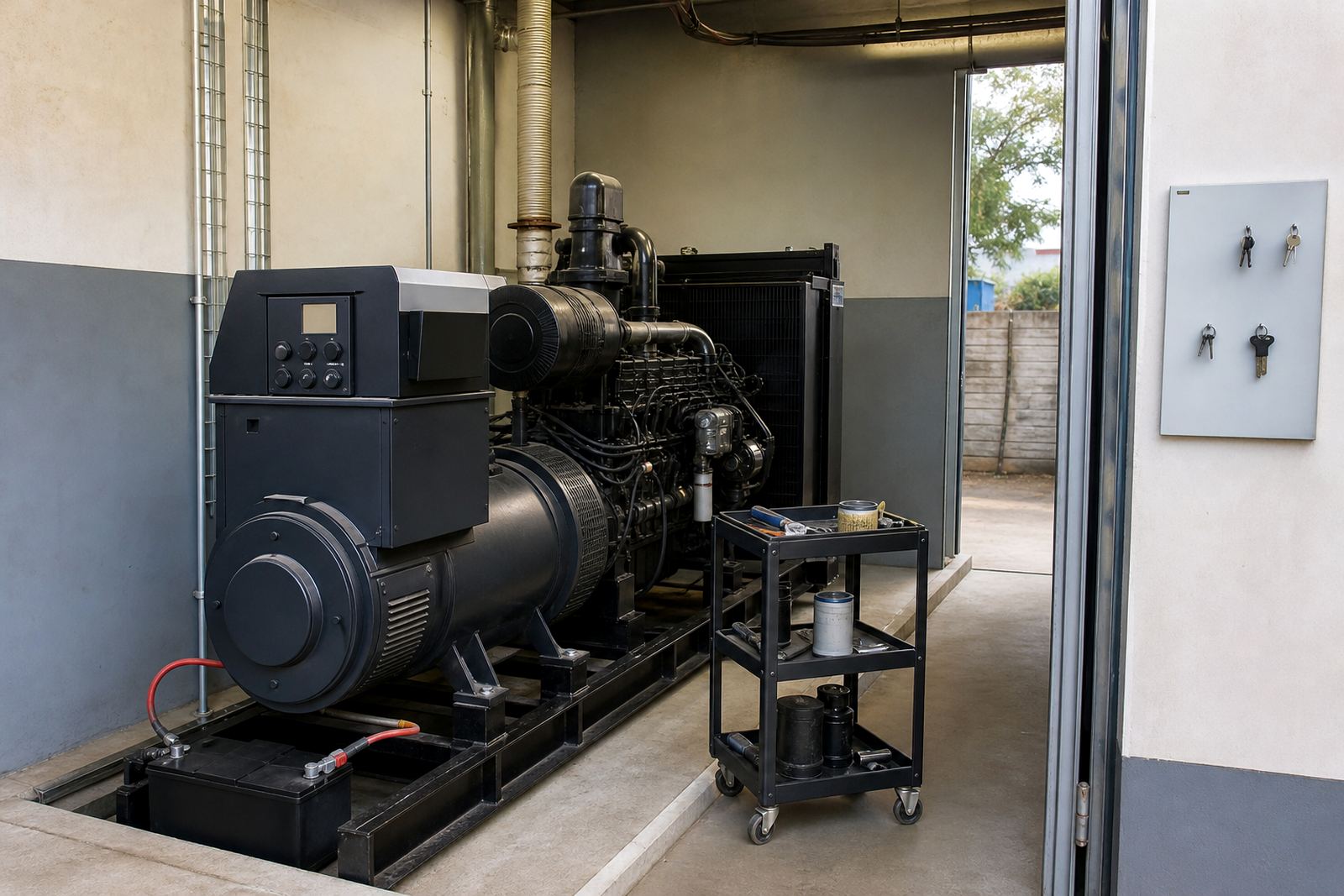
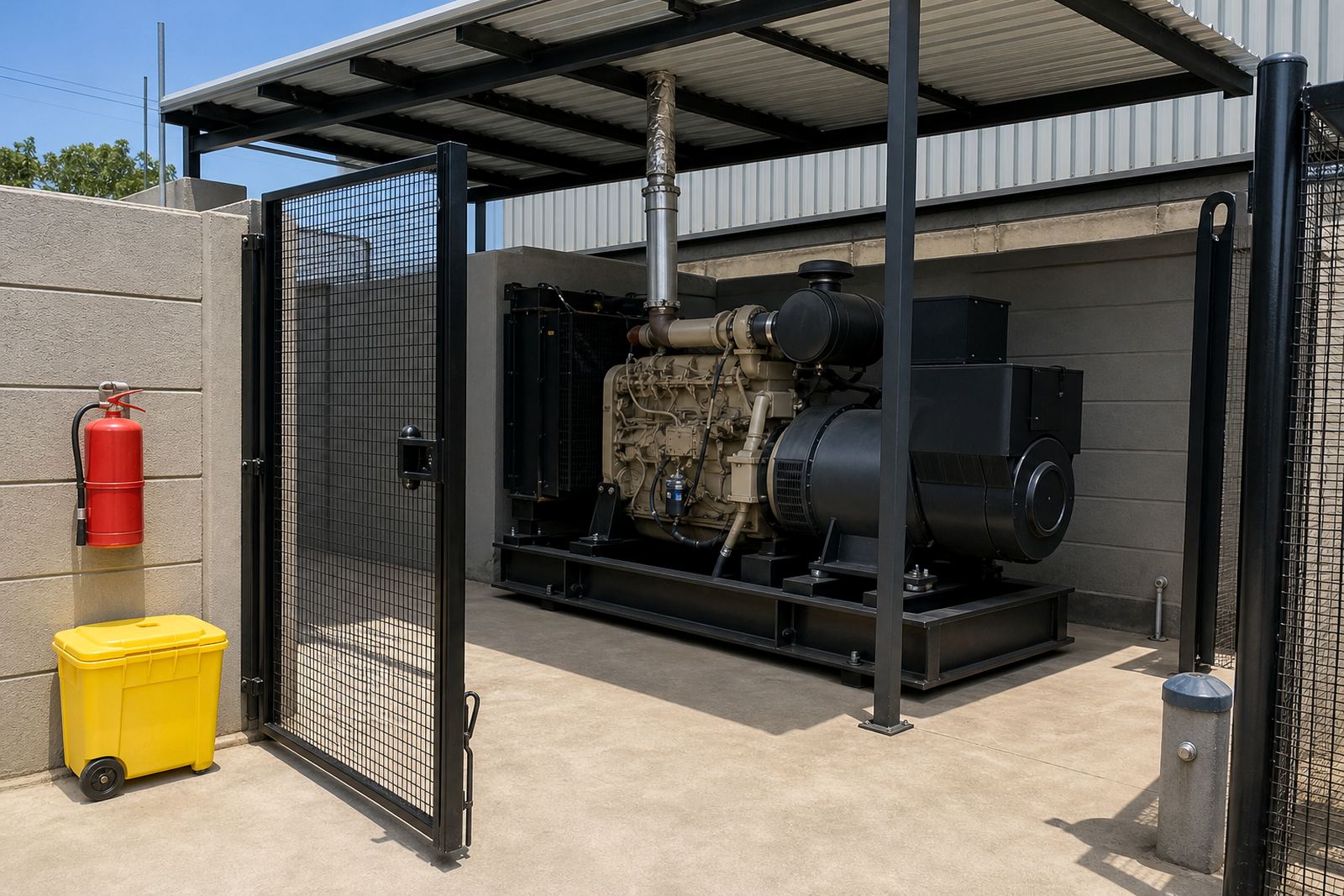
Good preparation saves time and avoids repeat visits. Clear access to the generator, safe parking for the service vehicle, and keys or permissions for plant areas all help the technician get to work faster. If the site has diesel storage, the tank area should be neat, labelled and safe to inspect. On busy commercial premises, it also helps when the facilities team identifies the person who can authorise switch testing or isolate a panel if needed.
Load-shedding has made many businesses more alert to timing, but the same discipline helps during planned maintenance. Share the last service record, note any warning lights or unusual noise, and point out changes since the previous visit. A small issue such as a weak battery or a sticky transfer relay can become a bigger outage if it is left too long.
- Give clear access to the set, panels and fuel area.
- Keep prior service notes, fault messages and handover details ready.
- Tell the team about recent starts, missed changeovers or unusual smoke.
What load bank testing tells you
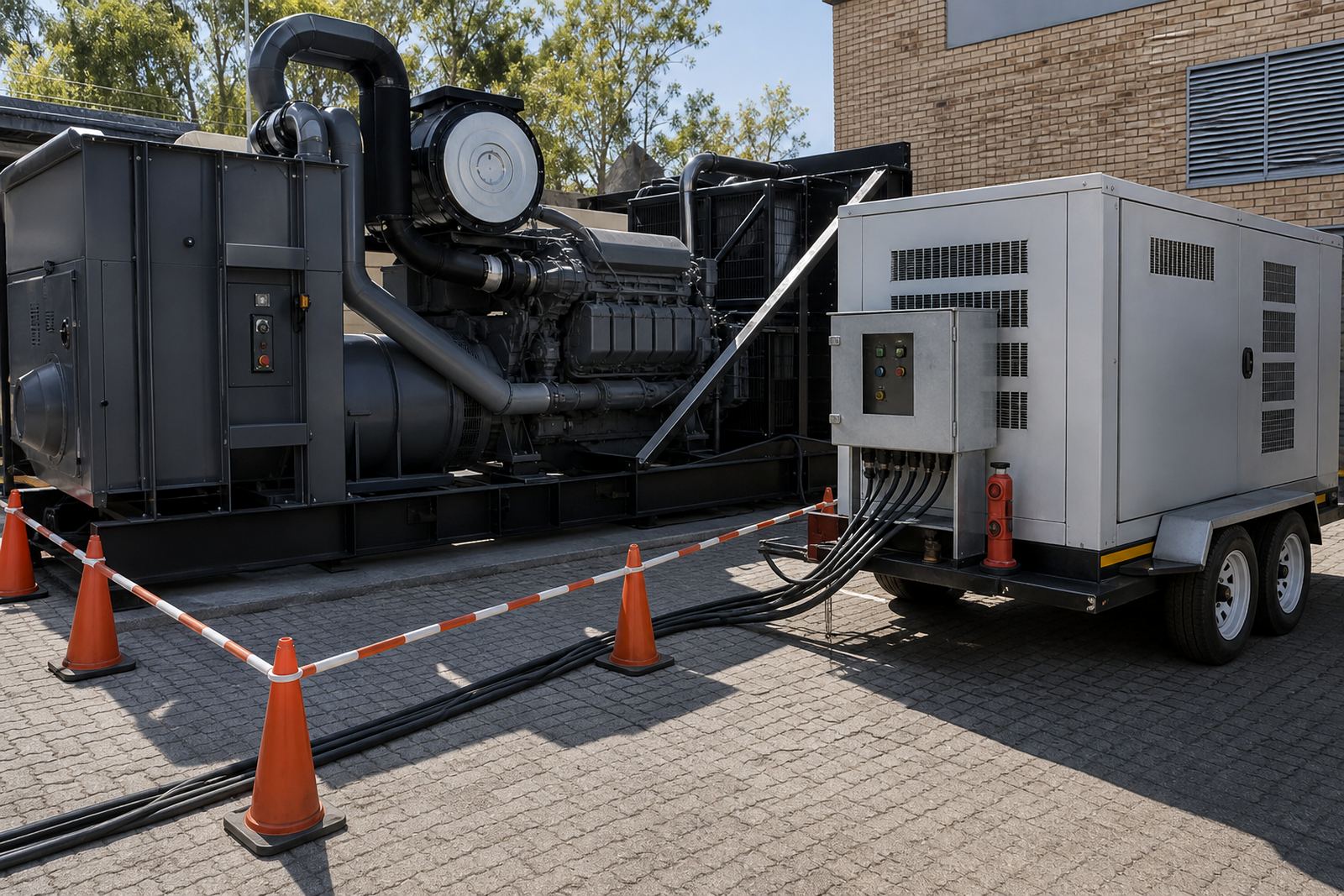
Load bank testing shows how a generator behaves under a controlled electrical load, not just when it idles. This matters for sets that spend long periods standing by, because an engine can look healthy while still struggling under real demand. A proper test helps expose poor fuel delivery, weak cooling, voltage instability and problems that only appear after the unit has warmed up.
For facilities teams, the result is useful in plain terms. You get a clearer picture of whether the set can carry the expected load, how quickly it recovers after a step change, and whether the cooling system can cope in hot weather. That is especially important in inland areas such as Gauteng where summer heat and dust can work against the machine.
Records that make future faults easier to solve
Service record audits are worth more than many sites realise. A tidy log helps track repeating faults, overdue filters, battery replacement dates and coolant top-ups. It also makes handovers easier when a new site manager steps in or when several buildings sit under one maintenance contract. Clear records save time when a generator starts acting up after a storm or a municipal interruption.
Keep the notes practical. Record the date, running hours, work done, test results and any follow-up needed. Add photos where they help, especially for leak points, corroded terminals or worn hoses. Over a few visits, this turns into a useful history that supports better decisions on parts, repairs and replacement planning.
When to call for help without waiting
Some faults can wait for a scheduled visit, but others need attention quickly. Repeated start failures, low battery voltage, tripping on changeover, visible coolant loss and fuel-related misfiring can all point to a problem that will not settle on its own. If the unit is used for production, retail refrigeration or a security-critical site, delay can become expensive fast.
In coastal areas such as Durban or Cape Town, humidity and salt air can also speed up corrosion on terminals, housings and switchgear. In dusty inland areas, filters and cooling parts may need closer monitoring. The right response is usually a practical one: isolate the issue, inspect the right system, and let qualified technicians test and repair it properly.
- Emergency callouts for sets that fail to start or carry load.
- Fault finding when alarms, smoke or noise change suddenly.
- Fuel system repairs, starter system repairs and follow-up testing.
How these guides are meant to be used
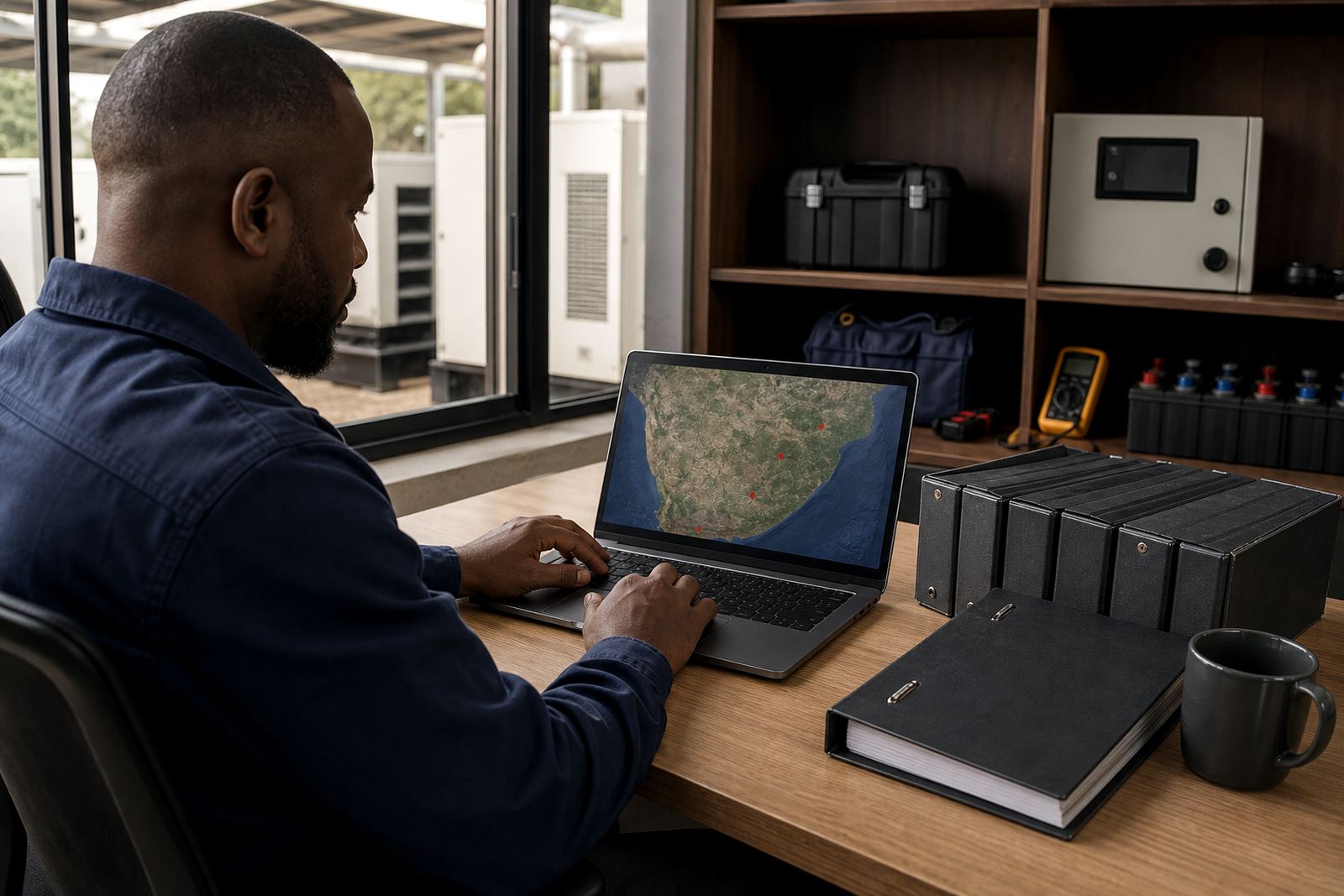
This hub brings together the service topics businesses ask about most often, from routine servicing to inspections and contract planning. It is built for people who manage the site day to day and need straight answers before a unit is due, before a shutdown, or after a fault. If you oversee one set or several across Johannesburg, Pretoria, Durban, Cape Town, Polokwane, Sandton, Centurion or Midrand, the guides help you compare the options and prepare the right information before a visit.
Use the guides to decide what level of maintenance suits the site, what to check on arrival, and which issues need specialist attention. That makes it easier to keep generators ready for the next outage, the next test run, or the next stretch of heavy demand.