What a changeover check is really looking for
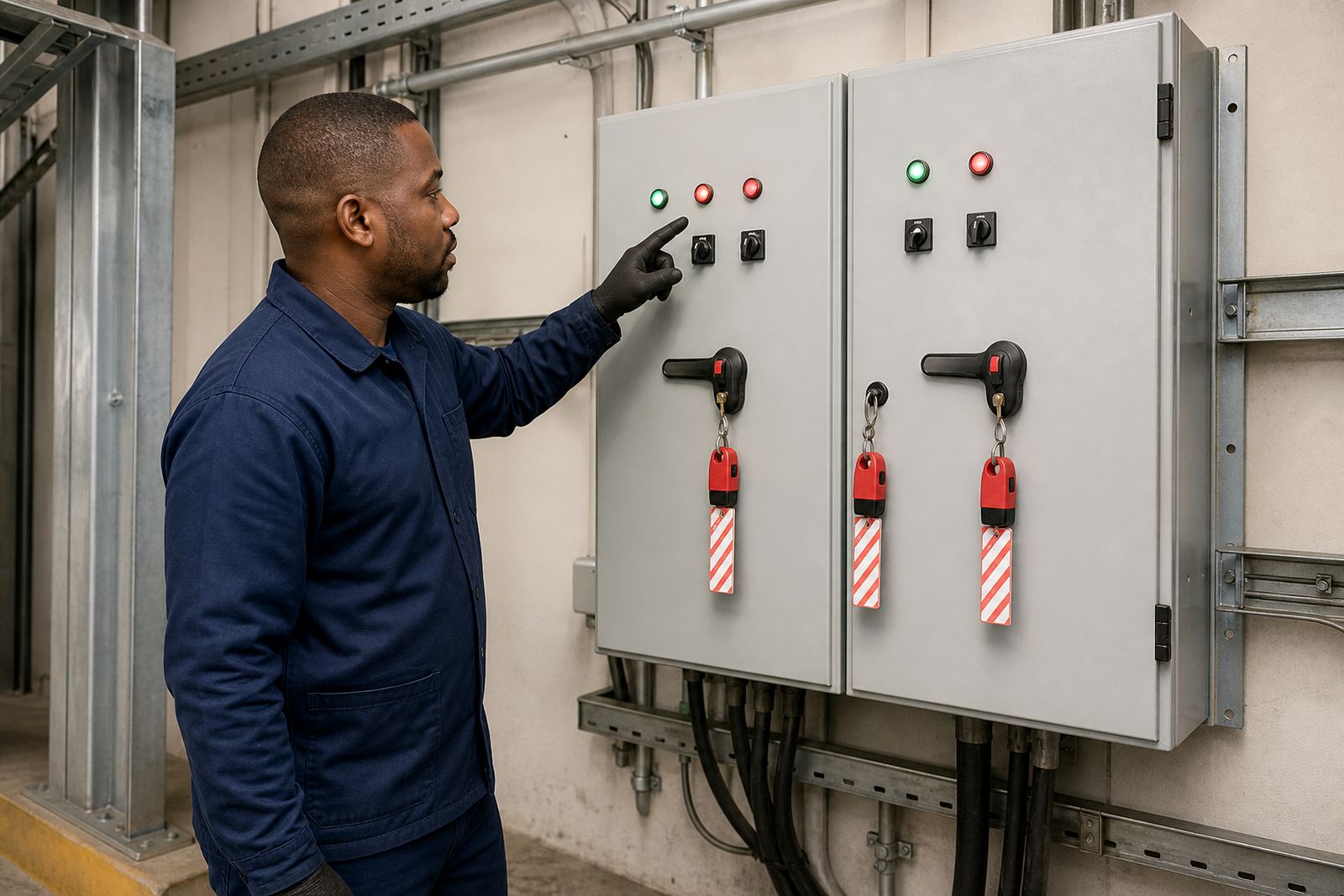
A proper changeover inspection looks at how the switch transfers supply from the municipal side to the generator and back again. The aim is to confirm that the mechanism, controls, interlocks and connections are working as intended, with no overheating, loose terminations or signs of wear.
On sites in Midrand, Sandton, Pretoria and along the coast in Durban or Cape Town, dust, humidity and vibration can all affect a switch over time. If the generator is used often, or only during outages, both patterns still need attention because idle equipment can also develop faults.
Electrical work must be handled by qualified people in line with local regulations and site procedures. A generator service team can inspect the changeover arrangement, but any live electrical testing, repairs or alterations must be done by the right people for the job.
The checks that should happen during a service visit
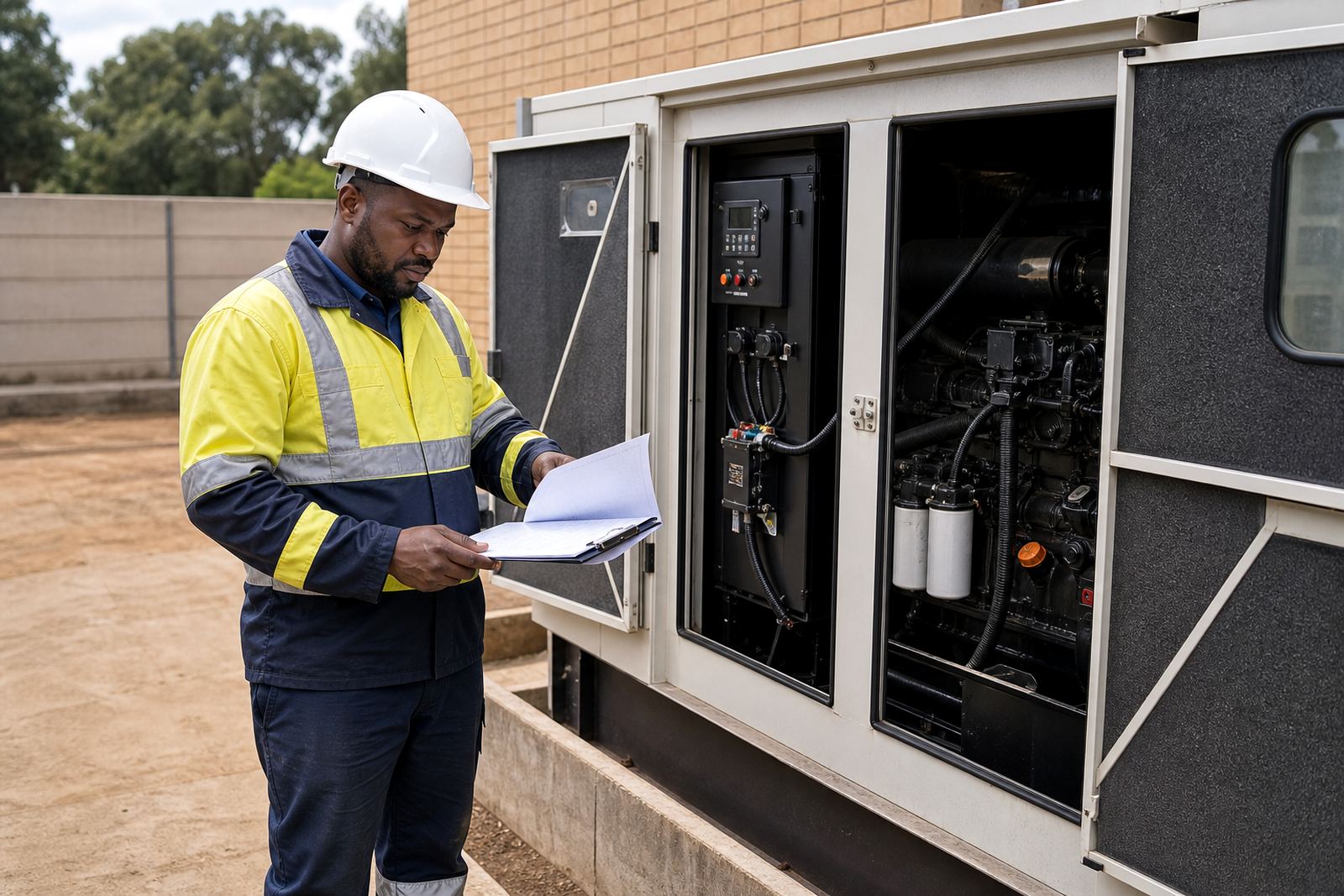
During a scheduled visit, a technician will normally work through a structured list so nothing is skipped. The exact process depends on the site arrangement, whether the switch is manual or automatic, and how the standby set is connected to the building.
- Visual inspection for heat marks, cracked insulation, loose covers and dust build-up.
- Check of mechanical operation, including lever movement or automatic transfer movement.
- Verification of control signals between the generator and the changeover equipment.
- Inspection of cables, lugs and terminals for tightness and any sign of arcing.
- Test of indicators, labels and warning notices so operators can read them clearly.
- Review of service history to see whether repeat faults are showing up.
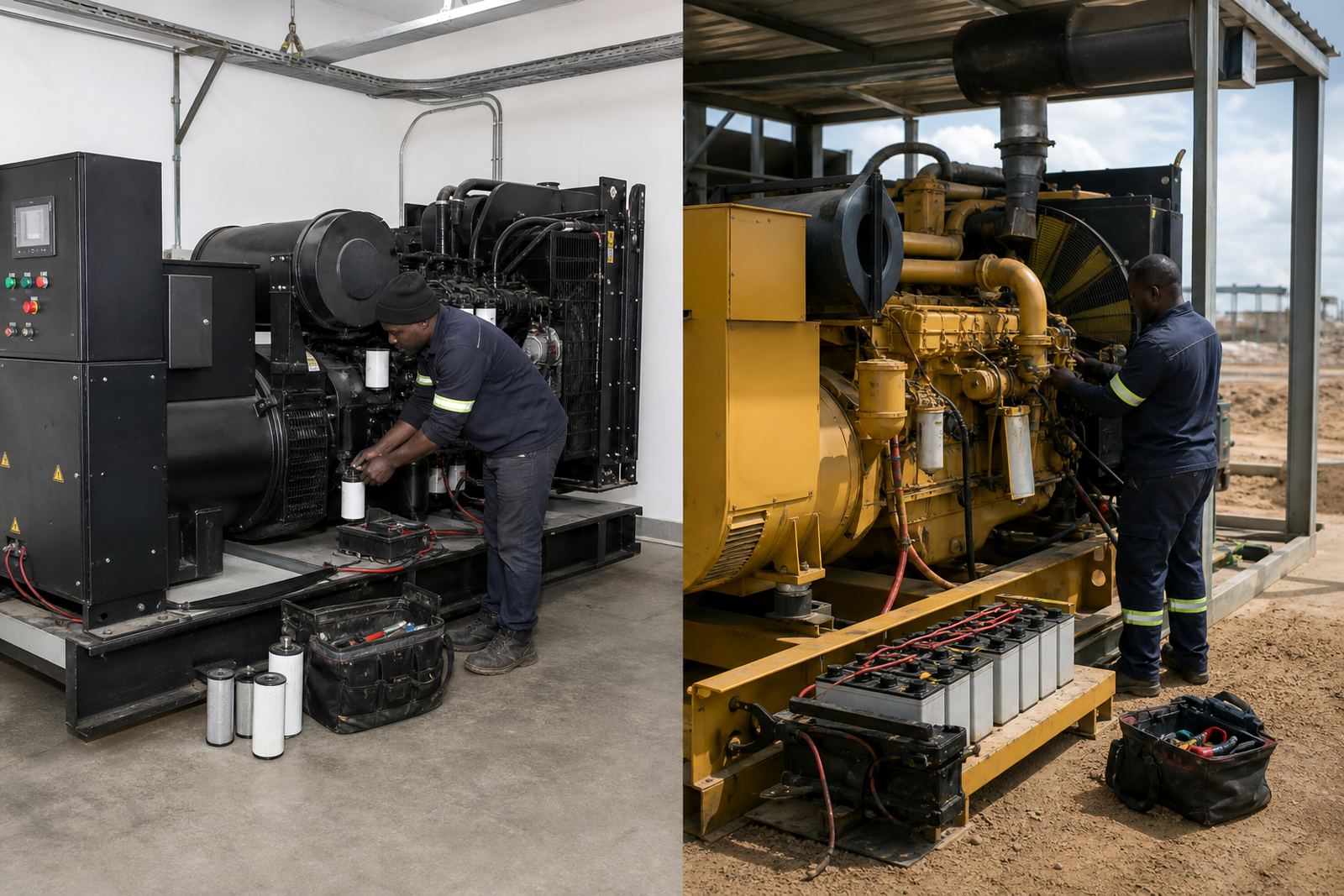
On larger commercial sites, the switch may also be checked together with the generator control panel, batteries, starter system and fault logs. That wider review helps spot issues that only appear when several systems work together.
Signs that a changeover switch needs attention soon
Some warning signs are obvious, others only show up during a planned test. If the switch hesitates, makes unusual noise, or the generator starts but the load does not transfer cleanly, that needs investigation. A burnt smell, warm housing, flickering supply or repeated tripping are also signs worth recording.
It is common for businesses to notice trouble after a weekend outage or during seasonal storms. In coastal areas, corrosion can creep in. In dusty industrial yards, fine particles can affect moving parts and contacts. On busy construction sites, knocks and vibration can loosen fittings too.
- Transfer does not complete on the first attempt.
- Generator runs but the building stays on mains supply.
- Supply returns with a delay, or not at all.
- Breaker or switch trips without a clear load problem.
- Panel lights or indicators do not match the actual supply state.
How a practical inspection is carried out on site
A sound inspection starts with isolation and safe access, then moves through the equipment step by step. The technician will confirm the switch type, check the enclosure, inspect the terminations and review any previous service notes. If the site has been through repeated outages, that history matters because it often points to worn parts or a transfer sequence problem.
Once the visual side is complete, the team will check whether the generator starts correctly, whether the transfer command reaches the control equipment, and whether the return to utility is stable after mains power is restored. This is where load bank testing may also be useful on some sites, because a generator that starts well under no load can still behave badly when the building demands power.
Any work that changes wiring, settings or protection devices must be done by qualified people. That includes adjustments to breakers, timers, sensing controls and any changeover arrangement tied into a commercial electrical installation.
A site checklist for managers and facilities teams
Facilities teams do not need to carry out electrical repairs, but they can spot problems early and keep records in order. A simple checklist makes it easier to brief the service contractor and reduces repeat callouts.
- Confirm whether the switch is manual or automatic.
- Note the date of the last full service and last transfer test.
- Record any nuisance trips, failed starts or partial transfers.
- Check that labels on the panel and switchgear are still legible.
- Keep access clear around the generator and switch room.
- Make sure the area is dry, well ventilated and free of stored items.
If the site is in an industrial park or on a municipal estate, access control matters too. Technicians may need clear entry to the generator room and switchboard on the day of the inspection, otherwise the test gets delayed and the fault remains unresolved.
How changeover checks fit into a broader generator contract
A changeover switch should never be looked at in isolation. It works together with the battery system, starter components, fuel system, coolant condition, service records and the generator controller. If any one of those parts is weak, the transfer sequence can suffer.
That is why scheduled servicing and preventive site inspections are so valuable for businesses with standby or prime generators. On maintenance contracts, a proper service report should show what was inspected, what was tested, and what needs follow-up. It should also note whether the switch behaved correctly under test and whether any electrical specialist must be brought in for further work.
For operations in Johannesburg, Pretoria, Durban, Cape Town and Polokwane, the goal is the same: reduce downtime, protect equipment and keep the transfer arrangement ready for the next outage or planned shutdown.
When to raise a fault before the next outage
Do not wait for a load shedding event if the switch has already shown weak transfer behaviour. Raise a fault when a test is inconclusive, when the enclosure shows heat damage, or when the generator and switch do not communicate as expected. The earlier the issue is logged, the easier it is to plan repairs around operating hours.
RelGen handles service contracts, fault finding and emergency callouts for businesses across South Africa, with a base in Midrand and coverage into Johannesburg, Pretoria, Durban, Cape Town, Polokwane, Centurion and Sandton. For electrical repair work on changeover equipment, the correct qualified people must be used under local regulations. That keeps the site safer and the transfer system dependable when it is needed most.