Why the duty cycle changes the whole service plan
A standby generator sits ready for outages, load shedding or municipal interruptions, then starts for short periods and may stand idle for weeks. A prime generator carries a heavier life, often running for long shifts on farms, sites, factories or remote operations where grid power is limited or not present. That single difference changes oil condition, battery wear, fuel age, filter loading and how often a technician should inspect the set.
For standby units, the main risk is not constant run hours but neglect between starts. Fluids settle, batteries weaken, seals dry out and changeover parts can corrode. Prime units face the opposite pressure: heat, vibration, dust, fuel contamination and continual wear. On both types, electrical work must be handled by qualified people under local regulations, especially where changeover switches and control circuits are involved.
Standby sets: the quiet checks that prevent a bad first start
Standby generators often fail at the worst time because they have not been exercised properly. A good contract keeps them ready for short notice use and helps confirm that automatic starting, controls and changeover equipment are working as intended. In coastal areas such as Durban and Cape Town, humidity can speed up corrosion on terminals and enclosures, while in Gauteng dust can settle into vents and control panels.
- Test battery voltage and charging condition, then replace weak batteries before they fail.
- Check oil level and condition, and change oil and filters at the correct interval even if run hours are low.
- Inspect coolant level hoses and clamps for leaks, swelling or staining.
- Confirm the starter system works cleanly with no slow cranking or unusual noise.
- Run a controlled start test and verify the changeover switch operates correctly under load conditions.
Standby servicing should also include a record audit. If the set has not exercised recently, a technician should note the last start date, battery status and any alarms so the next visit can focus on the right issues.
Prime generators: built for hours, not just emergencies
Prime power units need a stricter rhythm because they carry ongoing demand. Their servicing is closer to fleet maintenance than emergency readiness. Oil breaks down faster, filters load up sooner and coolant systems work harder, especially where machines run in hot plant rooms or in dusty construction areas around Pretoria, Polokwane or Johannesburg. Fuel quality also matters more because any contamination can affect starting, running temperature and injector performance.
Prime units should be checked for vibration, abnormal exhaust smoke, fuel leaks, belt condition and air intake restriction. Load bank testing is especially useful when a unit sees variable demand, because it confirms that the engine can carry its rated load and that the cooling system can handle heat under controlled conditions. If the generator feeds process equipment, the service plan should match the site schedule so inspections do not interrupt critical work.
The same parts, different priorities
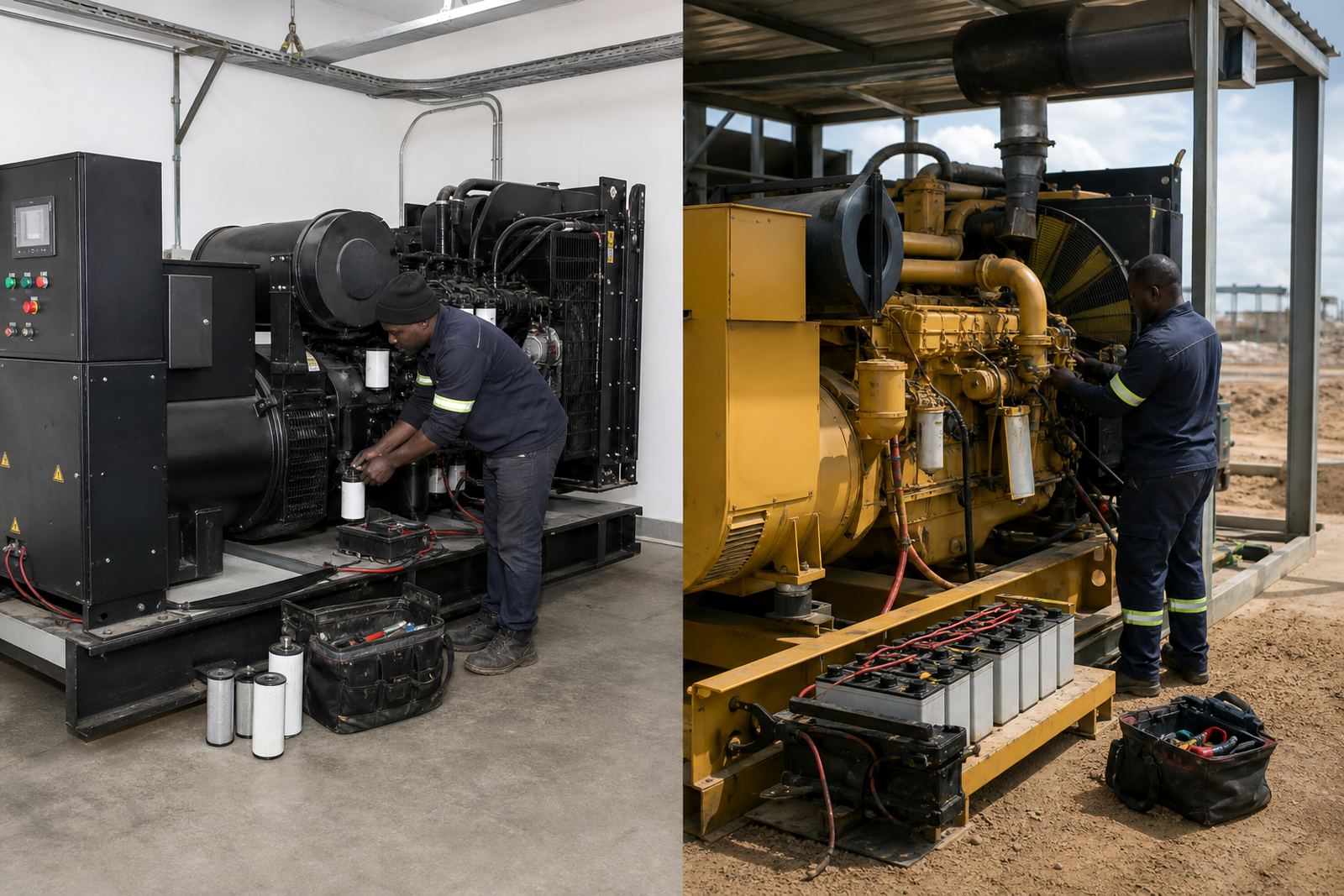
Both standby and prime generators rely on the same core systems, but the order of attention changes. A standby set may need more focus on start readiness and transfer logic, while a prime set needs more attention on wear, heat and sustained output. That is why a proper maintenance contract should not be copied from one site to another without adjustment.
- Oil: Standby units need time-based oil changes even with low run hours. Prime units often need shorter intervals because of operating hours and heat.
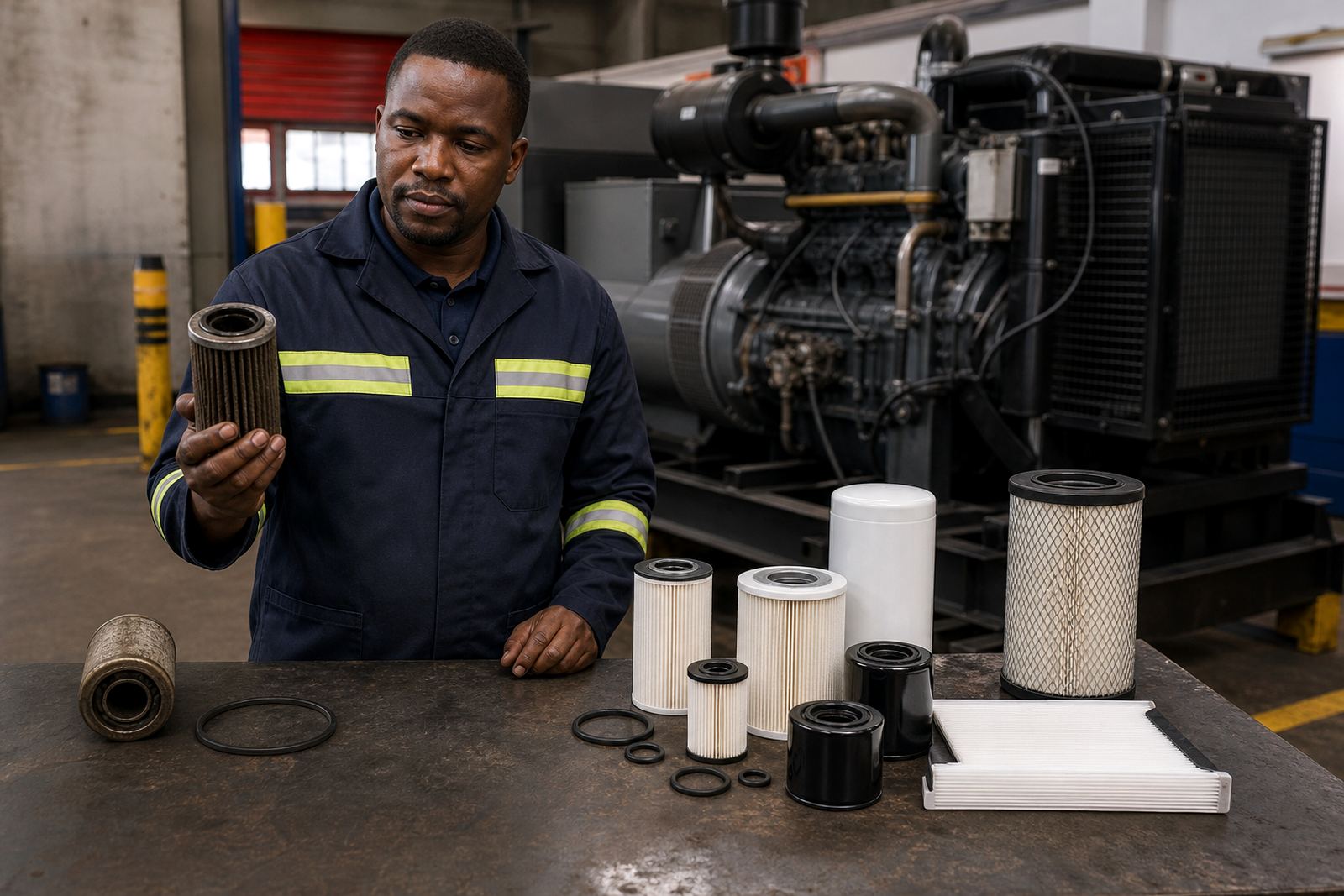
- Filters: Fuel, oil and air filters should be replaced before restriction affects performance. Prime units usually need closer monitoring.
- Coolant: Check concentration, leaks and radiator condition. Prime systems may need more frequent coolant checks due to longer duty cycles.
- Batteries: Standby batteries are critical because the unit may sit waiting for months. Prime units still need testing, but the battery may cycle differently depending on the starting system.
- Changeover switches: Standby sites depend on reliable transfer. Prime sites may still use transfer gear for backup or bypass arrangements, and it should be checked by qualified personnel.
A field checklist that suits both types
There are checks every generator should receive, whatever the duty cycle. The difference lies in how often they are done and what the technician looks for first. At RelGen, our service visits across Midrand, Sandton, Centurion and further afield are planned around site use, access rules and the risk of downtime.
- Inspect for leaks, loose fasteners and damaged wiring or hose clips.
- Check oil, coolant and fuel levels against the service log.
- Test battery condition, charger output and starter performance.
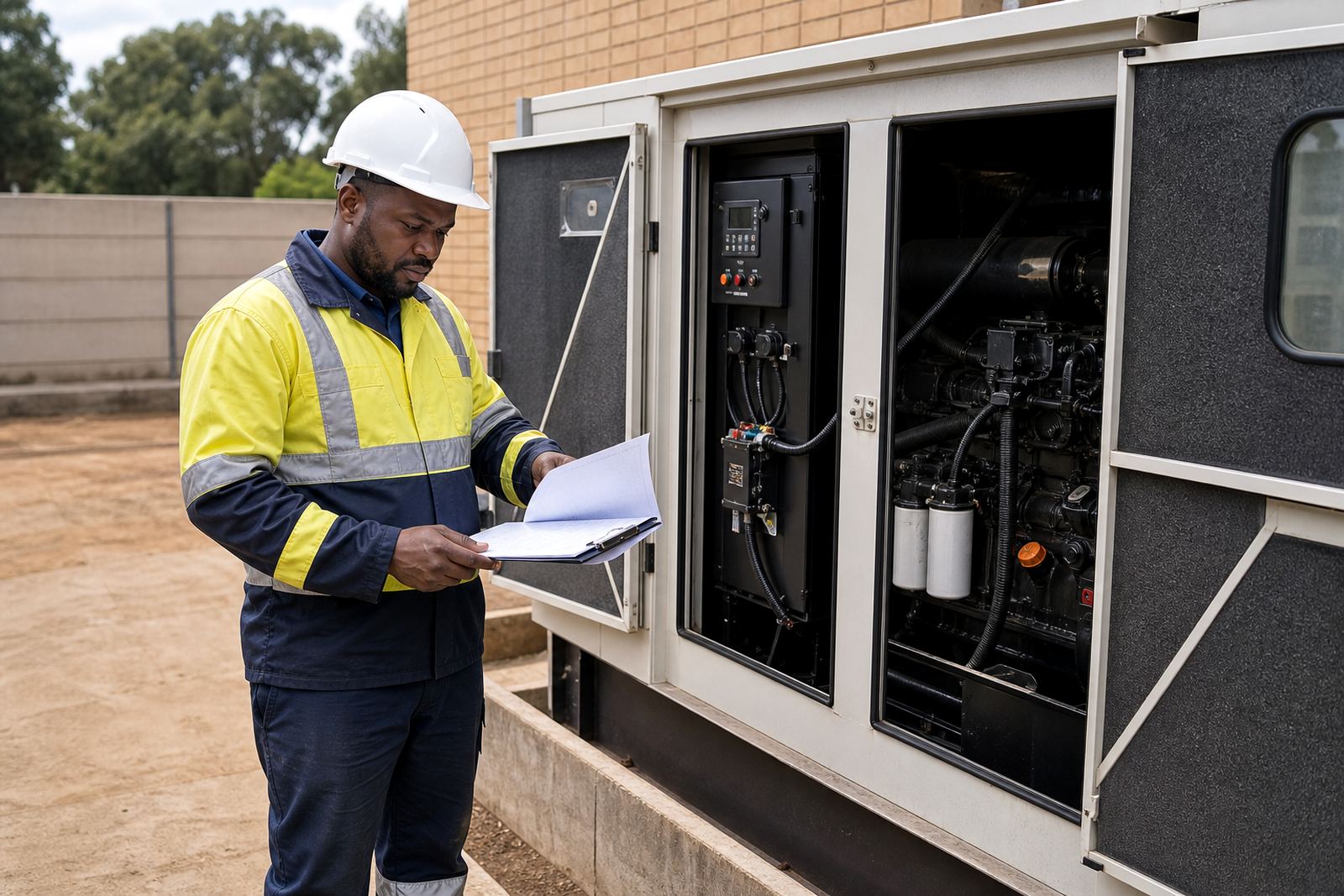
- Review control alarms, running hours and event history.
- Carry out a functional start test and confirm shutdowns are safe and clear.
- Record all findings so the next visit starts with accurate information.
Where a site uses a changeover switch, the switch itself should be inspected for wear, heat marks and correct operation. Any repair or adjustment on live electrical gear must be handled by qualified people under the relevant local rules, not by general maintenance staff.
When service visits should happen more often
Some sites need more frequent attention than others. A standby set in a busy office park in Johannesburg may call for closer oversight than one in a low-use facility, simply because it has to start at a moment’s notice during outages. A prime set on a construction site may need extra attention after dust storms, long heat spells or heavy loading. Coastal humidity, fuel storage conditions and poor ventilation can all shorten service intervals.
Warning signs that the interval is too long include slow cranking, rough start-up, frequent alarms, oily residue, coolant smell, dirty filters or a change in exhaust colour. If a generator has been moved, reconnected or left unused for a long spell, a preventive inspection is wiser than waiting for the next scheduled visit. That applies to standby and prime sets alike, just for different reasons.
Picking the right contract for your site load
A good maintenance contract should match the way the generator is used, not just its size. For standby power, the contract should prioritise readiness, transfer testing, battery health and clean starts after long idle periods. For prime power, the contract should focus on run hours, wear control, oil condition, cooling performance and fuel system care. Where the site has mixed demand, the plan may need both approaches in one schedule.
RelGen supports standby and prime generators from our Midrand base across South Africa, including Johannesburg, Pretoria, Durban, Cape Town and Polokwane. Our team includes Thabo Engelbrecht, with operational support from Naledi Shezi, Johan Matlala, Ayanda Khoza, Muneerah Daniels, Sibusiso Wessels and Rikus Botha. Clients reach us through the enquiry form on our contact page when they need scheduled servicing, emergency callouts or a site review that matches how the set is actually used.