Start with clear access around the set
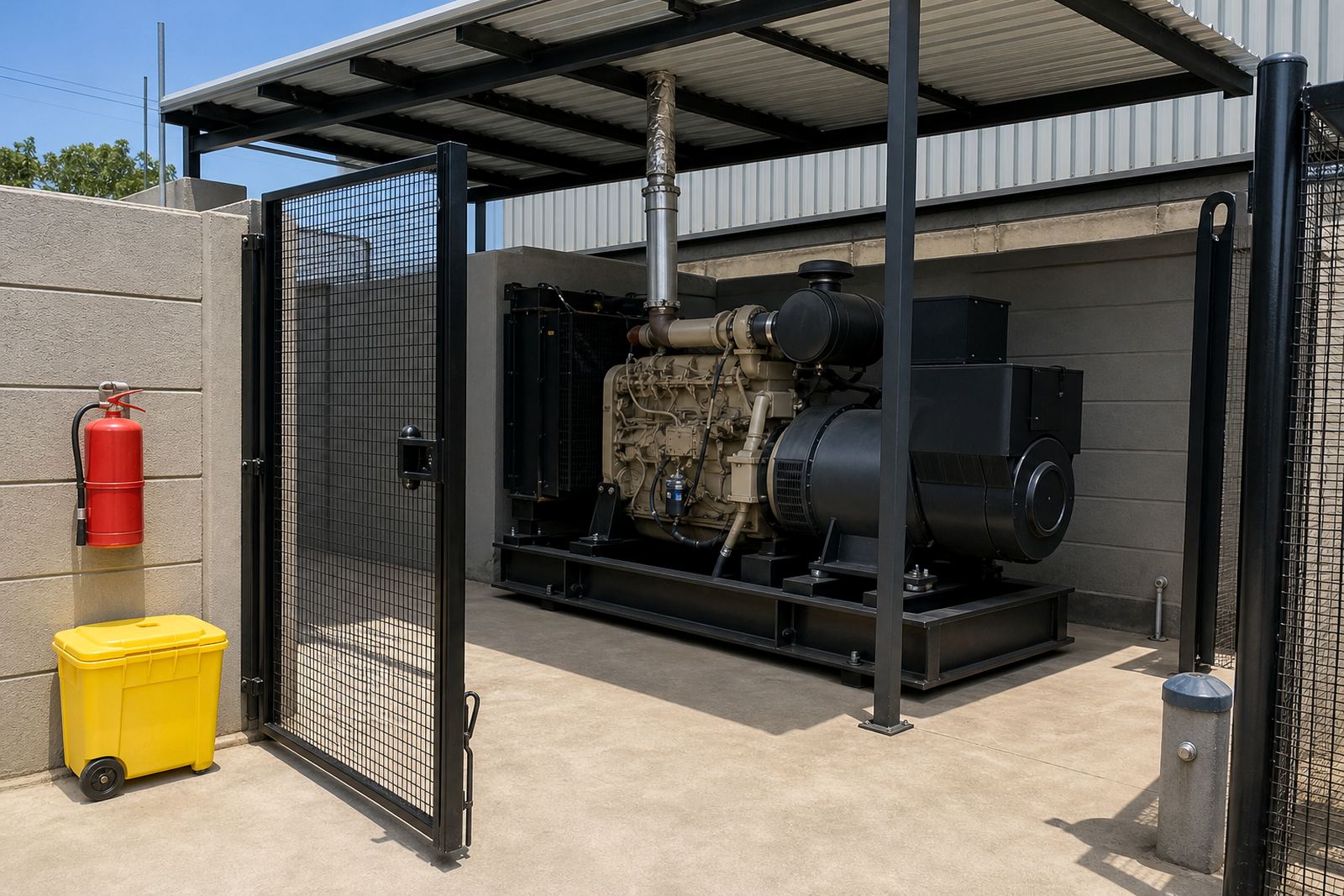
Before any service visit, make sure the generator room, yard or kiosk can be reached without delay. That means clear paths for technicians, enough space to open panels, and safe movement for tools, filters and oil drums. In Midrand, Sandton, Centurion and other business parks, tight basements and shared loading areas often slow down a job more than the fault itself.
Keep access points free of parked vehicles, pallet stacks, waste bins and loose cables. If the site uses security access control, the guard team should know where the generator room is and who is allowed in. A locked plant room is fine, but a lost key or missing escort can waste valuable time during a callout.
- Keep walkways dry and free of rubble, packaging and offcuts
- Leave enough space to open doors, remove filters and inspect belts or hoses
- Make sure lighting is working in the plant room and around external enclosures
- Keep gate codes, keys and access cards updated for authorised staff
Housekeeping that protects the machine
Clean surroundings help with airflow, leak spotting and safer maintenance. Dust, paper, bird nesting material and standing water can all create problems around the set. On coastal sites in Durban or Cape Town, salt moisture can build up on metal surfaces, while inland dust in Gauteng and Polokwane can settle into air intakes and control panels.
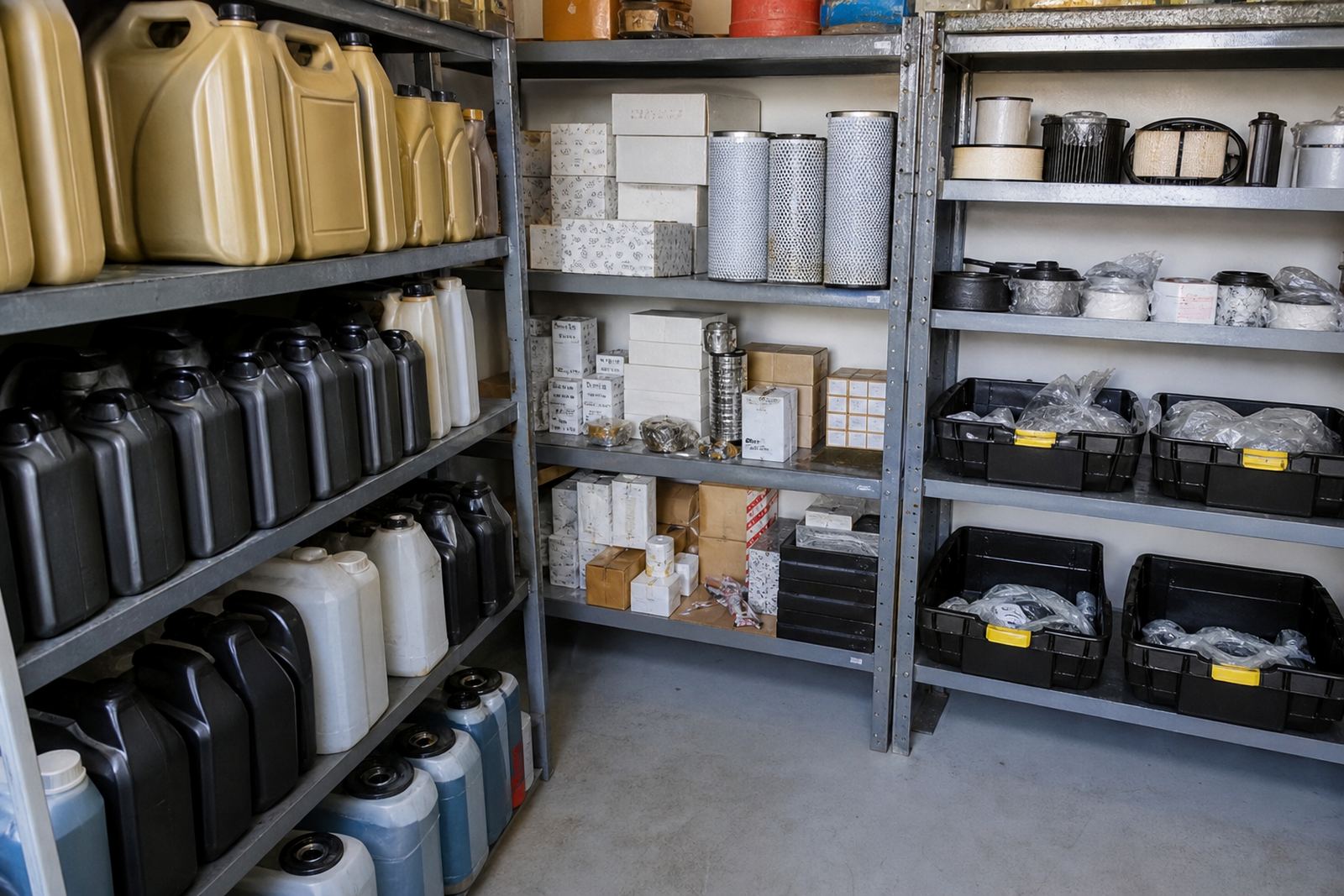
Good housekeeping does not mean polishing every surface. It means removing anything that can block ventilation, attract vermin or hide a fuel, oil or coolant leak. Keep absorbent material nearby for small spills and dispose of it properly after use. If fuel is stored on site, it should be kept secure, clearly labelled and away from ignition risks.
- Remove dust from louvers, vents and floor grilles
- Check for oil patches, coolant residue or wet spots under the frame
- Keep rags, cardboard and packaging away from hot parts
- Do not store chemicals, paint or spare tyres next to the generator
Records the technician should find straight away
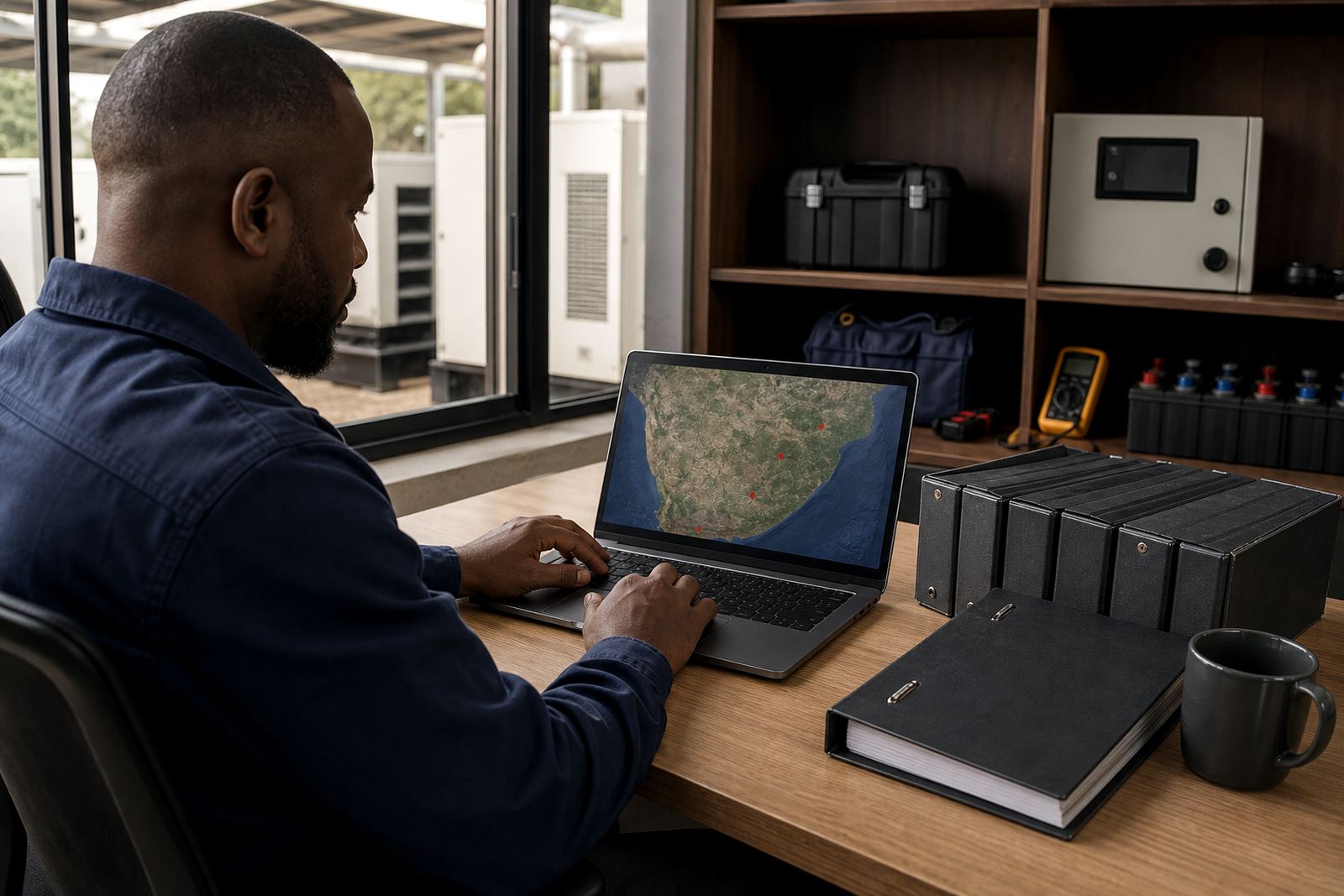
Service records save time and help prevent repeat faults. A technician arriving for scheduled servicing should be able to see the last oil and filter change, coolant checks, battery tests, load bank testing and any previous alarms or trips. If there are multiple generators on one site, each set must have its own file or log sheet.
It also helps to keep a list of site contacts, operating hours, recent outages and any changes to the electrical layout. Electrical work must be handled by qualified people in line with local regulations, especially where changeover switches or control wiring are involved. Missing records often lead to extra testing, longer downtime and more admin than needed.
- Keep maintenance logs in one place, on site and easy to find
- Record service dates, oil type used, filter changes and coolant top ups
- File notes on fault finding, starter issues and fuel system repairs
- Keep a list of approved contacts for access, shutdowns and sign off
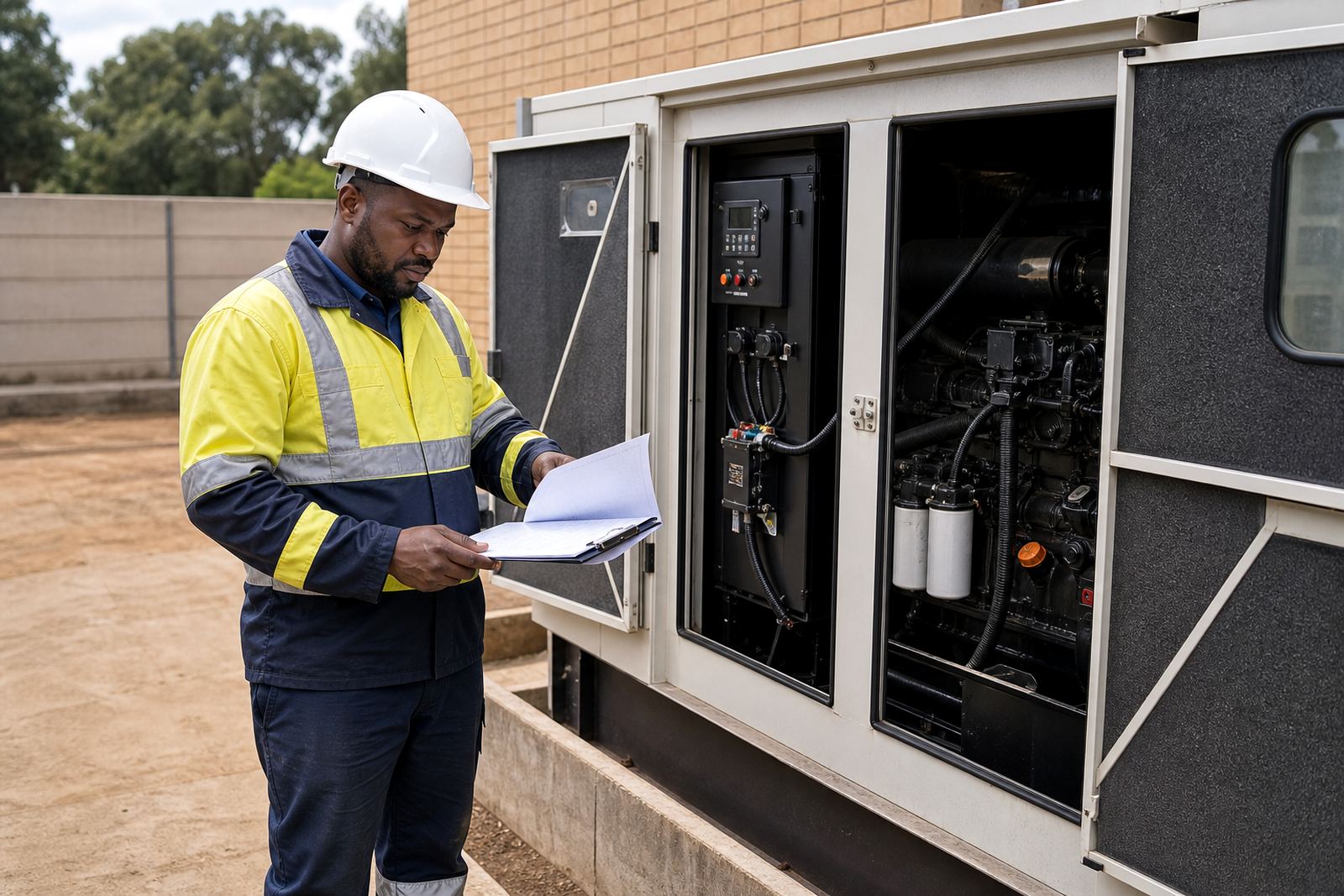
Safety checks before anyone opens the canopy
Safety starts before tools come out. The generator must be isolated correctly, and only qualified people should work on electrical systems or changeover equipment. If the installation is in a factory, warehouse or office block, nearby staff need to know when testing is planned so they do not reset switches, open panels or stand in the wrong place.
Look at the area around the set for heat, exhaust routing, oil mist, loose covers and damaged insulation. Make sure emergency stops are visible and that the site team knows where they are. A clean, well marked area makes it easier to spot a problem early, which is especially important during load-shedding or when a plant runs on prime power.
- Confirm isolation and lockout procedures before work starts
- Check that emergency stops are visible and not blocked
- Keep unauthorised staff out of the work zone
- Make sure the exhaust path is clear and not blowing into an enclosed area
Fuel, batteries and cooling need a quick site walk
Most avoidable breakdowns show warning signs around fuel, batteries and cooling. A site readiness check should include visible hoses, clamps, battery terminals, electrolyte condition where applicable, and any signs of seepage around the tank or day tank. If the site has had recent building work or a delivery truck strike, inspect the line routing carefully because a small knock can loosen a fitting.
Cooling systems also need enough space and clean airflow. Blocked radiators, low coolant level or damaged hoses can cause overheating fast, especially when the set is carrying a heavy load. For standby systems, battery condition is just as important because many callouts turn out to be starting issues rather than engine problems.
- Inspect battery terminals for corrosion or looseness
- Check coolant level, hose condition and fan belt wear where fitted
- Look for leaks around fuel lines, filters and pump connections
- Make sure the radiator and air intake are not blocked by debris
Make space for testing, not just repair
Testing is easier when the site has been prepared for it. Load bank testing needs safe access, enough ventilation and a place to position the equipment without blocking exits or deliveries. Changeover switch checks also need coordination with the building team, because even a brief interruption can affect production, security systems or refrigeration.
If you want a service plan to work well over time, the site should also allow for preventive inspections. That means a clear route in, a clean working area, records ready to hand over and someone available to confirm any site changes. RelGen supports maintenance contracts for businesses in Johannesburg, Pretoria, Durban, Cape Town, Polokwane, Midrand, Centurion and Sandton, with scheduled servicing, emergency callouts and routine inspections planned around the site’s real conditions.
- Plan a safe place for load bank equipment and cable runs
- Warn staff before changeover switch checks or test starts
- Keep the area clear enough for shutdown, inspection and restart
- Make sure the site contact can confirm recent changes to the installation