
Start with the location and the quickest way in
Give the exact site address, the nearest landmark and which entrance the technician should use. In Midrand, Sandton or central Pretoria that can save valuable time where security counters, boom gates and tenant access rules slow everything down.
- Full physical address and suburb
- Gate code, security contact or access office
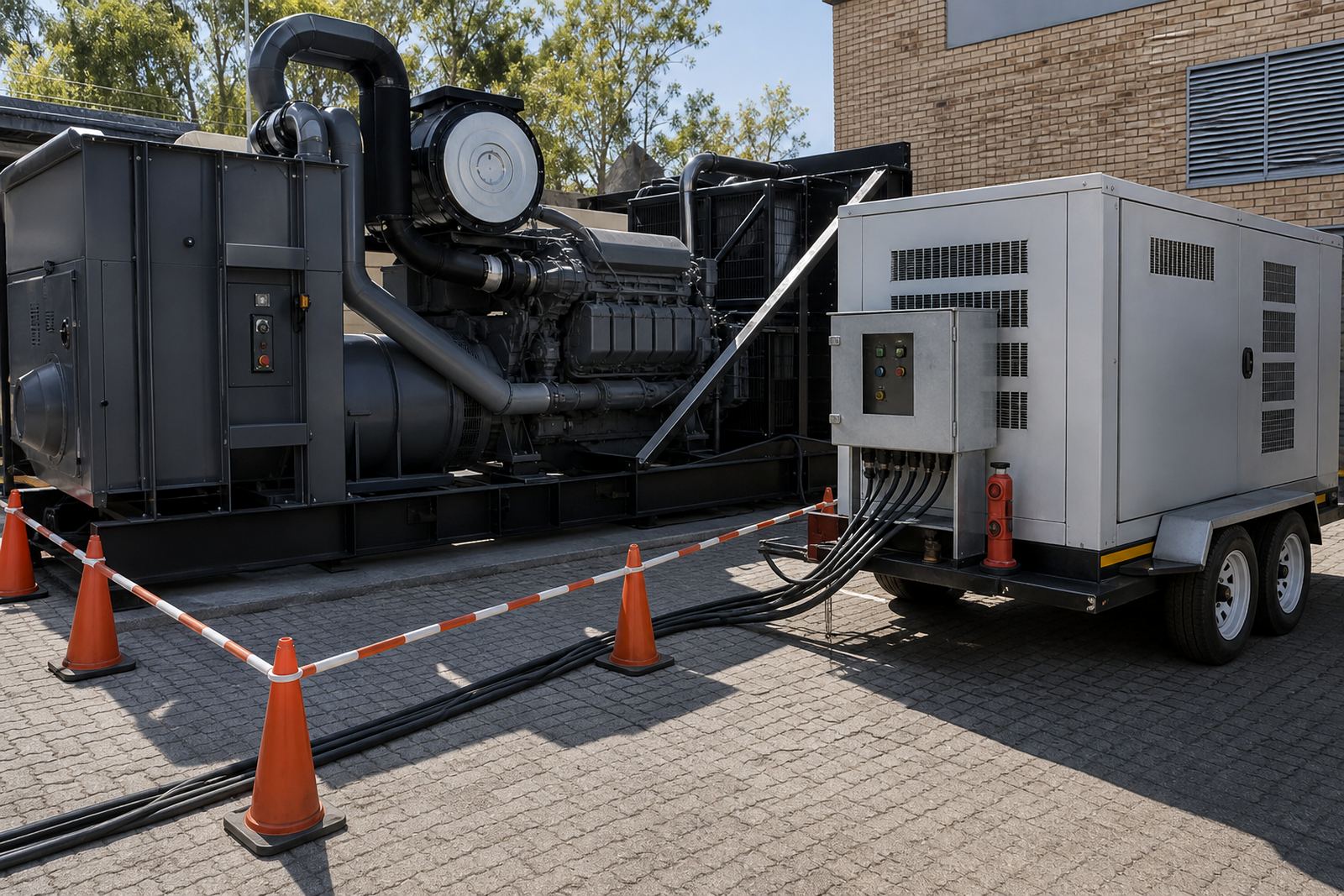
- Whether the set is on a roof, in a basement or outside on a slab
- Any height, parking or delivery limits for a service vehicle
If the unit serves a retail centre, factory, body corporate or remote plant, mention the area it feeds. That helps the crew work out whether they will be dealing with a standby unit, a prime set or a mixed site.
Describe what the generator is doing, not just that it is down
Say what happened just before the fault. Did the set fail to start, stop under load, overheat, smoke, trip on alarm or refuse to change over? Short, exact details are better than a long story.
- Did it start and then stop, or not start at all?
- Are there warning lights, alarms or a fault code on the controller?
- Was the failure after a mains outage, during testing, or while carrying load?
- Is there unusual noise, vibration, fuel smell or visible leak?
It also helps to say whether the building is fully on generator, partially on generator, or still on utility supply. On busy sites in Durban and Cape Town that detail often changes the next step.
The set details that save time on the road
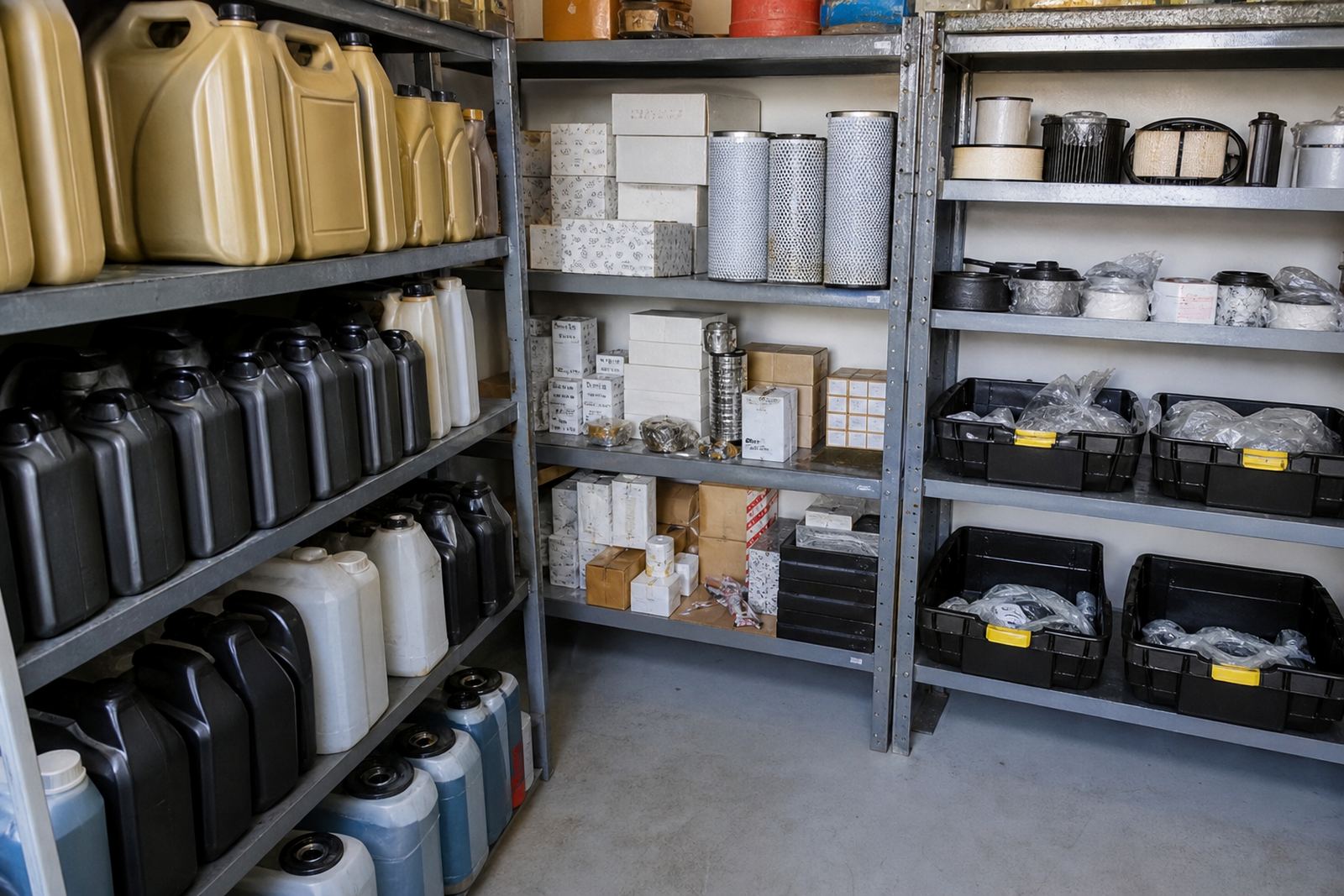
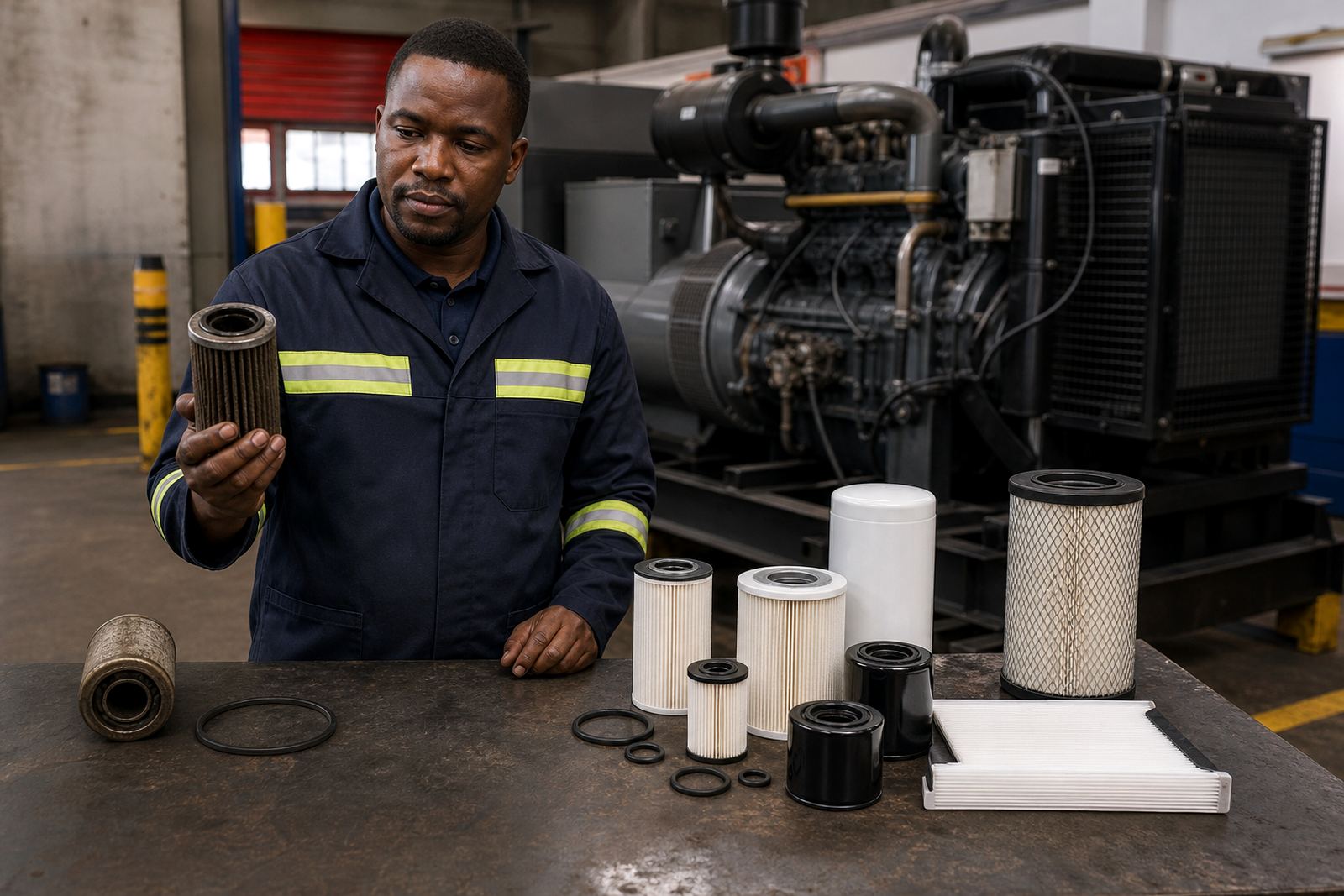
Keep the generator information close at hand. If you have the set number, kilovolt-amps and service records, the technician can bring the right filters, belts, batteries or control parts first time round.
- Generator size and whether it is single or three phase
- Model details from the nameplate if available
- Approximate running hours
- Last oil and filter change, coolant service and battery test
- Any recent repairs, especially starter or fuel system work
Do not guess if you are unsure. Even an approximate answer is useful and a follow up can confirm the rest once the technician is on site.
Tell us what has already been checked
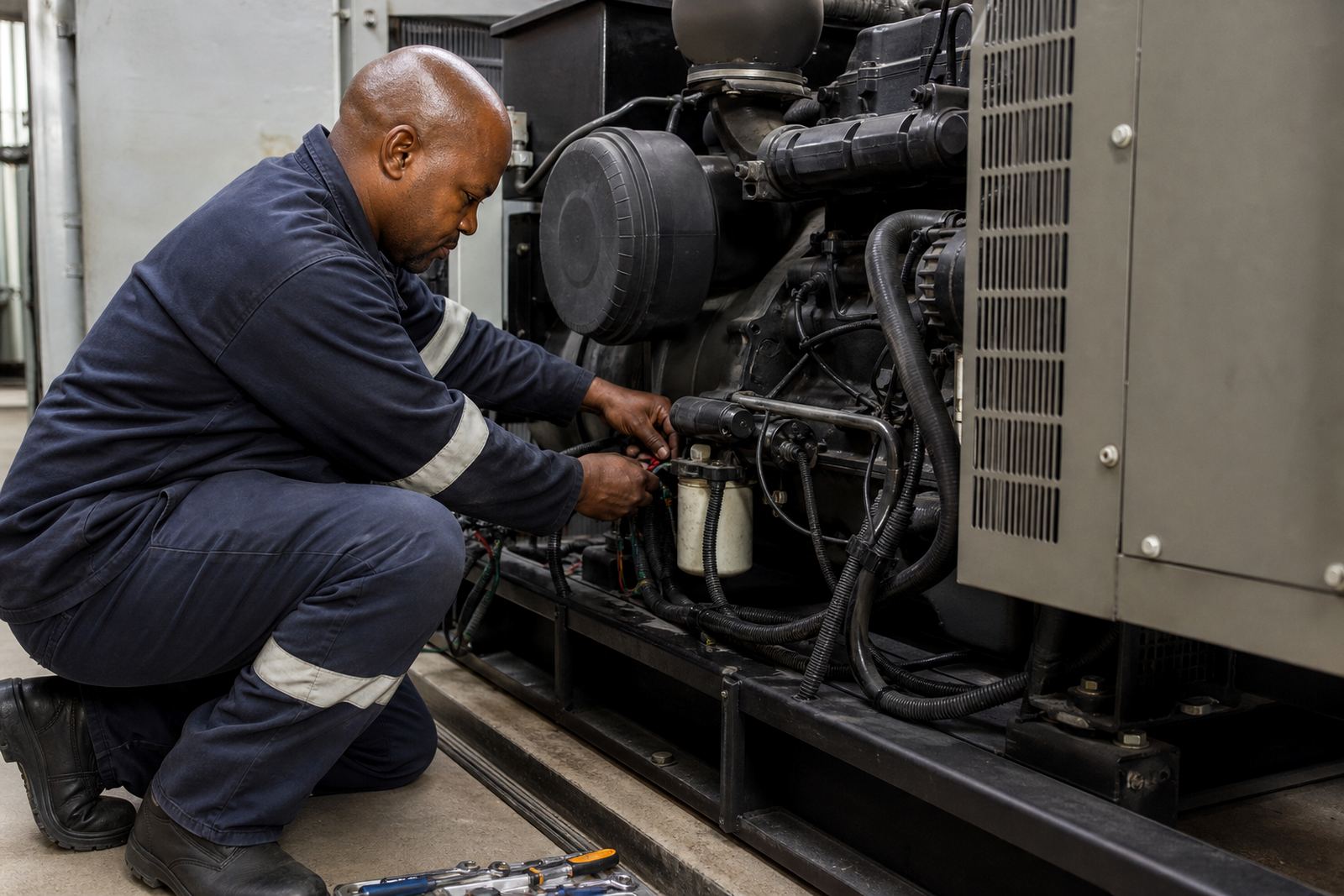
Before an emergency callout, many clients can already confirm a few basics without touching live parts. That helps narrow the fault and avoids repeating checks that have already been done.
- Fuel level and whether the tank valve is open
- Oil level, coolant level and any obvious leak
- Battery condition and whether terminals look loose or corroded
- Whether the changeover switch has operated correctly
- Any recent power interruption, overload or abnormal site event
Electrical work must be done by qualified people under local regulations, so it is best to stop at observation and reporting. If your site team has already isolated the system, say so clearly and mention who did it.
Access notes for rooftops, basements and shared sites
Access problems can slow a repair more than the fault itself. In shared properties and commercial parks, the wrong access note often means a technician has to wait at the guardhouse while a manager is tracked down.
Include any of these:
- After-hours security arrangements
- Lift size limits or stair access only
- Noise restrictions for night work or neighbours
- Municipal or landlord permits needed for shutdown work
- Space for load bank testing if the set needs a controlled run under load
For coastal sites, salt air and humidity can affect battery terminals, alternators and control wiring. Mention that the site is near the coast if you are in Durban or Cape Town so the technician can factor that in.
What records should sit in the callout file
A tidy file makes repeat faults easier to trace. It also helps with scheduled servicing, preventive site inspections and service record audits when a contract site has a history of the same alarm or shutdown.
- Previous service sheets
- Details of any overdue maintenance
- Last load bank test result
- Changeover switch checks and repairs
- Any recurring starter, battery or fuel complaints
If the unit has been sitting unused for a while, say how long. Old fuel, flat batteries and sticky changeover gear are common on standby sets that only wake up during outages.
A good urgent request sounds like this
Keep the message short, but give enough detail for a quick first response. A clear callout note might read: site in Centurion, standby generator failed to start after outage, alarms showing on controller, battery condition unknown, access through security gate, last service done recently but no load test after that. That is enough for the team to plan the first visit.
It is also useful to say whether production can continue, whether tenants are affected, and if there is a risk of spoilage, downtime or safety issues. The more the situation is explained, the faster the right technician can be dispatched from Midrand, Johannesburg, Pretoria, Durban, Cape Town or Polokwane.
At RelGen, our service contracts are built around that kind of site detail, because the right information makes emergency response cleaner and less wasteful.