What a changeover switch does when the lights go off
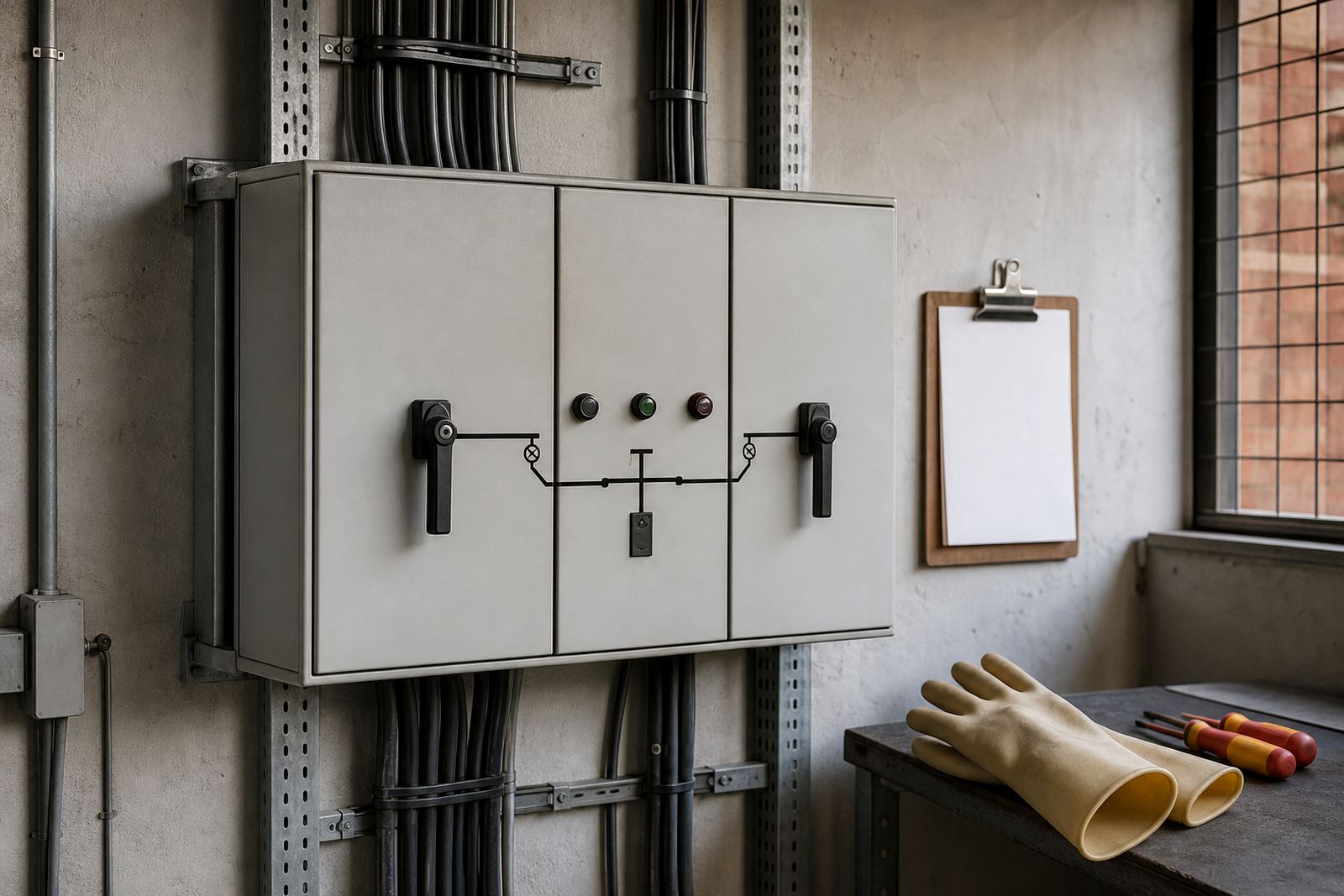
The changeover switch controls which source feeds your site at any given time. In a normal setup, it keeps the building on municipal supply until power fails, then changes over to generator supply so operations can continue. When the utility supply returns, the switch transfers the load back again.
That transfer sounds neat on paper, but in real sites there are alarms, pumps, lighting circuits, access control, servers and production loads all waiting on a clean handover. If the switch is sticky, loose, incorrectly set or badly maintained, you can get failed starts, partial supply, nuisance tripping or a dead line when staff are already under pressure.
Checks that keep the transfer safe and predictable
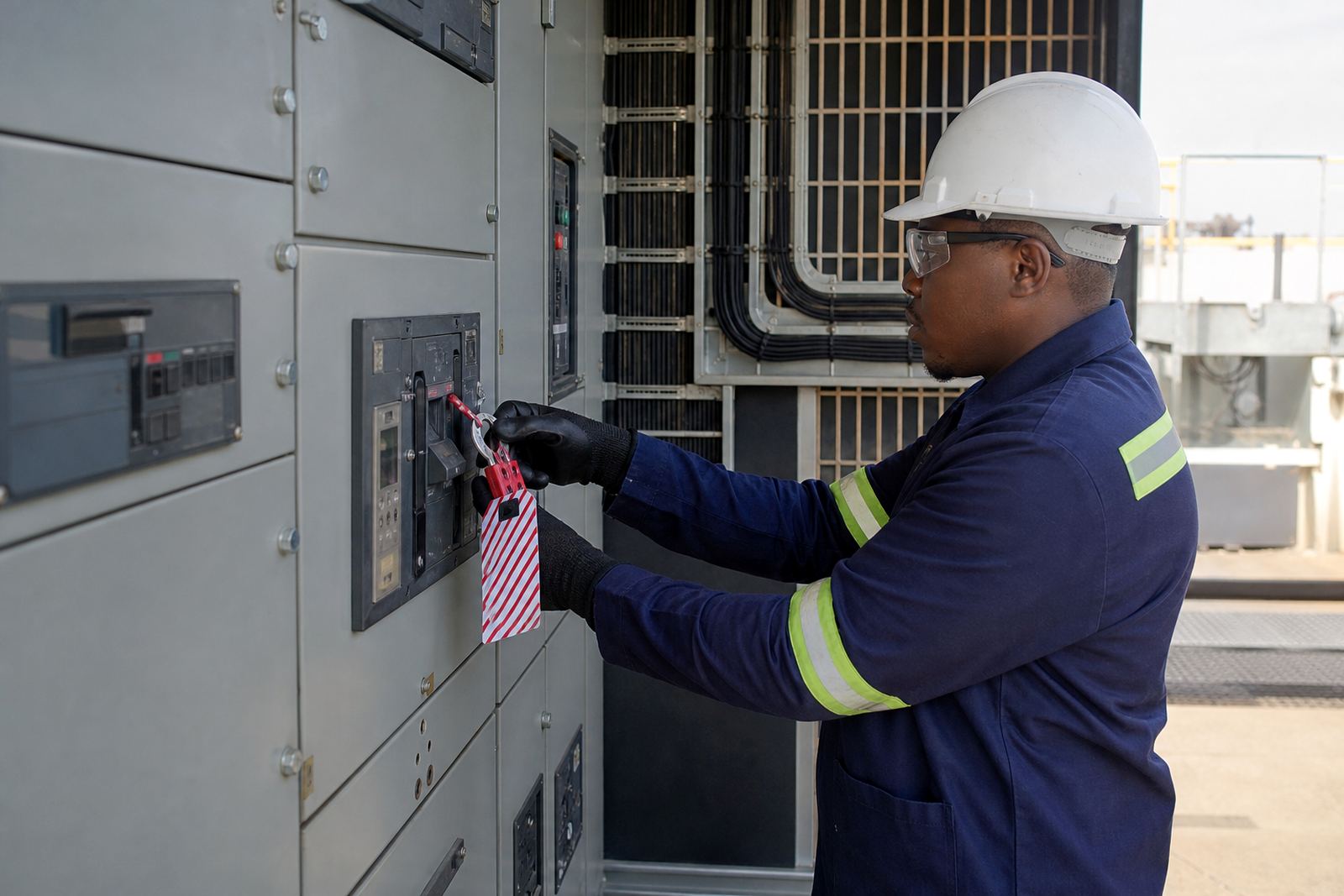
Changeover switch checks are not just a quick visual glance. A proper inspection looks at the condition of the contacts, cable terminations, control wiring, interlocks and the physical operation of the switch. We also check that labels are clear and that the sequence matches the site’s load arrangement.
- Inspect for heat marks, corrosion or loose covers
- Test manual and automatic transfer action
- Verify interlocking so both sources cannot feed together
- Confirm the control settings match the generator and panel arrangement
- Check for signs of wear on contact points and auxiliary parts
On a commercial site in Centurion, for example, a transfer switch can sit in a dusty plant room and only get attention when a power cut arrives. That is usually too late. Regular checks pick up small faults before they become a callout at 7pm on a rainy Thursday.
Where generator servicing and switch checks meet
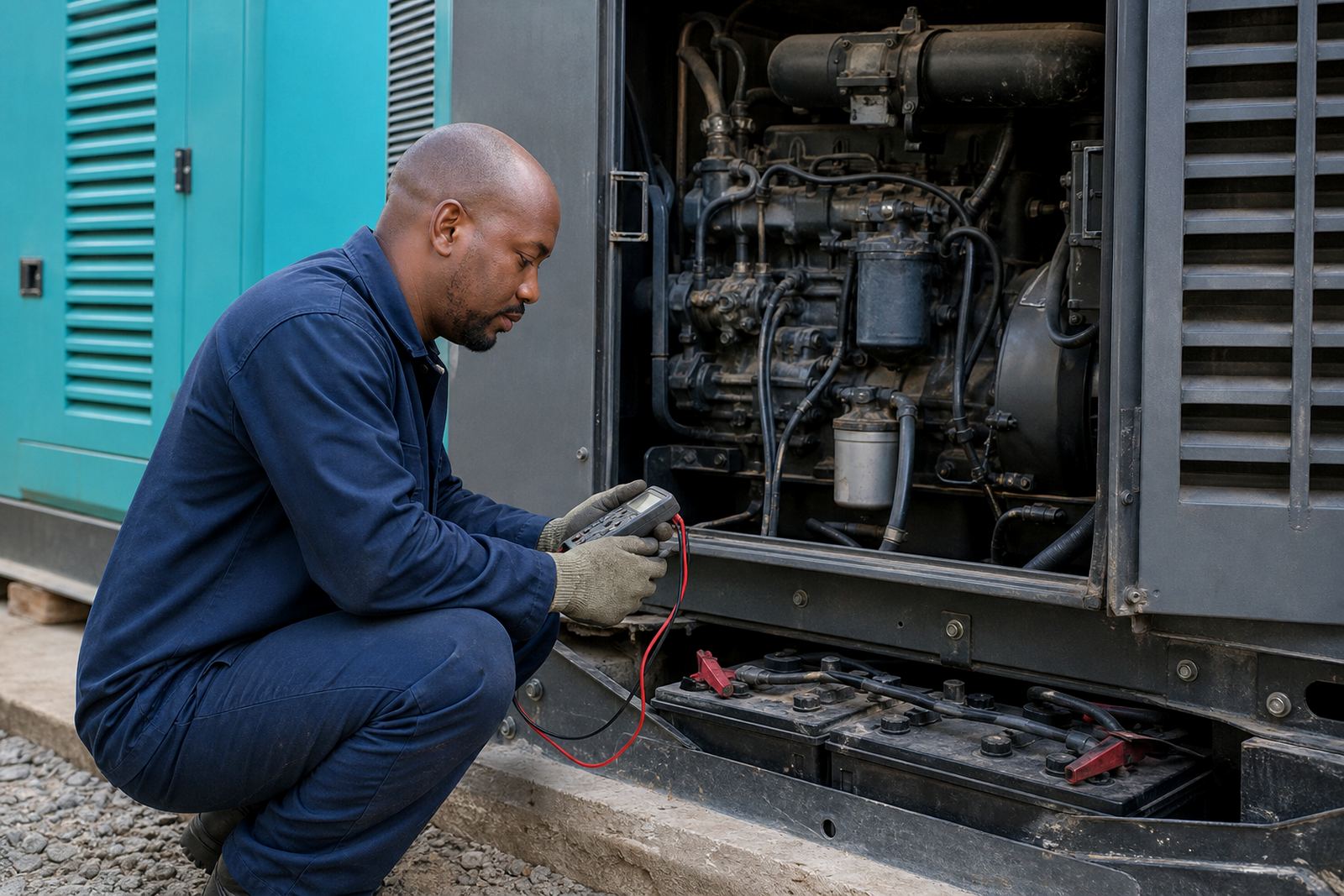
The changeover switch does not work in isolation. If the generator has weak batteries, a clogged filter, low coolant, or a fuel system fault, the switch may transfer correctly but the set still will not carry the load. That is why switch checks form part of a wider service plan rather than standing alone.
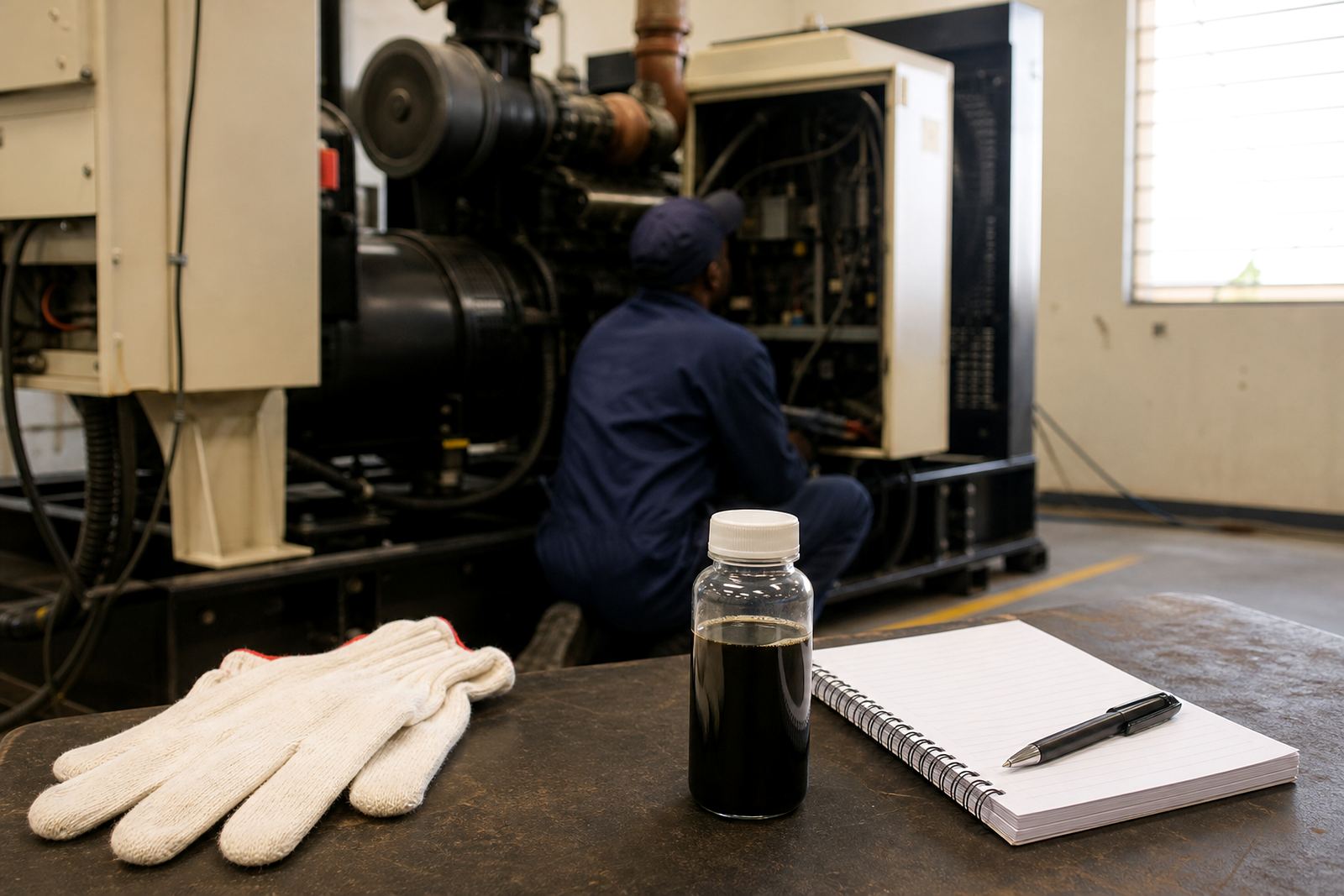
A sensible maintenance visit often includes oil and filter changes, coolant system service, battery testing, load bank testing and fuel system repairs where needed. Load bank testing is especially useful because it proves the generator can take real demand, not just idle in the yard. If the generator runs but the transfer point fails, the problem may sit in the control side, the switch gear, or the wiring between the two.
- Generator starts but fails to carry load
- Transfer works manually but not automatically
- Switch chatters or trips when load returns
- Intermittent supply after reconnection
- Heat build-up around terminals or contact points
What only qualified electrical people should touch
Electrical work on changeover equipment must be done by qualified people in line with local regulations and site procedures. That covers isolation, testing, fault tracing, repairs and final re-commissioning. It is not the place for guesswork, especially where live conductors, standby supply and automatic controls are involved.
For business owners, the practical rule is straightforward: maintenance teams can report what they see, but any stripping, rewiring, live testing or corrective electrical work should be done by the right person with the right authorisation. This protects staff, prevents damage to the switch gear and keeps the site compliant with municipal and occupational requirements.
Signs the switch needs attention before the next outage
Most changeover trouble gives warning signs. If staff notice a delay when returning to mains, unusual noise from the panel, burnt smell, unexplained trips or a switch that feels stiff, those are worth acting on quickly. A lot of sites in Gauteng only discover the problem during load shedding, which is the worst time to learn the switch was overdue for service.
Coastal humidity in Durban and Cape Town can also affect contacts, terminals and enclosure hardware over time. Inland sites around Midrand, Johannesburg and Pretoria often deal more with dust and vibration from traffic or plant rooms. The environment changes the kind of wear, but the fix is the same: inspect early and keep records.
Good service records make it easier to see patterns. If the same alarm repeats every few months, or if a switch has been tightened up more than once, the issue may be deeper than routine wear.
How a maintenance contract helps busy sites stay ready
For businesses running standby or prime generators, a maintenance contract helps keep the transfer system checked on schedule rather than only after a fault. That matters for factories, construction sites, offices, warehouses and process plants where downtime costs money and staff time.
At RelGen, we support sites across Midrand, Johannesburg, Pretoria, Sandton, Centurion, Durban, Cape Town and Polokwane with scheduled servicing, emergency callouts and service record audits. The aim is to keep the generator, changeover switch and related systems ready for the next interruption, not after it has already disrupted the day.
Where needed, we also carry out preventive site inspections so small issues do not get missed between services. That includes checking that the transfer arrangement still matches the site load and that the changeover sequence is working as intended.
A Midrand example that shows why the details matter
A distribution site in Midrand may run fine for months and then hit a short outage during a storm. If the generator starts but the changeover switch is dirty or the control circuit is loose, the site can sit in the dark while everyone assumes the set has failed. In practice, the problem may be a worn switch contact, a loose terminal, or a control issue that would have been caught in a routine inspection.
That is why changeover switch basics are not only for electricians. Business owners and site managers should know the warning signs, the limits of what can be checked safely, and when to call in qualified support. A working generator is only half the picture if the transfer point is not in order.