A small sample can save a shutdown
For standby and prime generators, oil condition checks are one of the most useful tools in a maintenance contract. A clean oil sample can confirm that a set is coping well with its duty cycle, while a dirty or unusual sample can point to wear, coolant ingress, fuel dilution or overdue servicing. In practice, that means better decisions and fewer surprises during a power failure or a long running spell.
Sampling works best when it is done regularly and taken in the same way each time. That consistency matters because one rushed sample taken after a top-up tells a very different story from a sample taken hot, after the machine has stabilised. If a set in Midrand is used for load shedding support, and again for weekend production, the oil will show the strain long before a breakdown becomes obvious.
What the lab note should be looking for
A proper oil condition report is not just a pass or fail note. It should be read alongside service history, operating hours and recent site events such as a long outage, dusty work on site, or a cooling problem. The useful points are usually practical and measurable rather than dramatic.
- Viscosity changes that suggest the oil is thinning or thickening beyond normal use.
- Fuel dilution, which can happen when injection, cranking or short run cycles are not right.
- Coolant traces that may point to a leaking gasket, liner issue or heat exchanger problem.
- Metal wear particles that can hint at bearings, rings or other internal parts working harder than they should.
- Soot and dirt levels that may show poor combustion or dusty site conditions.
At the same time, the numbers must be read with care. A single high reading does not always mean immediate failure, but it does mean the technician should ask questions and inspect the set properly.
How to take a sample without misleading yourself
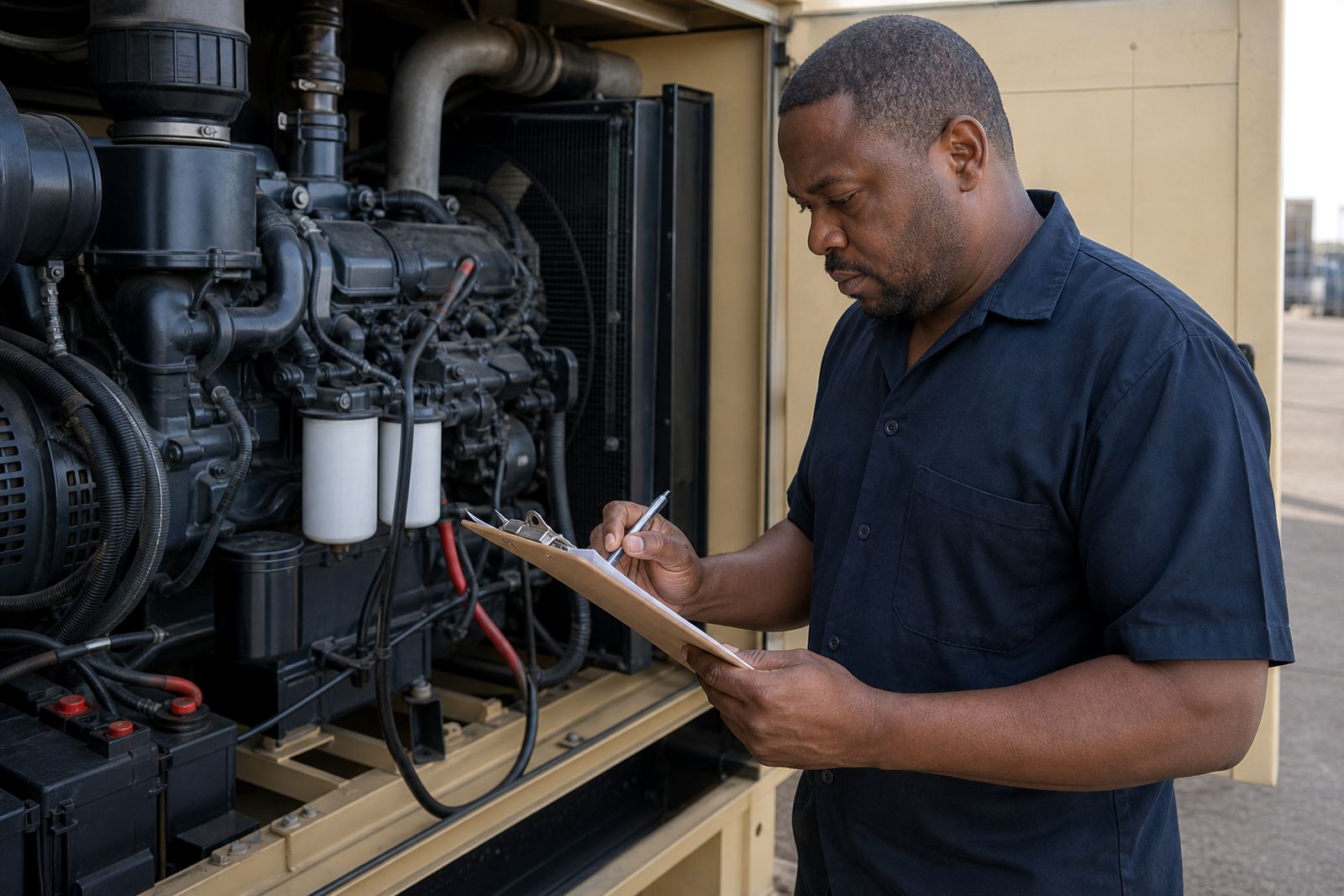
Oil sampling is only useful if the sample reflects the actual condition of the engine. That is why the person taking it must be careful and follow the same method every time. Electrical work and any related fault finding must be handled by qualified people under local regulations, and the same discipline applies to mechanical checks around a live generator room.
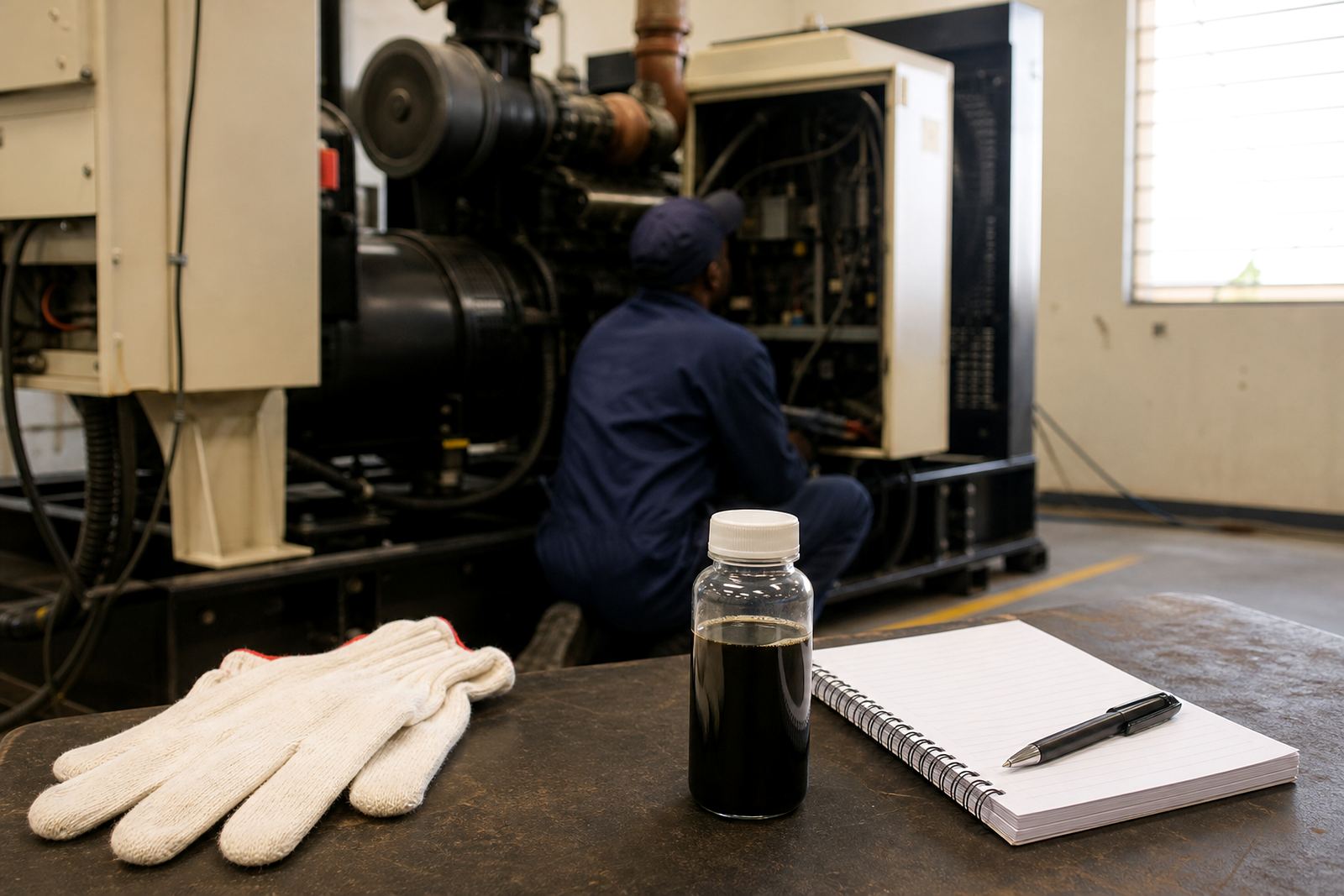
Good sampling practice usually includes the following:
- Take the sample from a running or recently stopped engine at normal operating temperature.
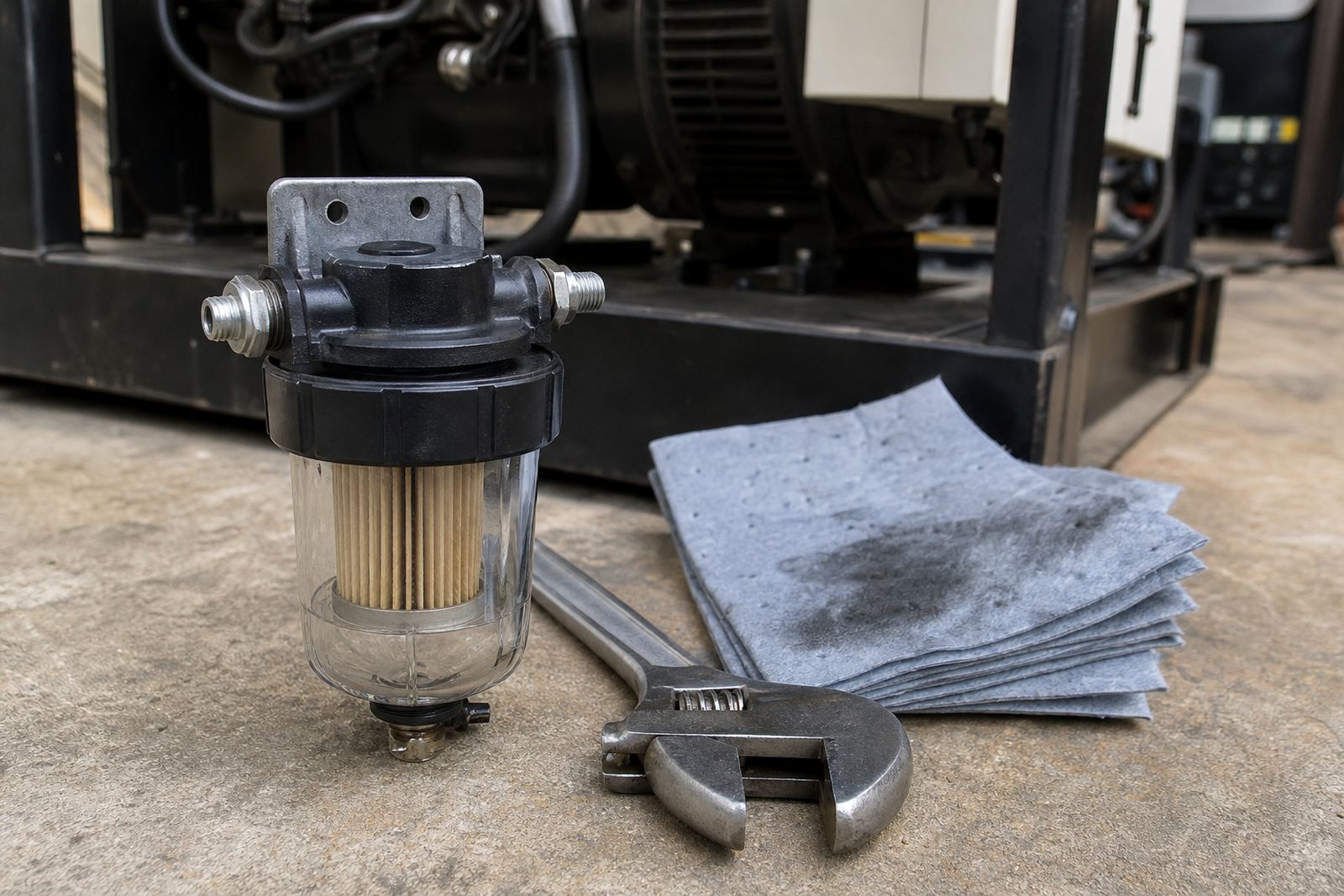
- Use a clean bottle and keep dust, water and rag fibres out of it.
- Record the generator hours, last oil change date, and any recent faults or leaks.
- Do not take a sample from a drain pan or from old oil left in a container.
- Label the sample clearly so the results can be matched to the correct set.
On some sites, especially where a generator room is cramped or the floor is dusty, the risk of contamination is higher. A little care at the point of sampling can prevent a false alarm or a missed warning.
When the oil points to more than an oil change
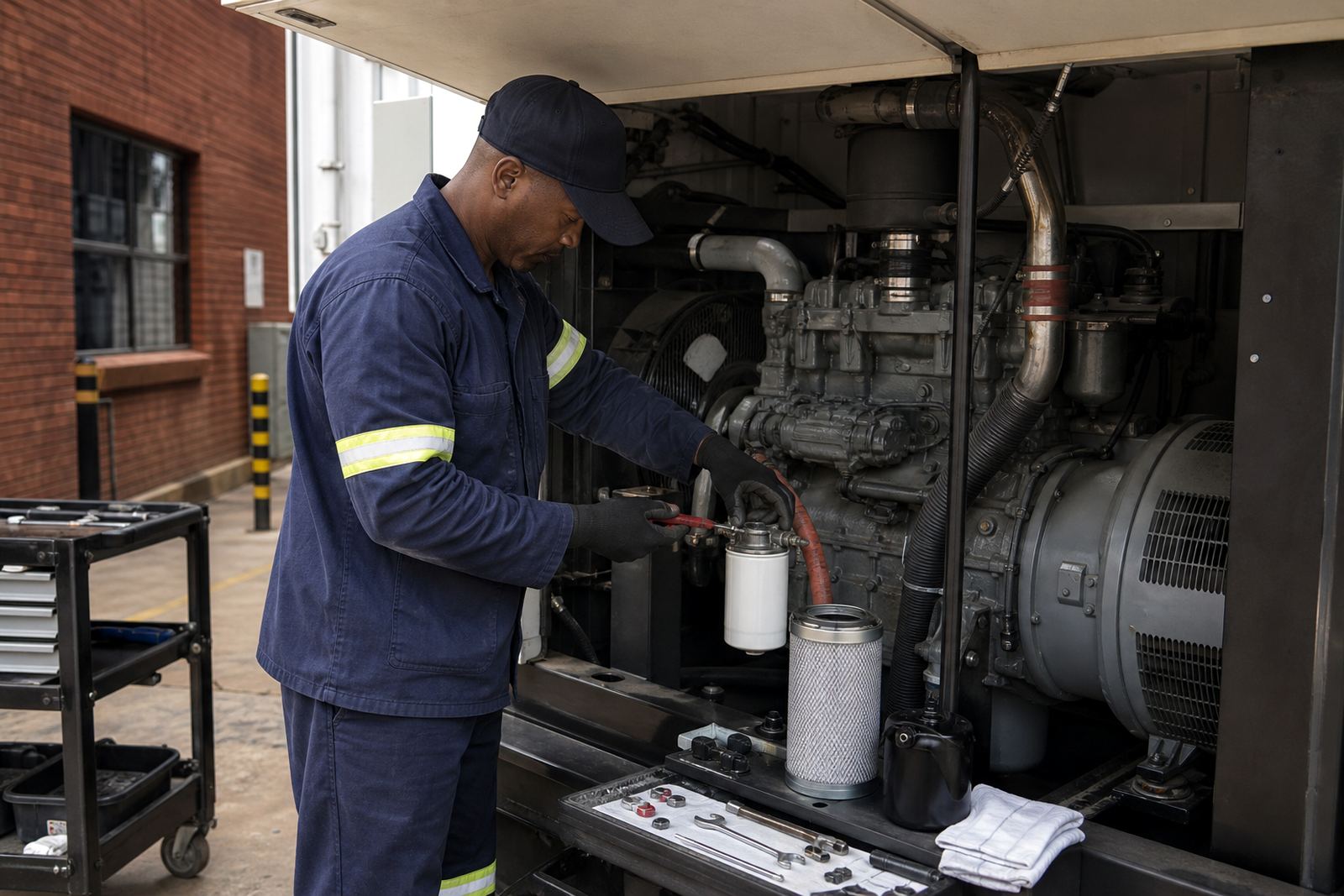
Oil reports often reveal issues that a normal walk-around inspection may not catch. A customer may think the set only needs an oil and filter change, but the sample could show a coolant leak, dirty combustion, or crankcase stress that needs deeper work. That is where service records matter, because the report should be read against previous findings, not in isolation.
RelGen teams working on maintenance contracts across Gauteng and other provinces use these notes to guide the next step. If a standby unit in Sandton has repeated traces of contamination, for example, the answer may be a closer inspection of hoses, seals, breathers and the cooling system rather than just another routine drain and refill. If a prime set on a construction site near Pretoria is burning through oil faster than expected, the load profile and site conditions need to be reviewed too.
A Midrand example with a practical result
On a commercial site in Midrand, a generator used for standby support had no obvious symptoms apart from slightly harder starting on cold mornings. The oil sample showed early signs of fuel dilution and elevated wear debris. Nothing dramatic was visible from outside, yet the note was enough to trigger a fuller inspection.
The technician found that short, repeated run cycles were leaving the engine under-formed in its warm-up pattern, and the battery condition was not helping the start sequence either. After the service team corrected the issue, the customer had a clearer maintenance plan and fewer surprises during peak demand. That is the point of sampling: it gives context before the problem becomes a failure.
For sites in Durban or Cape Town, coastal humidity can also affect how teams interpret the wider maintenance picture. Oil sampling may show a healthy engine, while other parts of the system still need attention because of corrosion risk, filter condition or poor enclosure sealing.
How to use the note in a maintenance contract
Oil sampling should never sit alone on a file. It works best as part of a maintenance contract that also covers scheduled servicing, battery testing, load bank testing, changeover switch checks and service record audits. When all those records are kept together, the maintenance team can see whether the generator is ageing normally or giving early warning signs.
That approach also helps with budgeting and planning. A site in Polokwane may need a more frequent inspection cycle because of dust and long running hours, while a business in Centurion may need closer attention to start-up reliability after repeated grid interruptions. In both cases, the sample gives the technician a factual note instead of a guess.
- Use oil sampling to confirm service timing, not to replace servicing.
- Keep the records with operating hours and fault notes.
- Act quickly when the same warning appears more than once.
- Match the oil result to the load pattern and site environment.
What a good report helps you decide next
A useful oil note should leave you with a clear action, not more confusion. It may confirm that the set can continue to run to the next service date, or it may support an earlier oil and filter change, coolant check, battery test or fuel system inspection. In some cases it may point to a changeover switch check too, because the real issue is not only inside the engine but in how the generator is being called to start and carry load.
For businesses across Johannesburg, Pretoria, Durban, Cape Town and Polokwane, that kind of practical note is worth more than a generic comment. It gives the maintenance manager something concrete to work with, and it helps the technical team focus on the right fault before downtime spreads through the rest of the operation.