The job changes the service interval
A standby generator may sit quietly for weeks, then be called on the moment the municipal supply drops out or a breaker trips. A prime unit works harder, often for long stretches, and that means wear builds faster on oil, filters, belts, hoses and starting components. The maintenance priority is not only to keep the set running, but to keep it ready for the kind of work it is expected to do.
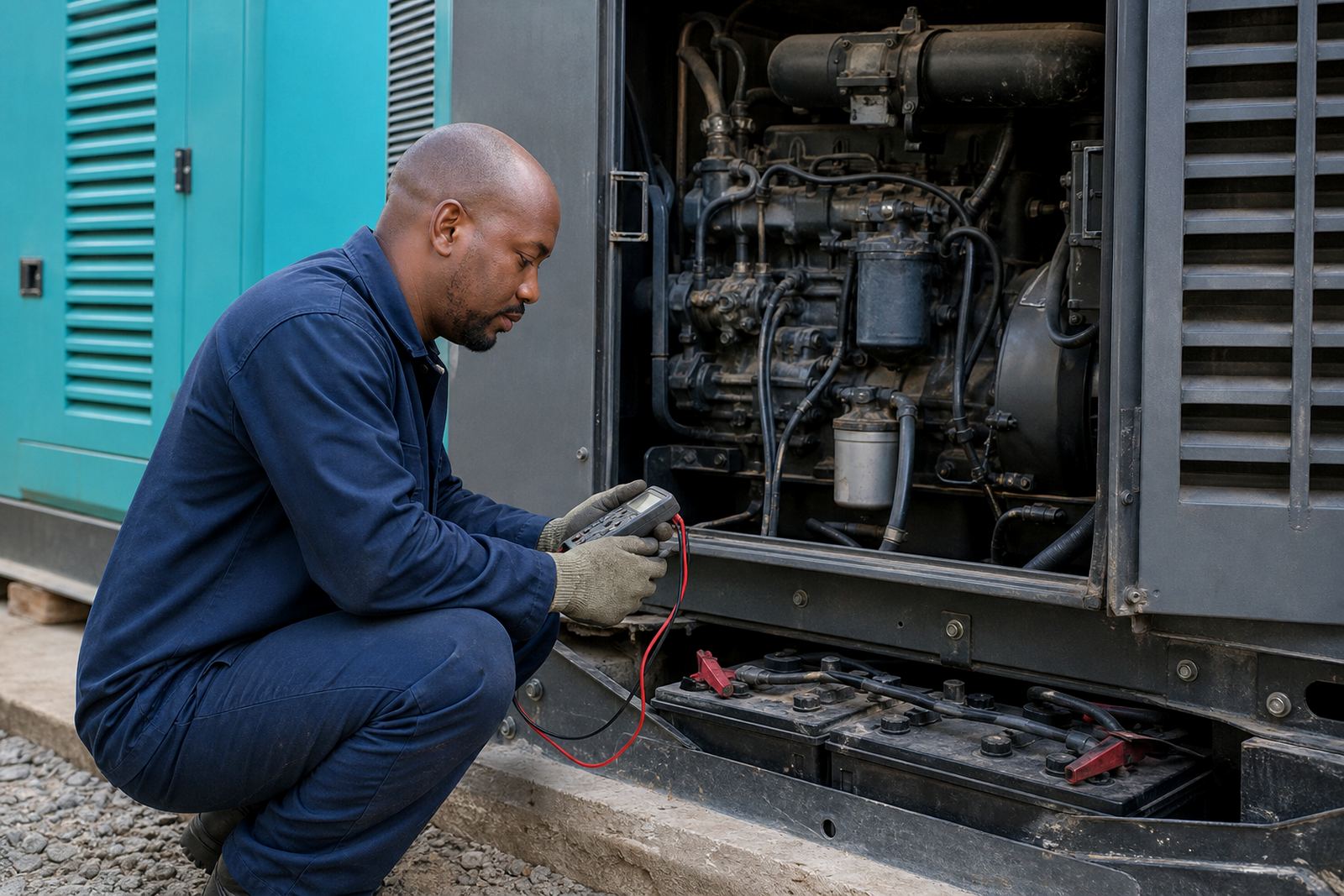
In practice, standby units need frequent readiness checks, clean battery terminals, fluid condition checks, and verification that the automatic start and transfer process still works when called upon. Prime units usually need tighter intervals, closer attention to fuel cleanliness, and more regular monitoring of heat, vibration and exhaust condition. One contract should not be copied onto the other without looking at the actual use pattern.
When a standby set sits too long
Standby equipment often fails for reasons that look small on paper. A battery can weaken without warning, coolant can age, fuel can pick up water, and a changeover switch can develop faults that only show themselves during an outage. In Gauteng office parks and industrial yards, dust and temperature swings can also affect control panels and connections over time.
The main risk is not run hours, it is neglect between runs. If a standby set is only started for a brief exercise and never tested under proper load, the owner may assume all is well when it is not. That is why service records matter, and why a visual check is not enough for most business sites.
- Battery testing should confirm cranking strength, not just voltage on a quick metre reading.
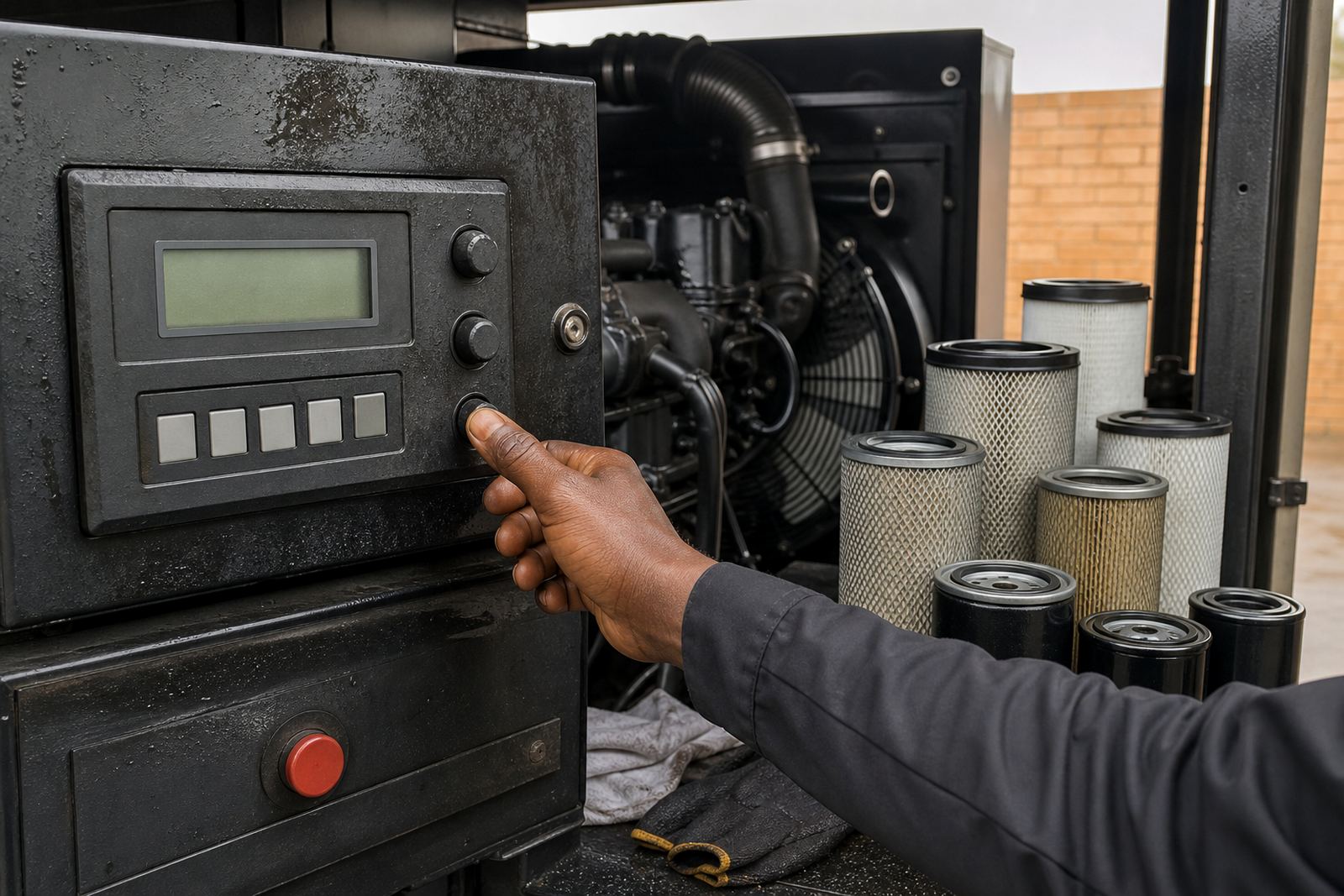
- Oil and filters need changing on time, even if the set has not worked hard.
- Coolant condition must be checked for corrosion, contamination, and correct level.
- Changeover switches should be checked by qualified people under local electrical rules.
Prime power has different pressure points
Prime generators face a very different daily reality. They may carry plant, production lines, refrigeration, pumps or process equipment for long periods, sometimes in hot weather or in sites where supply is simply not stable enough. Under that kind of duty, the service plan needs to expect heat, dust and fuel stress, not occasional use.
On prime sets, load bank testing becomes more important because a generator can appear healthy while it is actually underperforming when asked to carry its full rated load. That is especially true on construction sites, remote facilities, and operations in coastal towns where humidity can affect electrical parts and terminals. A prime unit that is allowed to run dirty or hot will usually tell you later, with breakdowns that interrupt production at the worst time.
RelGen looks at prime care with the same practical question every time: what will this machine be asked to do tomorrow morning, and what must be inspected today so it can do it safely?
The checks that matter most on both types
There are a few servicing tasks that matter on both standby and prime generators, but the emphasis changes depending on use. A business in Sandton with a standby set and a logistics yard in Pretoria with a prime unit will both need reliable records, yet the service frequency and fault profile will not match. The right contract should cover the actual operating pattern, not a generic checklist.
- Oil and filter changes keep wear particles and sludge from building up inside the engine.
- Fuel system repairs help deal with contamination, leaks, blocked lines and weak feed pressure.
- Starter system repairs reduce no-start risk after long idle periods or repeated cranking.
- Service record audits show missed work, overdue items and recurring faults before they become expensive.
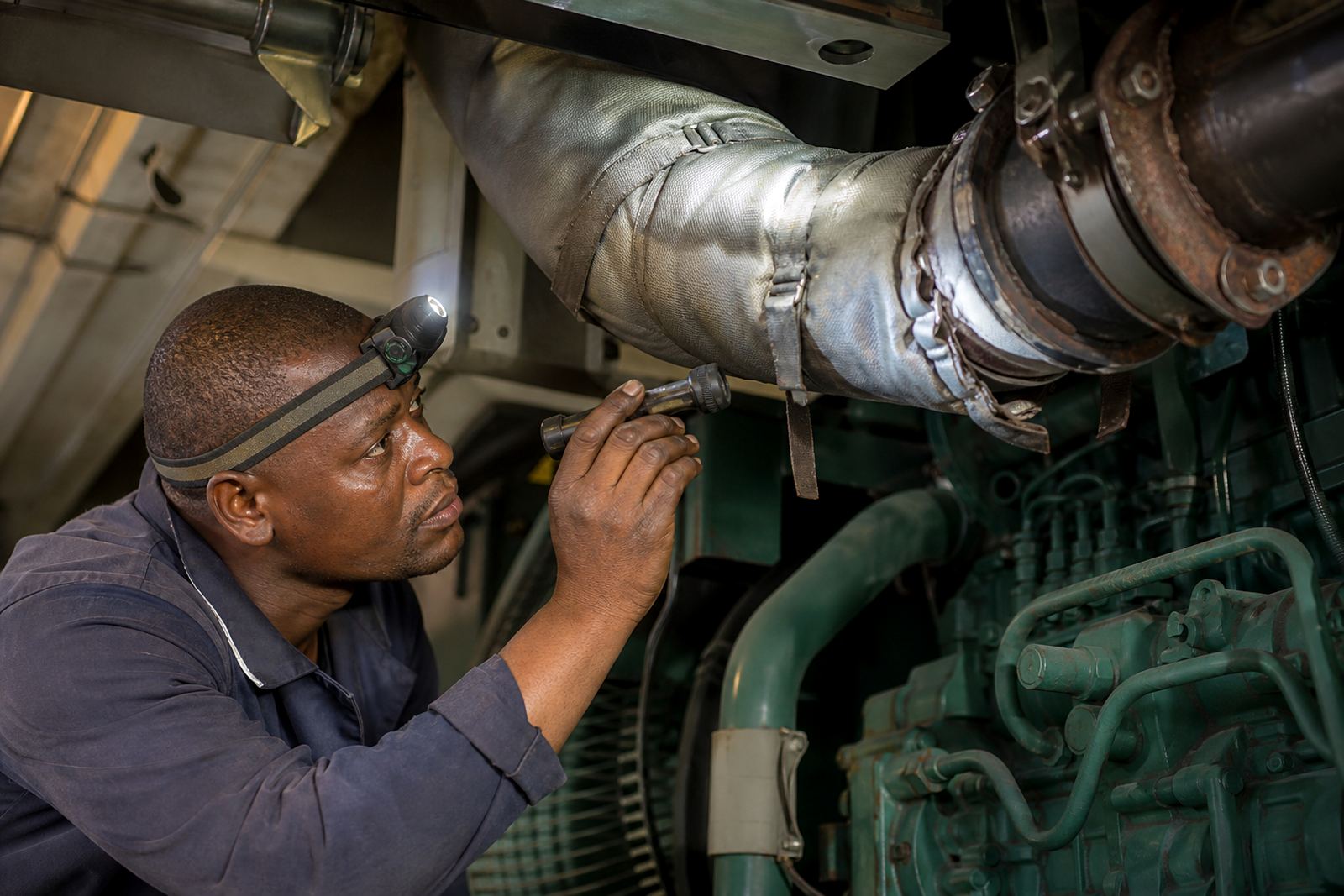
- Preventive site inspections catch loose wiring, dirty intakes, damaged mounts and early overheating.
Electrical work should always be handled by qualified people under the local regulations that apply to the site. That includes transfer equipment, protection settings, isolation procedures and any work around live circuits. It is not enough for a generator to start, it must also be safe to transfer and safe to use.
A Midrand contract can look very different from a Cape Town one
Local conditions change the maintenance burden. In Midrand, a standby generator at a business park may be exposed to dust, frequent start-stop activity and load shedding cycles that test the battery and changeover gear. In Cape Town, salt air and coastal moisture can affect terminals, enclosures and small electrical connections faster than many owners expect. In Durban, heat and humidity place extra pressure on cooling and starting systems. In Polokwane, long operating days and high ambient temperatures can push a prime set harder than the nameplate suggests.
A practical example: a warehouse in Centurion that only needs backup during outages should focus on readiness, battery health and transfer checks. A manufacturing site in Johannesburg that uses a generator to keep a process line moving needs tighter oil monitoring, more frequent inspections, and better load testing because the set is part of daily production, not just a backup asset.
That difference is why maintenance contracts should be written around the way the machine is used, not only its make and rating.
What a sensible maintenance contract should actually cover
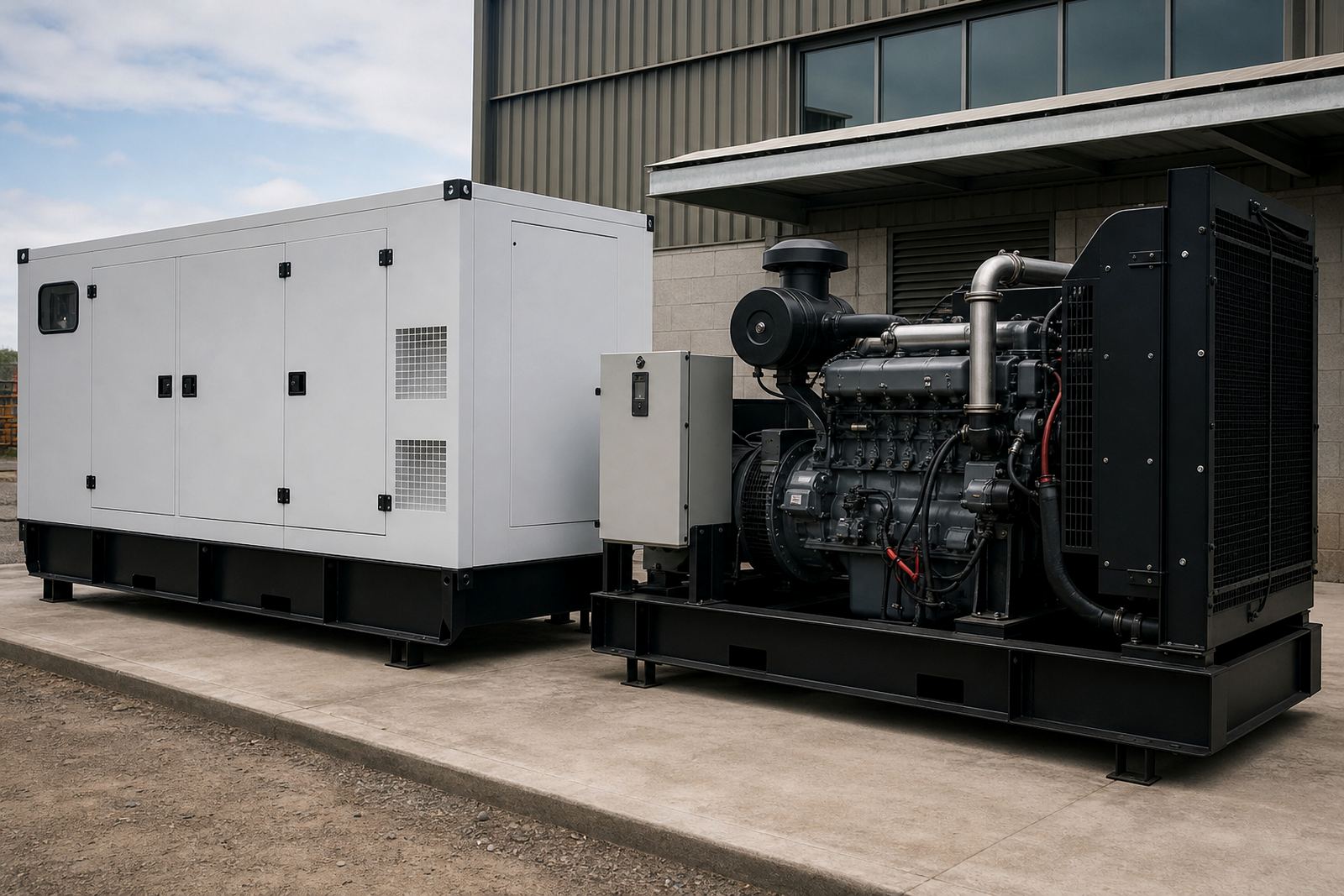
A strong service agreement should be clear on frequency, scope and reporting. It should also state what happens after an emergency callout, how faults are logged, and how spares or consumables are handled. If a site has multiple units, the contract should separate standby machines from prime machines so the servicing schedule does not blur together.
- Scheduled servicing matched to operating hours and duty cycle.
- Emergency callouts for no-starts, alarms, overheating and transfer faults.
- Load bank testing where the business needs proof of carrying real load.
- Changeover switch checks carried out by qualified personnel only.
- Fault finding with written feedback so the site team knows what failed and why.
RelGen works from Midrand across Johannesburg, Pretoria, Durban, Cape Town, Polokwane, Centurion and Sandton, supporting businesses that need standby and prime sets kept in working order. The goal is not flashy language, it is fewer breakdowns, cleaner records and less risk when the supply dips or the plant starts up for the day.
The right question is not what unit you own, but how it is used
Many owners ask whether their generator is in good condition. The better question is whether it is in good condition for the way it is actually used. A standby unit that only sees a few start cycles a month can still fail if the battery is neglected or the transfer gear is not checked. A prime unit can fail just as easily if oil changes are delayed or cooling problems are ignored.
Maintenance priorities should follow the duty pattern. Standby care is about readiness and reliable starting. Prime care is about endurance, heat control and load stability. Once that difference is understood, the servicing plan becomes practical instead of guesswork. That is where downtime is reduced and the set earns its keep.
For businesses across South Africa, from Midrand to Cape Town and Durban, that distinction can save a lot of frustration when the lights go out or the plant needs power without interruption.