Why a generator gets tested under load instead of just running light
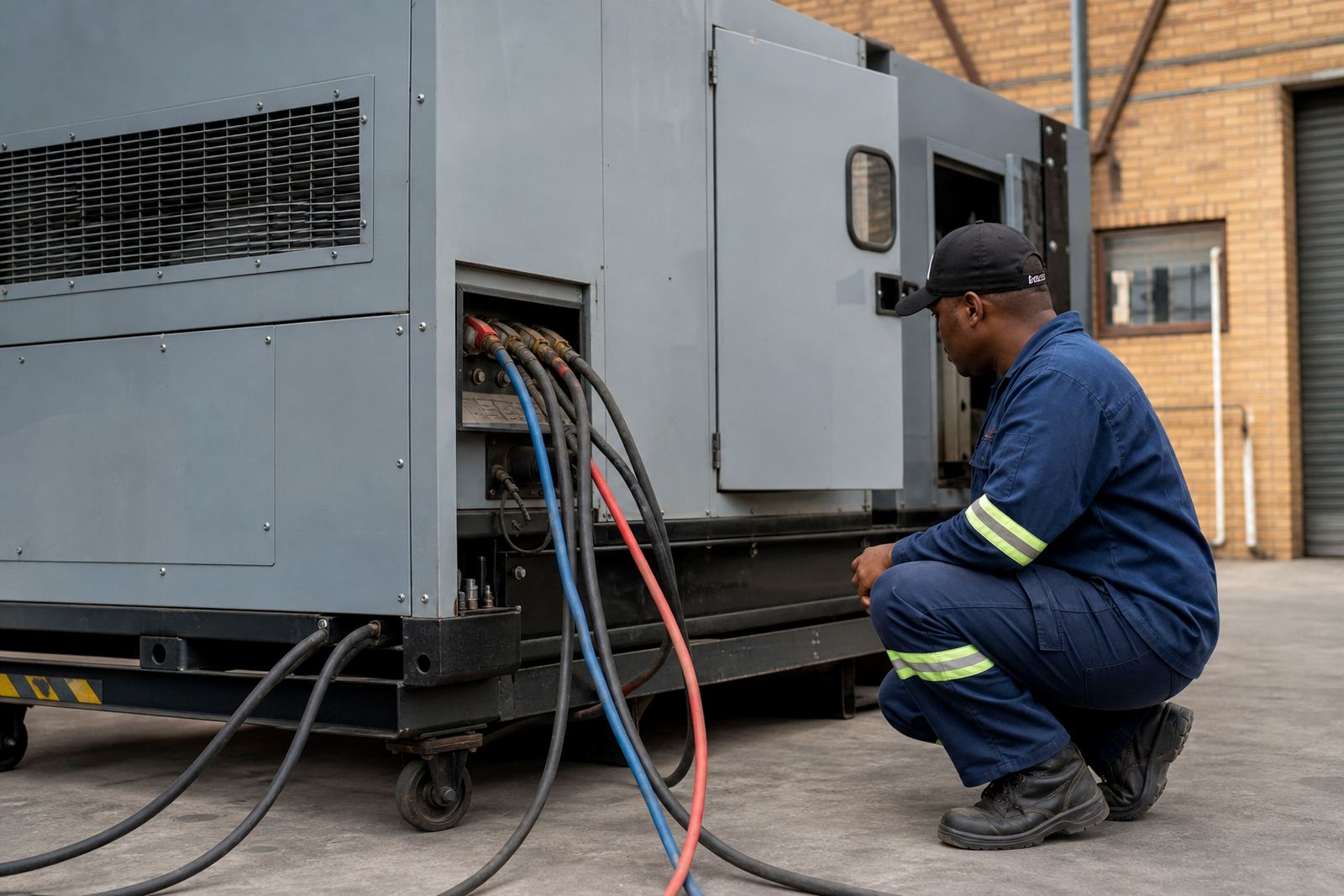
A generator can idle along during a routine start-up and still hide problems. Oil pressure may look fine, the engine may sound healthy, and the batteries may pass a quick check, but that does not tell you how the set behaves when it must carry a proper site load for hours at a time. Load bank testing gives a clearer picture because it places a controlled electrical demand on the machine while technicians watch temperatures, frequency, voltage stability and exhaust behaviour.
On many maintenance contracts this test is used to verify standby sets that spend long periods sitting ready, as well as prime units that work often. In South Africa, that matters during load shedding, heatwaves, dust and coastal humidity, all of which can expose weak cooling, blocked airflow, tired batteries or fuel delivery issues. A generator that only gets exercised lightly can look ready and still stumble when the building actually needs it.
- Checks performance under a measured electrical demand
- Helps identify hidden faults before an outage
- Shows whether cooling and fuel systems cope under pressure
- Supports service records for contract and compliance purposes
What the technician is watching while the load is on
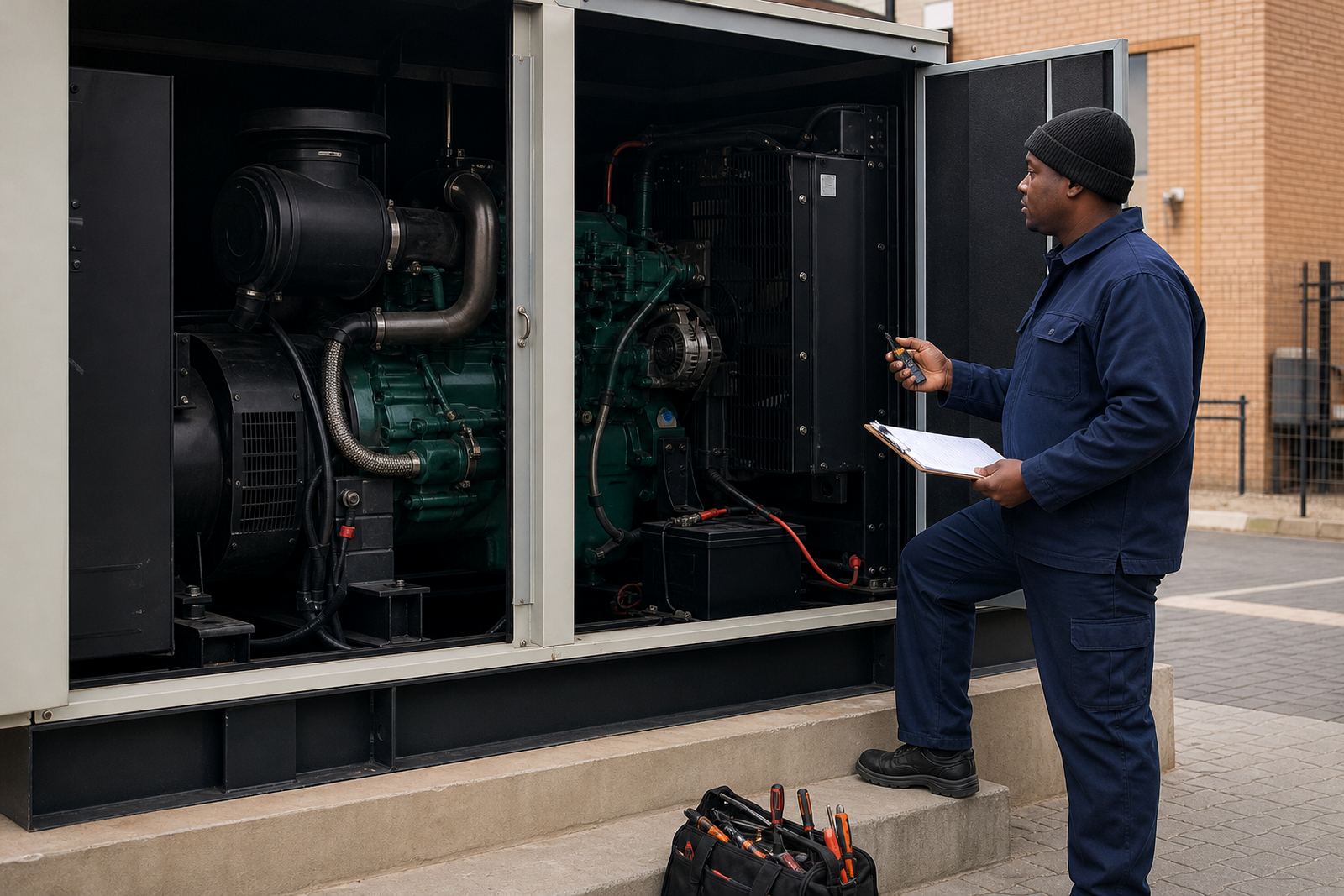
During a proper test, the generator is not just switched on and left to run. Qualified people monitor the set throughout the test, and any electrical work must be handled under local regulations by the right personnel. The aim is to see how the machine responds at different load levels and whether the readings stay within acceptable limits.
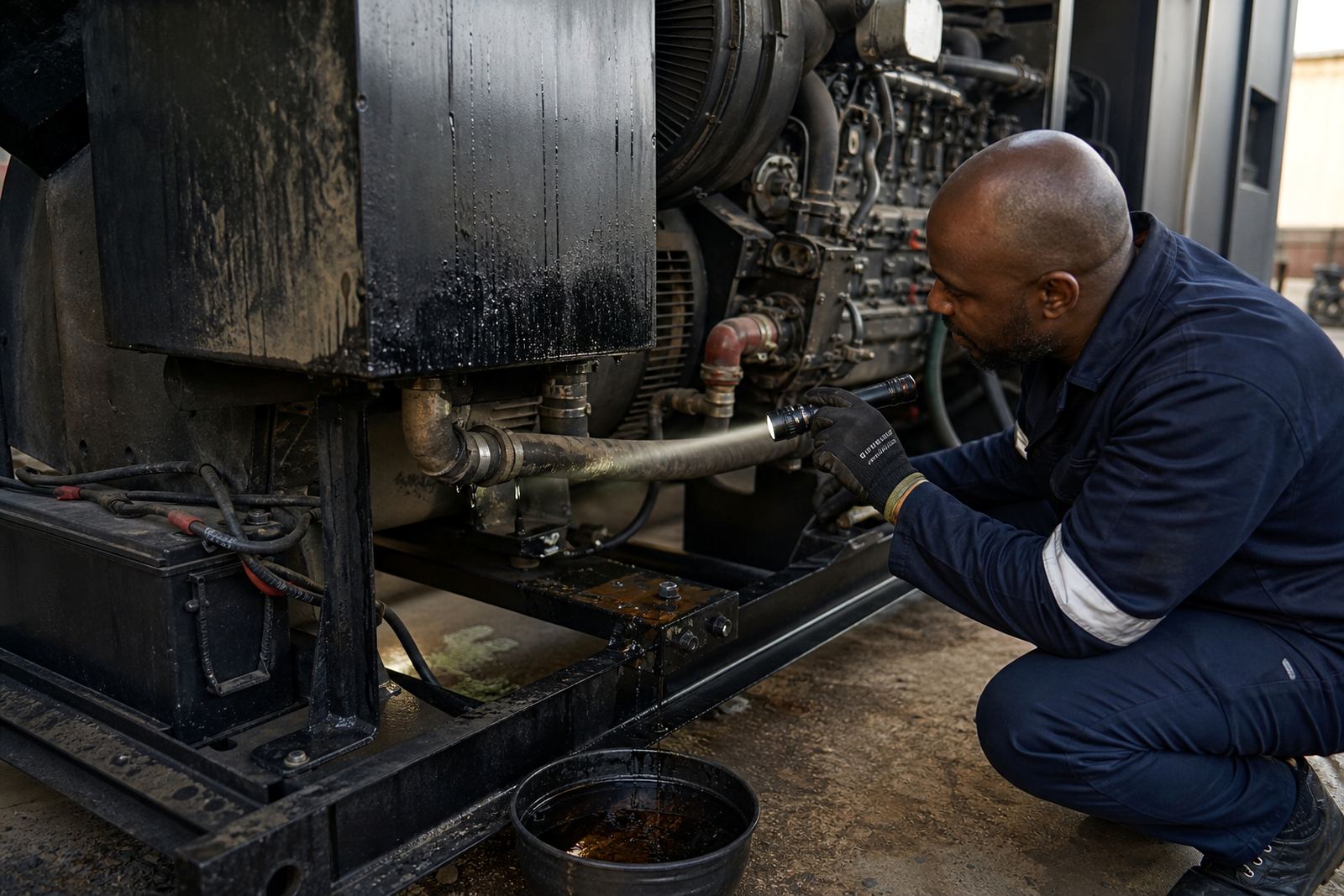
Technicians typically check oil temperature, coolant condition, battery performance, charging output, vibration, alarms and the response of the changeover equipment where relevant. They also listen for uneven running, watch for smoke that should not be there, and confirm the engine accepts load without hunting or stalling. If the machine is fitted to a building with sensitive equipment, the test also helps reveal whether the control system and alternator are behaving steadily.
- Oil pressure and temperature
- Coolant flow and heat build-up
- Battery strength and charging system output
- Voltage, frequency and engine response
- Any warning lights or shutdown triggers
The parts of a service plan that usually sit alongside load bank testing
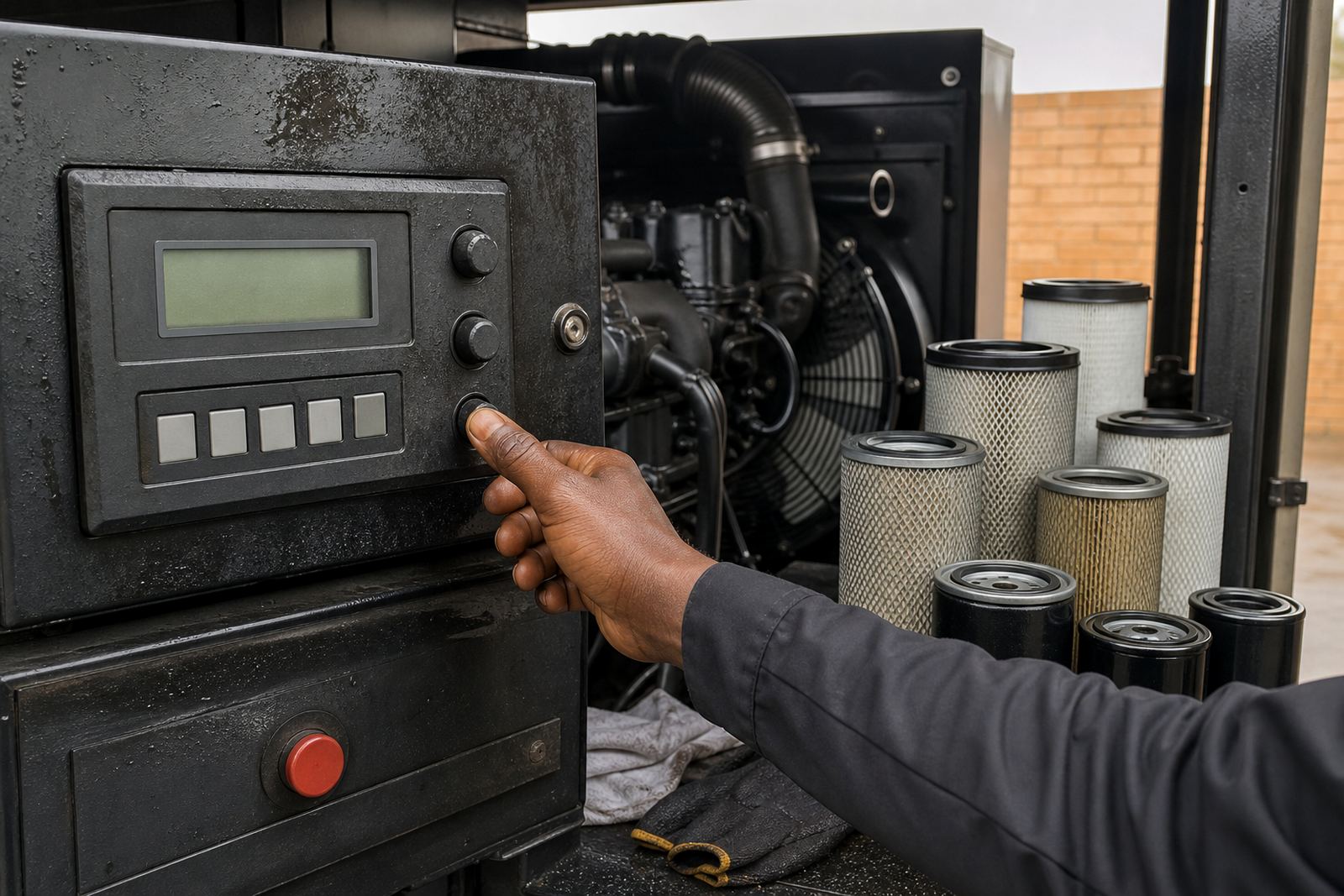
Load bank testing does not stand alone. It forms part of some service plans because a generator is only as reliable as the systems around it. Oil and filter changes keep the engine internals cleaner, coolant checks prevent overheating, and battery testing reduces the chance of a no-start when the power fails. Fuel system repairs, starter system repairs and changeover switch checks all contribute to the same goal, which is keeping the set ready to carry the load it was bought for.
For businesses in Midrand, Sandton or Centurion, this matters where sites may run office blocks, warehouses, workshops or process equipment on the same installation. A single weak link can turn a routine outage into a longer one. That is why service record audits and preventive site inspections are useful alongside the test. They show whether the machine is aging normally or drifting into trouble that will cost more later.
- Oil and filter changes
- Coolant system service
- Battery testing
- Changeover switch checks
- Fuel system and starter system repairs
What happens when a set passes and what it means when it doesn’t
If a generator passes, the result is more than a tick on a report. It means the unit carried the planned load, stayed within safe limits and remained stable across the test period. That gives the client and the maintenance team more confidence that the set can do its job during an outage or planned transfer of supply. It also supports planning, because you can schedule the next service with a clearer view of the machine’s condition.
If it does not pass, the outcome is still useful. It points to a fault that may have been hidden during lighter running. The issue could be cooling, charging, fuel delivery, control wiring, or wear in the alternator side of the set. At that point the technician can advise on fault finding and the next steps rather than leaving the problem to appear when the site is dark and the business is under pressure.
A failed test is not the time for guesswork. It is the time for recorded readings, proper diagnosis and repairs that match the fault, not the symptom. Sometimes a minor issue like a clogged filter or weak battery is all that stands between stable operation and a shutdown. Other times there is deeper wear and the equipment needs planned attention before the next season of outages arrives.
A Midrand example from a busy contract site
At a Midrand business park, a standby set may sit quiet for weeks and then be expected to carry office lighting, servers and security systems the moment supply drops. On paper it looks fine. In practice, a load bank test can reveal that the batteries are tired, the coolant is running warmer than it should, or the changeover switch needs closer attention. That is the value of testing under real demand rather than relying on short start-ups.
For sites close to Gauteng traffic corridors or coastal environments further out, dust and humidity can affect connectors, battery terminals and cooling fins. In Durban, for example, moisture can speed up corrosion on exposed parts if the set is not inspected properly. In Polokwane, dust and heat can load the cooling system more heavily. A practical service plan takes those conditions into account and keeps the machine checked in the environment it actually works in.
When to ask for load bank testing and how often it makes sense
The right interval depends on how the generator is used, how critical the site is and what the service contract specifies. Some sites benefit from a periodic test after major servicing, while others need it when a machine has spent too long running lightly or when there is concern about wet stacking, poor loading or unstable output. Prime sets usually need a different rhythm from standby units because they spend more time under working conditions.
It is also sensible to request a test after any major repair, after long storage, or before the season when outages are likely to be more disruptive. In business terms, that is easier than waiting for a failure and then trying to repair around downtime. A good maintenance contract should spell out when the test is due, who attends, what readings are captured and how any faults are reported back.
- After major servicing or repairs
- Before a high-risk outage period
- After long periods of light running
- When a site changes its electrical load
- When service records show recurring warnings
Why load bank testing earns its place on a serious maintenance contract
The value of load bank testing is practical. It helps confirm that the generator can do the work it was installed for, not just run in the yard or during a short inspection. For businesses that depend on continuity, that confidence is worth having in black and white.
RelGen services standby and prime generators on maintenance contracts across Midrand, Johannesburg, Pretoria, Durban, Cape Town and Polokwane. The team handles scheduled servicing, emergency callouts, oil and filter changes, coolant system service, battery testing, load bank testing, changeover switch checks, fault finding and record audits. That mix matters because generator reliability comes from the whole system working together, not one good test on its own.
When the load is on and the readings stay steady, you know the set is being looked after properly. If they do not, there is still time to fix it before the next outage makes the problem urgent.