Why a monthly start-up is worth more than a quick glance
A standby or prime generator can sit for long periods in a plant room, a yard or under a canopy and still look perfectly fine. The trouble usually hides in the parts you cannot see at a glance. Diesel can grow stale, batteries can lose charge, belts can loosen and coolant can seep away slowly. A monthly run gives you a real check on how the machine behaves under working conditions, not just how it looks on paper.
For businesses in Midrand and surrounding industrial areas, that matters because a power interruption can stop production, delay refrigeration, or leave security systems on backup for longer than planned. Regular test runs also help with service records. If a technician can track changes from one month to the next, patterns become easier to spot and faults are often fixed before they become an emergency.
What a proper monthly test should actually tell you
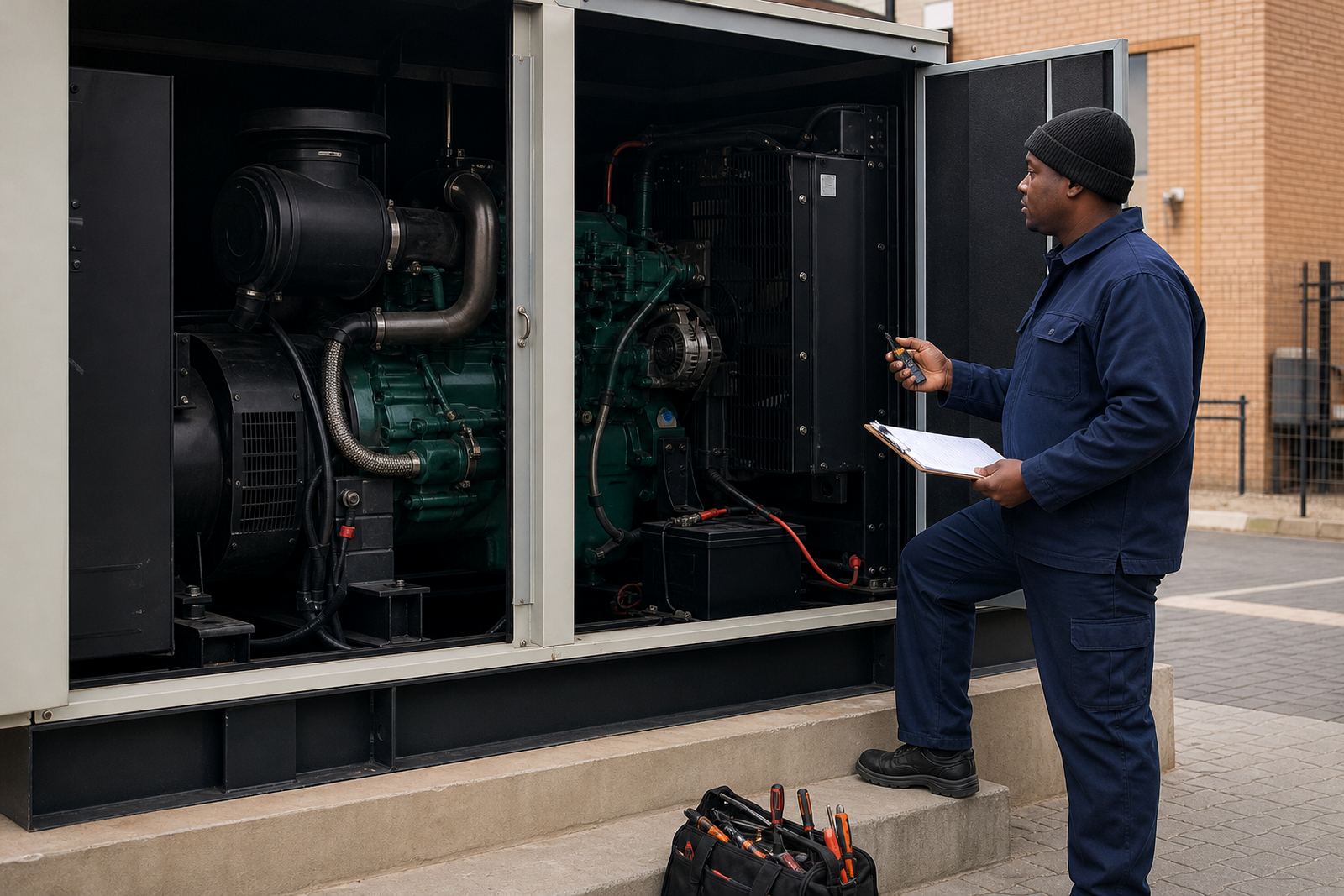
A genuine test is more than pressing the start button and letting the engine idle for a few minutes. The unit should be checked while it warms up, while it carries a realistic load and while the changeover equipment is observed. That is where small issues show themselves. A weak battery may crank slowly, a blocked filter may cause poor running, or a failing starter system may only struggle when the engine is hot.
- Battery condition and charging performance
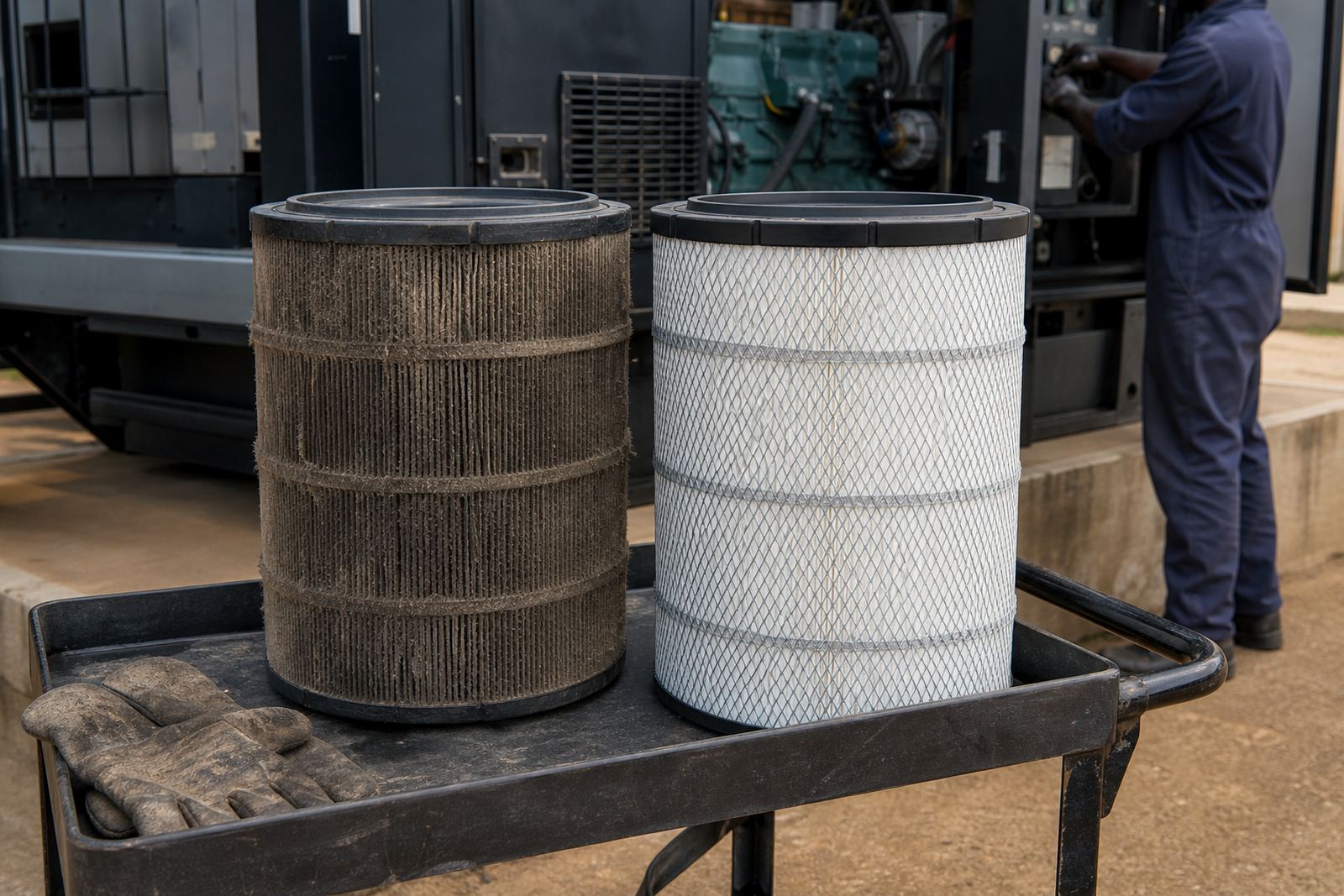
- Oil level, oil quality and filter condition
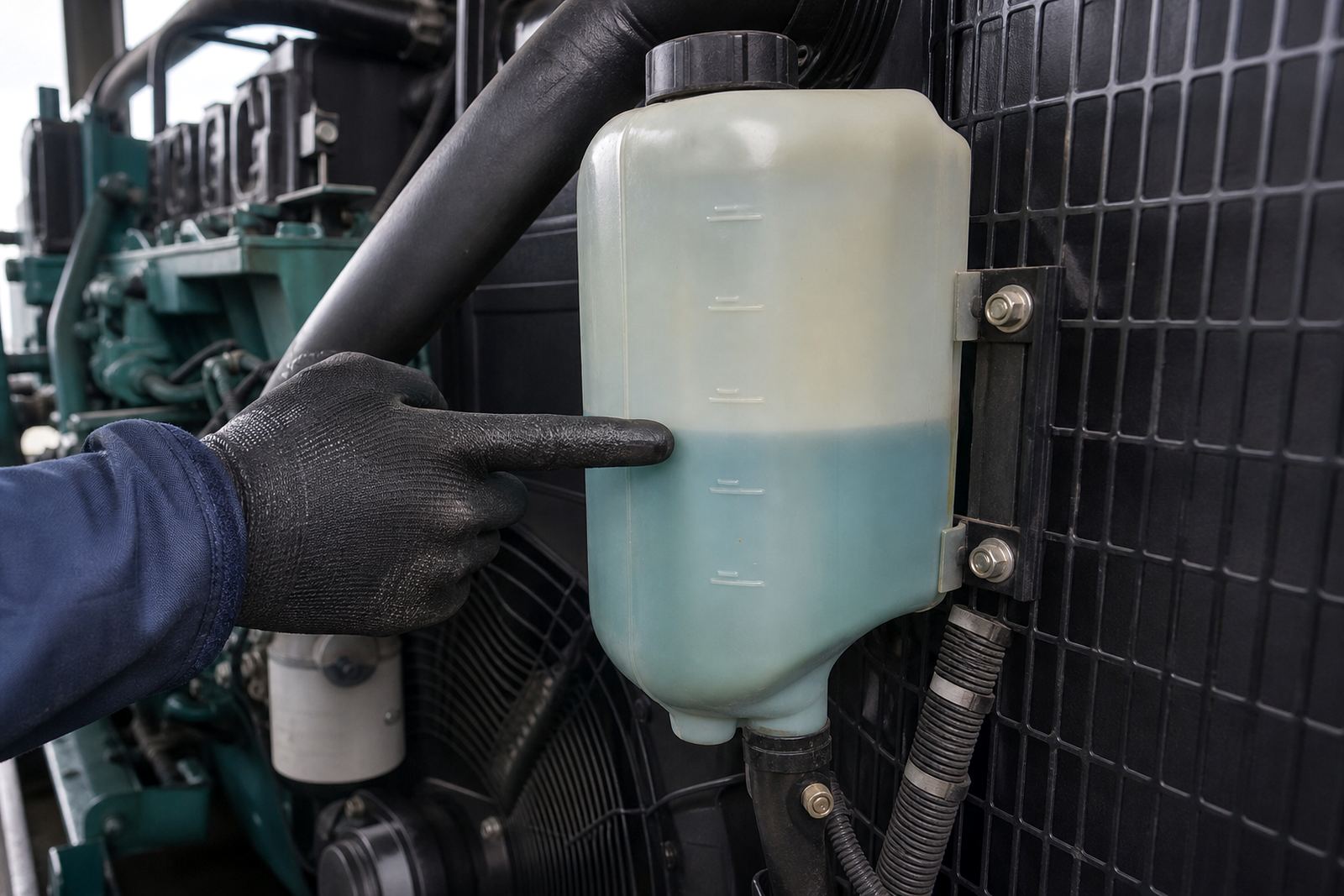
- Coolant level, leaks and hose wear
- Fuel delivery problems and contaminated fuel signs
- Changeover switch operation and control response
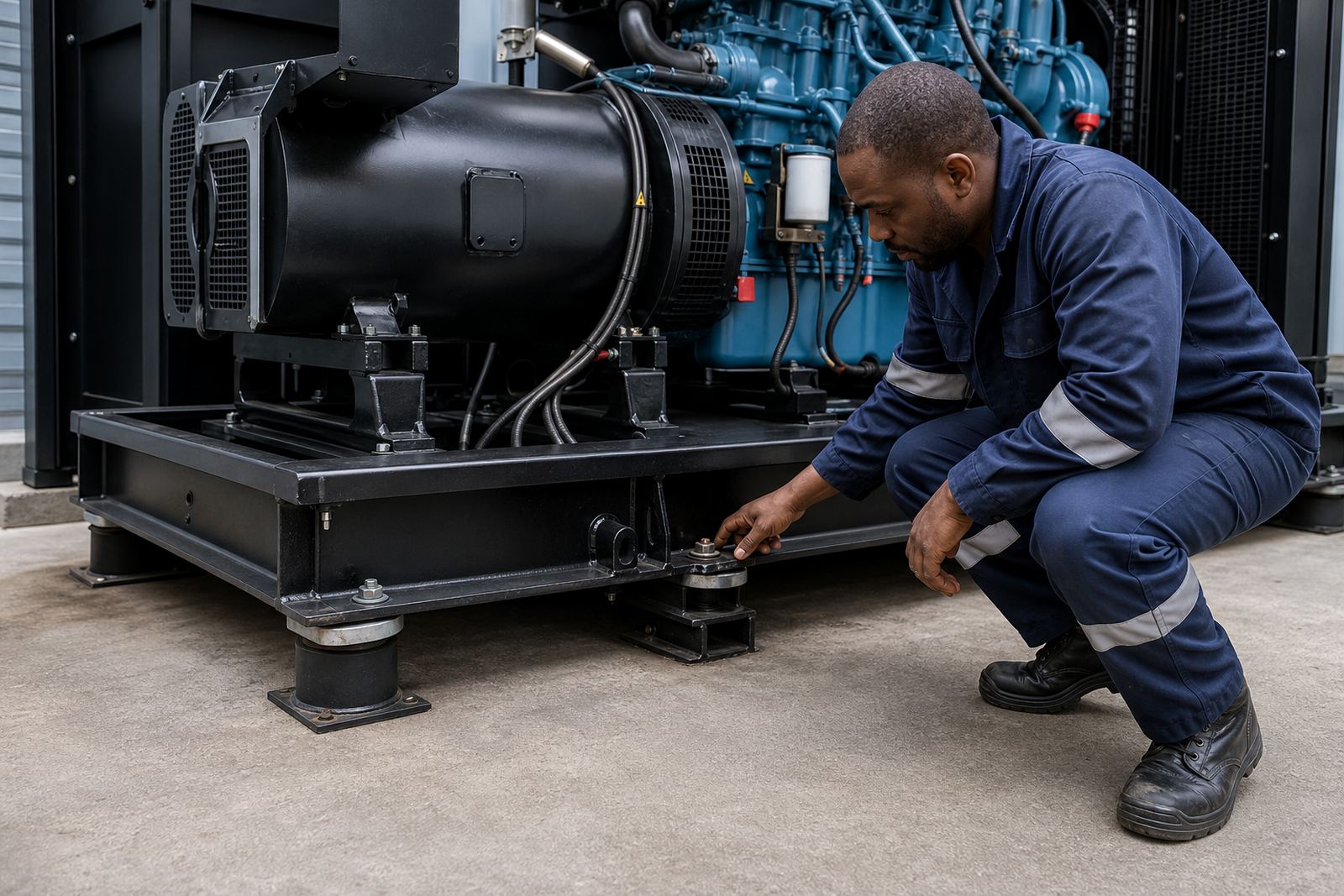
- Any unusual smoke, noise, vibration or overheating
On larger sites, load bank testing may be used when the generator needs to be tested under a controlled electrical load and the normal site demand is not enough. Electrical work must always be handled by qualified people in line with local regulations, especially where changeover switches and connected distribution equipment are involved.
The faults that monthly testing catches early
Some of the most expensive breakdowns start with very ordinary warning signs. A battery that still starts the set today may fail completely next month if it is not tested properly. A coolant leak can begin as a slow drip from a hose clamp, then turn into overheating during a longer run. A fuel system with air ingress may run unevenly, then stall when the system is under pressure. None of these problems usually arrive without a hint first.
In practice, monthly testing helps with:
- Low cranking power and battery ageing
- Dirty fuel filters and restricted flow
- Coolant loss, corrosion and blocked radiators
- Loose terminals and starter faults
- Poor response from the automatic transfer or changeover gear
It also gives an early warning where load cycling or site conditions are affecting the unit. In coastal towns, moisture in the air can speed up corrosion. Inland sites may face dust build-up, heat and long periods of idle time. Different environments put pressure on different parts, so one standard check is not always enough.
How a Midrand warehouse avoided a shutdown during load shedding
A distribution warehouse in Midrand had a standby set that seemed healthy because it was attended to only when the records looked due. Their monthly runs were irregular and usually brief. One morning the set started, but the battery voltage dipped under load and the unit tripped before the automatic transfer completed. The site had no supply on the critical packing lines, and the team lost valuable time while the fault was traced.
After that, the site moved to scheduled monthly testing with proper checks on oil, filters, coolant and the battery bank. The changeover switches were inspected by qualified electrical personnel and a load bank test was added where needed. A weak starter issue was later picked up during a routine run, which meant the repair could be planned before it caused another stop. That is the point of monthly testing. It does not only protect the machine, it protects the work around it.
What a good monthly testing schedule includes
Monthly testing should fit the site, not just the calendar. A manufacturing plant in Gauteng may need a more detailed routine than a small office block in Sandton. A hospital, cold room or process plant may need tighter control and more detailed logging. The aim is always the same, to keep the unit ready and to prove that the system can respond when called on.
- Start and warm-up sequence
- Operational run under suitable load
- Checks on oil, coolant and fuel condition
- Battery test and charger inspection
- Inspection of belts, hoses and visible wiring
- Changeover switch verification
- Service record audit and fault notes
Good records matter because they show whether a fault is getting worse or staying stable. If one month shows a small coolant loss and the next month shows the same level again, that is useful information. If it drops further, then the repair can be prioritised before failure happens.
Why South African sites need the discipline of routine runs
Businesses across Johannesburg, Pretoria, Durban, Cape Town and Polokwane deal with different pressures, but the risk is the same. A generator that sits untouched for too long can fail when it is most needed. Load shedding, municipal interruptions and site-specific outages are far less forgiving than a scheduled test. Monthly runs keep the machine familiar, exercised and easier to troubleshoot.
For sites on maintenance contracts, the benefit is also operational. The service team can compare notes from each visit, spot changes in fuel usage or starting behaviour and recommend repairs before the problem becomes urgent. That kind of attention is especially useful where prime generators run often, or where standby sets must be ready after hours, over weekends or during unexpected utility faults.
RelGen supports monthly testing as part of scheduled servicing, emergency callouts and preventive inspections across Midrand, Centurion, Johannesburg, Pretoria, Durban, Cape Town, Polokwane and nearby industrial areas. The real value is not just the test itself but the warning it gives you long before a blackout turns into a stoppage.