
When a tower goes dark, the site plan matters fast
Communication sites usually run on a mix of mains supply, batteries and a standby generator. When any one part slips, the whole site can suffer alarm trips, failed changeover, low voltage issues, or a generator that starts but does not carry the load properly. On remote sites the problem is worse, because there may be no one on hand to reset alarms or spot a leaking fuel line before it turns into a bigger fault.
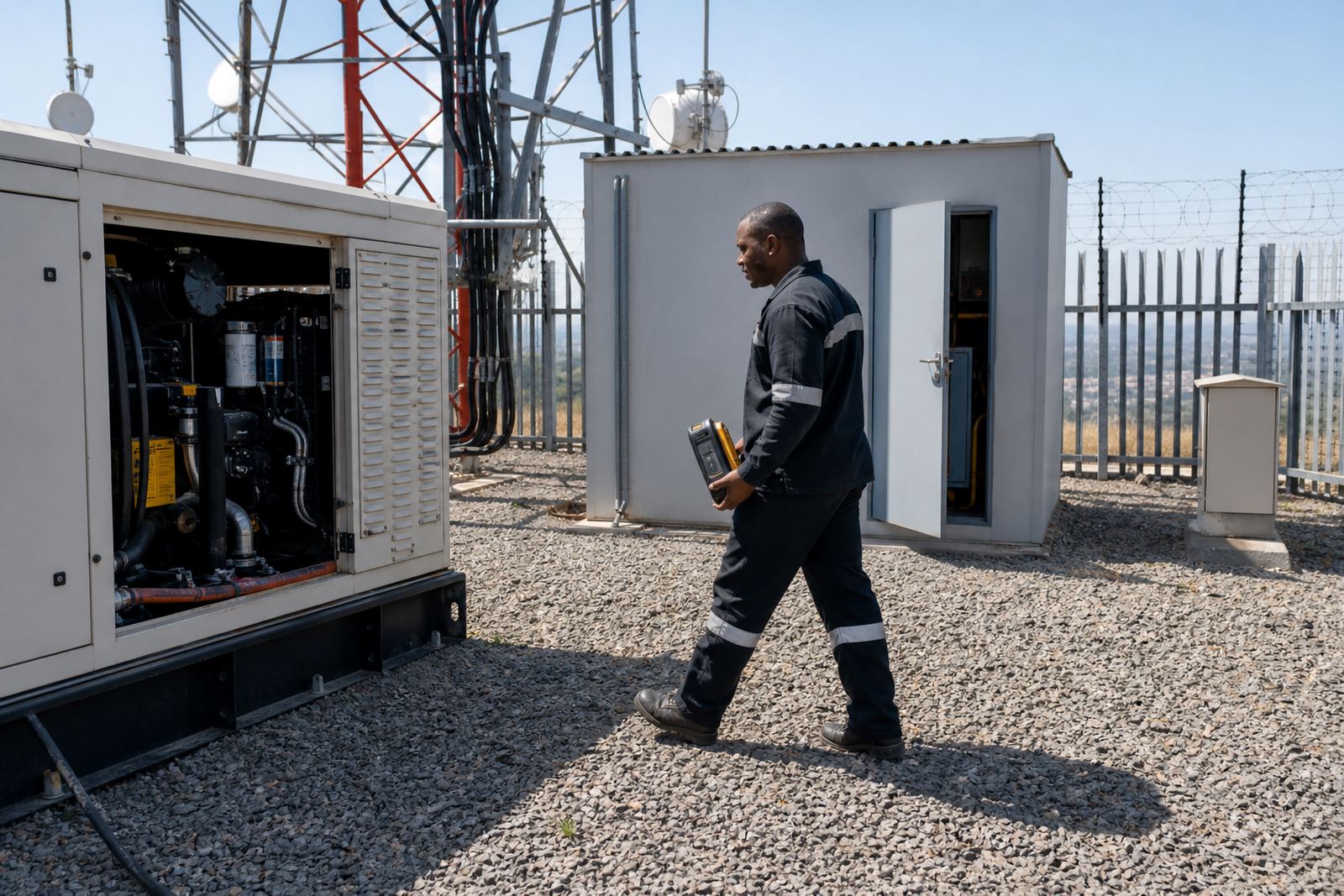
We support telecom clients who need practical maintenance for rooftop plant rooms, roadside cabinets, fenced tower sites and compound buildings. That includes routine generator servicing, emergency repairs and service contracts that fit the access rules at each site. Electrical work must be done by qualified people and in line with local regulations, especially where changeover gear and control wiring are involved.
What is usually on the site, and what usually fails first
Most telecom sites use a relatively compact standby generator, a battery bank, automatic changeover equipment, fuel storage, and control panels linked to alarms or remote monitoring. The set may look small compared with an industrial plant, but the work is still demanding because uptime matters and load changes can be sudden when radio, cooling and security systems all start at once.
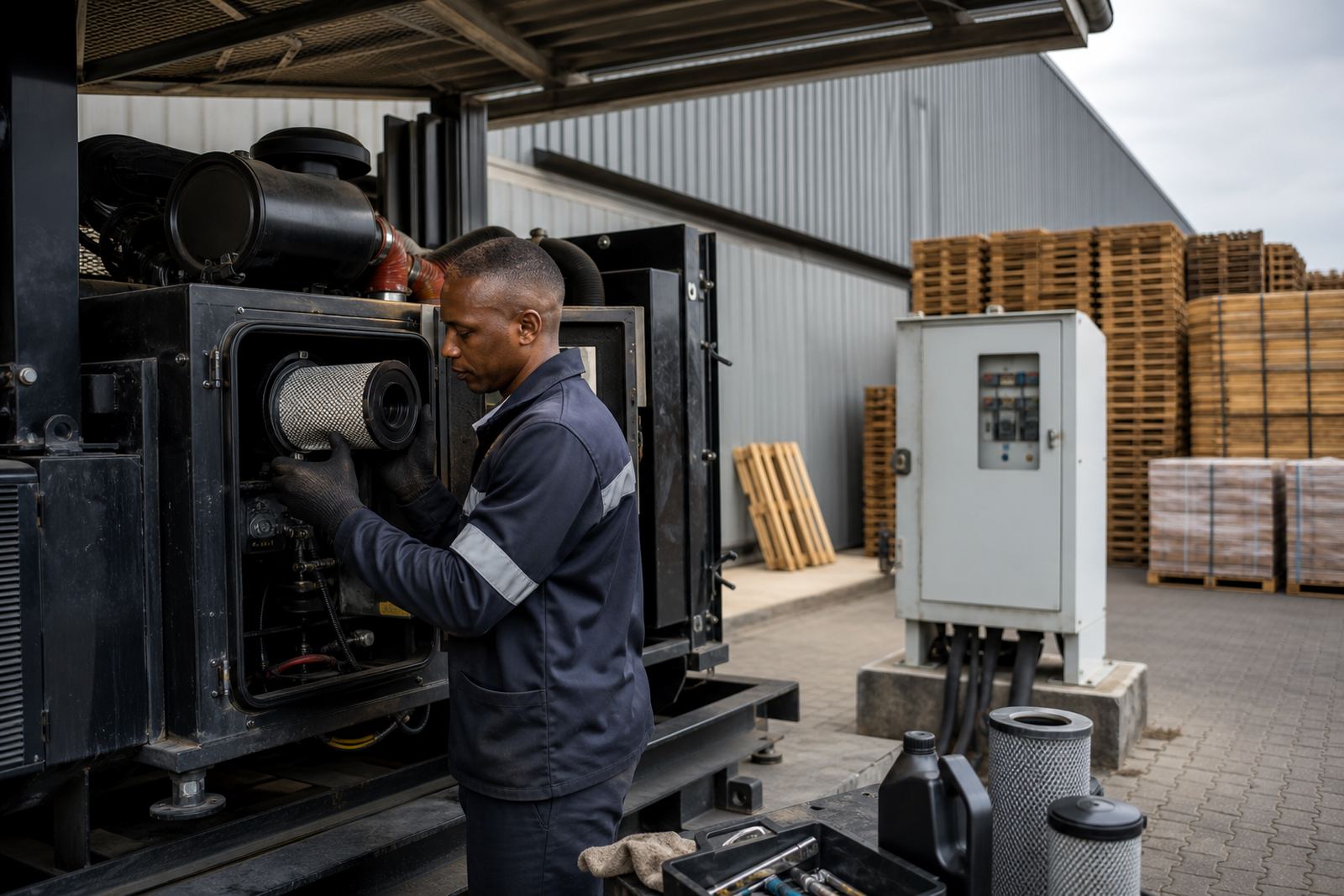
- Oil and filter changes on time, not only when the set looks dirty
- Coolant checks for leaks, concentration and corrosion in the cooling circuit
- Battery testing, terminals, charger health and starting performance
- Load bank testing to confirm the generator can carry real demand
- Changeover switch checks so transfer happens cleanly and safely
- Fuel system repairs where sludge, water or blocked lines cause repeat faults
On telecom jobs, we often find batteries that are tired long before the generator itself fails. A set can crank during a visit and still struggle the next week when the weather is cold or after a load shed event, so battery condition must be treated as a core part of the maintenance plan.
How to lay out a site so servicing does not become a rescue job
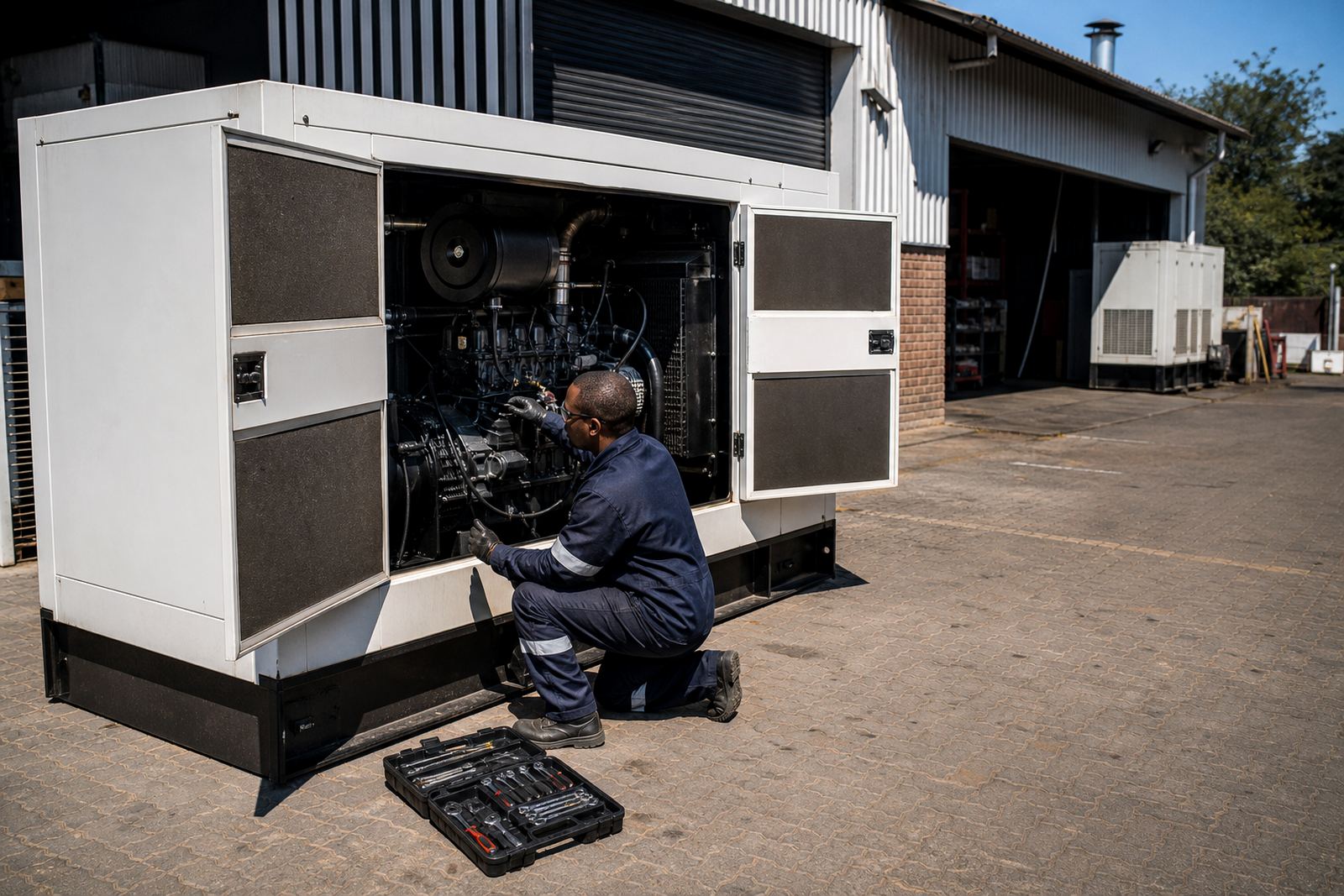
Good site layout saves time and money over the life of the generator. Leave enough working space around the set for oil changes, filter access, coolant top ups and testing of the starter system. If the generator is packed into a tight room with poor ventilation, the heat builds up and service intervals become more important because the unit works harder than it should.
Where sites are near the coast, humidity can affect terminals, connectors and control gear. In inland areas like Midrand, Johannesburg and Pretoria, dust and heat can build up around radiator fins and air intake points. The right layout should also allow for safe fuel delivery, clear access for technicians, and proper separation between electrical panels and wet service areas.
- Keep the set reachable without moving shelving, boxes or spare parts
- Mark the changeover switch, fuel shut off and emergency stop clearly
- Allow drainage control for oil and coolant spill handling
- Make room for load bank connections and test cabling
The maintenance gaps that telecom operators pay for later
Many site faults come from missed small jobs rather than one big failure. A fuel system with water contamination can cause misfiring and black smoke. A blocked coolant path can push temperatures up during an extended outage. A charger fault can leave batteries undercharged, then the site fails on the next mains interruption. If the changeover switch is not checked, the generator may start but never properly pick up the load.
We also see service records that are not kept in step with the actual site condition. That makes it hard to spot recurring issues, especially when different contractors have attended the site over time. Service record audits help identify patterns like repeated starter faults, overdue oil changes or battery replacements that should have been planned before the site went critical.
- Do not skip load bank testing because the generator appears to start fine
- Do not leave batteries in service after repeated low voltage alarms
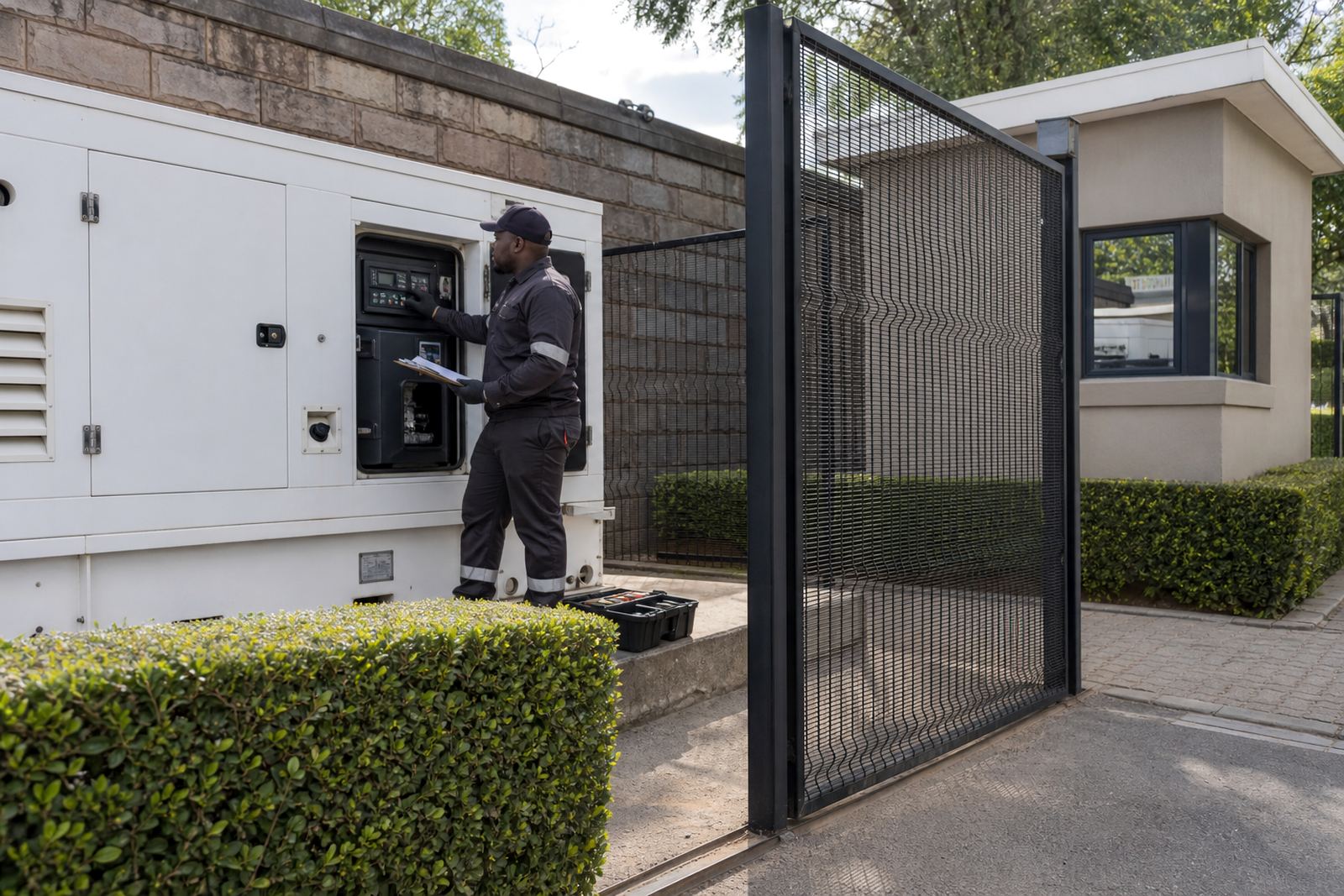
- Do not assume the transfer switch is healthy just because the lights came back on
- Do not ignore minor coolant loss on a site with long outage exposure
Contract support for sites spread across several provinces
Telecom networks do not stay in one place, and neither do the maintenance issues. A contract has to suit sites in Gauteng as well as coastal and inland regions, with the right mix of planned servicing and fast response for emergency callouts. We work from Midrand and support business sites in Johannesburg, Pretoria, Centurion, Sandton, Durban, Cape Town and Polokwane, which helps when service planning needs to be organised around access windows and security procedures.
For multi-site operators, the value lies in consistency. The same checks can be completed across different locations so records stay comparable and faults are easier to trace. That includes fuel system repairs, starter system repairs, preventive inspections and scheduled checks matched to the site duty cycle, whether the unit is a standby set or used more often during load management periods.
Budget ranges that make sense for telecom maintenance
Telecom generator budgets depend on the size of the set, how often it runs, site access conditions and whether the contract includes fault attendance and after-hours support. A smaller standby site with basic scheduled servicing will usually cost less than a busy site that needs load bank testing, battery replacement planning and frequent emergency callouts. Remote access, rooftop work or difficult security clearance can also add time.
As a working guide, routine scheduled servicing for a small to medium telecom site may start from a few thousand Rand per visit, while more involved work such as load bank testing, fuel repairs or changeover switch checks can sit higher depending on the scope. A broader annual maintenance contract for multiple sites can run into tens of thousands of Rand or more, especially where the sites are spread across provinces and the response expectation is tight. The point is not to overbuy, but to match the maintenance to the risk of downtime.
If a site is carrying critical communication traffic, it is usually cheaper to plan battery testing, oil and filter changes and coolant service on time than to pay for a failed start at 2am and the repairs that follow.