When the site must hold signal after hours
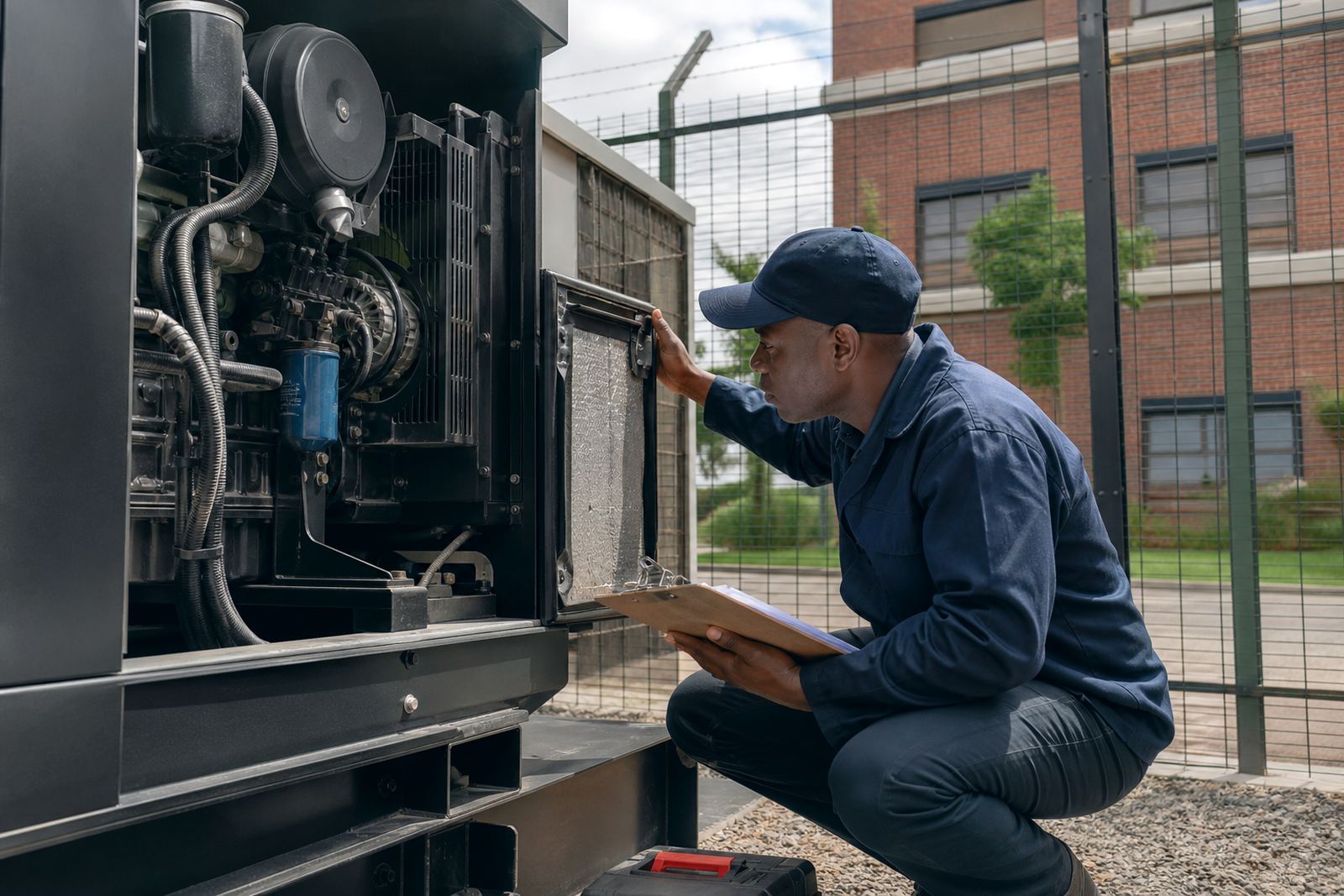
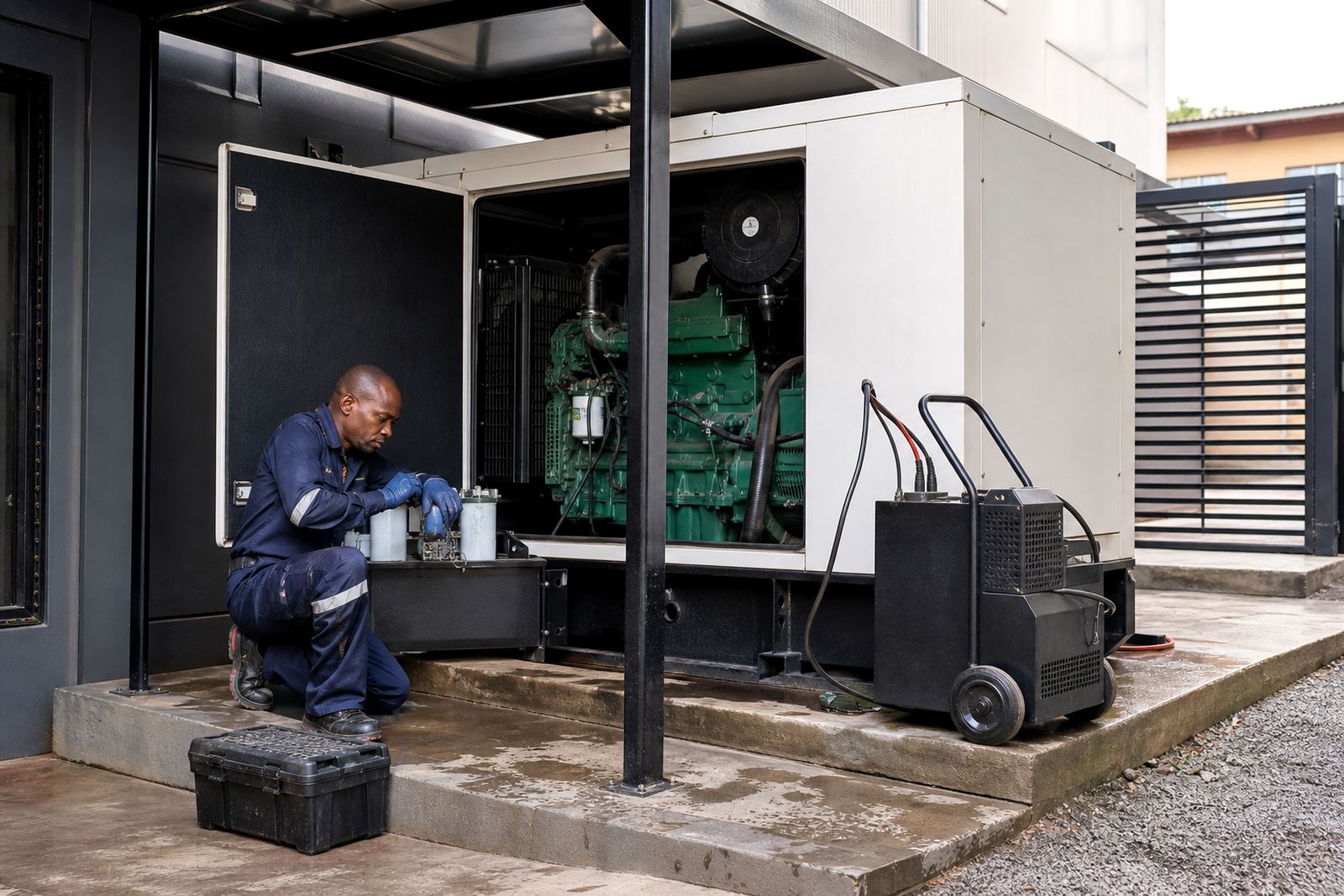
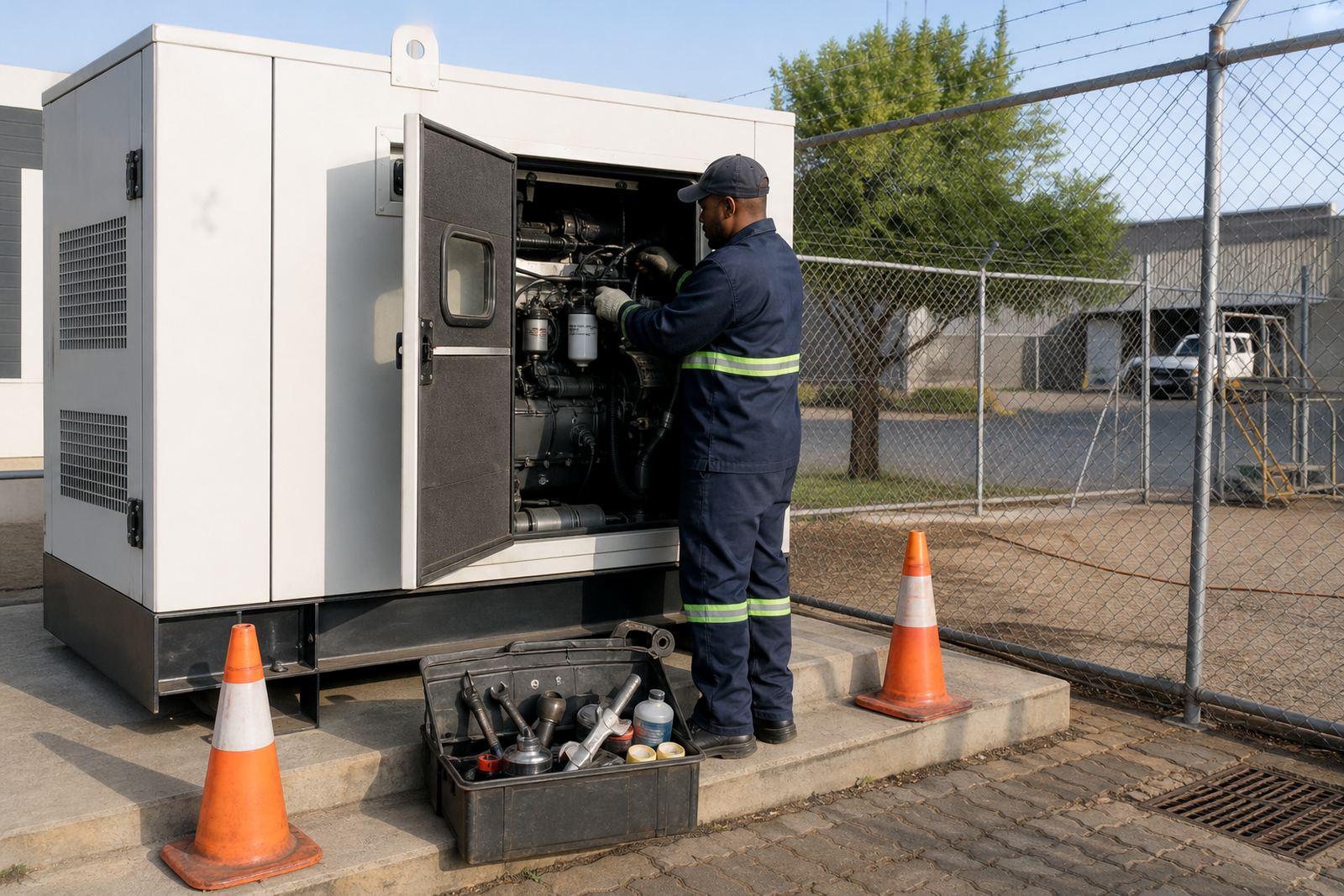
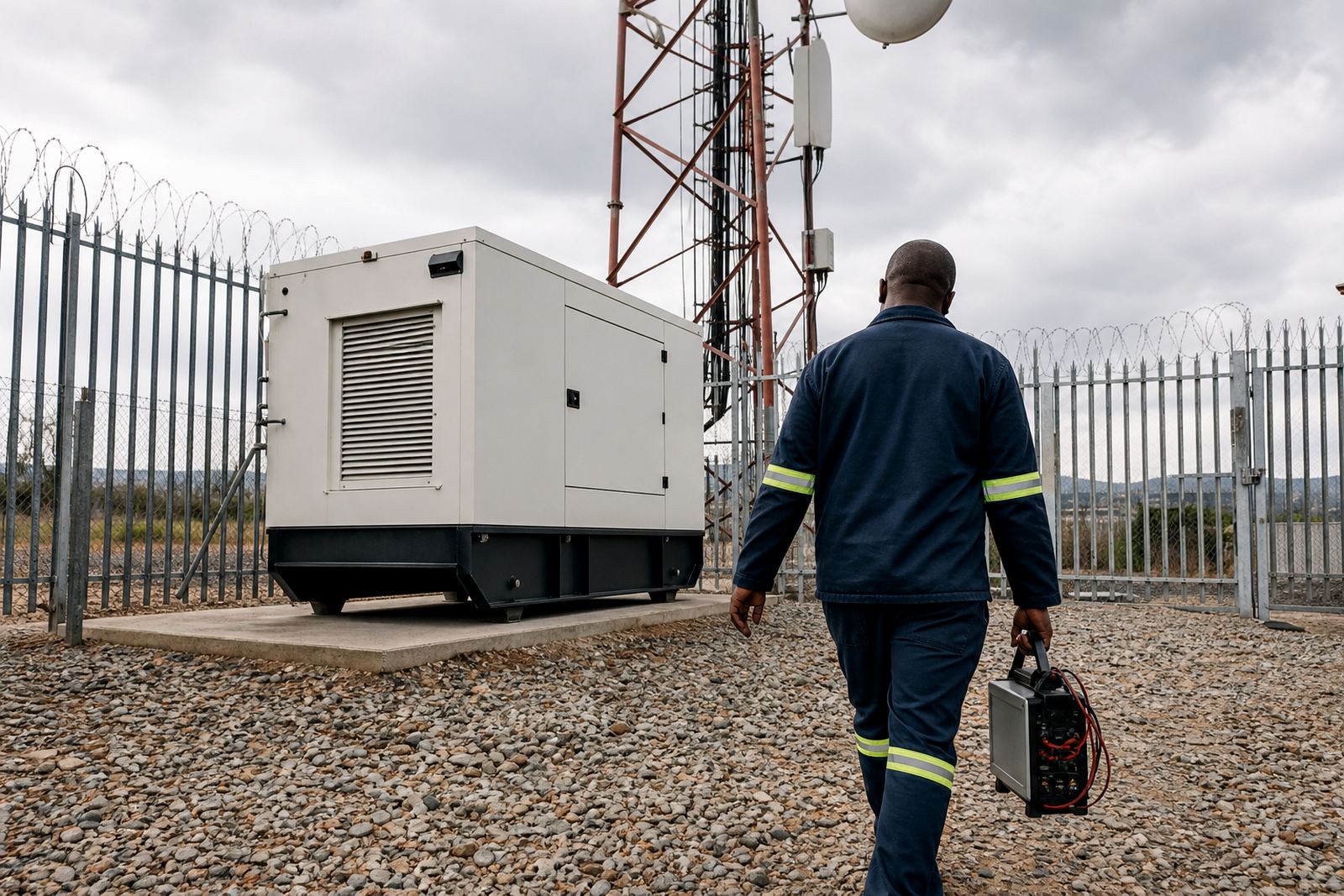
Telecom site contracts are built for places where a technician cannot just pop in later and sort it out. Rooftop rooms, tower bases, roadside cabinets and rural stations all need planned attention so standby and prime sets stay ready for a load transfer, a long run or a bad weather spell. We handle routine servicing, emergency repairs and contract schedules for sites in Johannesburg, Pretoria, Durban, Cape Town, Polokwane and surrounding service areas.
For communication equipment, the focus is not only on whether the engine starts. It is also on stable running, clean fuel delivery, battery condition, control panel readings, coolant condition and whether the changeover sequence works as it should. On a telecom site one weak battery can mean a site drops offline during load shedding or a municipal outage, so the servicing plan has to be tight and properly recorded.
- Standby generators for tower sites, shelters and remote relay points
- Prime-running sets where the generator carries a heavier duty cycle
- Scheduled maintenance contracts for single sites or multi-site portfolios
- Planned fault response for no-start, alarm, battery and fuel issues
What gets covered in a proper service round
Our planned servicing follows the working parts that keep a telecom generator dependable. That includes oil and filter changes, coolant system service, battery testing, starter system checks, fuel system repairs where required, and changeover switch checks carried out by qualified people under local electrical regulations. We also look at belt condition, leaks, hose clamps, vents, signs of overheating and control alarms that point to a problem before it becomes an outage.
Where a site must carry a real operating load, load bank testing is useful because it proves the set under demand instead of only idling on a light load. This matters for communication sites that sit in hot weather, coastal humidity or dusty inland conditions. Durban and Cape Town sites often need extra attention to corrosion, while Gauteng sites can suffer from dust and heat cycling around plant rooms and outdoor enclosures.
- Oil and filter changes at the agreed service interval
- Coolant top-up, flush checks and hose inspection
- Battery load testing and charging system checks
- Load bank testing for proof of performance under demand
- Changeover switch checks and fault finding
Sizes and service options that suit telecom work
Telecom sites are not all the same, so the contract needs to match the equipment on site. We support small backup units for compact shelters, mid-size sets for larger network rooms, and higher-output generators on bigger transmission or operations sites. The service plan can be set around monthly, quarterly or half-yearly visits depending on run hours, site access and how critical the location is to the network.
Options can also include service record audits, preventive site inspections and callout support when a control fault or starting issue appears between scheduled visits. Some sites need a lighter touch with regular checks, while others need a tighter contract because the set runs often or because delivery times are long. On remote sites in particular, a missed filter or tired battery can cause more trouble than most people expect.
- Compact sets for sheltered telecom compounds and cabinet rooms
- Mid-size units for regional network or repeater sites
- Larger sets for high-demand communication facilities
- Monthly, quarterly or biannual maintenance planning
Fitting and access work that keeps the contract practical
Generator servicing at telecom sites often comes with access issues, security procedures and awkward plant room layouts. Our team works around gate access, rooftop restrictions, safe parking, limited turning space and site permits. If a changeover switch needs inspection or a starting circuit needs electrical attention, that work is handled by qualified people in line with local rules. We do not treat electrical faults as a quick patch job, because the risk to the site and the staff is too high.
Where fuel or cooling components are part of the fault, we work through them in a practical order so the site can be restored without making matters worse. A blocked filter, weak battery, dirty terminals or coolant loss can all look like a similar starting problem from the outside. Careful diagnosis saves time, and on a telecom site time is usually the part nobody has enough of.
- Access planning for roof sites, fenced compounds and remote stands
- Qualified electrical checks on changeover equipment
- Diagnosis of no-start, alarm and low-voltage faults
- Coordination with site rules, permits and security controls
How the contract protects a signal path
A telecom generator contract is really about avoiding the kind of stoppage that shows up later as complaints, missed calls or dead equipment rooms. Planned servicing helps reduce wear, spots fuel contamination early, and keeps service records in order for audits and internal checks. It also helps when a site is part of a wider maintenance schedule across Johannesburg, Sandton, Centurion, Pretoria, Durban, Cape Town or Polokwane, because the work can be timed around access windows and weather.
We also pay attention to the details that can get forgotten between visits, like battery age, coolant condition, loose terminals, warning lamps and the state of the enclosure. A site with good records is easier to manage, and it is easier to see which unit is due for attention before the next outage rolls in. That sort of planning saves a lot of scramble work later on.
- Service record audits for each site and each set
- Preventive inspections to catch wear before it becomes failure
- Alarm and history checks on control panels where fitted
- Maintenance timing aligned to critical network windows
What to confirm before a site is added to contract
Before we put a telecom site onto contract, we need the generator size, the site address, access details and the current condition of the set. It also helps to know whether the unit is standby only or runs as a prime unit, how often it runs, what changeover arrangement is in place and whether the site has had recent fuel, battery or starter issues. If the generator is already showing faults, that should be listed clearly so the first visit is properly prepared.
Please also confirm whether the site sits in a coastal area, a dusty inland zone or a high-security compound, because that affects the service approach. Our Midrand base supports work across the country, and clients reach us through the enquiry form on our contact page. Thabo Engelbrecht leads the business with support from Naledi Shezi, Johan Matlala, Ayanda Khoza, Muneerah Daniels, Sibusiso Wessels and Rikus Botha, so contract work is coordinated properly from office to site.
- Generator kVA rating and whether it is standby or prime duty
- Site address, access steps and security contact process
- Current service history and any active faults
- Changeover arrangement, battery age and recent run hours
Key facts
| Service focus | Planned generator servicing for telecom and network sites |
|---|---|
| Typical equipment range | Small backup units to larger site generators, site dependent |
| Core work | Oil and filters, coolant, batteries, load bank testing, changeover checks |
| Service model | Monthly, quarterly or half-yearly maintenance contracts |
| Coverage | Midrand, Johannesburg, Pretoria, Durban, Cape Town, Polokwane and wider South Africa |
| Support | Emergency callouts, scheduled servicing, fault finding and service record audits |