Standby power made for pump rooms, not guesswork
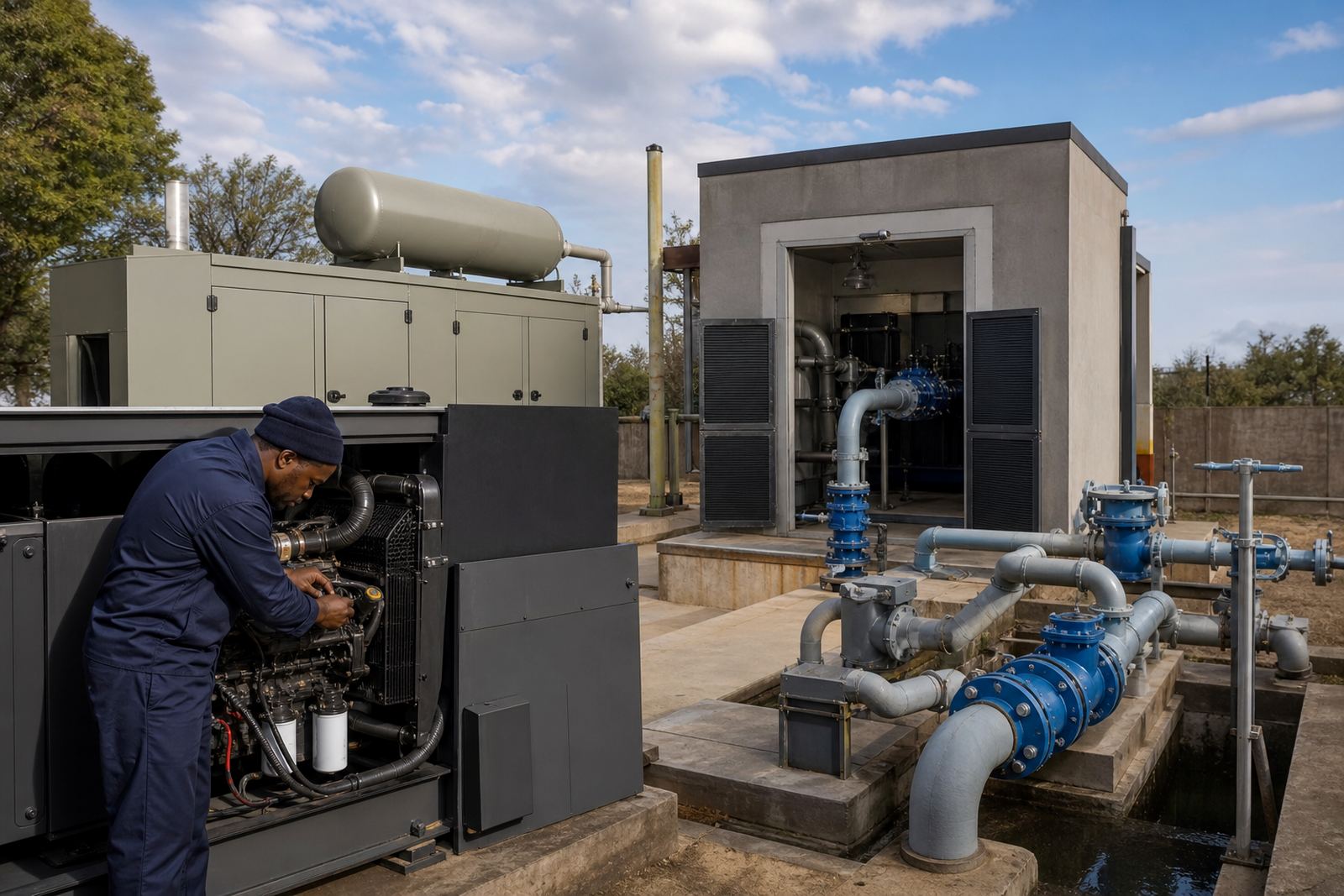
Pump station contracts are set up to keep the generator side of the site ready for automatic start when the mains fails or the supply becomes unstable. That matters at booster stations, sewer lift points, irrigation networks, tank filling points and industrial water transfer systems where a few minutes off-line can cause alarms, overflows or a dry line.
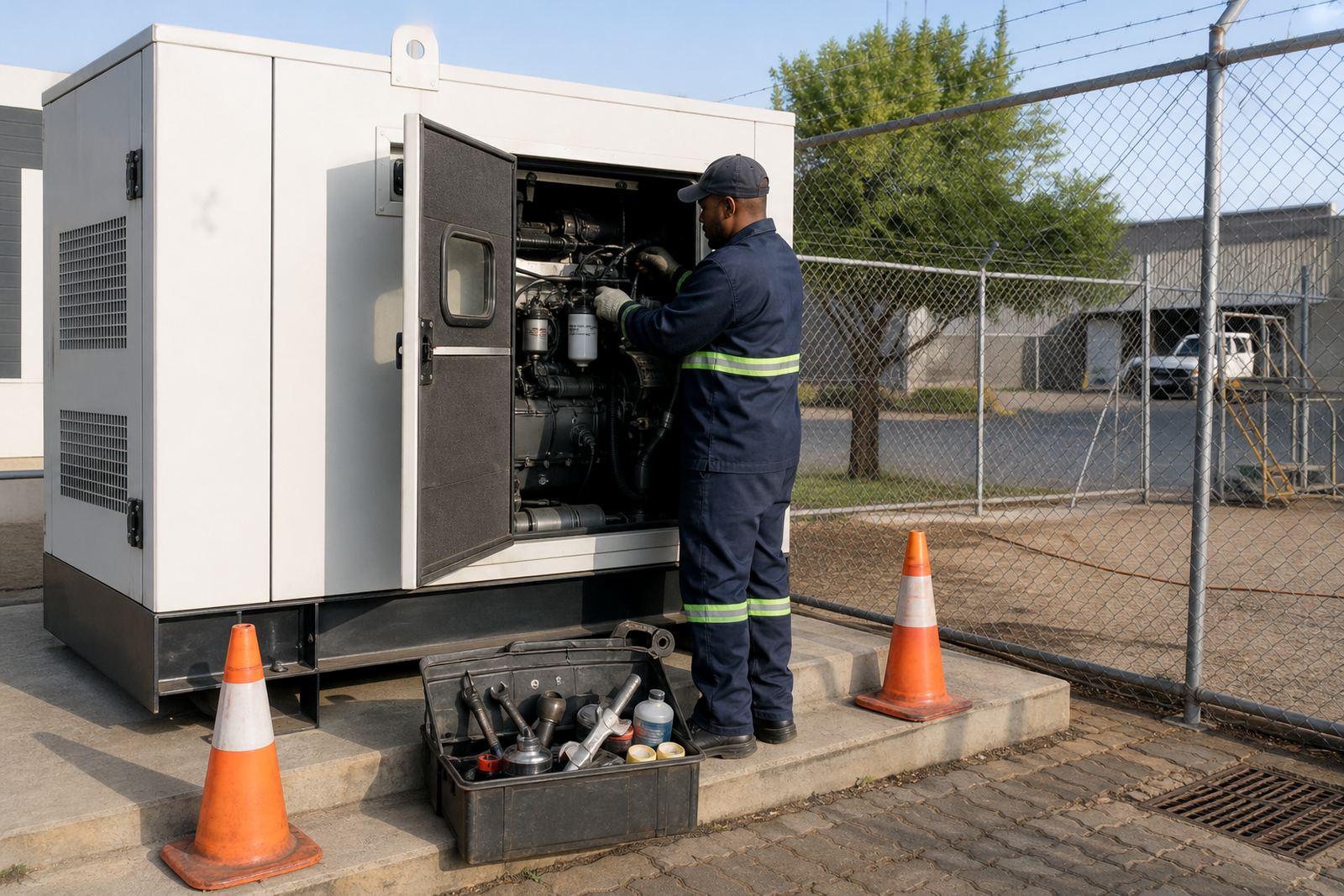
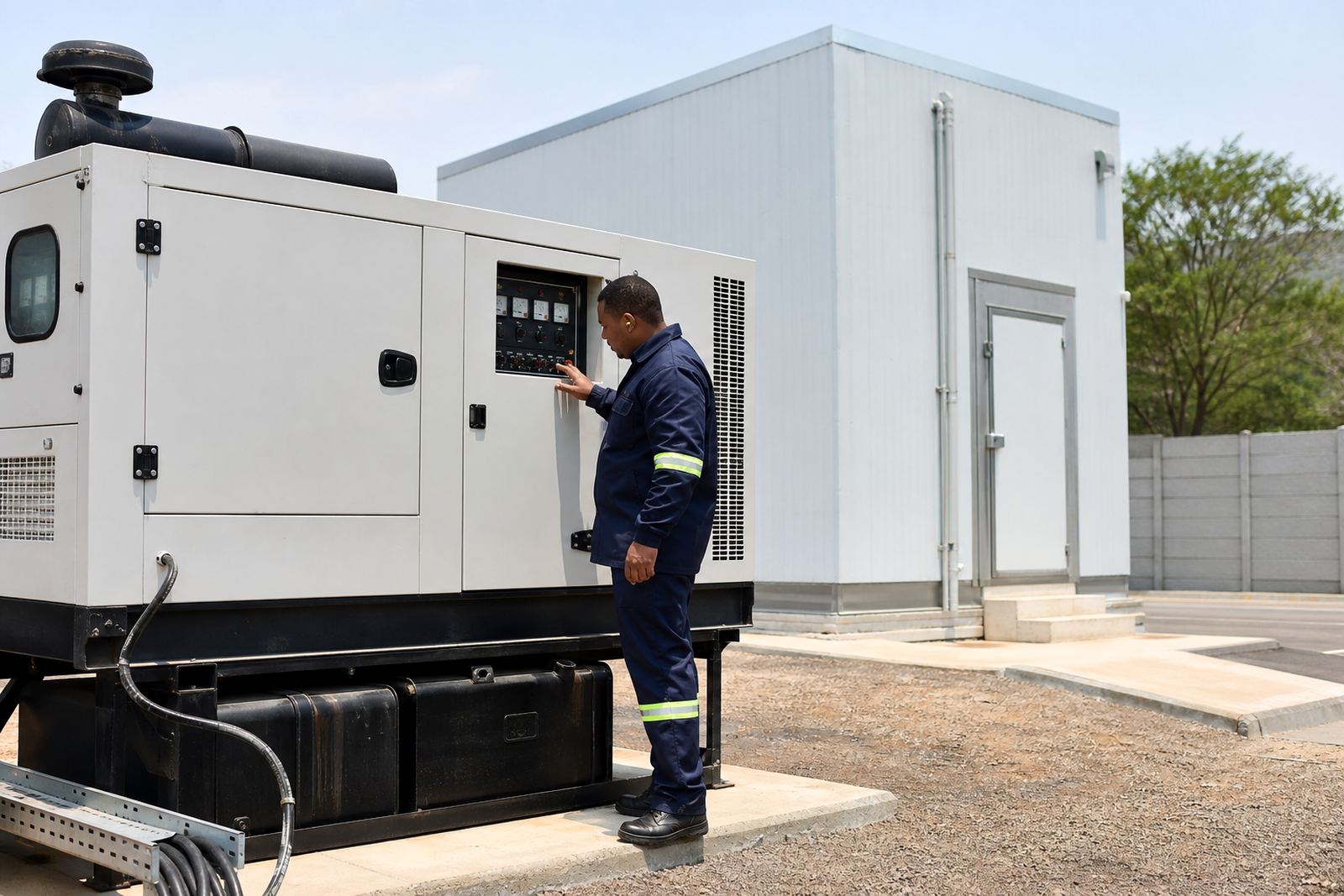
We service diesel generator sets used with pump stations in a practical way: oil and filters, coolant strength and levels, battery condition, starting system checks, fuel delivery issues and control panel faults. Where the site uses an automatic transfer arrangement, the changeover switch is checked for safe operation and clean changeover under load. Electrical work is only handled by qualified people and in line with local regulations, because pump station controls and standby gear sit close together and mistakes are expensive.
The contract sizes and duty levels we set up
Pump station demand is rarely steady, so contract sizing starts with the actual running load, motor starting current and how often the pumps cycle. A small municipal kiosk station has different needs to a multi-pump pressure booster or an industrial effluent station. We match the service plan to the generator set size, site access and operating hours, whether the unit runs as standby only or carries a prime duty role during extended utility interruptions.
- Small stations: typically 20 kVA to 60 kVA for single pump or light duty control loads
- Medium stations: 75 kVA to 250 kVA where multiple pumps or high starting currents are involved
- Larger sites: 300 kVA and above for complex duty, staged starting, or multiple duty pumps
- Automatic or manual transfer arrangements, depending on the control philosophy on site
- Single-site contracts or multi-site portfolios across Midrand, Johannesburg, Pretoria, Durban, Cape Town and Polokwane
We also look at enclosure type, sound levels and space around the plant. A tight pump room with poor ventilation needs a different servicing approach to an outside canopy set in a coastal area where humidity can attack terminals and linkages.
Where these contracts earn their keep
These contracts suit any site that depends on water movement or process transfer. That includes retail estate booster systems, apartment pressure plants, private borehole installations, hospitals, factories, warehouses, schools, farms and municipal utility points. In Gauteng, load changes can be sudden during peak demand. On the coast, corrosion and damp air can shorten component life if inspections are missed.
Pump stations often fail at the edges of routine maintenance, not all at once. A weak battery, a sticky fuel solenoid, a blocked coolant passage or a tired changeover switch can turn a normal outage into a full operational problem. For that reason, our contracts include preventive site inspections and service record audits so small issues are logged before they stop a pump line.
- Water transfer and storage stations
- Pressure boosting plants for buildings and estates
- Sewer and drainage lift stations
- Irrigation and agricultural pumping points
- Industrial process water and utility systems
What gets checked on each visit
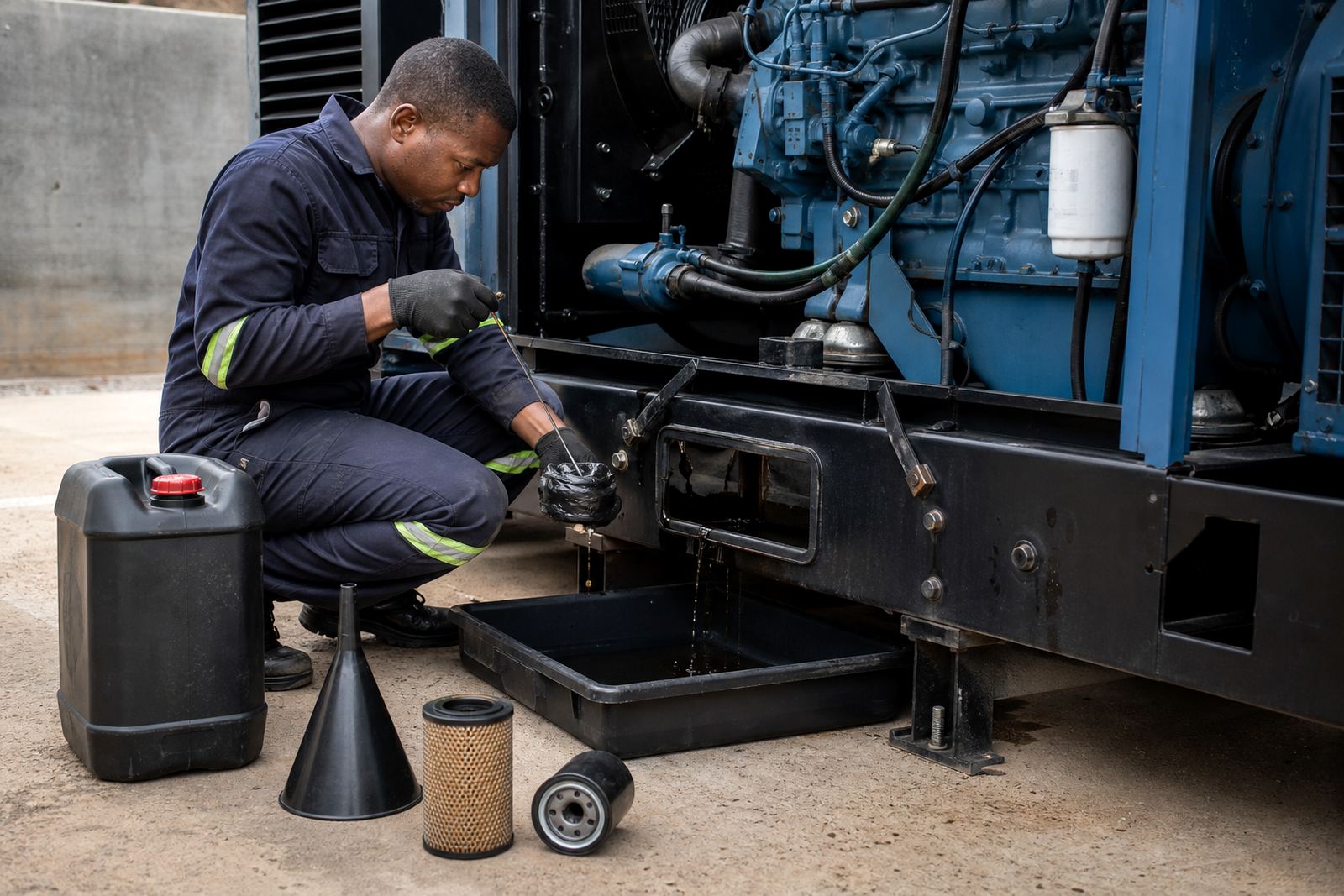
Every scheduled visit is built around the generator and its support systems, with attention to the loads and starts that a pump station puts on the set. Oil condition is reviewed, filters are replaced on schedule, coolant is tested for concentration and condition, and batteries are load tested so the unit can crank properly when called on. If the unit has a block heater or alternator charging issue, that gets flagged during the inspection.
Load bank testing is recommended where a set spends long periods on light site load. That keeps the engine healthy and helps confirm that the generator can carry its rated duty without wet stacking or unstable frequency. We also check starter circuits, fuel feed, alarms, control logic and the transfer sequence so the plant starts, transfers and settles without unnecessary delay. A clean service history makes municipal reporting and site handover a lot easier.
- Oil and filter changes
- Coolant system service
- Battery testing and replacement advice
- Load bank testing under controlled conditions
- Changeover switch checks and fault finding
- Starter system repairs and fuel system repairs
Fitting and access details that matter on site
For new pump station contracts or retrofit work, we need the generator rating, control method and physical layout of the plant room or outdoor pad. Access for service vehicles, crane lifting points if relevant, cable entry direction and enough working space around the set all affect how the job is done. If the station sits inside a secure municipal or industrial yard, site rules, induction requirements and permit access should be clear before the first service.
We also confirm whether the site has automatic start on mains failure, a manual start arrangement, or a staged transfer sequence linked to pump controls. Where the generator interfaces with a changeover switch or control panel, the electrical side must be verified by qualified people under local rules. That avoids unsafe switching, nuisance trips and damage to the pump control gear.
What we need from you before we put the contract together
To prepare a pump station contract properly, we need a few practical details rather than broad descriptions. The exact generator size, the pump motor ratings, whether the site is single or multi-pump, and how often the system is expected to start all shape the service plan. We also need the service interval preference, location, and whether the unit is new, inherited or already on an existing maintenance schedule.
- Generator make, model and kVA rating
- Standby or prime duty application
- Pump motor sizes and number of starts per day
- Transfer method and switchgear type
- Site location, access limits and operating hours
- Any alarm history, starting problems or fuel issues
If the generator has been sitting unused, we will inspect the oil condition, coolant, battery health and any signs of leaks or corrosion before recommending the next step. That is especially important on coastal sites and in pump rooms with poor ventilation, because heat and moisture do their own damage over time.
Key facts
| Product type | Generator servicing contracts for water and utility pump stations |
|---|---|
| Typical sizes | 20 kVA to 300 kVA plus, subject to load and start current |
| Duty use | Standby and prime applications for pump station support |
| Service scope | Oil, filters, coolant, batteries, load bank testing and changeover checks |
| Coverage | Midrand, Johannesburg, Pretoria, Durban, Cape Town, Polokwane and surrounding areas |
| Contract options | Scheduled servicing, emergency callouts, preventive inspections and record audits |