Hours On The Clock, Oil In The Right State
An oil service plan is a scheduled maintenance agreement that covers the engine oil drain, refill and related checks at agreed running-hour intervals. It suits standby sets that sit idle for most of the month, as well as prime units that carry daily loads on construction sites, farms, processing plants and remote facilities.
The interval is matched to the set type, engine size and operating duty. On many site generators the service may be set at 250 hours, 500 hours or a time-based interval if the set runs lightly but sits in hot, dusty or coastal conditions. The aim is to keep oil viscosity where it should be, reduce soot build-up and protect bearings, turbos and cylinder liners from wear.
We also look at the condition around the generator room. Excess dust, long load-shedding stretches, high ambient heat in places like Durban, or damp coastal air can shorten oil life and bring forward a service window. A good plan takes that into account instead of using one fixed rule for every site.
What Is Usually Included In The Plan
Each plan is set up around the generator, its fuel use and the condition of the site. The exact scope is agreed before the first service so the schedule matches the machine and the maintenance records stay clear for audits and warranty files where applicable.
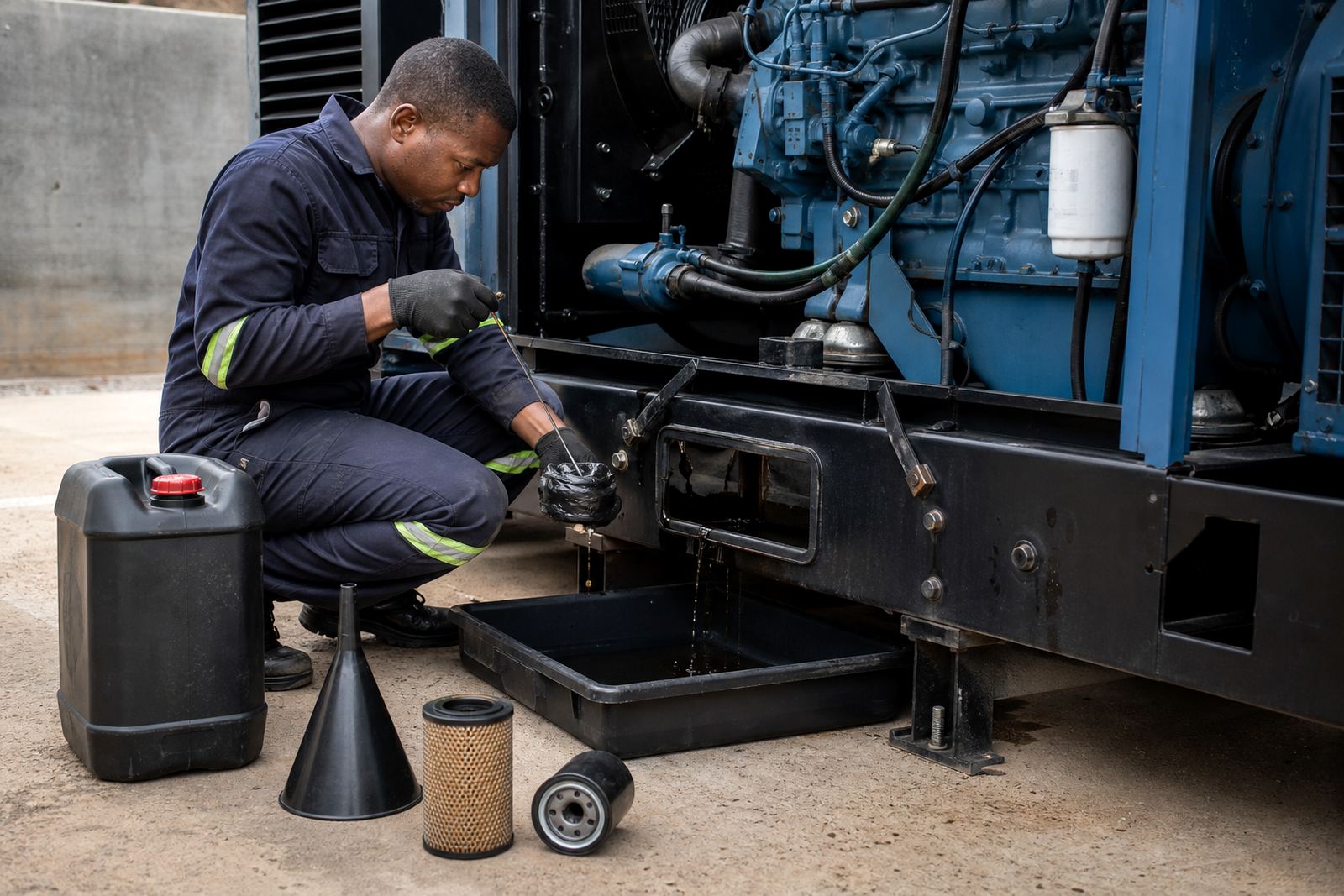
- Engine oil drain and refill to the correct grade and volume
- Oil filter replacement where the service interval calls for it
- General leak check around sump, seals and hose connections
- Visual check of belts, mounts and accessible hoses
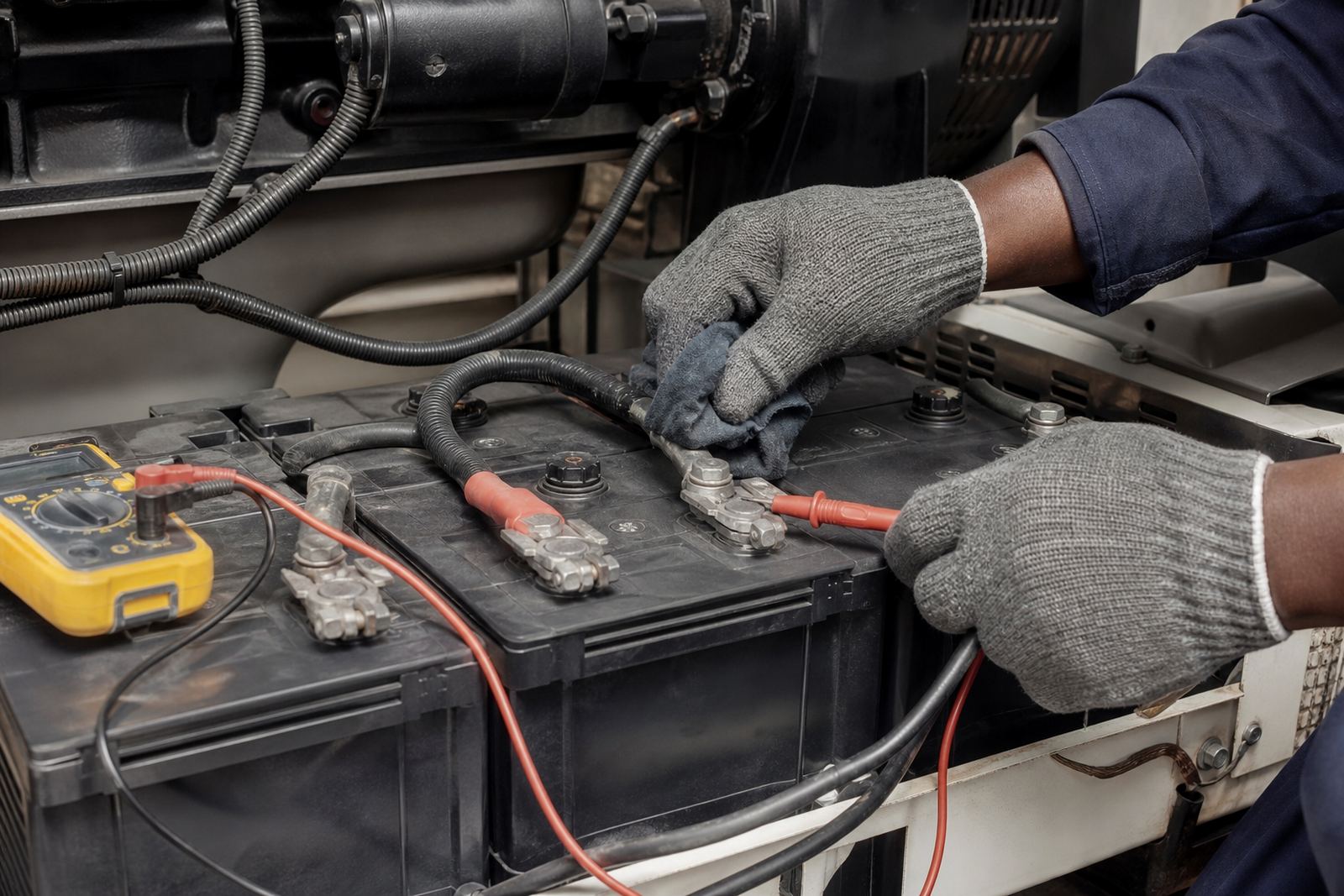
- Battery terminals and charger condition check during the visit
- Service record entry with hours, date and technician notes
Where a set has been working under frequent start-stop cycles, we may recommend bringing forward the service rather than pushing to the longest interval. That can help prevent varnish, sludge and low oil pressure issues that often show up after long periods of heavy duty use.
Sized For Small Backup Sets Through To Large Plant Rooms
Oil service plans are available for compact standby sets, mid-size commercial units and larger prime power machines. The plan is not sold as a one size package, because oil capacity, filter size and access to the engine can vary a lot between sets.
- Small office and retail generators with lower oil capacity and shorter service time
- Medium commercial sets used for refrigeration, security systems and general backup
- Large industrial units serving production lines, pumps or process equipment
- Single generator sites and multi-set installations with staggered service dates
For bigger plants, the service can be linked to a maintenance contract so each generator has its own hour metre review and oil change date. That helps when one set is carrying more of the load than the others and needs attention sooner.
We service sites in Midrand, Johannesburg, Pretoria, Centurion, Sandton, Durban, Cape Town and Polokwane, with travel arranged for other parts of Gauteng and the rest of the country where the contract makes sense.
Fitting And Site Access On Service Day
Oil service work needs proper access to the generator, safe isolation and time for the engine to cool before draining. Electrical work on the set, including any changeover related testing, must be handled by qualified people working within local regulations. On some sites the generator room is tight, the access door is narrow, or the unit sits in a yard with limited turning space, so we plan the visit around those conditions.
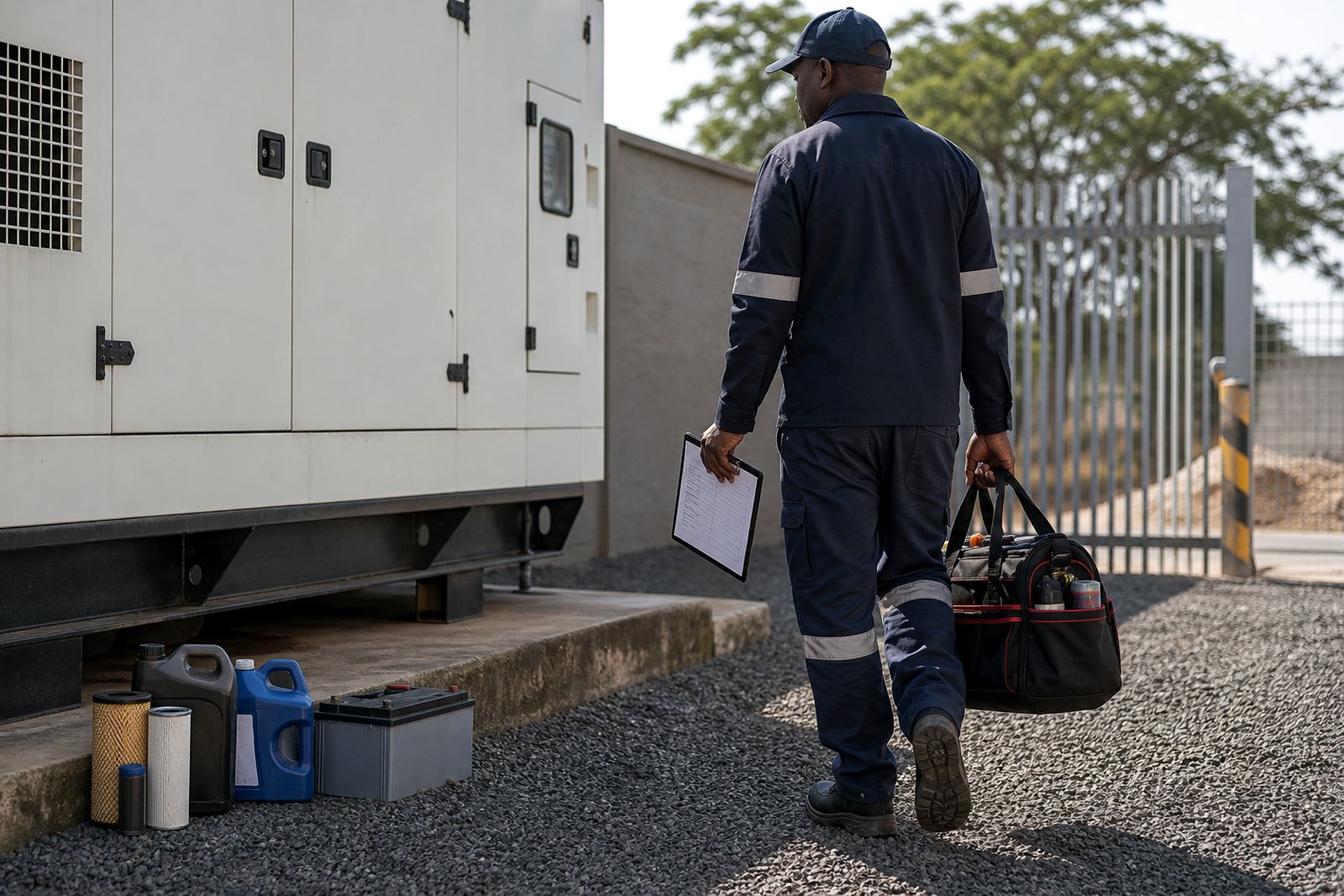
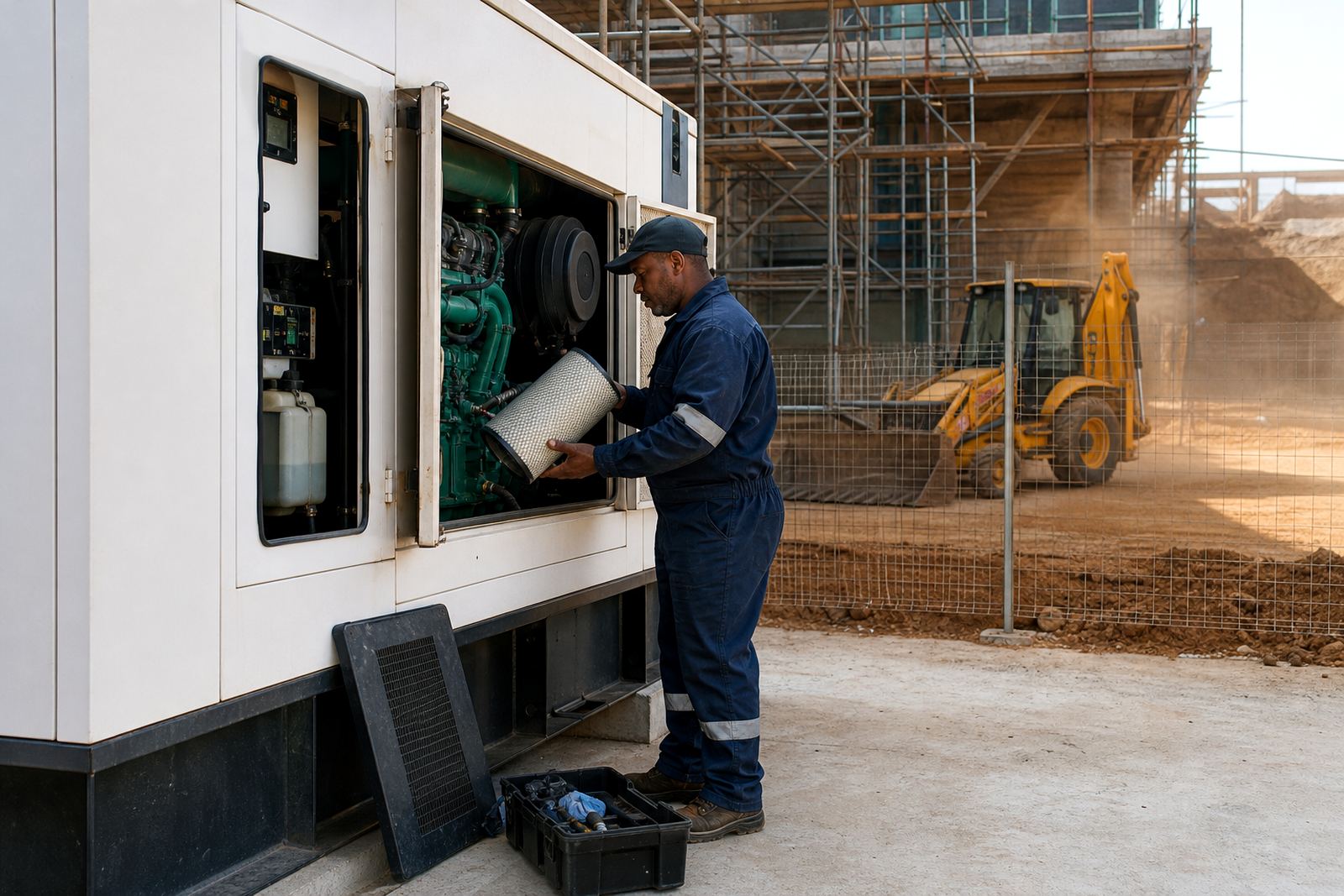
If the service includes filters and a full oil drain, the technician will need clean working space, disposal containers and enough room to open panels safely. For enclosed sets, it helps to know whether the housing has side access, top access or removable panels. On outdoor units, shade, rain protection and a level surface make the work cleaner and quicker.
On sites with automatic changeover systems, we also confirm whether the set will be taken off load or tested during a low demand window. That avoids nuisance interruptions to essential plant and gives a cleaner result during the oil service.
Care Between Visits So The Next Drain Is Worthwhile
Between services, the set should be checked at regular intervals so a small oil issue does not turn into a breakdown. A quick inspection by site staff can pick up low levels, fresh leaks, damaged caps or signs that a filter has started sweating around the seal.
- Check oil level when the engine is cool and the unit is on level ground
- Look for drips under the sump, hoses and filter area
- Keep the surrounding room free of dust and stored items
- Record every run hour so the service falls on time
- Report smoke, pressure warnings or unusual engine noise straight away
In coastal areas, moisture and salt in the air can affect electrical terminals and exposed metal around the set, so a clean, dry room matters. In hotter inland sites, the oil can age faster if the generator works long hours under load. Good care between visits keeps the service plan accurate and helps the machine stay reliable when Eskom or site power is unstable.
The Details We Need Before We Schedule The Oil Change
To set up the correct oil service plan, we confirm the generator make and model, engine serial number if available, running hours, current oil grade and the site conditions. We also need to know whether the set is standby or prime duty, and whether it forms part of a larger maintenance contract with filters, coolant checks or battery testing.
For an accurate service, it helps to have the last service date, the present oil interval, any past alarms and whether the generator has been running under heavy load during load-shedding periods. If the unit serves a process plant, refrigeration room or security system, we also note any shutdown windows or municipal site restrictions that affect access.
That information lets us bring the right oil type, the correct filters and the proper drain equipment. It also avoids delays on site and keeps the service record clean for future audits, fault tracing and planned maintenance reviews.
Key facts
| Service type | Scheduled oil drain and refill plan for standby and prime generators |
|---|---|
| Interval options | Common hour-based intervals such as 250 hours and 500 hours, or time-based scheduling where needed |
| Applicable units | Single sets, multi-set sites, commercial backup plants and industrial prime power generators |
| Typical inclusions | Oil change, oil filter replacement, leak check and service record update |
| Site conditions covered | Dust, heat, coastal humidity, frequent starts and long running hours |
| Coverage area | Midrand, Johannesburg, Pretoria, Durban, Cape Town, Polokwane and surrounding business districts |