What a base load contract actually does on site
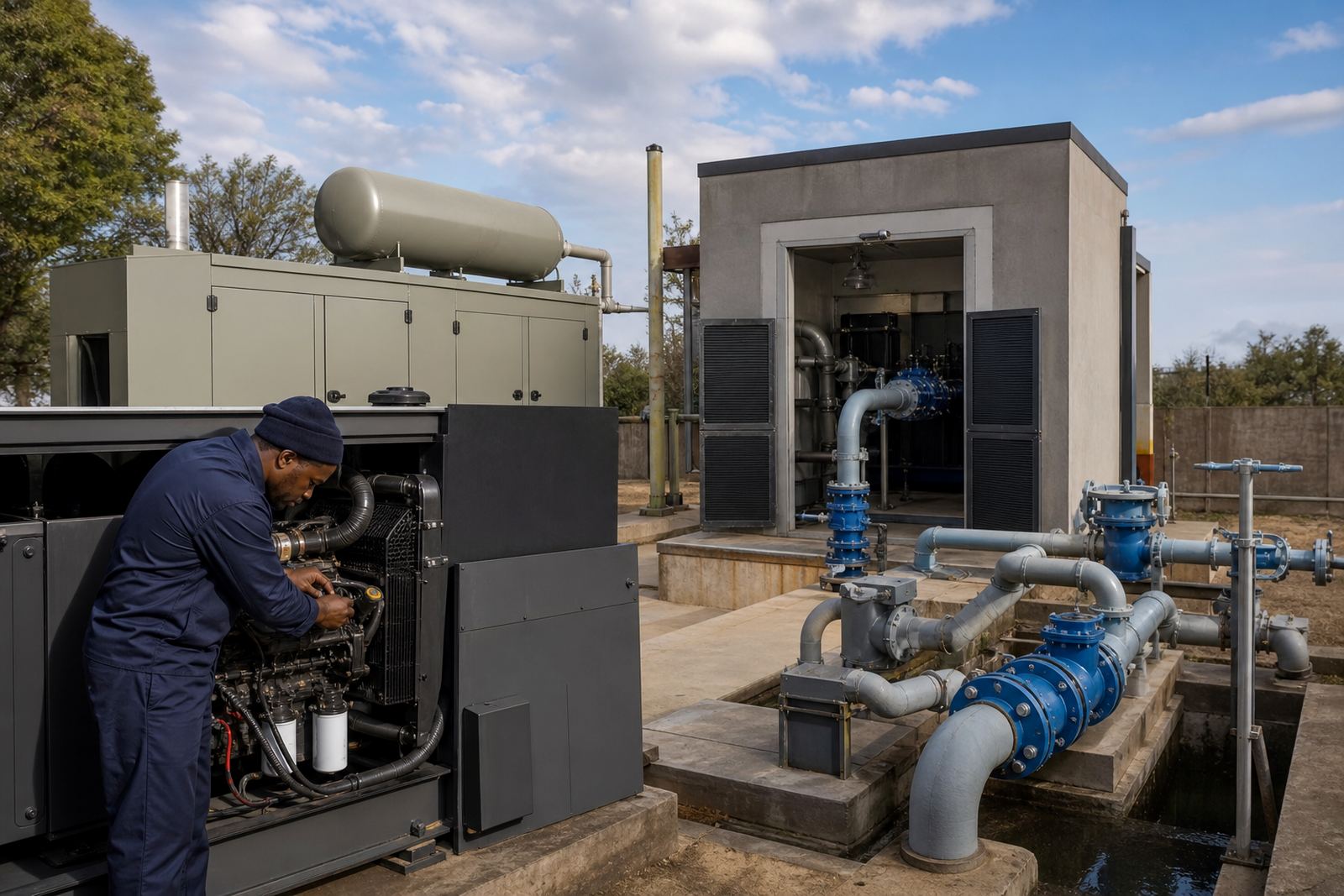
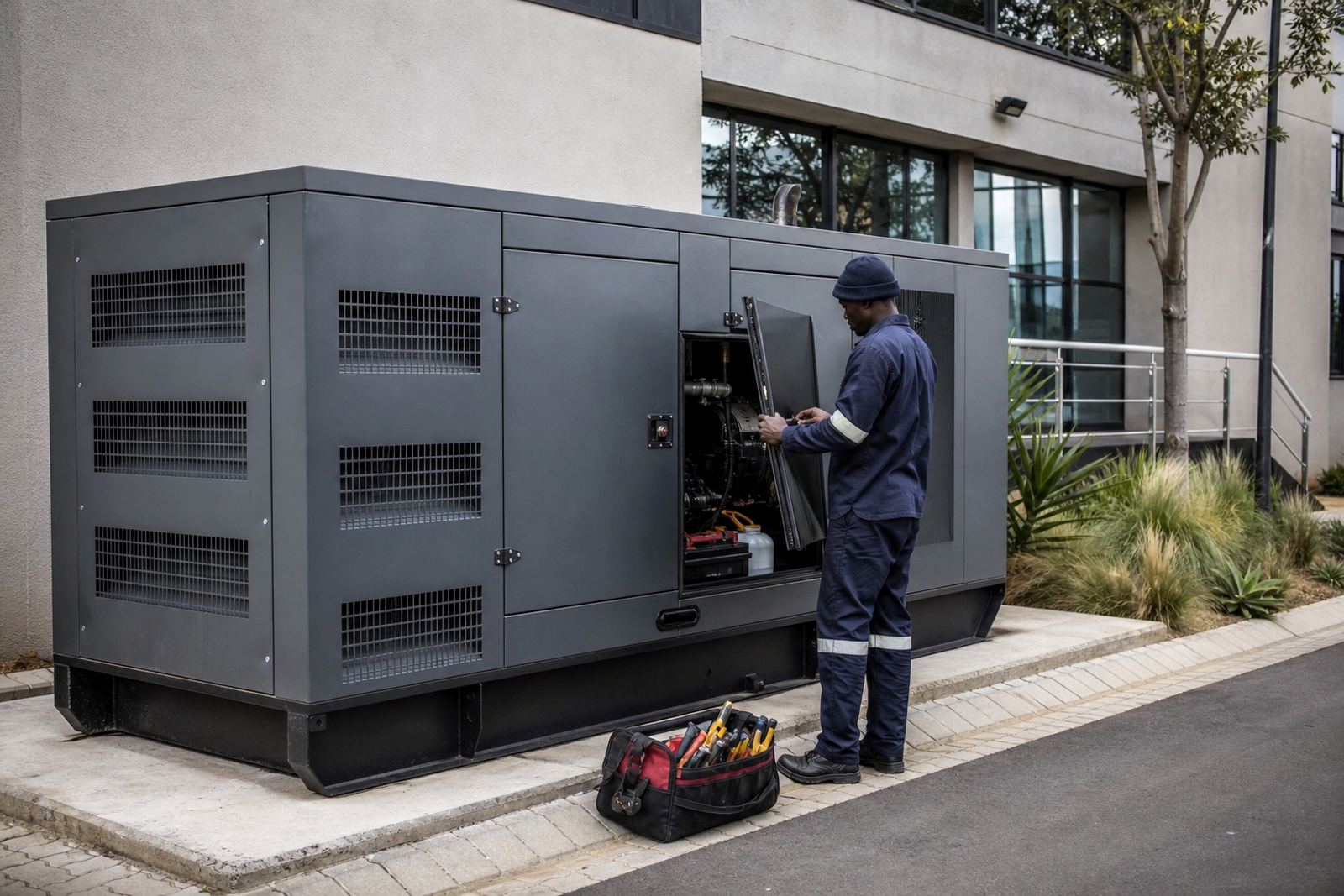
A base load contract is set up for generators that carry a steady electrical load for long shifts, often in factories, plants, commercial sites, farms, warehouses and process facilities. These units do not get treated like occasional backup sets. They need regular oil changes, filter swaps, coolant checks, battery care and inspection of all the small wear points that build up when a machine runs day after day.
RelGen structures the contract around the hours your set works, the site conditions and the duty cycle. A unit in a dusty Gauteng yard, a coastal site in Durban, or a plant in Cape Town with salty air will not need the exact same attention pattern. The aim is to keep the generator stable, clean and ready for load changes without unnecessary downtime or rushed fixes.
- Scheduled servicing based on running hours and site use
- Fluid, filter and cooling system control
- Inspection of starting, charging and control components
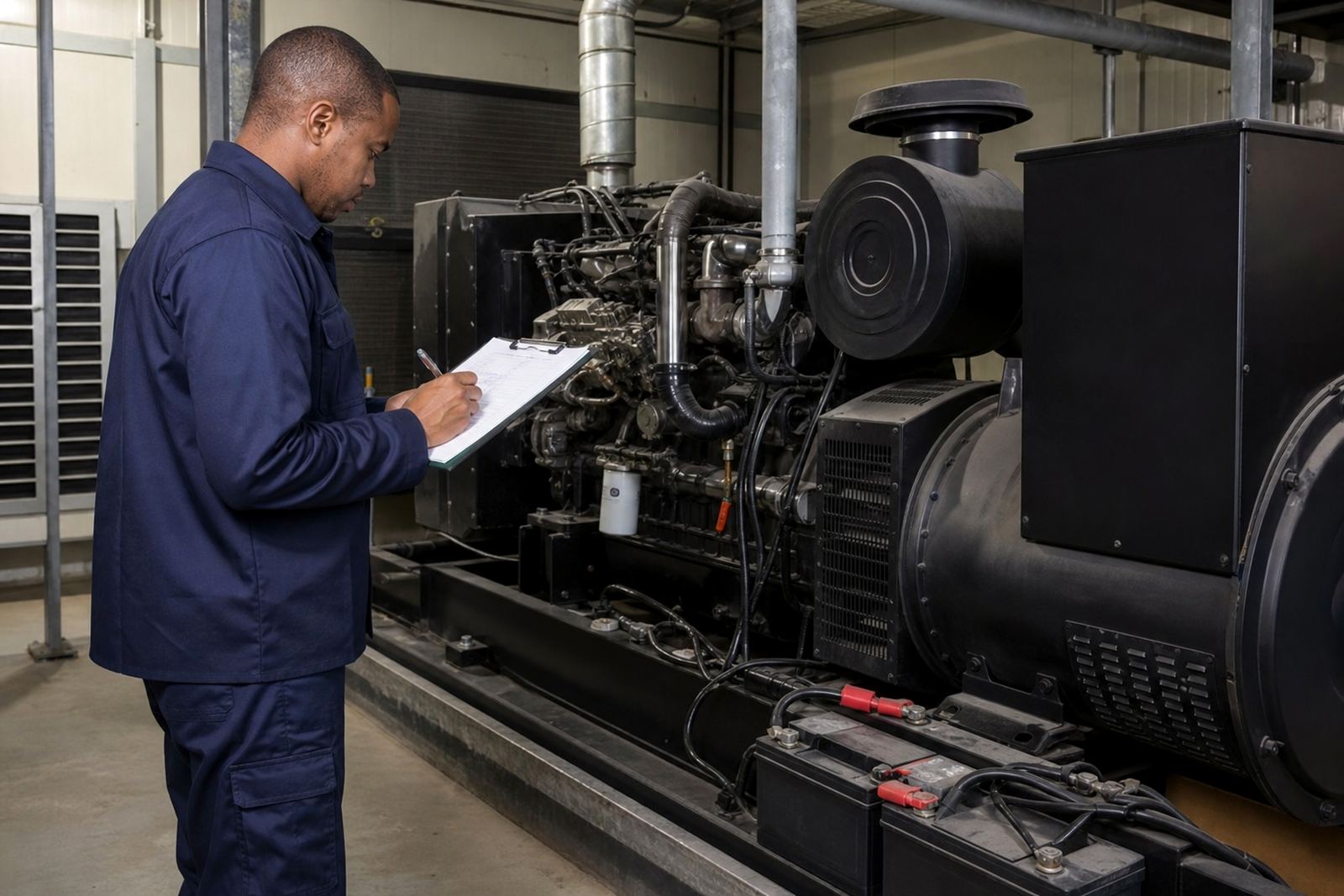
- Service records kept for audit and planning
Where these contracts fit best
Base load servicing suits sites that rely on a generator as part of daily operations, not only for outages. That includes manufacturing lines, refrigerated storage, construction compounds, mixed-use commercial buildings, water and process facilities, retail support areas and remote business sites where municipal interruptions are common. It also suits businesses that run during load-shedding and still need clean, stable power through the rest of the day.
In Johannesburg, Pretoria, Sandton, Centurion and Midrand, the pressure is often on continuous business continuity. In Durban and Cape Town, weather exposure and humidity add another layer of wear. In Polokwane, dust and heat can pull a set out of shape faster than expected. A good contract accounts for those conditions instead of treating every site the same.
- Sites with long daily run hours
- Operations that cannot afford repeated stoppages
- Generators exposed to dust, heat, humidity or coastal air
- Businesses that need predictable maintenance planning
Sizes, duty ratings and service set-ups we work with
RelGen services a broad range of standby and prime generators, from smaller commercial units through to larger sets used in industrial applications. The contract is matched to the machine size, engine type and the way it is loaded. Where a site has a base load arrangement, we look carefully at the steady draw on the set, because running too lightly or too heavily both cause trouble over time. A clean service plan keeps the unit in its proper operating range.
We also consider whether the site has one generator or a bank of units working in rotation. A single set at a warehouse in Midrand needs a different service rhythm to a multi-unit installation at a plant in Pretoria. If a generator is paired with an automatic changeover arrangement or a manual switching setup, that also shapes the maintenance scope and testing sequence.
- Single units or multi-set sites
- Light commercial through to heavy industrial duty
- Standby and prime generator servicing
- Contracts for fixed sites and rotating duty schedules
The servicing sequence that keeps the hours honest
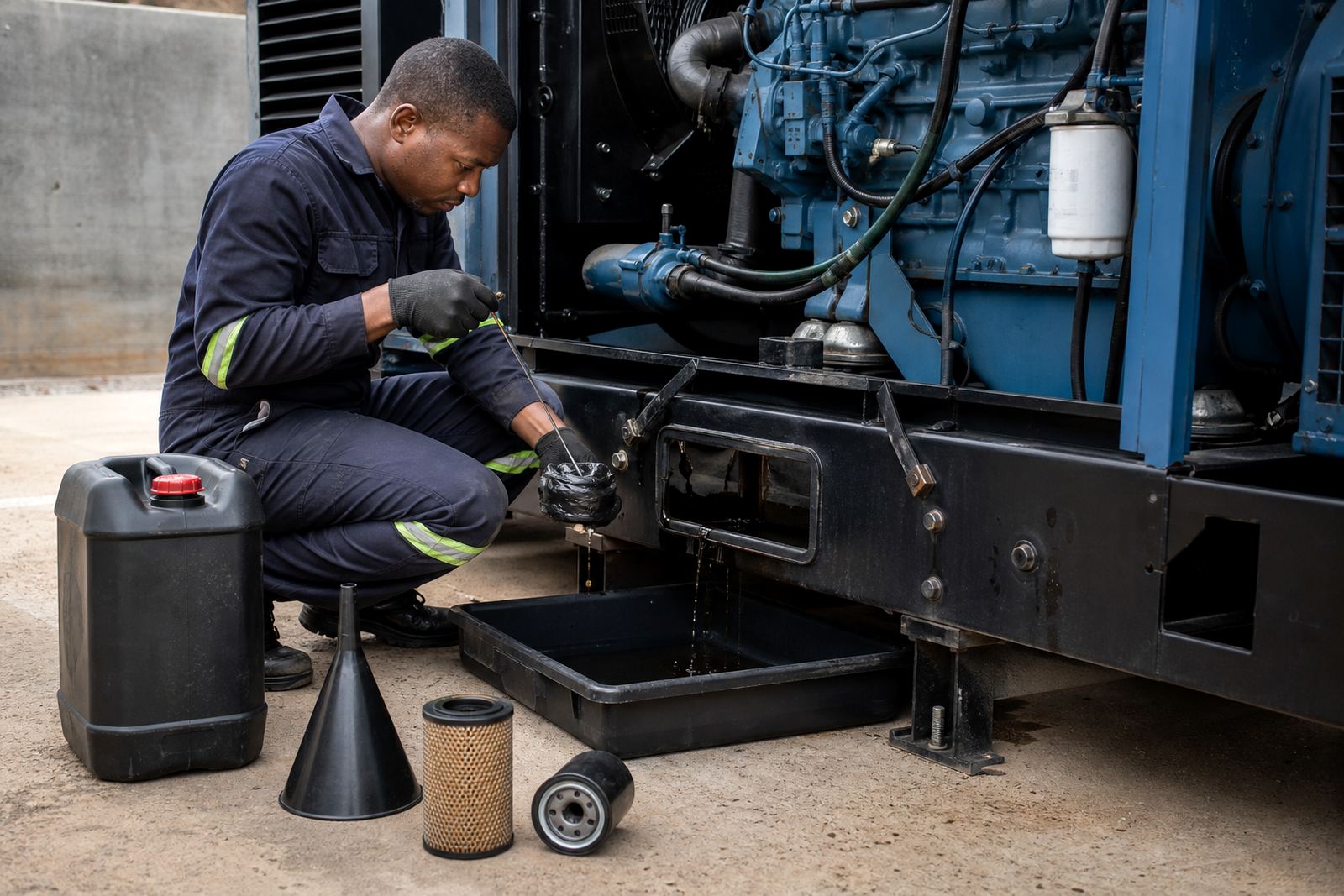
Base load work is not only about topping up fluids. It is about checking the whole system in a planned way. Oil is assessed and changed at the correct interval. Filters are replaced before they choke airflow or fuel delivery. Coolant strength, hoses, belts and caps are inspected for leaks and heat stress. Batteries are tested for cranking strength, because a set that runs well can still fail at start-up if the batteries are weak.
Load bank testing is part of the discipline where it is needed. It helps prove the generator can carry the expected load and that wet stacking, uneven combustion or poor response is not building up in the engine. Changeover switches are checked by qualified people under local regulations, along with fault finding on starter systems, fuel system repairs and basic control issues. Electrical work must always be done by properly qualified persons in line with South African rules.
- Oil and filter changes at planned intervals
- Coolant system service and leak checks
- Battery testing and charging system checks
- Load bank testing and changeover switch checks
What happens when a plant starts acting up
When a generator begins to miss a step, the signs are often small at first. Hard starting, low battery voltage, unusual smoke, rising temperature, fuel delivery problems or repeated alarms can point to a deeper issue. On a base load site, these warnings must be handled early because every extra hour of poor running adds wear and can interrupt the whole operation.
RelGen offers emergency callouts and fault finding for contract clients, with attention to starter system repairs, fuel system repairs, coolant issues and service record audits. We also carry out preventive site inspections so small defects are picked up before they become a shutdown. In Midrand and the wider Gauteng area, that can make a big difference during busy production periods and scheduled municipal interruptions. One loose hose clip or tired battery can cost more than people expect.
- Hard starting and repeated cranking
- Overheating or coolant loss
- Fuel delivery faults and air leaks
- Starter, battery and charging trouble
Fitting details and site checks before the contract starts
Before a base load contract is signed off, the site needs a proper technical picture. We confirm generator make and model details, service hours, running pattern, load profile, access around the set, fuel storage arrangements and the condition of the changeover system where one is fitted. We also look at whether the unit sits indoors or outdoors, because airflow, temperature and dust control affect service intervals.
If the generator is being installed into a new contract arrangement or being brought into a maintenance schedule after a period of rough use, the first inspection is especially important. That visit tells us whether the unit needs catch-up servicing, fluid replacement, cleaning, control checks or more detailed repairs before it can settle into normal contract work. A good start saves time later and keeps the service history clean.
- Generator serial and model details
- Rated output and expected load pattern
- Fuel storage, access and site conditions
- Changeover arrangement and service history
How RelGen manages contract care across South Africa
RelGen operates from Midrand, Gauteng and supports businesses in Johannesburg, Pretoria, Centurion, Sandton, Durban, Cape Town and Polokwane. Our team handles scheduled servicing, emergency response and contract planning for sites that need dependable generator care without constant supervision from the client side. Thabo Engelbrecht oversees the business, with support from Naledi Shezi, Johan Matlala, Ayanda Khoza, Muneerah Daniels, Sibusiso Wessels and Rikus Botha.
We keep the work practical. That means service records, parts planning, field coordination and honest feedback on condition. If a unit needs attention now, we say so. If it can run safely for another interval, we say that too. Clients reach us through the enquiry form on our contact page when they need a maintenance contract discussion or a site review, and we build from there based on the actual machine and the actual hours it works.
Key facts
| Contract type | Base load generator maintenance for continuously worked units |
|---|---|
| Service scope | Oil and filters, coolant system, batteries, load testing, switch checks, fault finding |
| Unit range | Small commercial through to industrial standby and prime generators |
| Service method | Planned intervals by running hours, site conditions and duty cycle |
| Service areas | Midrand, Johannesburg, Pretoria, Durban, Cape Town, Polokwane and surrounding business districts |
| Compliance note | Electrical work and changeover related work done by qualified persons under local regulations |