Servicing that matches how the generator is actually used
Scheduled servicing is set around the way the set is used on site, not just a date on a calendar. A generator that starts often during load shedding in Sandton will not need the same attention as a unit running longer hours at a construction or manufacturing site in Durban, so we look at hours run, storage conditions, dust levels, coastal humidity and fuel quality before setting the work sequence.
Our Midrand base supports contracts in Johannesburg, Pretoria, Centurion, Sandton, Durban, Cape Town and Polokwane, with service visits planned for business sites that need steady standby cover or regular prime power. The aim is to keep the unit ready for the next call for power, with fewer surprises and less down time.
- Standby generators used during outages and load shedding
- Prime generators used for longer duty cycles on site
- Units exposed to dust, vibration, heat or salty coastal air
- Sites with strict access rules, permit control or municipal noise limits
What a standard service visit covers
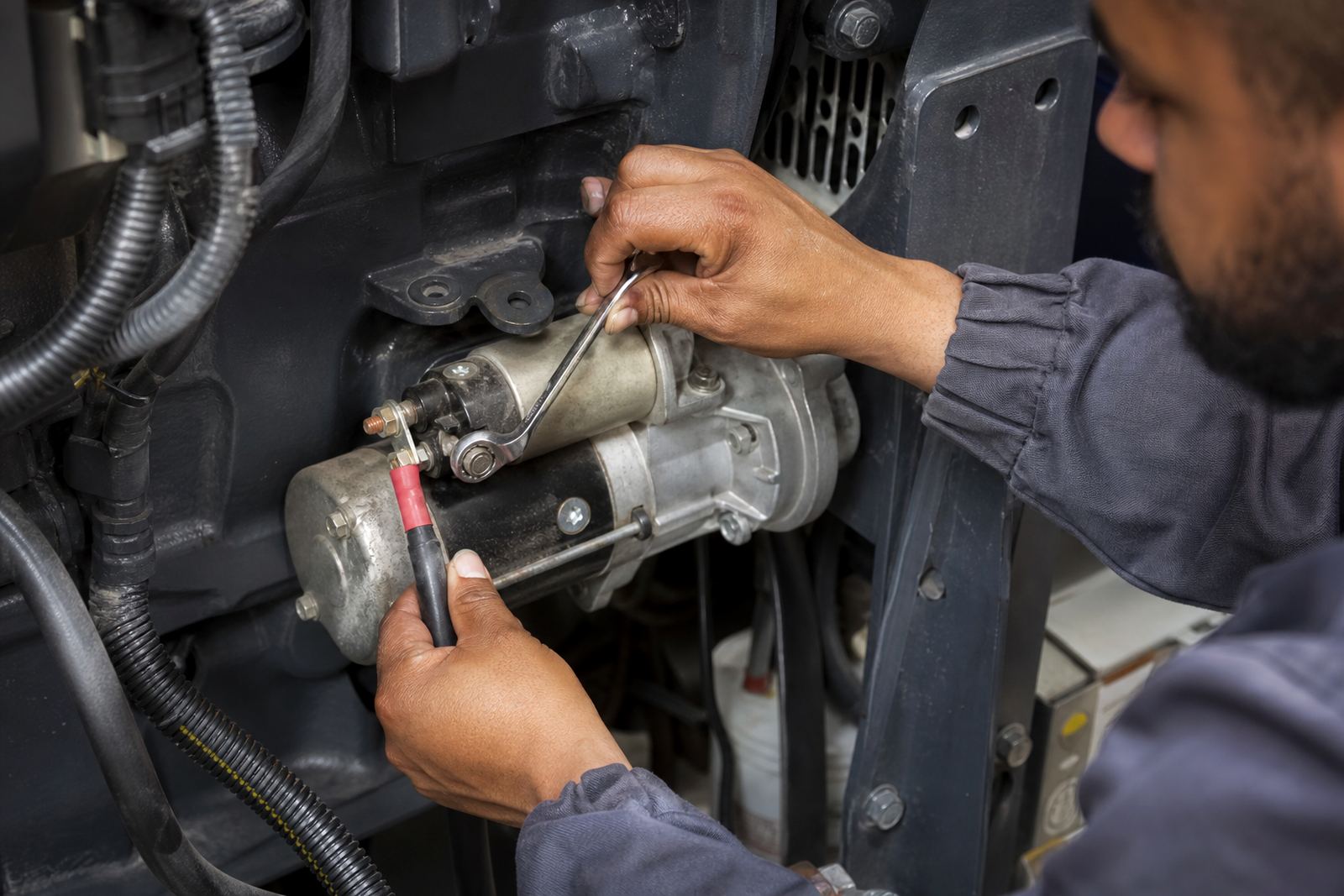
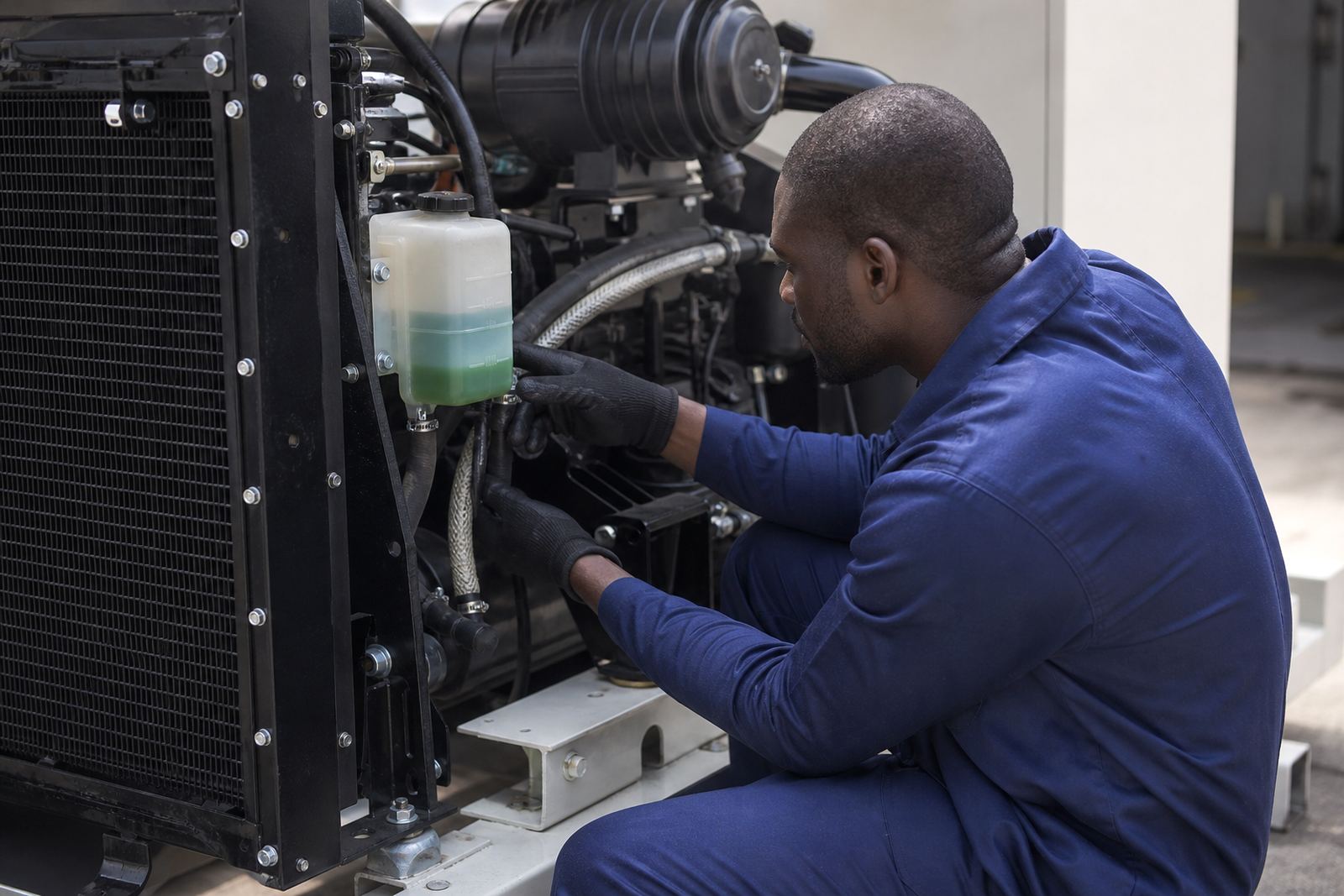
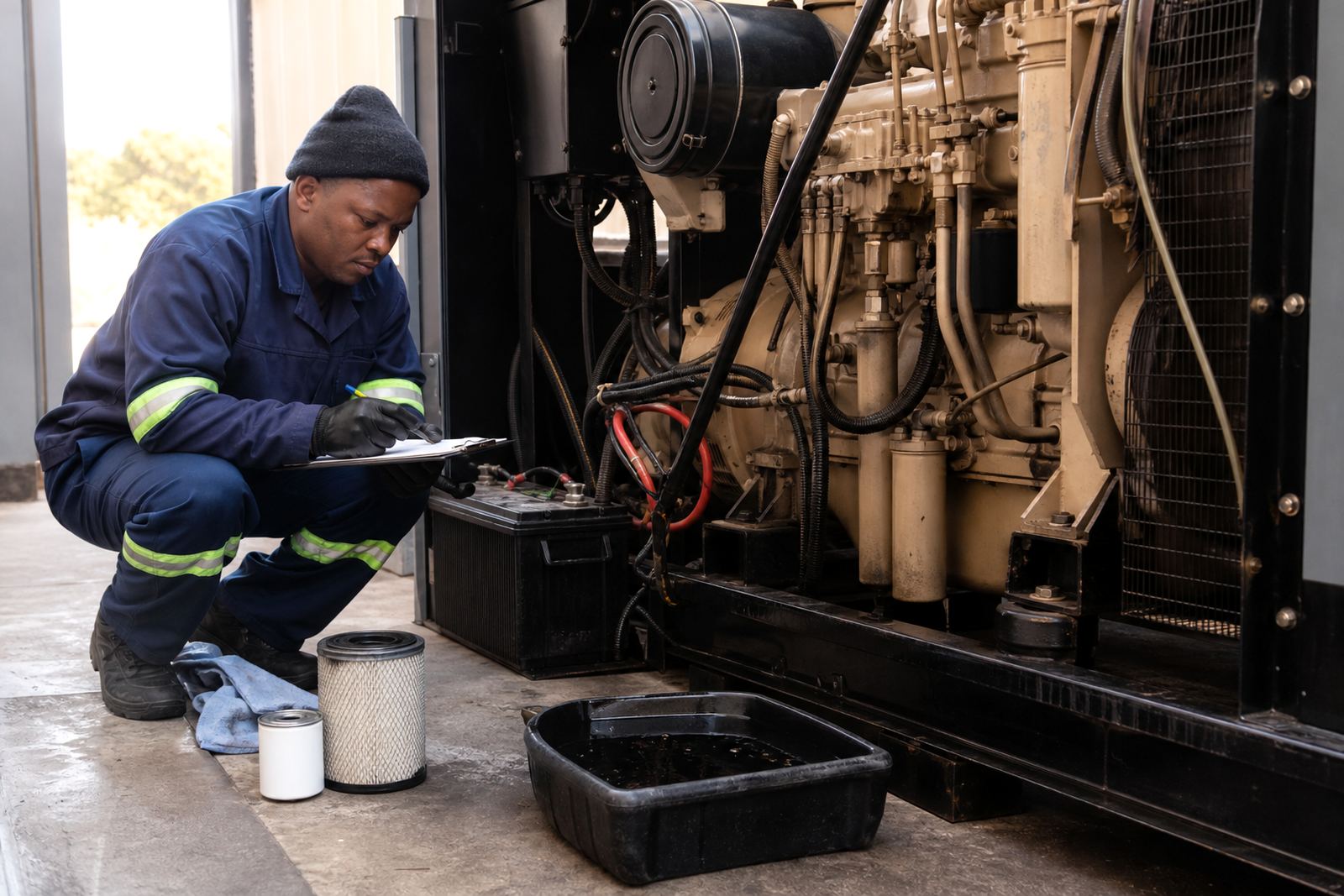
A scheduled service is more than a quick check. We work through the consumables, cooling, starting and control systems in a set order so the unit leaves in better shape than when it arrived. Oil and filters are replaced where due, coolant condition is checked, battery performance is tested and the starter system is inspected for wear or weak connections.
Changeover switches are checked by qualified people only, in line with local electrical rules and site safety procedures. Where the site uses automatic changeover, we verify the transfer logic and look for signs of heat damage, loose terminations or contamination. Fuel system repairs are handled where needed, but only on the generator side of the installation, and any electrical work is done by suitably qualified personnel under the required regulations.
- Oil and filter changes
- Coolant system service
- Battery testing and charging checks
- Starter system inspection
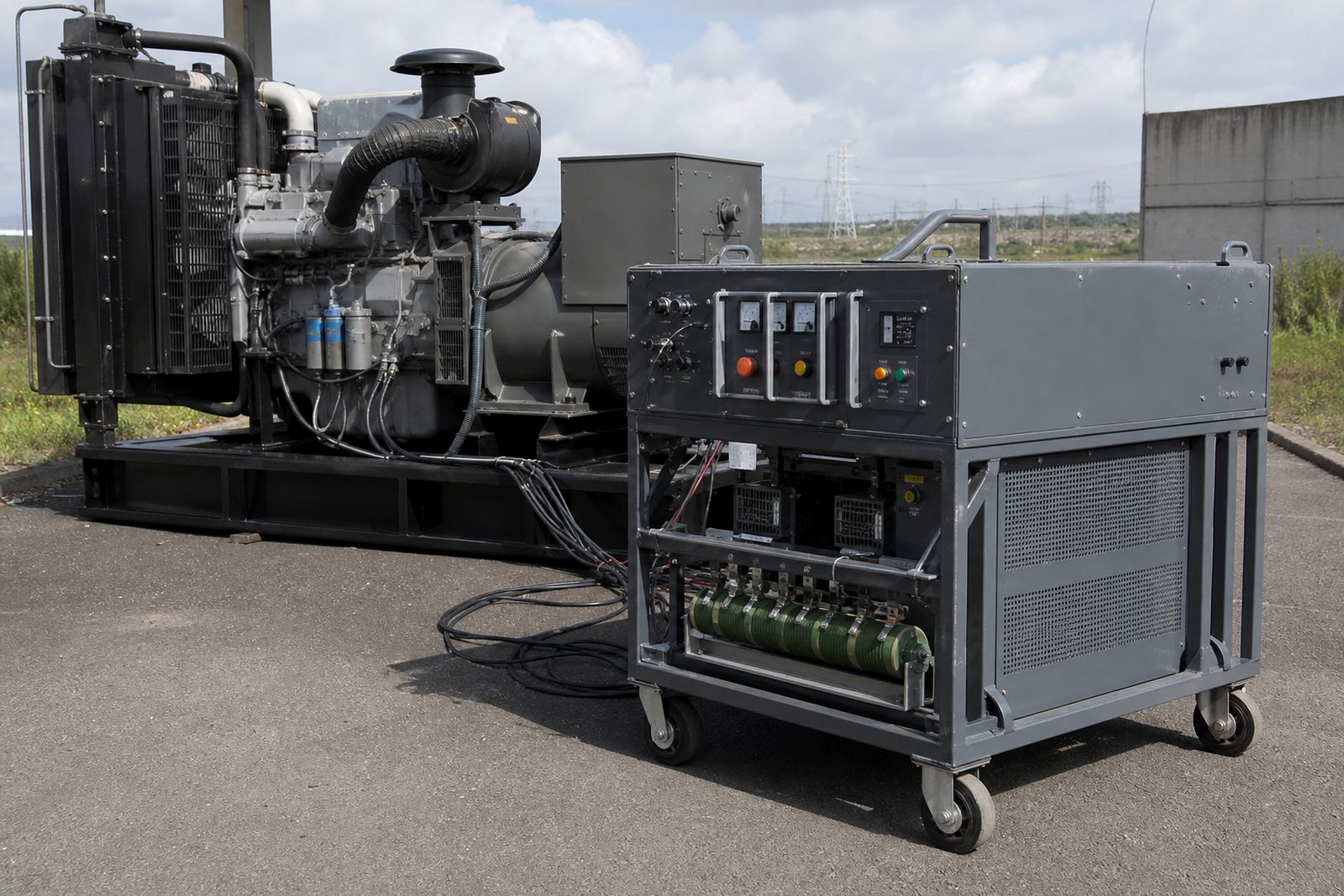
- Load bank testing where scheduled
- Changeover switch checks and functional tests
How the service day is handled on site
We start by reviewing the unit history, last readings and any faults reported by the site contact. The technician then isolates the machine, confirms access, checks safety conditions and carries out the planned work. If the site is a hospital, factory, retail centre or office park, we pay close attention to access windows so the work does not interrupt operations more than necessary.
After the service, the set is restarted and monitored. Any warning lights, abnormal smoke, low charging output or coolant issues are noted straight away. If the system needs further attention, we explain what was found and what should happen next, rather than leaving the site guessing.
- Pre-service review of operating history and fault notes
- Safe isolation and inspection of the unit
- Consumable replacement and system checks
- Restart, run test and final verification
Load bank testing when a real proof is needed
Some generators will start and idle, but that does not tell you how they will behave under a real load. Load bank testing is used to confirm that the engine can carry demand, build temperature correctly and respond as expected. It is especially useful for standby sets that may sit for long periods, or for prime units that need periodic proof of capacity.
Testing is arranged according to the site, the generator size and the operating pattern. We do not push equipment past safe limits, and we record the results so the client has a proper service trail. On larger sites, this helps with audits, insurer queries and internal facilities reporting.
- Confirms performance under electrical load
- Helps clear wet stacking on lightly used sets
- Highlights cooling or fuel delivery issues
- Supports service record audits and compliance files
Turnaround, access and pricing that stays tied to the job
Turnaround depends on unit size, site access and the amount of work found on inspection. A routine service on a single standby set can often be handled in one visit, while larger installations, multiple sets or load bank work may need a longer slot. If the site has after-hours access, municipal permits or body corporate rules, we plan around those requirements from the start.
Pricing is based on the unit specification, the scope of the service, travel from the nearest support point and any parts or consumables required. We do not quote blind. The service plan is shaped by the actual condition of the equipment, which is the only fair way to price scheduled work on generators used across different towns and operating environments.
- Single-unit or multi-unit site scheduling
- Parts and consumables listed against the work done
- Travel factored by location and access requirements
- Clear notes for approved extras before proceeding
Paper trail, follow-up and the next visit
Every scheduled service should leave a clear record. We capture service notes, readings, any parts changed and any issues that need watching before the next visit. That helps site managers, facilities teams and procurement staff keep the machine history in order, especially when there are several buildings or branches to manage.
Aftercare includes practical feedback on battery condition, coolant loss, oil condition, fuel contamination, starter wear and switch performance. If the unit is showing early warning signs, we flag them before they turn into a callout. That way the next service is not a guess, it is based on what the generator has actually been doing on site.
- Service report with readings and observations
- Notes on worn parts or follow-up work
- Recording of load test results where done
- Guidance on what to watch before the next visit
Key facts
| Service types | Standby generators and prime generators |
|---|---|
| Locations covered | Midrand, Johannesburg, Pretoria, Durban, Cape Town, Polokwane, Centurion, Sandton |
| Core checks | Oil, filters, coolant, batteries, starter system, fuel system |
| Electrical scope | Changeover switch checks by qualified personnel only |
| Testing options | Load bank testing and functional run checks |
| Contract basis | Scheduled servicing on agreed service plans with records kept per unit |