Paper trail that shows what was done, and when
Maintenance records are more than a file of invoices. They show the condition of the generator over time, which parts were changed, what faults were found, and whether follow up work is still due. For businesses in Johannesburg, Pretoria, Durban, Cape Town, Polokwane and surrounding areas, that record is often the quickest way to spot repeated issues before they turn into a breakdown.
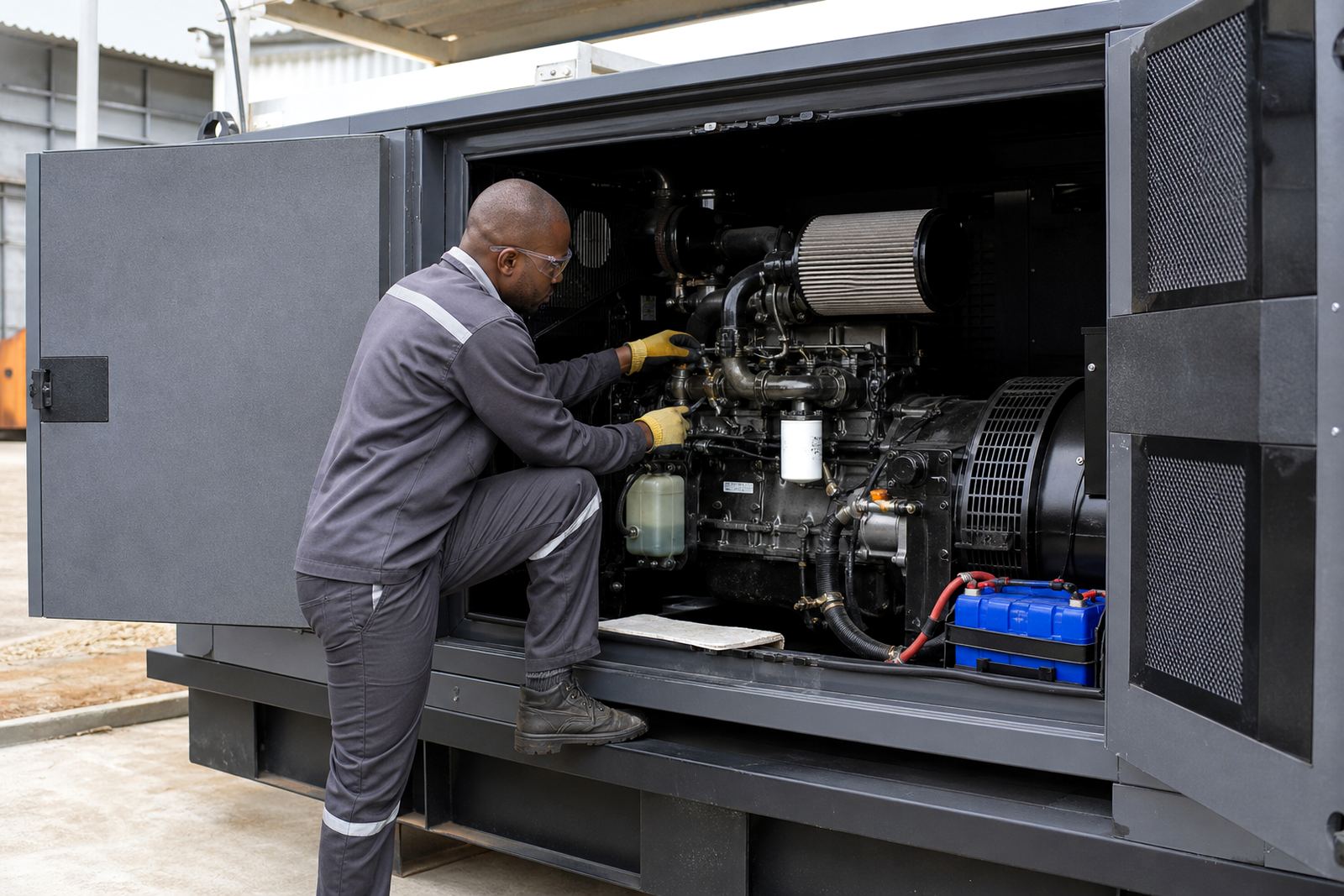
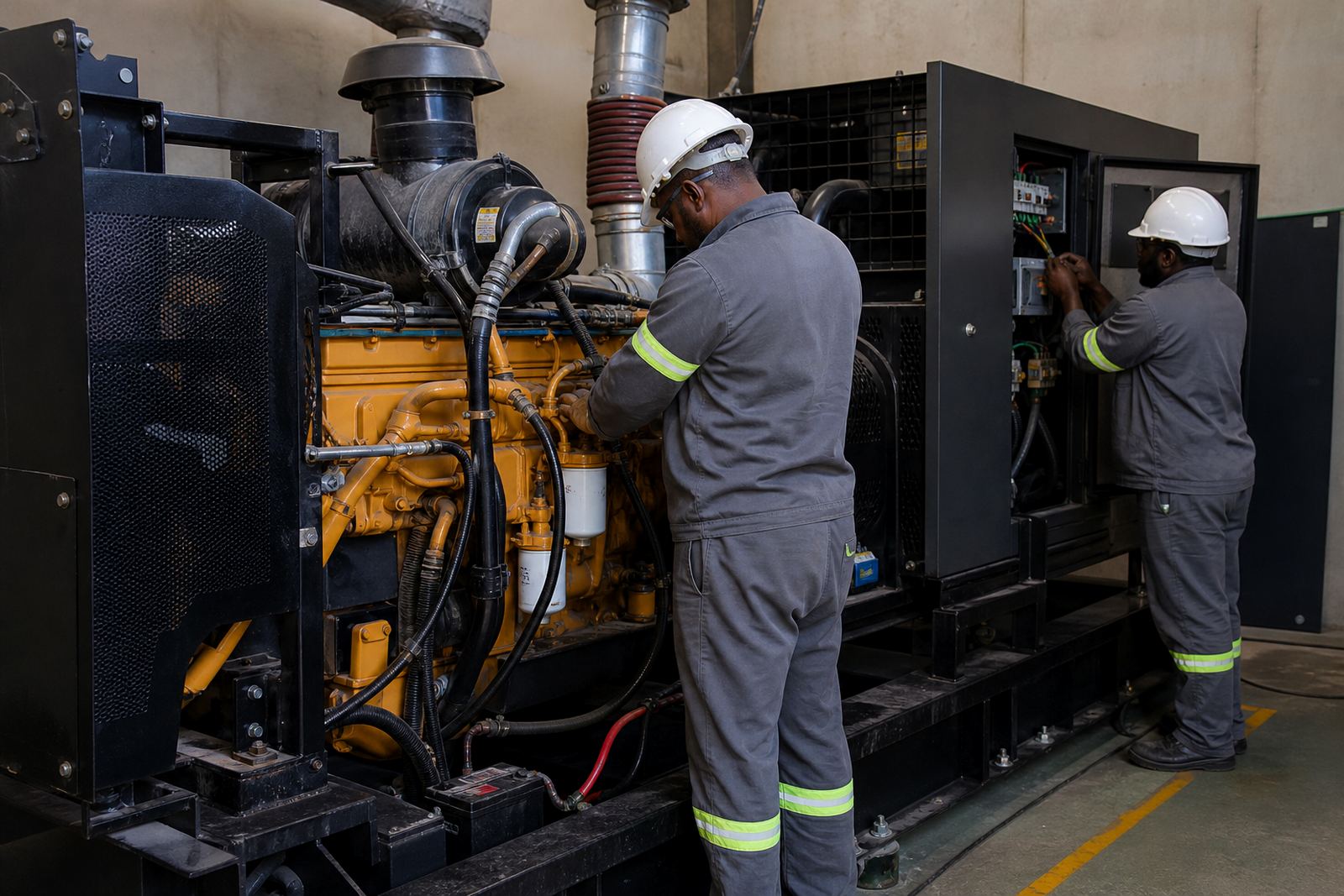
We can help you keep service history in one place for standby and prime generator sets, whether the unit sits on a factory floor, in a retail centre, at a site camp or in a plant room. The goal is practical: know the last oil change, the date filters were replaced, when coolant was checked, and whether battery condition is holding up under test.
- Date of service or inspection
- Hours run at the time of visit
- Tasks completed and parts used
- Faults found and corrective work done
- Items still open for later attention
How we build a cleaner service history
Each visit should leave a clear trail. Our team records the site, the equipment details, the service work carried out, and any extra observations from the technician. That includes starter issues, fuel system problems, poor changeover switch operation, low battery performance, overheating signs, leaks or vibration that should be watched closely.
If you already have an old file full of mixed notes, we can help make it easier to use. We review what is available, pull out the important dates and service items, and arrange the details into a sensible order. This is useful for maintenance contracts where several gensets are managed across more than one site, or where different people have handled previous callouts.
- Service sheets can be grouped by site or by generator
- Repeat faults can be flagged for closer monitoring
- Missing dates can be identified from job cards and reports
- Planned maintenance can be matched to running hours
Reports that help your team plan ahead
A proper maintenance record should do more than show what happened after a failure. It should help you plan the next visit before the problem starts. That is especially important where load shedding, long running hours, coastal humidity or dusty site conditions put extra strain on the unit. A neat report makes it easier to schedule work around production, security, refrigeration or water pumping needs.
Our reports can note what was checked during scheduled servicing, what needs a return visit, and what should be done on the next round of preventative work. For larger sites, this can include service record audits across multiple units so the team can see which sets are due for oil and filter changes, coolant system checks, battery testing or load bank testing.
- Planned service dates against actual visit dates
- Notes on condition trends over time
- Outstanding recommendations for site managers
- Records suitable for internal audit files
What we note during each maintenance visit
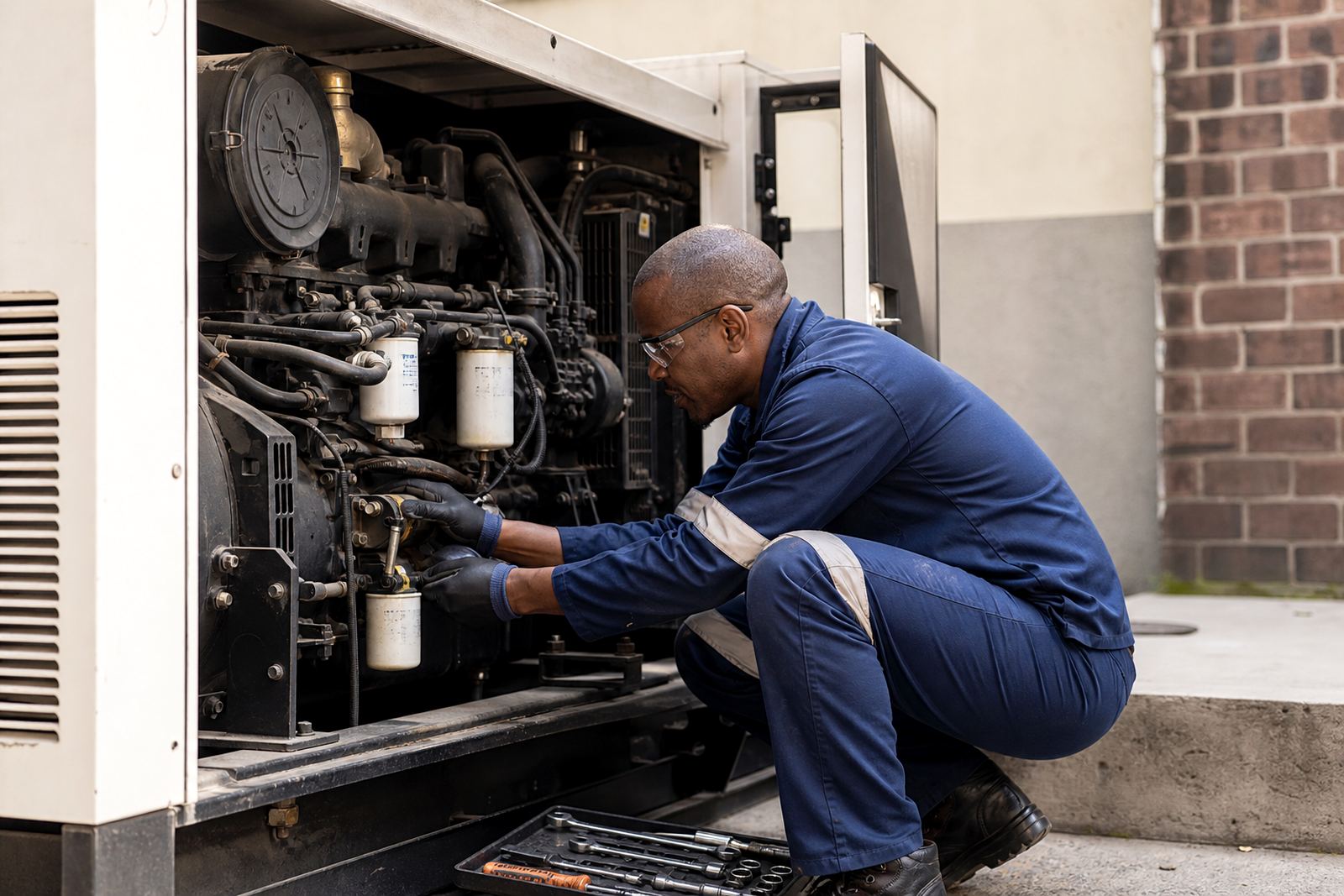
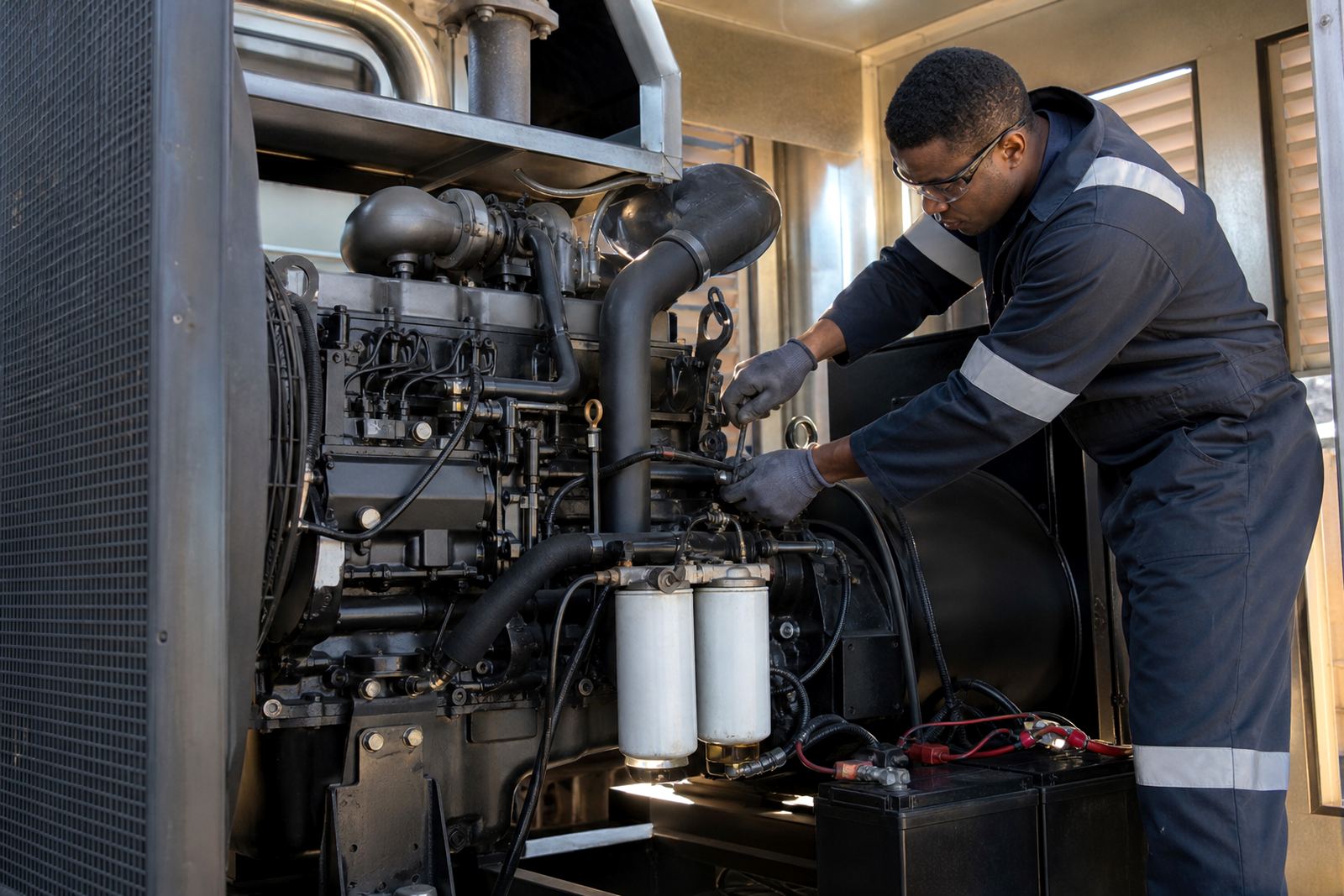
Some of the most useful records come from routine checks done the same way each time. That is why we track the same core items on each visit where possible. Oil condition, filters, coolant levels, battery health, fuel system condition, changeover switch operation and starter performance all tell a story. If one of these starts drifting from normal, it is usually a sign that the set needs attention before a shutdown.
Electrical work must be done by qualified people and in line with local regulations. We keep the records clear so your own electrical contractor, site manager or maintenance team can see what was inspected and what needs to be handled by the right person. It saves time on the next callout, and it reduces confusion when several people are involved in the job.
- Oil and filter change dates
- Coolant top up or replacement details
- Battery test results and starting observations
- Load bank test notes and outcomes
- Changeover switch checks and fault findings
When records are missing or hard to follow
Many sites have older files with gaps, faded handwritten notes or separate books for different contractors. That can make it hard to know whether a fault is new or recurring. We can help sort through the record trail and highlight what is useful, what is missing, and what should be updated going forward. In some cases, a single clean service log is all that is needed to make future maintenance much easier.
This support is especially helpful after emergency callouts, where the immediate focus is getting the unit running again and the paperwork gets left behind. We can turn those callouts into clearer history notes so your planned maintenance can continue without guesswork. It is practical work, not fancy, and it saves a lot of back and forth later.
- Old job cards can be compared with current findings
- Service gaps can be identified for follow up
- Fault patterns can be linked to running conditions
How to ask for maintenance record support
If you need help with service history tracking, reports or planned maintenance documentation, send the details through the enquiry form on our contact page. Include the site location, the number of generator sets, any existing service file, and whether you need support for a single unit or several sites. That helps us see what sort of record keeping is already in place and what needs to be tightened up.
RelGen works from our Midrand base and supports businesses across Gauteng and other parts of South Africa, including Centurion and Sandton as well as the wider Johannesburg, Pretoria, Durban, Cape Town and Polokwane areas. Whether the need is routine servicing or a record clean-up after a busy period, we keep the information practical and easy to use.
- Service history tracking for one site or many
- Reports for scheduled maintenance and inspections
- Documentation that supports ongoing maintenance contracts