What a prime power contract actually covers on site
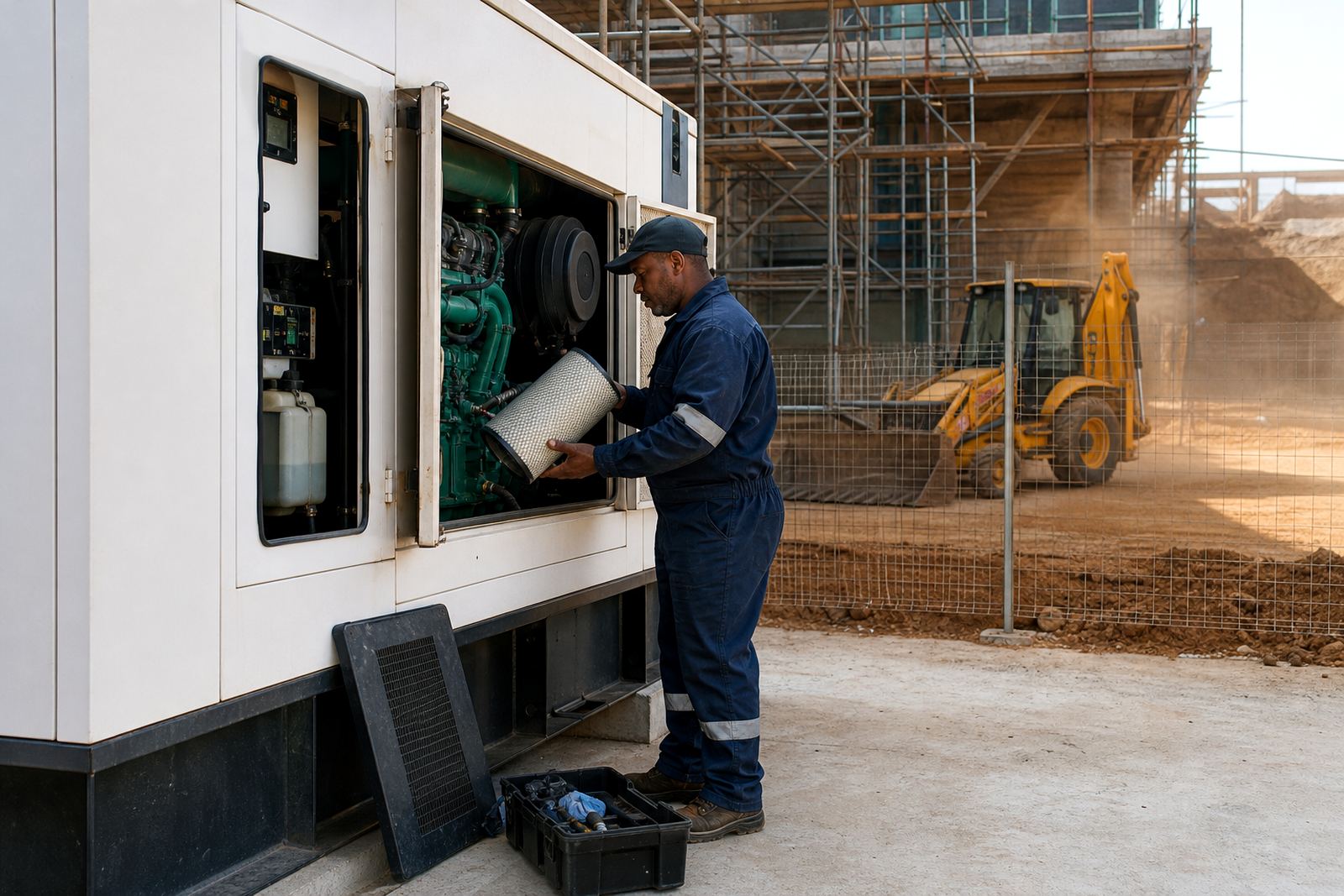
A prime generator contract is built for units that do more than stand by for the odd outage. These sets are expected to carry load for extended shifts on construction sites, processing plants, remote depots and other working sites where power is part of daily output. The contract keeps to a planned service cycle so oil, filters, coolant, belts, batteries and controls are checked before wear turns into downtime.
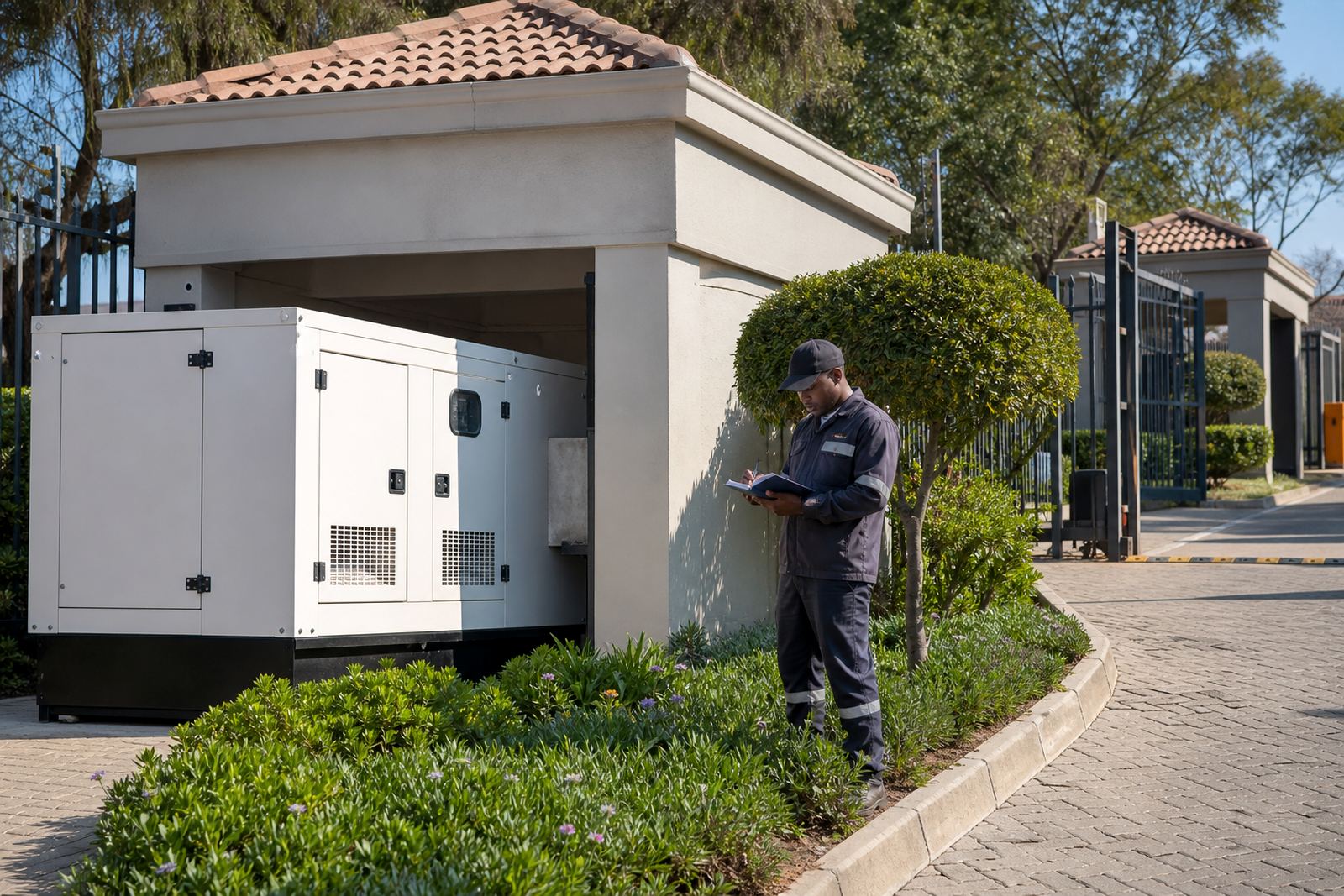
We service prime units at our Midrand base and on site in Johannesburg, Pretoria, Durban, Cape Town, Polokwane, Centurion and Sandton. The work is planned around hours run, site conditions, access and the way the set is loaded. Where a site uses long running hours, dust, coastal humidity or frequent changeover, the service interval may need tightening to keep the machine steady.
- Routine oil and filter changes at agreed run-hour intervals
- Cooling system checks for hoses, hoses clips, coolant level and radiator condition
- Battery testing, terminals cleaned and charging system checked
- Load bank testing to confirm the set can carry rated load
- Changeover switch checks where the installation includes transfer gear
Where prime contracts suit best
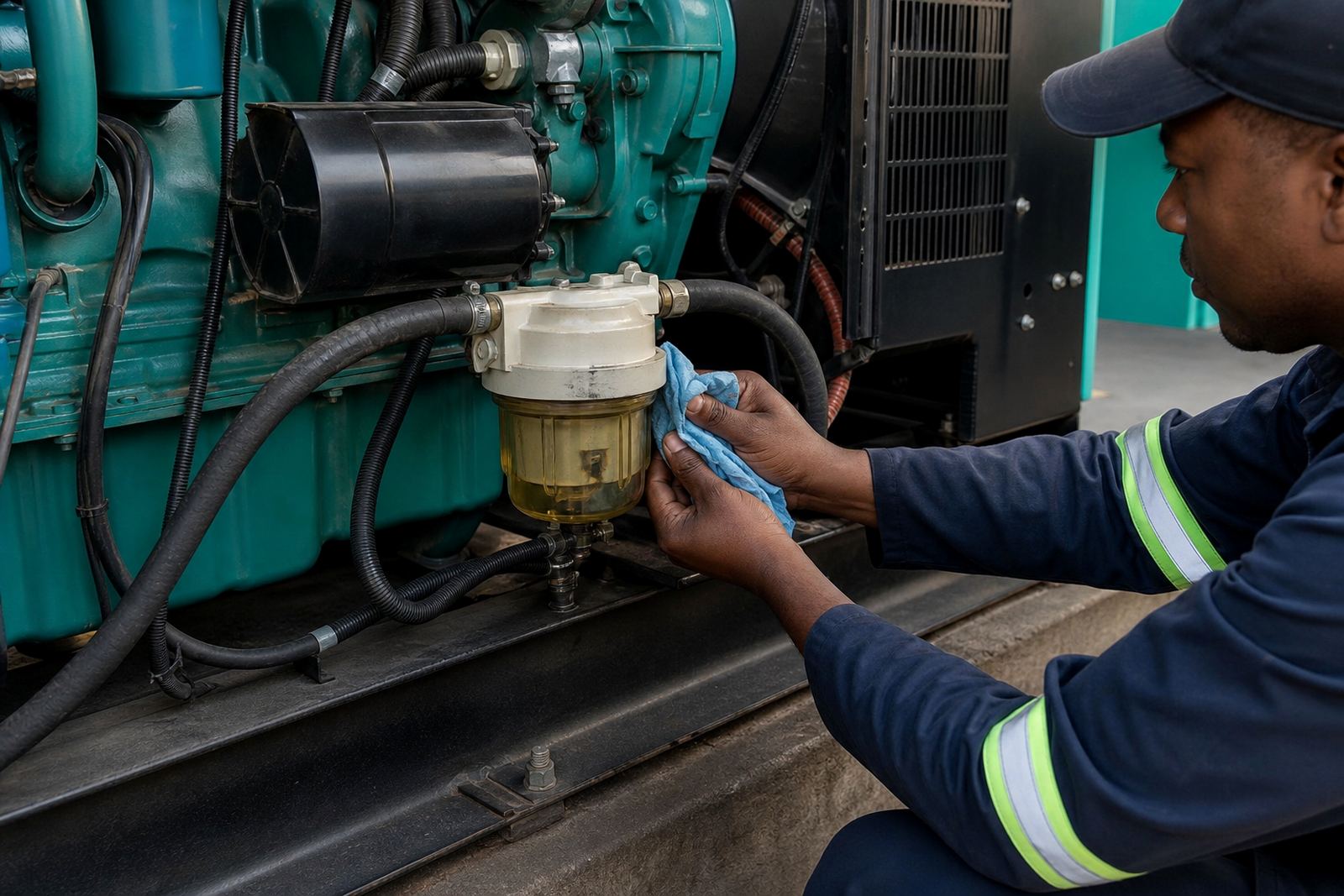
Prime power contracts suit sites that cannot afford to sit idle while a generator is waiting on parts or a late callout. They are used on manufacturing lines, contractors yards, warehouses, farms, processing plants, logistics depots and remote commercial sites where the generator is part of the working plan, not just backup. On Gauteng sites with heavy dust or stop start loading, the service plan often needs a closer eye on air intake, fuel quality and starter system wear.
In coastal areas like Durban and Cape Town, humidity and salt air can affect terminals, control panels and exposed fittings faster than many owners expect. Inland sites around Pretoria, Midrand and Polokwane often deal with dust, heat and vibration from plant movement. We set the maintenance approach to match the site rather than pushing a one size schedule.
- Suitable for units running long shifts, multiple days or regular daily cycles
- Works well where fuel use, loading and site access are tightly managed
- Useful for businesses that need service records ready for internal checks or landlord requirements
Sizes and service options we work with
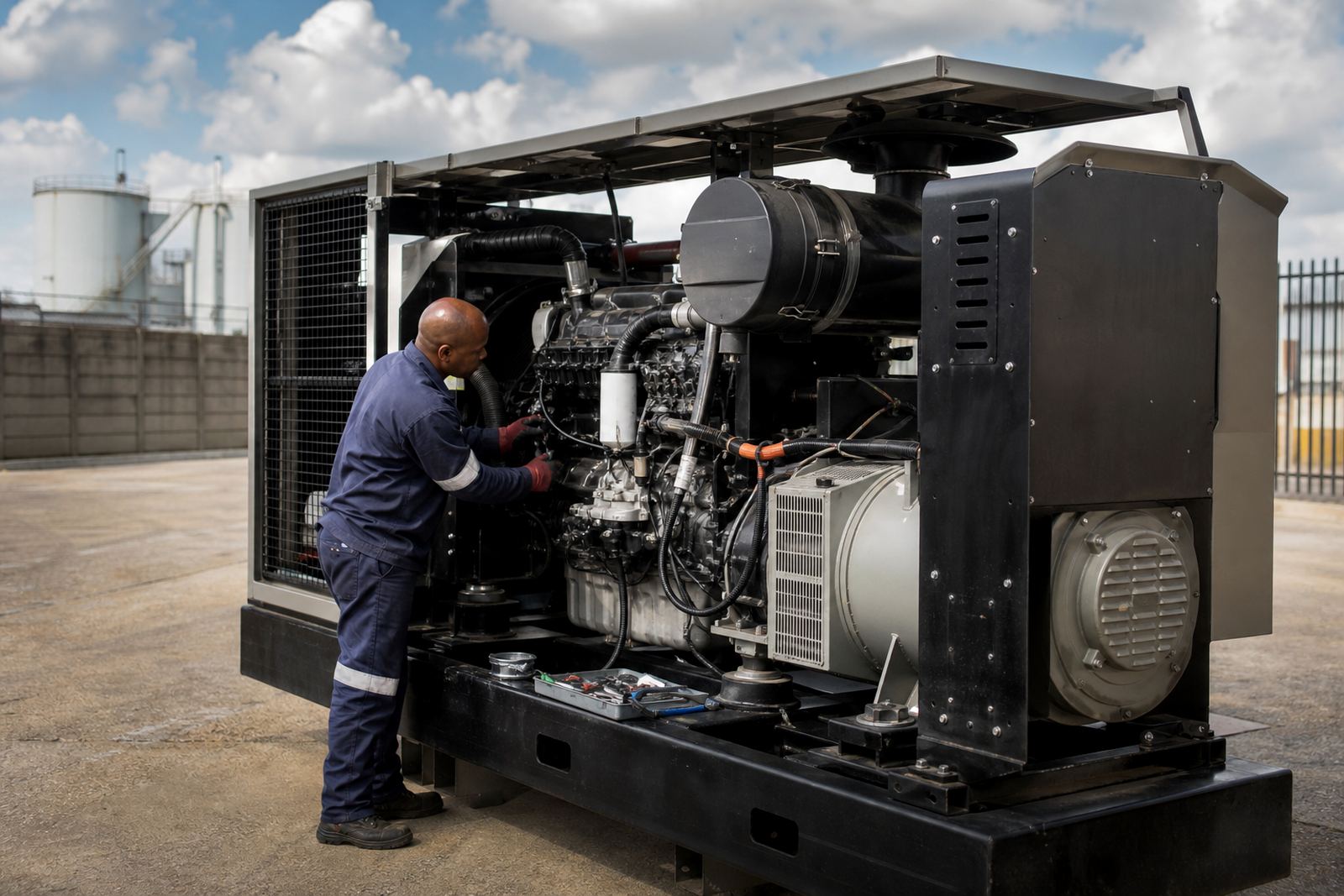
Prime generator contracts are arranged around the actual set on site, from smaller industrial units to larger plant sets used for continuous site supply. The important details are the kVA rating, engine type, control system, run-hours, enclosure style and whether the unit is open or canopy enclosed. We also take note of whether the set is single phase or three phase, and if it feeds essential machinery through an automatic transfer arrangement.
Service plans can be monthly, quarterly or linked to run hours, depending on how hard the unit is worked. Some clients need only scheduled servicing and inspection. Others need a broader contract with emergency callouts, fuel system repairs, starter system repairs and service record audits. We also support customised site plans for mixed equipment, where one generator may carry production and another supports lighting or auxiliary loads.
- Smaller sets used for site offices, plant support or light production loads
- Mid range industrial generators for workshops, warehouses and processing lines
- Heavy duty prime sets for high demand working sites and continuous operation
- Options for inspection only, full maintenance or maintenance plus breakdown response
The fitting and setup details that matter before handover
Where a new prime unit is being brought onto a site, the installation and fitting side must be matched to the generator and the premises. Electrical work must be carried out by qualified people in line with local regulations, and changeover equipment should be checked for correct operation and safe isolation. The set needs correct positioning, proper ventilation, access for service, safe exhaust routing and enough space for filters, oil changes and cooling checks.
Fuel system setup also matters. Lines need to be suitable for the site arrangement, tanks must be secure and the supply must be kept clean. If the unit is installed near process equipment or in a noisy municipal area, enclosure choice and acoustic control may also need attention. On some sites, slab condition and anti vibration mounting are worth checking before the contract starts, not after the first fault.
- Confirm the generator kVA, phase, voltage and frequency
- Confirm whether the site uses manual or automatic changeover gear
- Check access for service vehicle, lifting gear and safe maintenance clearance
- Confirm ventilation, exhaust direction and fuel storage arrangement
How we keep a prime set dependable through the year
Prime generators need regular care because they work harder than standby units. Oil breaks down, filters clog, coolant ages, batteries weaken and starter systems can suffer from repeated cycling. A steady contract reduces that wear by keeping to a defined schedule and by checking the machine after unusual load events or prolonged running. If a set has been on load during heavy rain, dust storms or power transfer issues, it is worth inspecting sooner rather than waiting for the next planned visit.
RelGen’s team handles scheduled servicing, fault finding and emergency callouts from our Midrand base. Naledi Shezi oversees operations, Johan Matlala manages service contracts, Ayanda Khoza coordinates field service, Muneerah Daniels leads technical support, Sibusiso Wessels works on senior technician support and Rikus Botha handles stores and logistics. That means parts movement, site timing and records stay controlled. We also check changeover switches and related controls where they form part of the prime supply arrangement.
- Oil and filter changes to suit the actual run-hour pattern
- Coolant checks for level, condition and leaks around hoses and clamps
- Battery testing and starter system inspection under load conditions
- Load bank testing where a load test is needed to confirm performance
- Service record audits to keep maintenance history clear and usable
What to confirm when requesting a contract
Before a prime generator contract is set up, we need the details that define the machine and the site conditions. This helps us plan the service interval, parts list and callout response properly. A clear handover makes a difference, especially on sites with long operating hours or where the generator is one of several machines sharing the same fuel and maintenance access.
When requesting a quote or service plan through the enquiry form on our contact page, it helps to include the generator rating, make and model if available, current hours, service history, fault notes and the site address. If the set has had repeated overheating, low battery issues or starter trouble, mention that upfront. The more detail we have, the easier it is to prepare the right maintenance schedule and avoid repeat trips.
- Generator size in kVA and whether the unit is prime or mixed duty
- Current run-hours and the date of the last major service
- Any fault codes, oil leaks, coolant loss or battery issues
- Site location, access times and whether the unit is indoors or outdoors
- Whether load bank testing or changeover switch checks are needed
Key facts
| Product type | Prime generator servicing contract for extended-hour working sites |
|---|---|
| Service area | Midrand, Johannesburg, Pretoria, Durban, Cape Town, Polokwane, Centurion and Sandton |
| Typical generator sizes | Smaller industrial sets through to large prime power units, sized by kVA and site duty |
| Core tasks | Oil and filter changes, coolant system service, battery testing, load bank testing, changeover switch checks |
| Support options | Scheduled servicing, emergency callouts, fault finding, starter system repairs and service record audits |
| Compliance note | Electrical work and changeover equipment checks to be handled by qualified people under local regulations |