A load test that shows the truth under strain
A generator can start and appear healthy, then struggle once the site load climbs and the fuel system, cooling package and alternator are all working hard. A load bank test applies a controlled demand in stages so the unit is checked at running temperature, under steady output and during recovery. That makes it one of the most useful checks for contracts on offices, factories, depots and remote sites that rely on backup power or continuous generation.
Our load bank plans are built for maintenance contracts across Johannesburg, Pretoria, Midrand, Sandton, Centurion, Durban, Cape Town and Polokwane. They suit standby units that sit ready for outages, as well as prime units that carry regular work. Electrical work must be done by qualified people under local regulations, and the testing process is planned around safe isolation, site access rules and your operating hours.
How the plan is put together on site
A load bank plan is not a one-off box tick. It is a scheduled service interval with testing, inspection and record keeping so performance can be tracked over time. We match the test cycle to the machine size, its duty, fuel type and the kind of loading it usually sees. On larger sites, the plan may sit alongside oil and filter changes, coolant checks, battery testing and changeover switch inspections so the full backup system is covered.
- Periodic load runs at agreed intervals
- Step loading to check response at low, mid and full demand
- Recording of volts, amps, frequency and engine temperature
- Checks on alarms, shutdowns and control indications
- Service notes for your maintenance file and audit trail
Sizes and test ratings that fit real plant rooms
Load bank plans are selected to match the generator set and the site conditions. Small office standby units need a different test setup from a heavy duty prime mover feeding production or process equipment. In practice, the important point is that the load bank capacity must suit the generator output and the test must be arranged to reach a meaningful working level, not a token run that tells you very little.
Options can be arranged for compact units in a tight plant room, larger mobile packages for outdoor use, and higher capacity sets for industrial machines. On coastal sites, we also consider corrosion control and connector condition because humidity can affect terminals, cable ends and cooling parts. In Gauteng, dust and heat cycles matter more, especially on sites with long running hours and frequent load changes.
- Common contract sizes from small kVA units to multi hundred kVA tests
- Single phase and three phase applications
- Indoor or outdoor test arrangements, depending on site layout
- Short duration proof tests or longer soak tests for thermal checking
Where this service earns its keep
Load bank testing suits any site that depends on a generator to protect stock, keep production moving or maintain essential services during outages. It is especially useful where the generator spends long periods on standby, because a machine that only idles may hide carbon build-up, weak battery charge, blocked cooling passages or fuel quality problems until the day it must carry load. For prime use, it confirms the unit can hold output across a full shift and recover properly after each demand change.
We commonly plan these services for manufacturing, warehousing, retail centres, construction sites, agriculture, medical rooms, workshops and process plants. It also helps where municipal supply is unstable or where load shedding, switching events or old wiring create repeated stress on backup systems. On site, the test can be scheduled after hours or during low demand so the work stays practical and the site team can keep operations moving.
What the fitting and setup actually involves
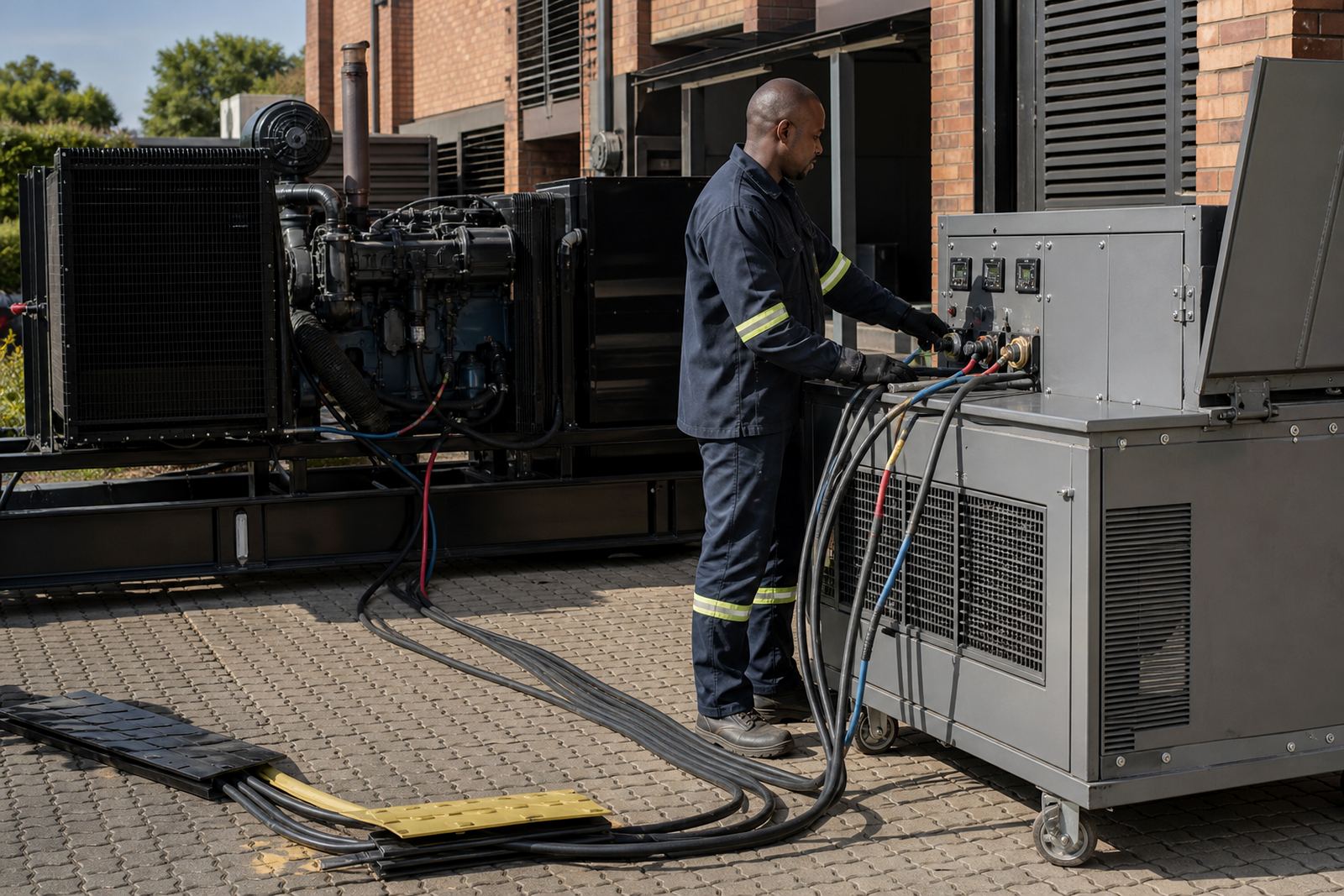
Before testing starts, the generator, panel and changeover arrangement are checked for safe access and correct isolation points. The load bank is connected by qualified technicians, then the generator is started and brought through a controlled test sequence. Where required, the setup includes cable routing, earthing checks, ventilation planning and confirmation that the exhaust direction will not create a nuisance for nearby staff or tenants.
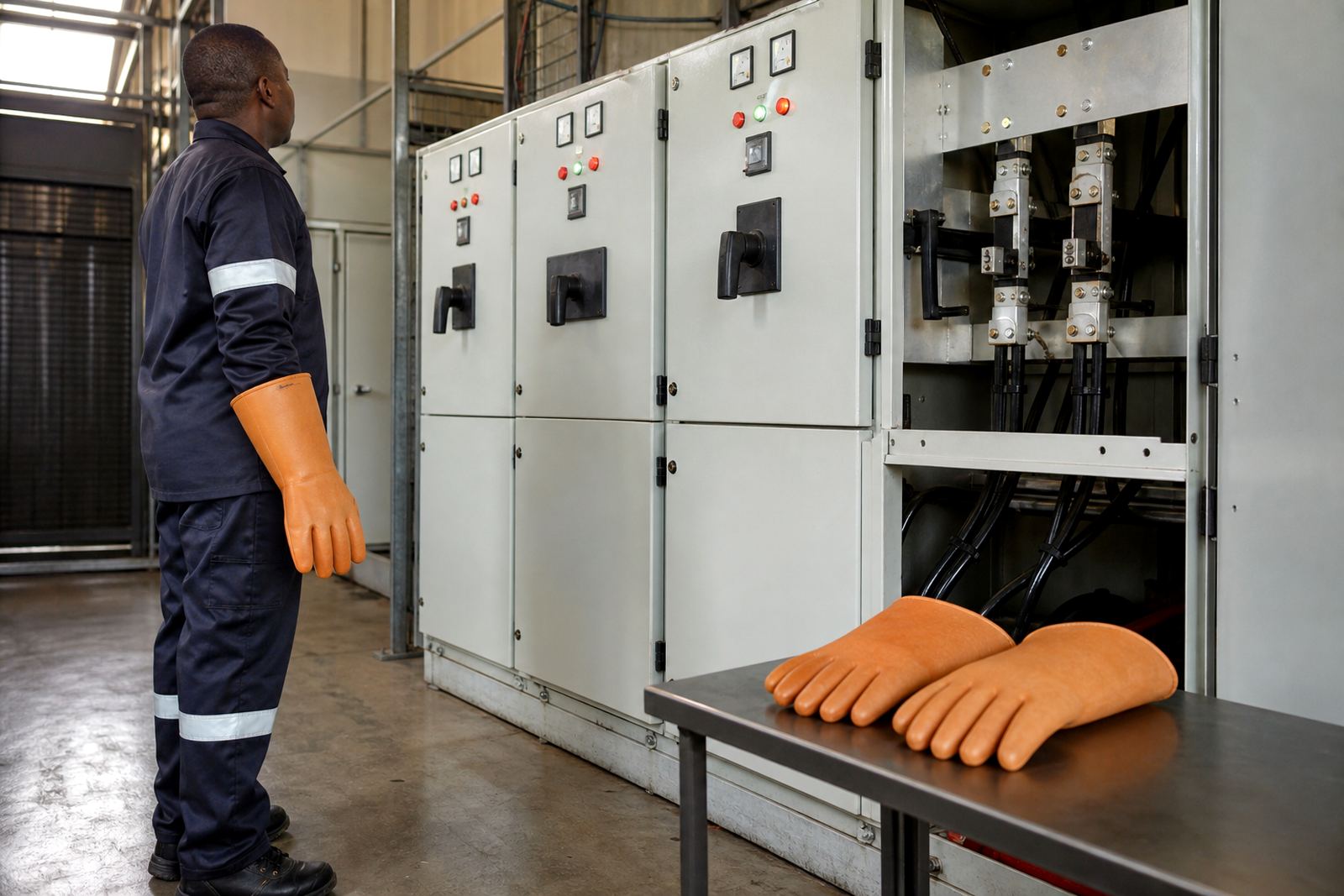
Because these are electrical services, the work must be done by properly qualified people under the rules that apply locally. That includes careful handling of terminals, load connections and changeover switch checks. Where fuel system repairs, starter system repairs or fault finding are needed, those items can be added to the contract visit so the test is not just a report, but part of a proper maintenance response.
- Site inspection before connection
- Correct load cable setup for the unit rating
- Controlled warm-up, loading and cool-down stages
- Observation of any smoke, vibration, leaks or unstable frequency
Care between tests so the machine stays ready
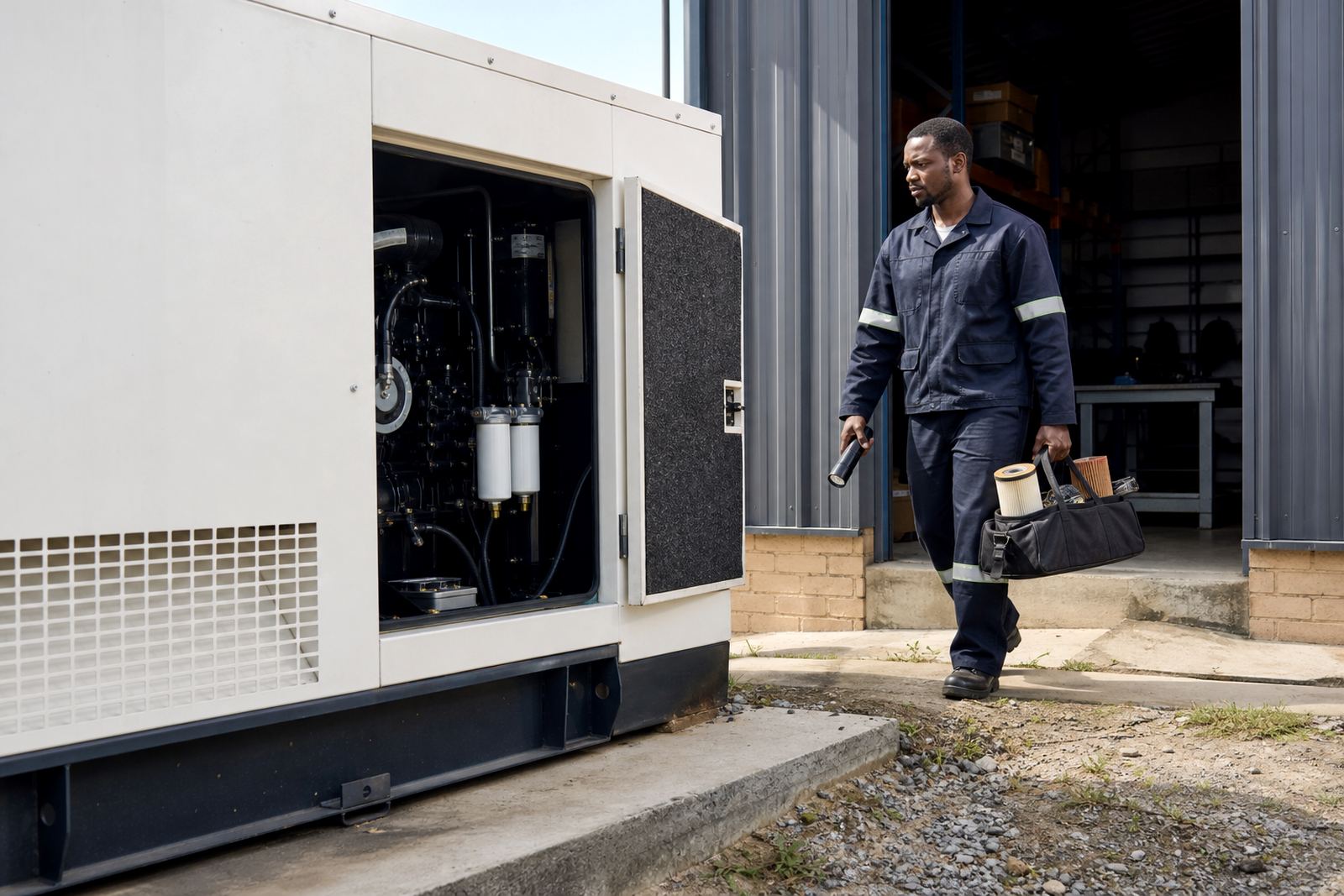
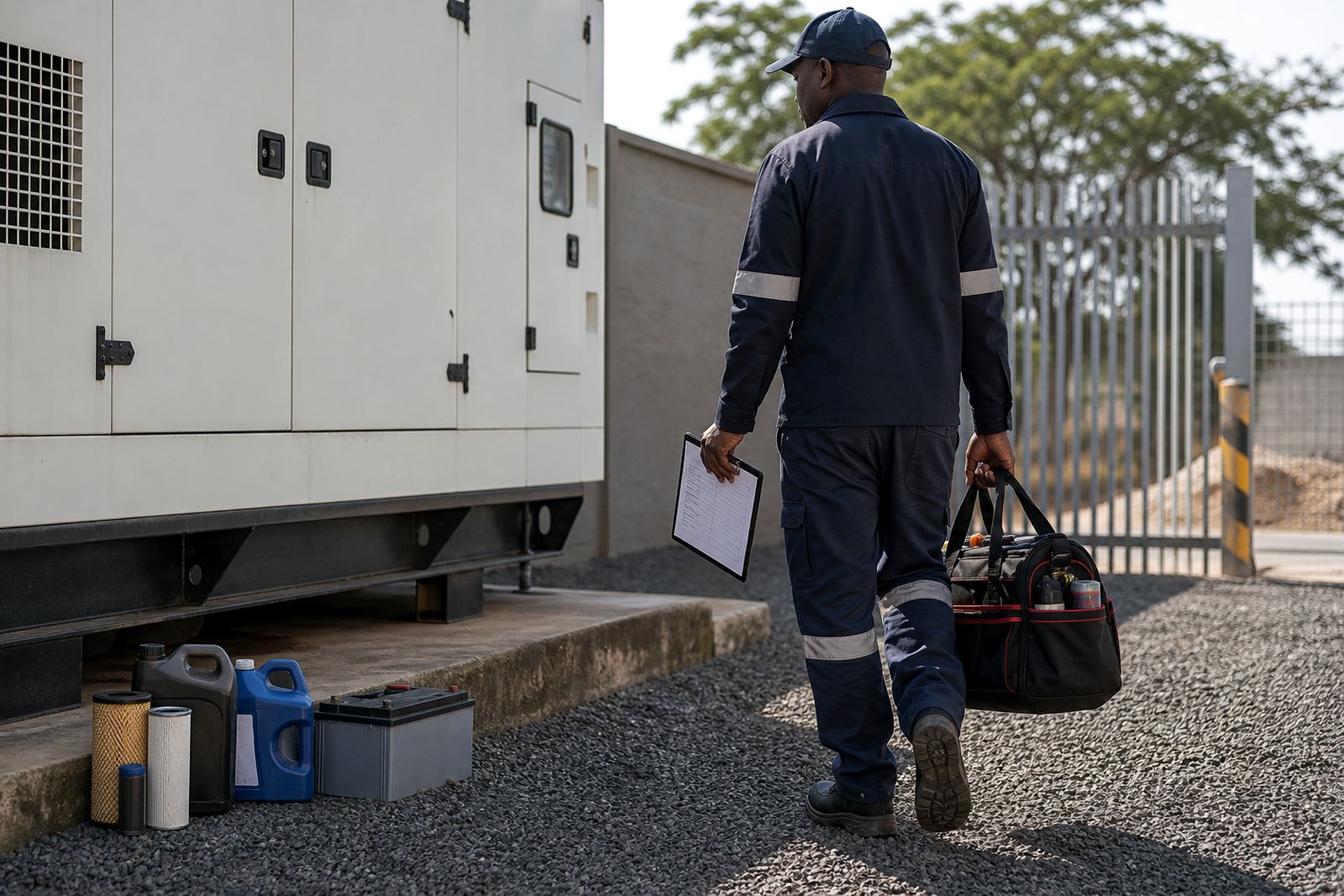
A load bank plan works best when the generator is already being cared for between test dates. That means clean oil, correct filters, topped up coolant, sound batteries and a fuel system that is free of sludge or water contamination. It also means the changeover switch and control gear should be inspected for wear, loose terminations and signs of heat damage. Neglect one side of the system and the next load run may expose a weakness that could have been handled earlier.
We recommend keeping service records close by, including test dates, readings and any corrective work. If a unit starts to show slower starting, unstable output, temperature rise or repeated low battery faults, the plan can be adjusted rather than waiting for a hard failure. A small note from the last site visit can save a bigger outage later, especially where the generator supports production, pumps or refrigeration.
- Keep the battery charger and battery condition under review
- Check coolant hoses, clamps and radiator cleanliness
- Drain water from fuel separators where fitted
- Log alarms, shutdowns and any unusual load behaviour
Key facts
| Service type | Periodic generator load bank testing under maintenance contract |
|---|---|
| Application | Standby and prime generators for commercial, industrial and process sites |
| Test range | Sized to suit the generator output, from small site units to higher capacity plant |
| Test method | Step loading, steady run, temperature observation and cool-down monitoring |
| Coverage | Midrand, Johannesburg, Pretoria, Durban, Cape Town, Polokwane and surrounding business areas |
| Related checks | Oil and filters, coolant, batteries, changeover switches, fuel system and starter system |