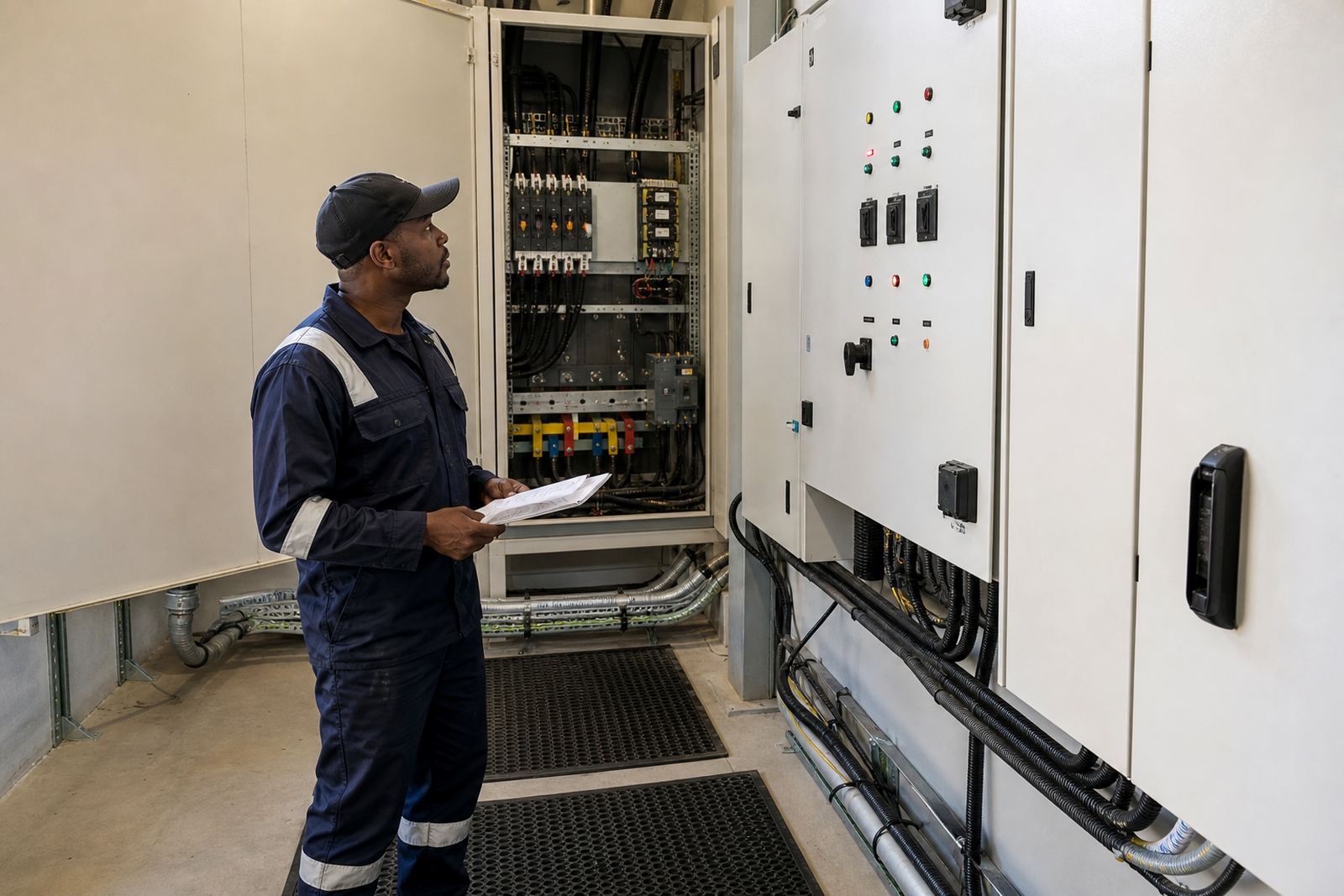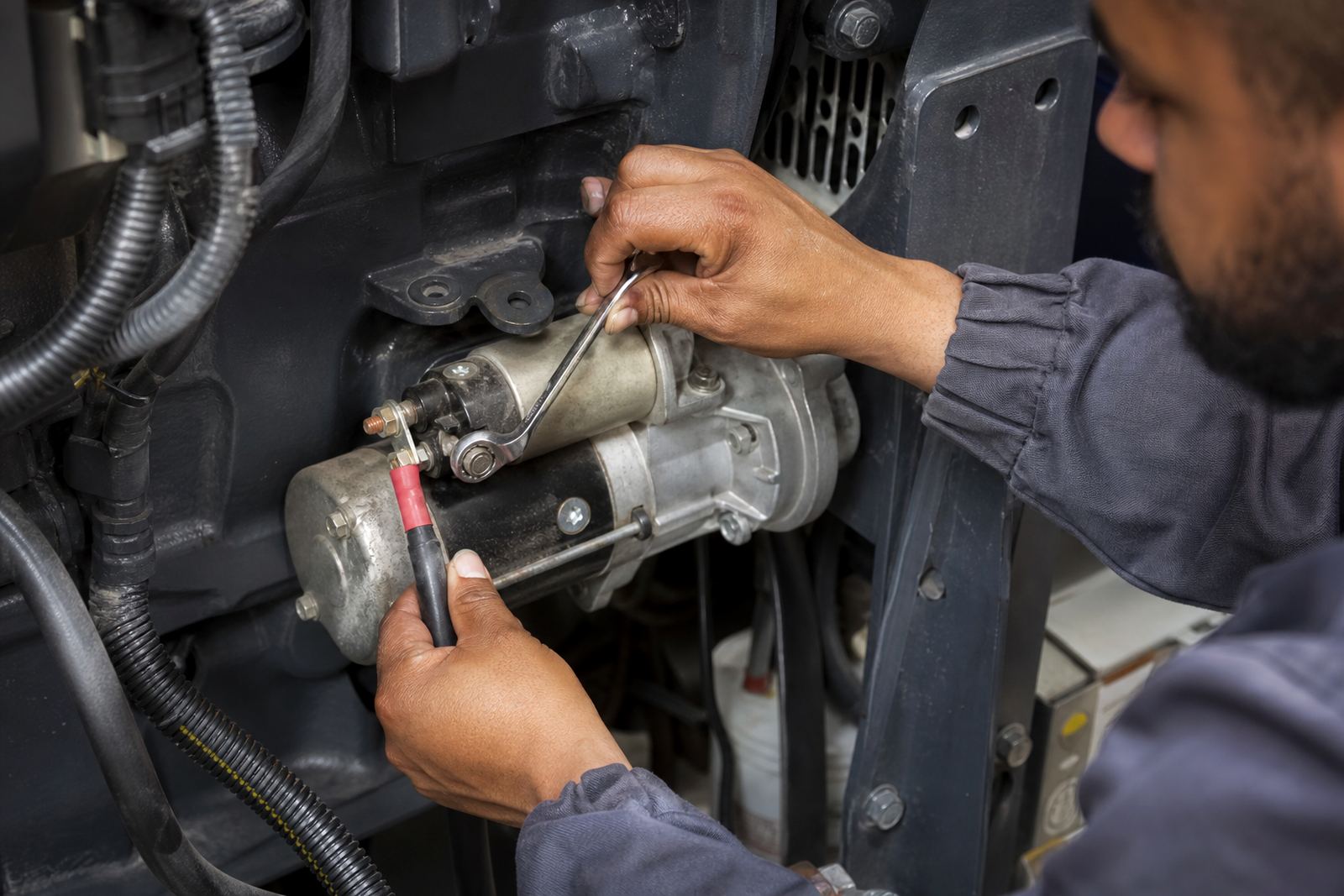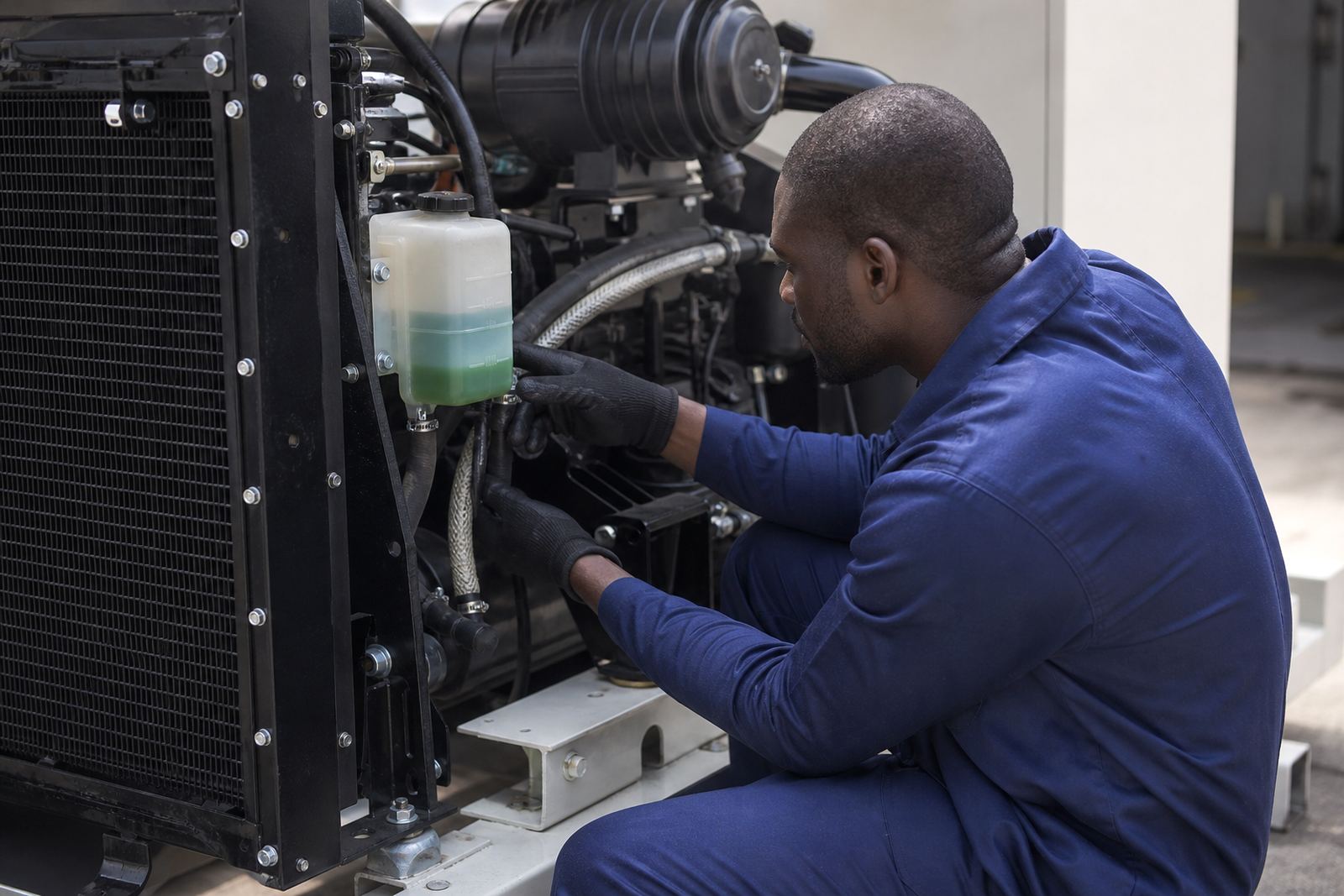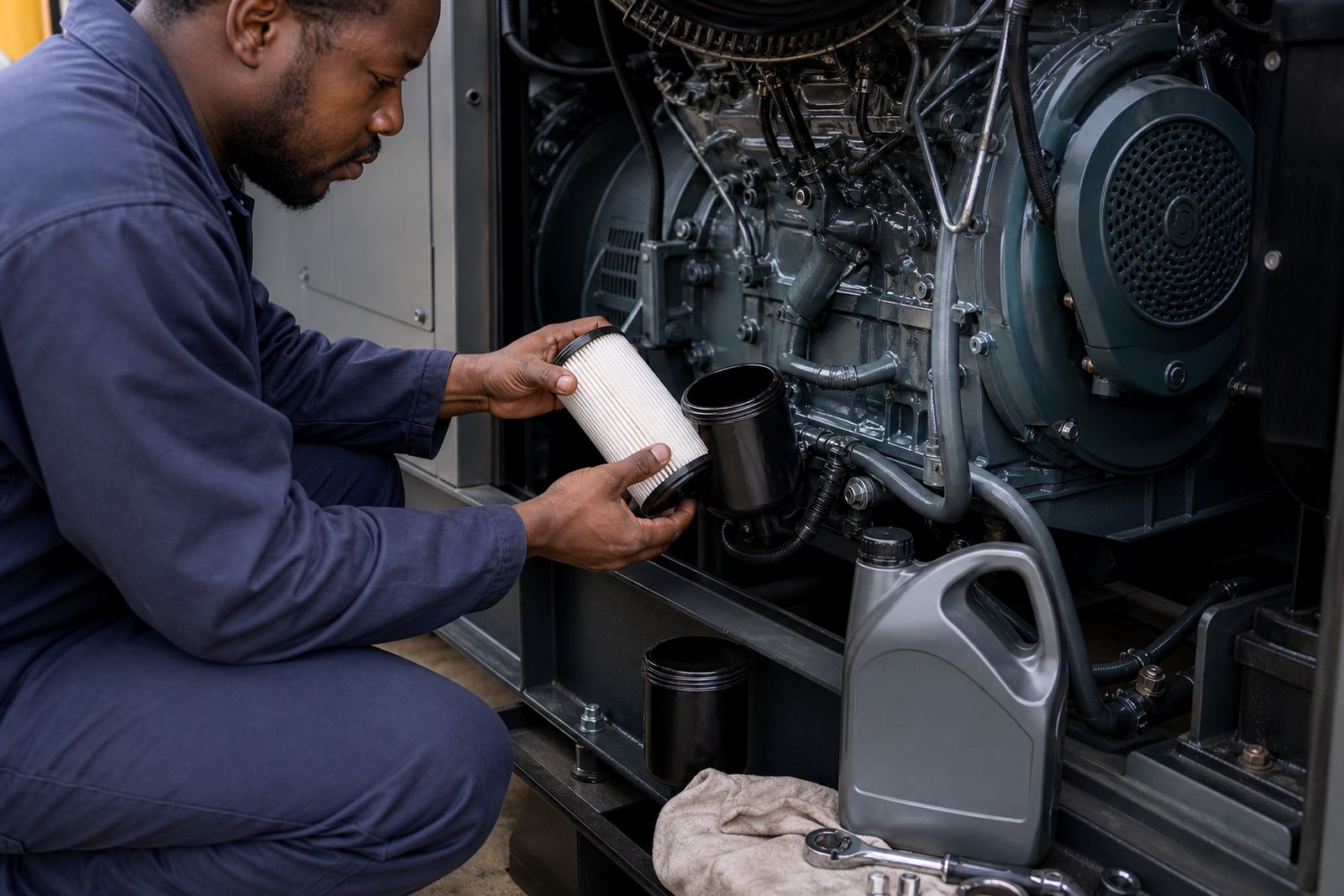
Fresh oil, cleaner filters and a happier engine
Generator oil works hard. It carries heat, helps reduce wear and keeps moving parts protected while the engine is under load or sitting in standby for long periods. Once the oil breaks down, or the filter starts filling up with dirt and carbon, the unit can run hotter, sound rougher and put more strain on internal parts. Our oil and filter changes are planned to support day to day reliability, especially where load-shedding, coastal humidity or dusty sites put extra pressure on equipment.
We service diesel generator sets used in offices, factories, retail centres, farms, workshops and process plants. The job covers engine oil replacement and the change-out of oil and fuel filtration components where required, with checks on the condition of seals, drains and surrounding fittings. Electrical work tied to any generator system is handled by qualified people under local regulations, and we keep the service focused on proper engine care.
What is included in the oil service visit
Every site is a bit different, so the visit is planned around the unit size, access and how the generator is used. We do not treat a 30 kVA set in a Sandton office the same way as a larger unit in a Durban production facility. The service is practical and neat, with the aim of keeping the engine clean inside and the paperwork in order.
- Drain and replace engine oil to the correct specification and fill quantity
- Replace the oil filter with a suitable filter element
- Inspect the air filter and fuel filter condition, and replace where agreed
- Check for leaks around the sump, filter housing and drain points
- Inspect coolant level and visible hoses while the set is open
- Test battery condition and charge status if the unit is due for a full service
- Confirm service records, operating hours and any fault notes
If the generator is fitted with a canopy or tight enclosure, we work carefully around access panels and make sure the area is left clean. Small leaks and loose fittings are picked up early, which can save a lot of trouble later on.
How we carry out the changeover
We start with a site check and a quick discussion about the unit’s history, hours run and any recent alarms. If a set has been operating under heavy load, or has spent weeks idle then been called into service, we pay close attention to oil condition and filter loading. The old oil is drained safely, used components are removed, and the engine is refilled with the correct grade for the application and climate.
After the fill, the unit is started and inspected while running. We look for pressure build-up, oil leaks, unusual smoke and any warning lights that may point to a different issue. If needed, we do a short operational test under no-load or site load conditions, depending on what is safe and practical. On some sites, a second check after a brief run helps confirm there are no seepage points that only show up when the engine is warm.
- Pre-service inspection and access check
- Safe drain down and removal of old filter elements
- Refill with the correct oil grade and quantity
- Start-up check and visual inspection under operating conditions
- Service notes captured for your records
Turnaround for busy sites and tight shutdown windows
Most oil and filter changes can be done quickly if the generator is accessible and the service point is clear. Smaller units may take only a short part of the day, while larger sets, enclosed plantroom installs or units with awkward access can take longer. Where a business needs the work done outside operating hours, we plan the visit around your shutdown window so the site is not left exposed.
For clients in Johannesburg, Pretoria, Centurion and Sandton, we often work around office hours and security access rules. On coastal sites in Durban and Cape Town, we also factor in corrosion, moisture and the condition of service covers, because those details affect how smoothly the job goes. If an oil change uncovers a leak, blocked filter or loose fitting, we will flag it straight away so the next step can be arranged without delay.
Pricing built around the set, not guesswork
We price oil and filter changes according to the generator size, oil capacity, filter type, access difficulty and whether the visit is part of a contract or an emergency attendance. There is no one-size-fits-all figure because a compact backup set with easy access is very different from a large prime power unit in a plantroom. We also account for site location across Gauteng, KwaZulu-Natal and the Western Cape, plus any after-hours callout requirements.
Our approach is straightforward. We assess the unit, confirm what consumables are needed, and outline the labour and parts requirements before the work proceeds. If additional items such as fuel filters, coolant top-up, battery checks or a changeover switch inspection are needed at the same visit, we explain that clearly so you can make an informed call. No one likes surprises on a service invoice.
- Quoted on site condition and generator capacity
- Consumables matched to the unit and use pattern
- Contract clients can bundle the visit with other scheduled checks
- Emergency callouts quoted separately from planned servicing
What happens after the service
After the oil and filter change, we hand over service notes showing what was done, what was replaced and anything that needs watching. That record matters when a generator is used regularly, because it helps track oil use, leaks, unusual contamination and service history over time. It also makes it easier for your team to plan the next visit without having to guess what was last done.
If we spot signs of wear, contamination or repeated oil loss, we will recommend the next practical step, whether that is a fuel system check, starter system repair or a closer inspection of the changeover equipment. We also advise when the unit should be looked at again after a hard run or a long idle spell. Good aftercare is not fancy, its about keeping the engine protected and the site ready.
Why businesses place this work on contract
Contract servicing helps businesses across Midrand, Johannesburg, Pretoria, Durban, Cape Town and Polokwane keep their generator support organised. For many sites, oil and filter changes are not just about replacing consumables. They are part of a wider plan to reduce breakdown risk, keep records tidy and avoid last-minute scrambling when a unit is needed during an outage or production stop.
RelGen is based in Midrand and works with standby and prime power sets for commercial and industrial clients. Our team includes Thabo Engelbrecht, Naledi Shezi, Johan Matlala, Ayanda Khoza, Muneerah Daniels, Sibusiso Wessels and Rikus Botha, so there is proper coordination behind each visit. If your site needs planned oil and filter replacement, we will set up the work in a way that fits the plant, the people on site and the hours you can spare.
Key facts
| Service type | Planned generator oil and filter changes |
|---|---|
| Generator range | Standby and prime power sets |
| Typical capacities | From compact site units to larger industrial sets |
| Work scope | Oil drain and refill, filter replacement, visual leak checks, running inspection |
| Coverage | Midrand, Johannesburg, Pretoria, Durban, Cape Town, Polokwane, Centurion and Sandton |
| Booking route | Enquiry form on the contact page |