Tracing the fault before the set starts guessing
Fault finding is not guesswork and it is not a matter of swapping parts until the alarm clears. We work through the generator step by step, checking the starting circuit, battery condition, charging arrangement, controls, sensors, fuel delivery, cooling, running performance and shutdown sequence. That approach matters on sites in Midrand, Johannesburg, Pretoria, Durban, Cape Town and Polokwane where a missed fault can leave a business without backup power when load shedding or a utility interruption hits.
Our technicians look at symptoms in context. A set that cranks but will not fire needs a different process from one that starts, runs for a few minutes then trips on temperature, low oil pressure or overspeed. We also check whether the issue sits inside the generator itself or at the changeover switch, controls or site wiring, because a generator can be healthy while the transfer gear is causing the grief.
What our fault finding covers on site
Every visit starts with a structured inspection and a live check where conditions allow. We record fault codes, note visible damage, confirm the condition of consumables and test related systems one by one. Where a site allows for it, we also verify that the generator can carry load and that alarms clear properly once the issue is corrected.
- Starting system checks, including batteries, charger output, cranking circuit and starter performance
- Fuel system checks for air ingress, blocked filters, pump issues and contaminated diesel
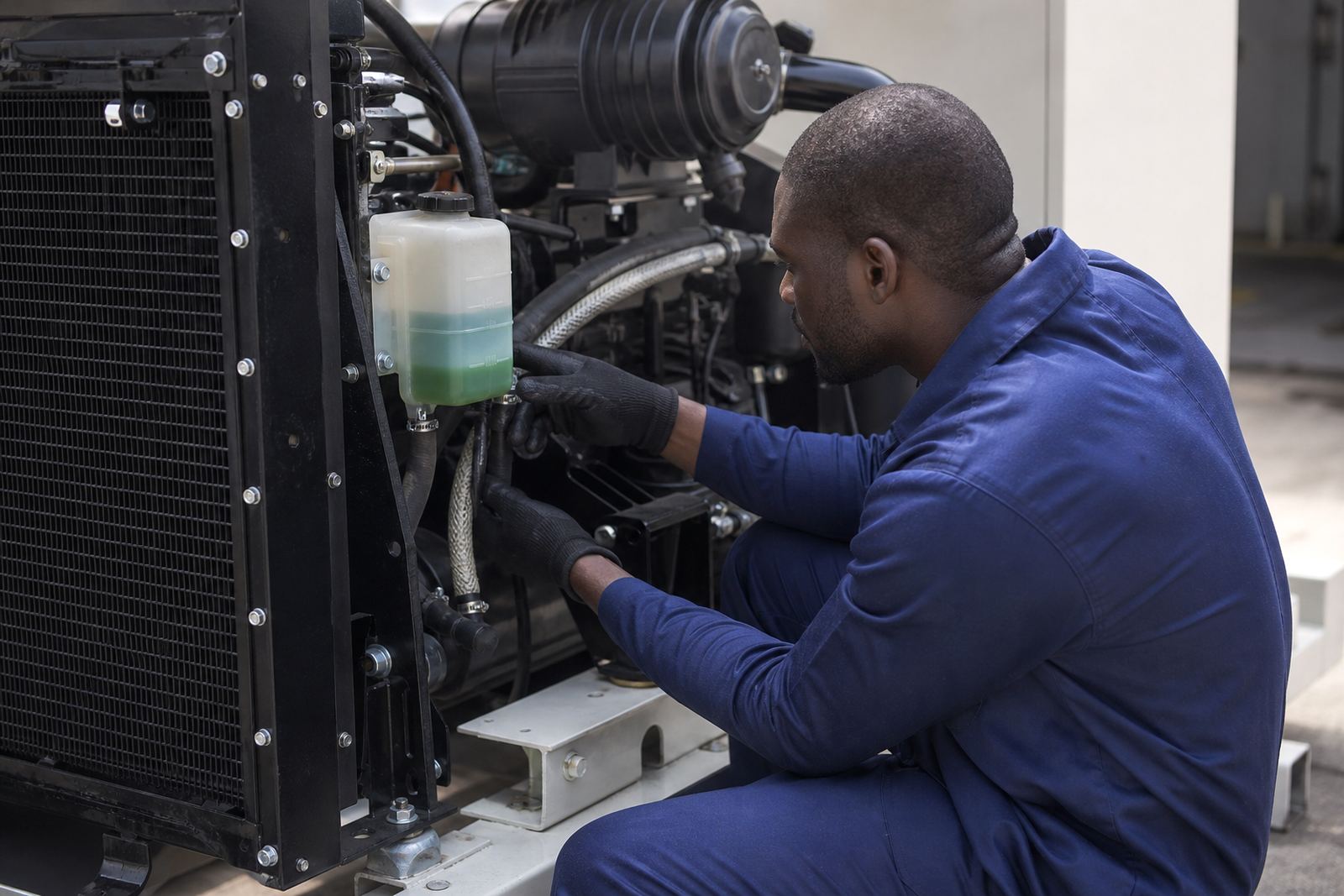
- Cooling and lubrication checks for leaks, low coolant, blocked passages and low oil pressure alarms
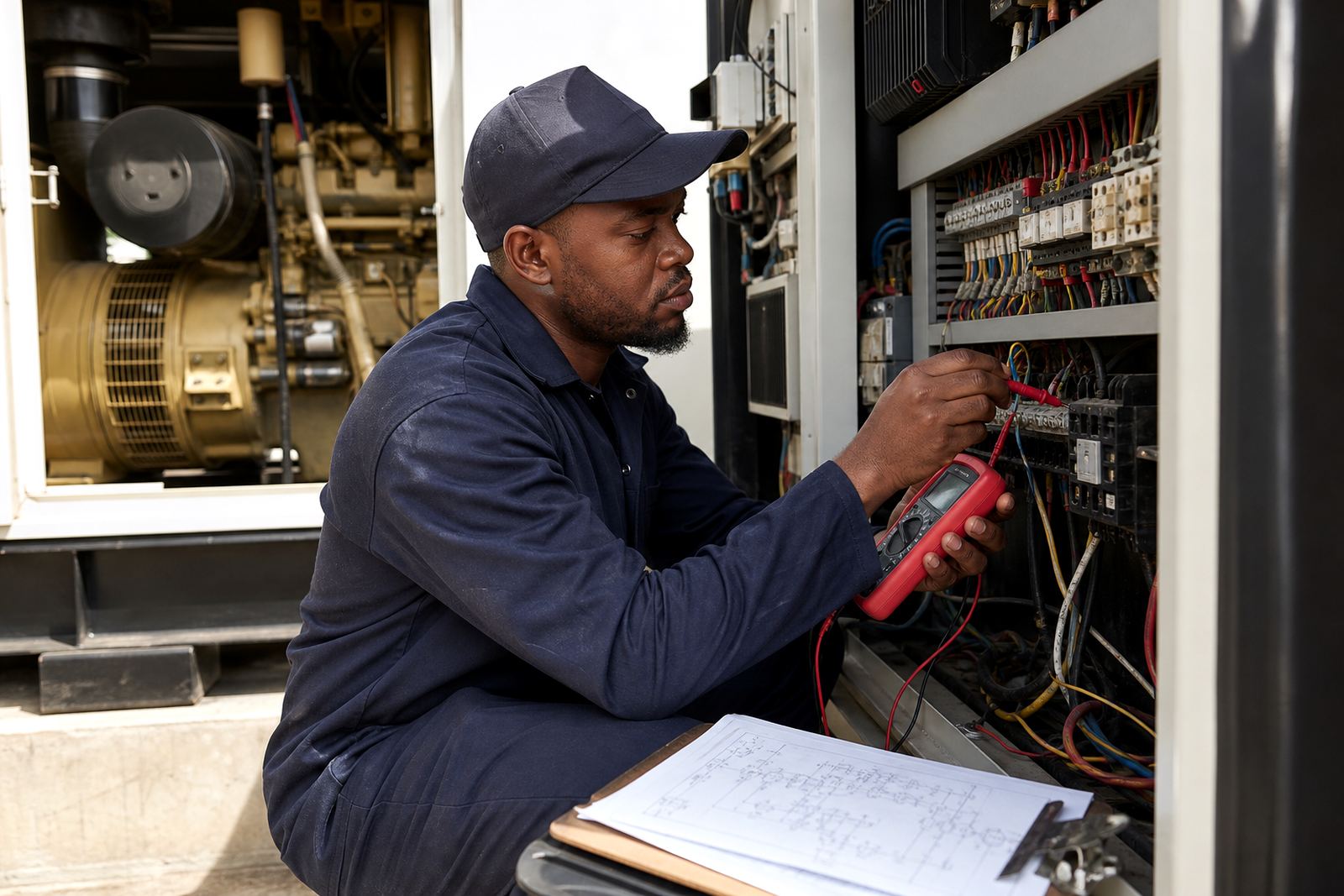
- Control panel and sensor checks for false alarms, shutdowns and failed start logic
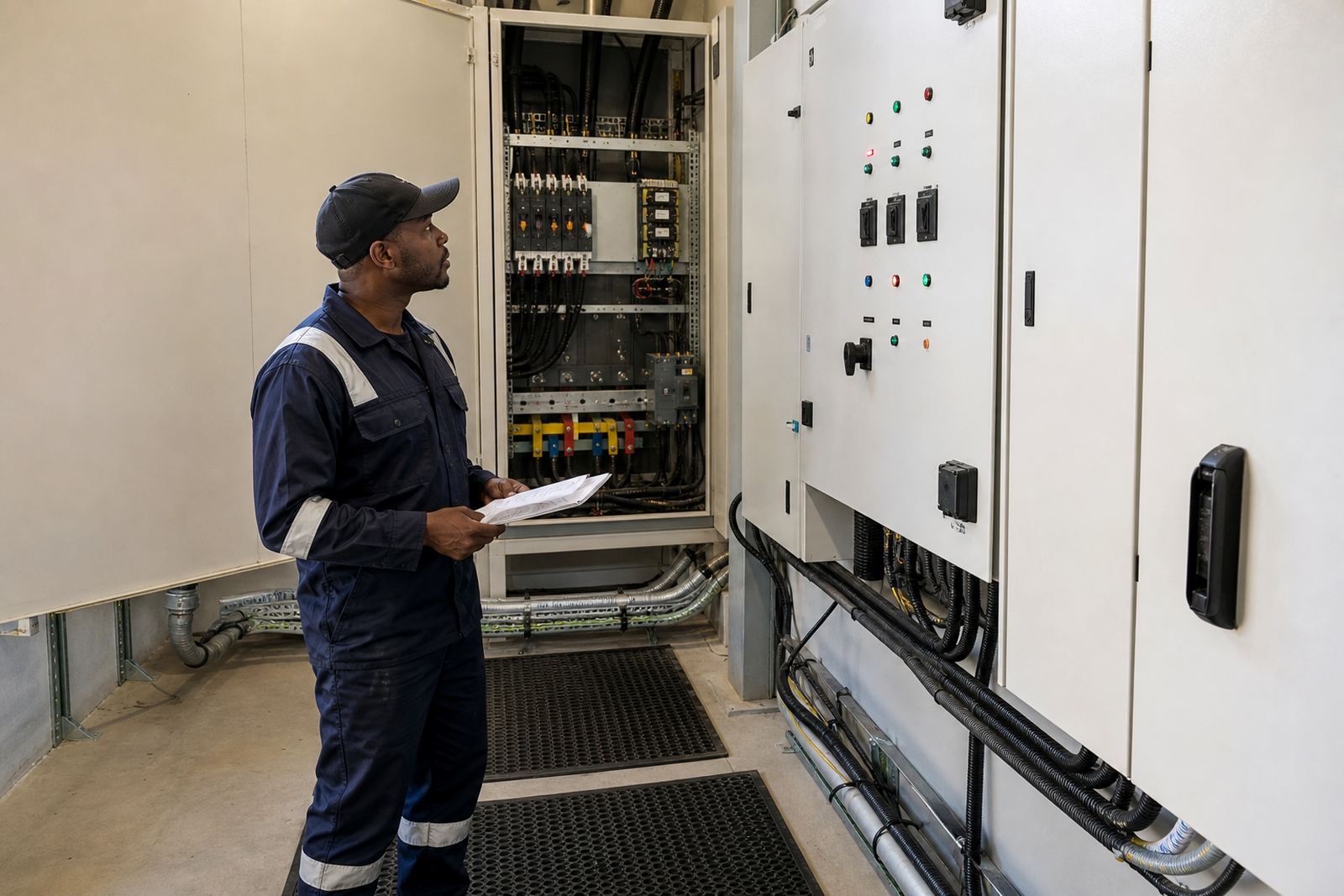
- Changeover switch checks to confirm the transfer signal and return sequence are working correctly
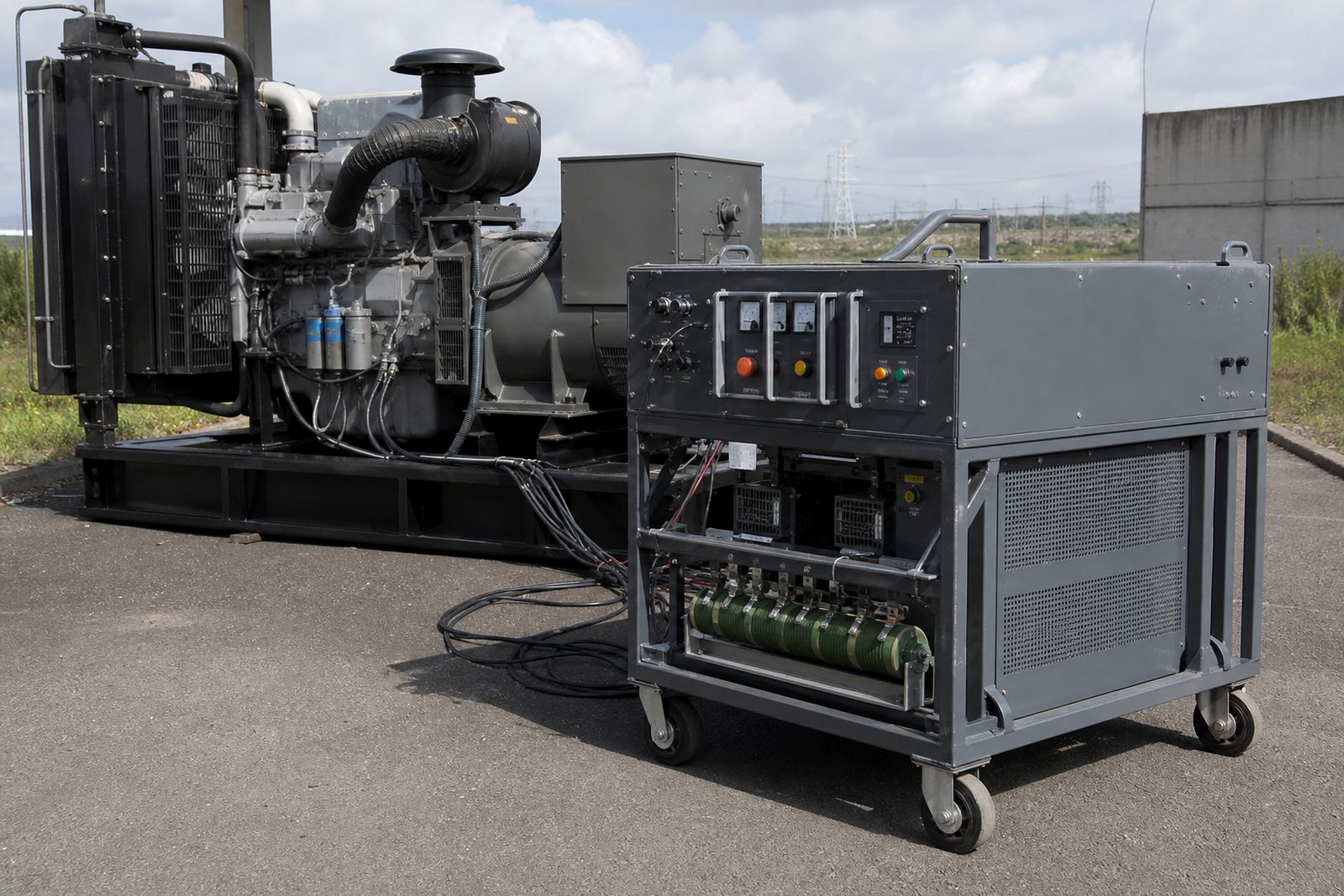
- Load related checks, including load bank testing where required to prove running stability
We do not treat electrical repairs lightly. Any work on live systems or wiring is handled by qualified people in line with local regulations and site safety rules.
The way we work through a problem on your generator
We begin with the fault history from your site team, then confirm the complaint under controlled conditions. From there we isolate the likely cause, test the related components and confirm the result before moving on. If the fault is intermittent, we may need to repeat a hot start, cold start or load transfer check so the issue shows itself in real conditions.
For standby sets, we focus on readiness and reliable transfer. For prime sets, we also look closely at running stability, load response and shutdown behaviour. In both cases, we pay attention to fuel quality, battery health and signs of poor servicing, because many faults are the result of neglected basics rather than a major breakdown. On coastal sites such as Durban or Cape Town, corrosion and humidity can affect terminals, sensors and enclosures, so those areas get extra attention.
- Initial inspection and problem statement from the site team
- Diagnostic testing of the suspect circuits and components
- Repair or replacement of failed items once approved
- Retest of the set under starting, running and transfer conditions
- Written feedback with the fault found, work done and follow-up notes
Turnaround that matches the urgency of the fault
Emergency fault finding is handled as a priority when a site cannot afford extended downtime. Minor issues such as loose connections, failed sensors or battery problems can often be resolved on the first visit if parts are available and access is clear. More involved faults may need a return visit for parts, deeper testing or coordinated electrical work. We keep the process practical and we tell you what is holding things up, rather than giving vague answers.
For contract clients, our service team can align fault finding with scheduled servicing visits to reduce repeat callouts. That helps with sites that run standby generators in offices, warehouses, clinics, retail centres and plant rooms where after-hours access or security arrangements need to be planned in advance.
How pricing is handled when the fault is not obvious
Fault finding is priced according to the time on site, the complexity of the issue, access requirements and whether the job calls for extra testing or follow-up. If a fault is straightforward, the cost stays focused on the diagnostic visit and the corrective work that follows. If the problem turns out to involve several systems, we set out the next steps before more work is done.
We do not use a one-size-fits-all approach because a tripping shutdown on a mid-sized standby set is not the same as a starter circuit problem on a larger prime generator. Before we proceed with parts or extra labour, we explain what has been confirmed and what still needs testing. That keeps the job transparent and it avoids wasted spending on parts that are not the real cause.
Aftercare once the generator is back in service
Once the fault is resolved, we do not just pack up and leave. We confirm that the generator starts correctly, runs cleanly and shuts down as it should. If a changeover switch was involved, we check the transfer and return sequence again. If load bank testing was needed, we review the results with you so you know how the set behaved under load.
We can also audit the service record and point out patterns that suggest a developing issue, such as repeated battery failures, fuel contamination or cooling problems. That kind of follow-up helps your team spot warning signs earlier next time. A careful note on the report today can save a midnight callout later and yes, it matters more than most people think.
- Final operational test and fault confirmation
- Service record update with findings and work completed
- Advice on any parts, repairs or follow-up checks still needed
- Support for contract sites needing repeat inspections or scheduled servicing
Key facts
| Service area | Midrand, Johannesburg, Pretoria, Sandton, Centurion, Durban, Cape Town and Polokwane |
|---|---|
| Generator types | Standby and prime generator sets |
| Faults covered | Starting, running, alarm and shutdown issues |
| Testing options | Battery checks, control checks, changeover checks and load bank testing |
| Compliance | Qualified electrical work only, under applicable local regulations |
| Response format | On-site diagnosis with written findings and next-step advice |